REVIEW · GALLE
Great Whales Education Programe Dolphins and Whales are in SL
Book on Viator →Operated by Great Whales · Bookable on Viator
Whales and dolphins, with no boat stress.
Great Whales is a 1-hour education programme in Matara that helps you understand what you’re looking for when you’re in southern Sri Lanka waters. It’s a smart use of time whether you’re traveling as a family, a couple, or with older kids who want the details, not just the photos.
I really like the clear, practical focus on real whale-and-dolphin watching in Sri Lanka—where sightings happen, what species are common, and why these animals are here. I also like that the session is led by Ms. A.H. Deepika Kumari, who brings more than 12 years in the watching industry.
One possible drawback: this isn’t live viewing by boat. If your main goal is immediate dolphin-and-whale spotting, you’ll want to plan the watching part (like in Mirissa) alongside this so you don’t feel like you paid for only classroom time.
In This Review
- Key Points You’ll Care About
- A 1-Hour Program That Makes Whale Watching Make Sense
- Meet Ms. A.H. Deepika Kumari and the Purpose of the Session
- What Happens During the 1-Hour Education (And Why It’s Useful)
- Commercial Whale and Dolphin Watching History in Sri Lanka
- Main Whale and Dolphin Watching Points
- Why Whales and Dolphins Are in Sri Lankan Waters
- Main Common Species in Sri Lanka Waters
- Current Sightings (What’s Happening Now)
- Trip Duration, Weather Conditions, and Boat Types
- Best Method for Live Watching
- Facilities Provided by Boat Operators
- Open Discussion and Q&A
- Refreshments Included
- Arriving at Matara: The Smart Location for Mirissa and Polhena
- Getting There (and the one cost note)
- Value Check: Is It Worth $25 a Person?
- Mobile Ticket, Private Group Feel, and How Booking Usually Works
- Live Dolphin and Whale Watching Tickets and Souvenir Options
- Who Should Book Great Whales (and Who Might Skip It)
- Should You Book Great Whales in Matara? My Take
- FAQ
- How long is the Great Whales education programme?
- Where is the meeting point?
- Is this programme private?
- What’s included in the price?
- Is an air-conditioned vehicle included?
- Do I need a physical ticket?
- What topics are covered during the education session?
- Can I use the programme to plan live whale and dolphin watching in Mirissa?
- What is the cancellation policy if plans change?
Key Points You’ll Care About
- 1-hour education that’s built for adults and children, so it moves fast and stays friendly
- Run by Ms. A.H. Deepika Kumari, with over 12 years of experience in Sri Lanka watching
- Current discussion topics like main watching points, common species, and what to expect from conditions
- Free tea/coffee, snacks, and bottled water, so you’re comfortable during the session
- Private group format, meaning it’s only your group participating
- Optional planning for live watching in Mirissa, plus locally made dolphin/whale souvenirs
A 1-Hour Program That Makes Whale Watching Make Sense
When people think about whale and dolphin watching in Sri Lanka, they usually picture a boat trip, early mornings, and the hope of a good sighting. Great Whales flips that script in a useful way. Instead of rushing straight to the water, you get the background first—so when you do go live watching (or if you can’t), you understand what matters.
The big value here is interpretation. The session is built around the everyday realities of watching: where the main points are, why whales and dolphins appear in Sri Lankan waters, and what conditions affect the experience. That kind of context is what turns random luck into better decision-making.
You’ll also find this programme works well when you’re traveling with mixed ages. The format is designed for both kids and seniors, and it’s paced as an open discussion, not a stiff lecture.
You can also read our reviews of more tours and experiences in Galle.

Meet Ms. A.H. Deepika Kumari and the Purpose of the Session
The guide matters in a programme like this, and Great Whales does it right with Ms. A.H. Deepika Kumari. She’s described as one of the first members involved in whale and dolphin watching in Sri Lanka and has over 12 years of experience in the industry. That’s not just a credential for a brochure. It affects how the session feels: more grounded in real watching, less like generic animal talk.
The stated goal is education that helps you improve general knowledge of dolphins and whales in Sri Lankan waters. But the practical goal is even clearer. By the end, you should be better at asking the right questions—about which species are likely, what boat conditions change, and what watching method is worth your time.
The atmosphere also comes across as warm and welcoming. In the reviews, people highlight the friendly reception and the time the guide takes to explain and show what you need to know. That matters if you’re the type who likes to understand the why behind what you see.
What Happens During the 1-Hour Education (And Why It’s Useful)
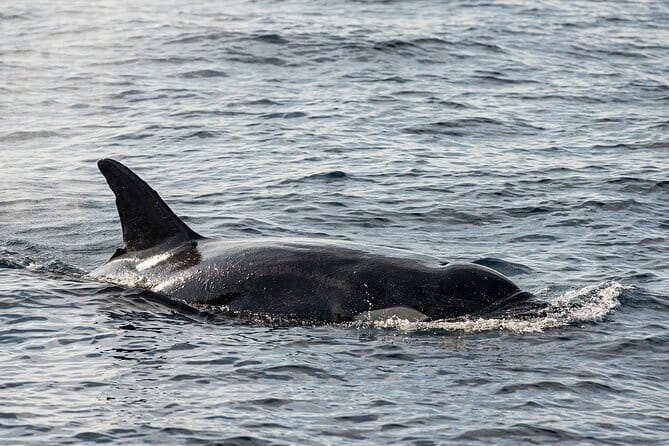
Great Whales is an hour-long education programme, and the session is structured as an open discussion. You can exchange experience and knowledge, which is especially helpful if you’ve already planned a live watching trip and want to compare notes.
Here’s what the programme covers, in the order that helps you build a mental map of the experience:
Commercial Whale and Dolphin Watching History in Sri Lanka
You start with the story of watching in Sri Lanka—how the activity developed and how the local watching culture works. This helps you understand why there are established routes and points, and why boat operators behave the way they do when they’re searching for sightings.
It’s not history for history’s sake. It’s context, so you know what to expect from the watching industry and why certain areas become known.
Main Whale and Dolphin Watching Points
Next, you get the key watching points in Sri Lanka. Even without a detailed “map lesson,” this is valuable because it helps you make sense of what you’ll hear from boat operators later.
If you’re staying around Mirissa or Weligama/Matara, this helps you connect your hotel area to the wider watching zones.
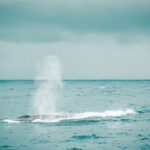

Why Whales and Dolphins Are in Sri Lankan Waters
This section turns the animals from a random miracle into a pattern. The programme explains why these marine mammals appear in the waters here. Knowing the basics of their presence can make live sightings feel more meaningful instead of just surprising.
Main Common Species in Sri Lanka Waters
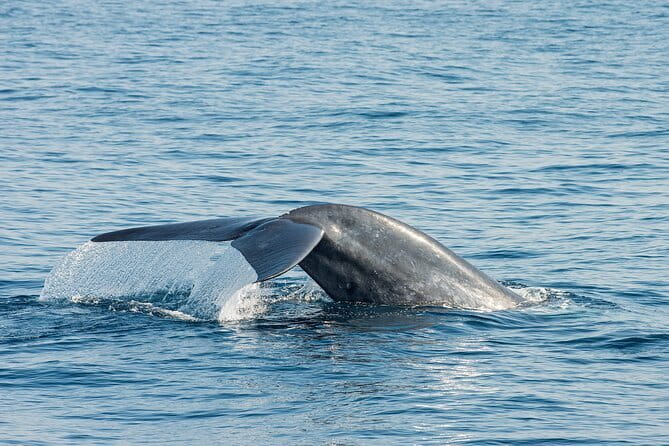
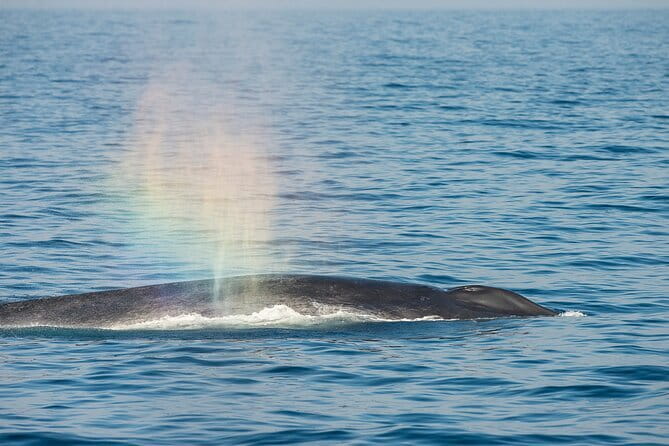
You also learn about the main common whale and dolphin species seen in Sri Lanka. One headline fact is the presence of the Blue Whale, noted as the largest mammal on Earth. That’s the kind of reference point that makes the rest of the species info stick.
Current Sightings (What’s Happening Now)
The session includes “current sighting” information at the time of your visit. No one can guarantee animals appear on schedule, but updated info helps you set realistic expectations and choose a plan that matches the day’s conditions.
Trip Duration, Weather Conditions, and Boat Types
This part is practical. The programme talks about the typical watching trip duration and how weather conditions affect the experience. It also explains what type of boats and yachts are used for whale and dolphin watching.
Why this matters: when weather shifts, operators may adjust their search pattern or time on the water. If you know what’s normal for the area, you’re less likely to feel misled when plans change.
Best Method for Live Watching
The session covers the best methods for live watching—essentially what increases your chances and what good practices look like. This is where the education pays off if you’re planning a boat trip right after (or on a different day).
Facilities Provided by Boat Operators
You’ll also hear about what facilities boat operators typically provide. Even a small detail like knowing what’s available on board can change how you pack mentally—what you’ll want to bring, and what you can rely on.
Open Discussion and Q&A
The open discussion is one of the most important parts. You’re not just passively listening. You can exchange experiences and ask questions. It’s a good fit if you learn better by talking things through.
Refreshments Included
During the session you’re provided refreshment—tea or coffee free of charge, plus snacks and bottled water. That’s a comfort detail, but it also keeps the hour from feeling like “class time.” You can focus without worrying about food.
Arriving at Matara: The Smart Location for Mirissa and Polhena
Great Whales is located at Matara, with the meeting point at No: 12 Paramulla Rd, Matara 81000, Sri Lanka. The activity ends back at the meeting point.
Location matters here because it connects to two popular bases for whale-and-dolphin watching:
- Mirissa: about 30 minutes travel time
- Polhena beach: about 15 minutes travel time
So if you’re already organizing your days around Mirissa, this education programme gives you a grounded option in Matara without feeling stuck far away. You can treat it like a planning session before you go chase sightings.
Getting There (and the one cost note)
Air-conditioned vehicle is not included, so you’ll likely handle transport on your own (or with whatever transport you’ve arranged in the area). That can be totally fine, but it’s worth thinking about the heat and time if you’re going with someone who prefers not to ride in open or non-A/C vehicles.
Value Check: Is It Worth $25 a Person?
At $25.00 per person for an approximately 1-hour private group education session, Great Whales sits in a reasonable range for a structured local experience. What makes the price feel fair is that it includes more than “talk time.”
You get:
- all fees and taxes
- tea or coffee
- snacks and bottled water
- the education programme and open discussion
- a mobile ticket
- a format that’s only your group (private)
And remember: this is especially valuable when boat watching isn’t ideal. In the reviews, there’s a clear theme that live boat operations can be affected by bad weather conditions, and the education programme still gives you something meaningful to do.
So you’re not paying for a gamble of seeing whales at this moment. You’re paying for understanding and preparation—plus refreshments.
Could it feel less satisfying if your heart is set on immediate sighting? Yes, because this is education, not a guarantee of animals on cue. But as part of a broader whale-and-dolphin plan in southern Sri Lanka, it’s good value.
Mobile Ticket, Private Group Feel, and How Booking Usually Works
Great Whales uses a mobile ticket, and confirmation is received at booking time. The operating hours are 7:00 AM to 7:00 PM, every day (Monday through Sunday), within the listed date range.
It’s also described as a private tour/activity, meaning only your group participates. That matters if you want questions answered directly and if you’re traveling with kids or family members who may ask lots of “why” questions.
For timing, the average booking window is about 25 days in advance. That’s not a must-follow rule, but it suggests the session is popular enough that booking early can reduce stress, especially if you’re going during peak seasons.
Live Dolphin and Whale Watching Tickets and Souvenir Options
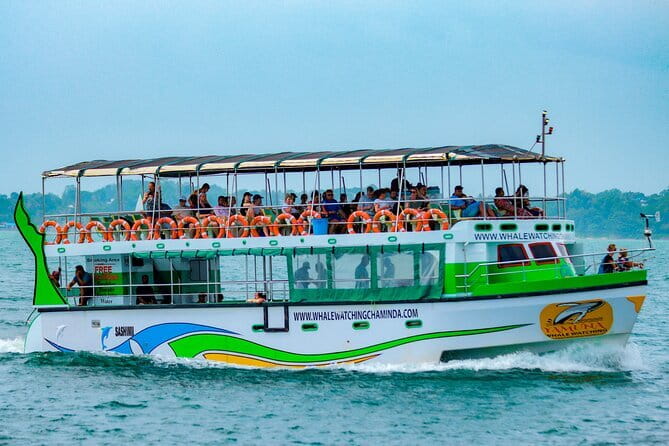
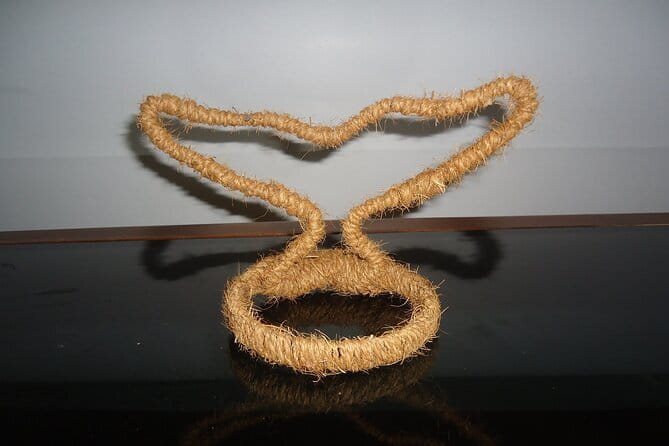
One of the smartest parts of Great Whales is how it connects to the bigger goal. You can buy tickets for live dolphin and whale watching in Mirissa, and you can also purchase locally designed and made whales and dolphins souvenirs.
So the education programme can serve two roles:
1) help you learn what to look for
2) help you act on that learning by pointing you toward live watching options
This is especially useful if you’re the type who likes to plan your day step-by-step. Instead of hoping for information at the last minute, you get it early, then decide what makes sense next.
Who Should Book Great Whales (and Who Might Skip It)
This programme is a strong fit if:
- you’re traveling with children, teens, or seniors and want something that works for mixed ages
- you want to improve your chances of enjoying live watching by learning the species, points, and method
- you’re staying in or around Matara, Mirissa, or nearby beach areas
- you’re trying to reduce the “weather gamble” by having a meaningful plan even if boat schedules change
You might consider skipping (or pairing differently) if:
- your main goal is seeing whales and dolphins immediately from a boat
- you don’t care about species, watching methods, or understanding how conditions affect the search
The programme can still be worthwhile as a supplement, but it won’t replace the excitement of being on the water.
Should You Book Great Whales in Matara? My Take
I think Great Whales is one of the better ways to spend time if your trip is built around whale and dolphin watching in southern Sri Lanka. It’s structured, friendly, and guided by someone with real experience—Ms. A.H. Deepika Kumari—and you get practical details about points, species, and what changes your odds on a given day.
If you’re planning to do Mirissa boat watching, this programme can turn you from a passenger into an informed watcher. And if weather disrupts live outings, you still leave with knowledge, snacks, and a plan you can feel good about.
If you want, tell me your travel dates and whether you’re basing yourselves in Mirissa or Matara. I can help you think through how to pair this hour with a live watching outing on the best day.
FAQ
How long is the Great Whales education programme?
It lasts about 1 hour.
Where is the meeting point?
The meeting point is No: 12 Paramulla Rd, Matara 81000, Sri Lanka.
Is this programme private?
Yes. It’s described as private, with only your group participating.
What’s included in the price?
All fees and taxes are included, along with tea or coffee, snacks, and bottled water.
Is an air-conditioned vehicle included?
No. An air-conditioned vehicle is not included.
Do I need a physical ticket?
No. You receive a mobile ticket.
What topics are covered during the education session?
The session covers whale and dolphin watching history in Sri Lanka, main watching points, why whales and dolphins are in Sri Lankan waters, common species, current sighting information, watching trip duration, weather and boat types, best methods for live watching, and facilities offered by boat operators.
Can I use the programme to plan live whale and dolphin watching in Mirissa?
Yes. You can buy tickets for live dolphins and whales watching in Mirissa.
What is the cancellation policy if plans change?
You can cancel for free up to 24 hours in advance for a full refund. If you cancel less than 24 hours before the start time, the amount paid is not refunded.