REVIEW · SYDNEY
Whale Watching Sailing Experience in Sydney
Book on Viator →Operated by Charterscene · Bookable on Viator
Whales meet sail in three hours. This Sydney Harbour to Tasman Sea trip is built around the humpback migration season, with a quiet sail approach rather than noisy engines and constant announcements. I love that it’s a guaranteed small group (max 12), which keeps the mood calm and the viewing practical.
The one thing to plan for is the boat’s movement. If you’re prone to chronic seasickness, this isn’t for you, and you’ll want to consider motion-sickness tablets before you go, because the ocean can be bouncy. On the crew side, the vibe from Captain Doug (Douglas) and First Mate Gavin is professional and focused, and that matters when you’re trying to spot spouts in open water.
In This Review
- Key things you’ll notice on this whale watching sail
- A three-hour plan built around humpbacks, not rushing
- Rose Bay start: easy meeting point, then you’re out to the water
- Sydney Harbour and Port Jackson: the scenic warm-up before whale time
- Out into the Tasman Sea: why sailing changes the whole feel
- Spotting strategy: how the crew helps you see more
- Small-group format: the real value behind the max of 12
- Comfort and motion sickness: plan ahead or you’ll lose the trip
- Price and value: what $71.01 buys you in Sydney
- Best time to go within May–November
- Who this whale watching sailing tour is for
- If you’re deciding right now: should you book this sail?
- FAQ
- How long is the whale watching sailing experience?
- Where do I meet for the tour?
- What group size should I expect?
- When does the whale season run for this tour?
- Is it suitable for children?
- What if I get motion sickness?
- What happens if the weather is bad?
- Can I cancel and get a refund?
Key things you’ll notice on this whale watching sail
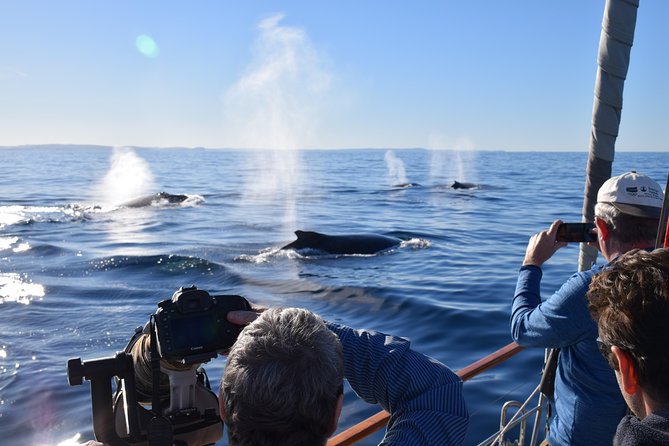
- Max 12 travelers means you get more space to see, not a crowd pressed to one side of the boat
- Noisy-engine avoidance gives you a calmer wildlife experience while you hunt for whales during migration
- Sail hoisted when conditions permit so you can feel the ocean instead of just motoring through it
- Rose Bay Pontoon Wharf is the start point and the trip loops back there at the end
- Captain Doug and First Mate Gavin run the pacing and comfort with a steady, no-drama approach
- May through November season lines up with the humpback migration window in this region
A three-hour plan built around humpbacks, not rushing
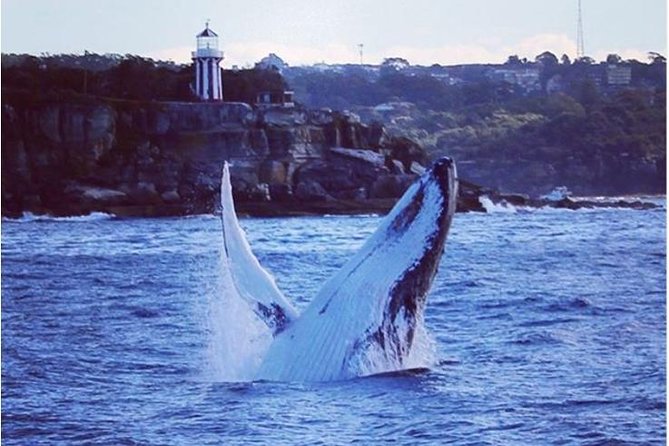
This is a short outing by design: about three hours from meeting time to back at the same dock. That length is a sweet spot for many people in Sydney. You get a proper run out toward Port Jackson and then out into the Tasman Sea, without eating an entire day or turning the afternoon into a logistics project.
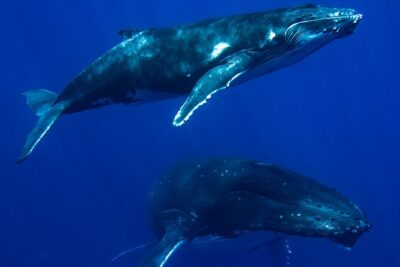
The tour is timed to the annual whale migration, running May to November. During that window, humpbacks (and sometimes other species) may be encountered as they travel and feed in the area. You’re not looking at a whale from a fixed pier. You’re actively sailing in the zone where sightings are possible, with the crew watching conditions and adjusting course when it’s safe and practical.
One more thing I like about the setup: it’s built for viewing comfort. The approach focuses on getting out there with less racket and more attention on what’s actually happening on the water. Reviews repeatedly point to a civilized, relaxed tone versus louder, more chaotic competitor styles.
You can also read our reviews of more tours and experiences in Sydney.
Rose Bay start: easy meeting point, then you’re out to the water
You meet at Rose Bay Pontoon Wharf, New South Head Rd, Rose Bay NSW 2029, and the experience ends back at the meeting point. For planning, that’s handy: no transfer at the end, no guessing where to catch the next bus or rideshare.
The wharf location also keeps things realistic for a city trip. It’s near public transportation, so you’re not forced into complicated parking or a long walk after the boat ride.
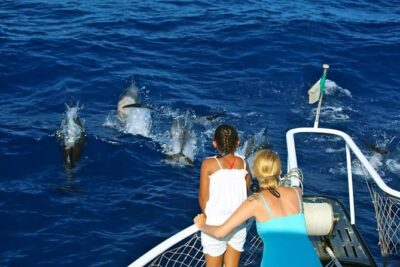
Once onboard, the biggest difference you’ll feel right away is the scale. A maximum of 12 travelers keeps the boat from turning into a cramped crowd scene. You can shift your stance to track spouts and tail signals without shoulder-checking strangers. If you’re traveling with kids (age 5 and up), this size also makes it easier for everyone to stay calm and engaged instead of overwhelmed.
Sydney Harbour and Port Jackson: the scenic warm-up before whale time
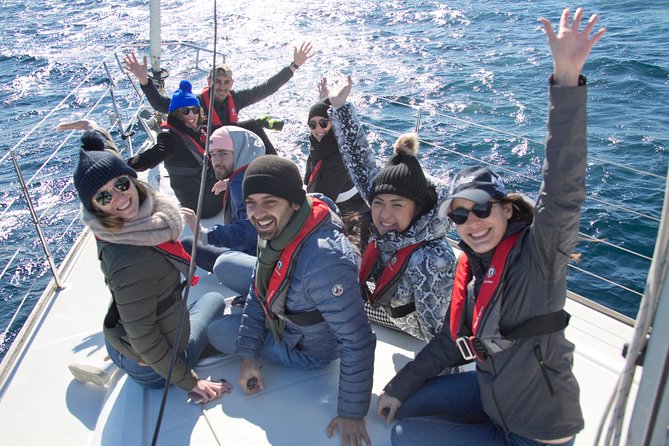
Before you ever reach the open water, there’s a “warm-up” segment through Sydney Harbour and on toward Port Jackson. This part matters more than it sounds. It breaks the ride into phases: first you get the skyline and harbour energy, then you gradually head into the area where whale sightings are more likely during migration.
Even when whales are elusive, this harbour cruising portion still delivers. You’re out on water in one of the world’s most recognizable settings, and you’re not stuck sitting at a pier waiting for something to happen.
The other practical upside: starting inside the harbour gives you a gentler ramp-up in boat motion. You can get your bearings, settle in, and get ready for the stretch off the coast where you’ll be looking across wider water.
Out into the Tasman Sea: why sailing changes the whole feel
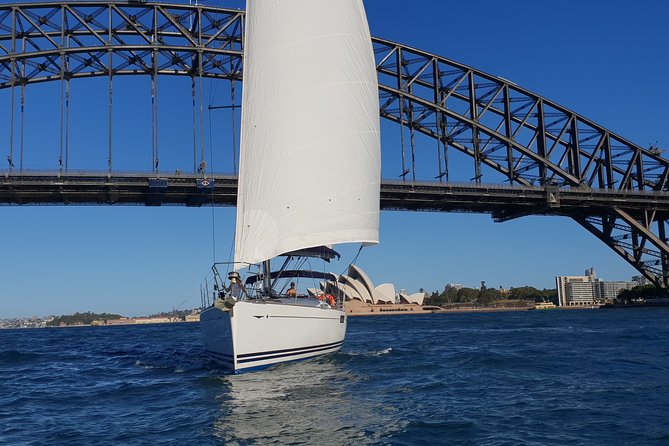
The core of the experience is the attempt to follow humpbacks during their migration. The key detail is how you go after sightings: you’re sailing off Sydney’s coast, and sail is hoisted when conditions permit.
That matters for your experience in two ways:
First, sailing tends to feel less like a machine-and-gear ride and more like being part of the ocean’s rhythm. You notice the wind, and the boat’s movement can feel more natural than constant powering.
Second, the quieter approach helps wildlife viewing feel more respectful. The tour is designed so it’s not built around loud engines or a constant stream of megaphone-style commentary. If you care about hearing your own thoughts (or keeping kids from getting over-stimulated), you’ll appreciate the tone.
Now, the honest reality: whales don’t perform on a schedule. Sometimes sightings are quick—spout here, turn there, then they go quiet. Sometimes they linger and you can follow their path for longer periods. The tour gives you the best shot by staying alert and moving with the situation, but the ocean controls the script.
Spotting strategy: how the crew helps you see more
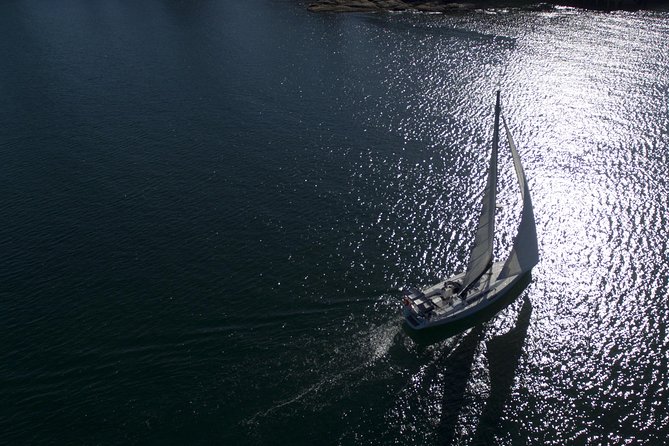
If you’ve ever watched from a distance, you know how fast whales can appear and vanish. That’s where crew pacing and observation make a difference.
The guiding team for this experience includes Captain Doug (Douglas) and First Mate Gavin. Reviews highlight their ability to keep the boat at a comfortable pace and to remain respectful of whale distance. That respectful distance isn’t just ethical; it also keeps the experience more stable and less stressful. You’re not constantly hitting speed changes, and you’re not being forced into janky viewing angles.
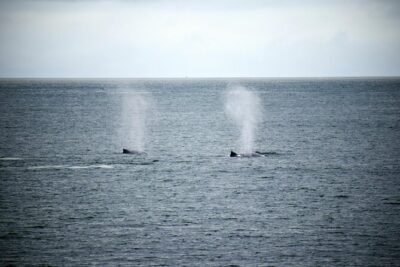
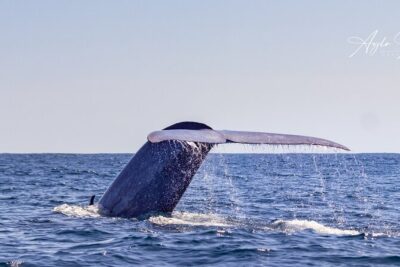
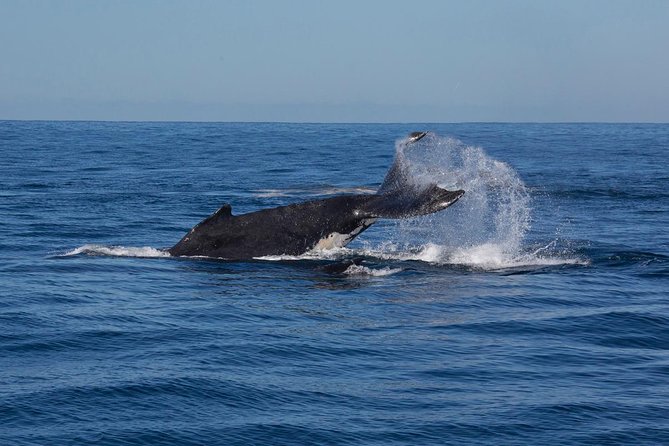
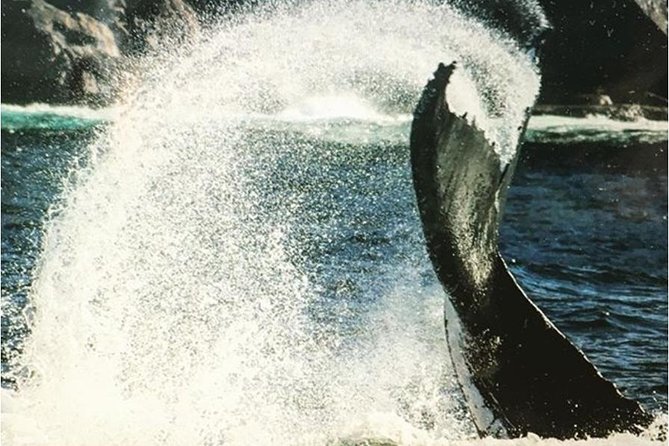
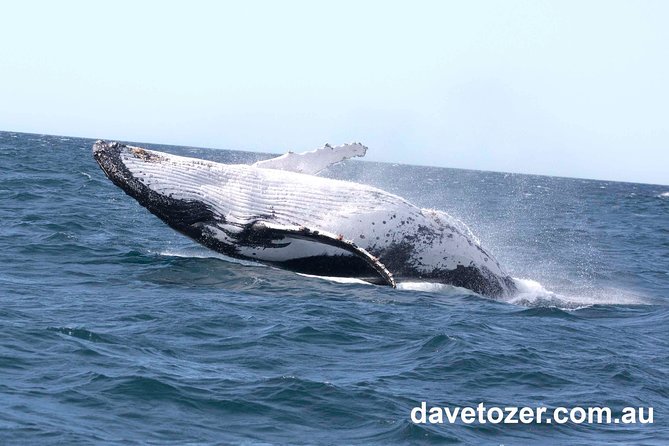
In real-world outcomes shared from past trips, sightings can be frequent when conditions line up—some reports mention around 10 sightings, and others describe 20–30 whales on a given outing. There are also accounts of breaching and even a baby whale sighting. At the same time, there are also days when whales are harder to find, and you might end up with just a few clear moments.
The takeaway for you: treat this as a high-success hunting mission, not a guarantee of specific counts. Your best strategy is attitude. When you’re relaxed and ready to look, even limited sightings can feel huge.


Small-group format: the real value behind the max of 12
A lot of Sydney tours advertise whale watching. This one leans hard into the “small-group” angle, and you’ll feel it quickly.
With a maximum of 12 travelers, you get:
- fewer people fighting for sight lines
- a calmer boat vibe for kids and adults
- more flexibility to reposition and watch different angles
- a more direct interaction with the crew
In reviews, people repeatedly praise the intimacy and professionalism. That’s what you’re paying for, at least partly. If you’ve ever been on a larger tour where the guide’s voice cracks over a crowd and everyone jostles for phone cameras, you’ll understand why max-12 feels like a quality upgrade.
This format also helps with comfort. Whale watching can mean long stretches of scanning water, and being surrounded by too many bodies makes that hard. Smaller group sizes make waiting tolerable, even enjoyable.
Comfort and motion sickness: plan ahead or you’ll lose the trip
If there’s one “consideration” that can make or break your afternoon, it’s motion. This tour is not recommended for travelers prone to chronic seasickness. That’s not the crew being picky—it’s a safety and comfort issue.
If you’re on the fence, the smart move is to treat it like any ocean crossing: prepare. The tour notes that if you require motion-sickness tablets, you should get them from a pharmacy or ask for advice before departure.
My practical advice:
- If you normally feel rough on boats, plan to take medication early rather than waiting for nausea to start.
- Bring a dry layer. Wind off the water can sneak up on you fast.
- If you’re going with kids age 5 and up, ask yourself how they usually handle rides that sway.
You’ll still have a great time if you’re comfortable. The difference is that you’ll actually be able to watch for the spout instead of watching the horizon to keep your stomach settled.
Price and value: what $71.01 buys you in Sydney
At $71.01 per person, this isn’t a budget whale trip, but it also isn’t priced like a private charter. The value sits in what’s included and how it’s delivered.
You get:
- a sail-based whale search during migration
- Sydney Harbour cruising on the way out
- a small group cap (12)
- a tour format that tries to keep the experience quieter and less chaotic
Also, you’ll often see these tours booked around a month out. On average, this one is typically booked about 27 days in advance, which hints at demand during the migration season.
Is it worth it? For me, it’s a yes if:
- you want a more relaxed boat vibe
- you care about being able to actually see whales without being squeezed into a crowd
- you’re visiting in May–November and you’d rather take a shot on a sailing approach than only do sightseeing from land
If you’re extremely time-sensitive, or you only want whale watching as a one-time lottery ticket with no flexibility, you might consider whether you can handle a day where whales are harder to find.
Best time to go within May–November
You’re selecting a date within the whale season: May through November. The tour also runs only when conditions are right, since it requires good weather. That means your exact experience depends heavily on the day’s ocean and wind.
When weather is poor, the tour may be canceled and you’ll be offered a different date or a full refund. So for best results, plan with a bit of flexibility in your itinerary. If you’re visiting Sydney and you can spare one afternoon within that season window, you’ll maximize your chances.
Who this whale watching sailing tour is for
This is a good fit for:
- families traveling with kids 5 and up
- people who want whale watching without the loud, chaotic feel of some larger tours
- anyone who prefers a sailing experience when conditions allow
- travelers who like small-group formats and don’t want a packed viewing scene
It may not be ideal if:
- you deal with chronic seasickness
- you need a fully predictable, guaranteed whale count (wildlife has its own agenda)
Also, if you travel with a service animal, note that service animals are allowed. And because it’s close to public transportation, it’s easier to slot into a Sydney day plan.
If you’re deciding right now: should you book this sail?
Book it if your priority is a calmer, small-group whale search that blends Sydney Harbour views with a quieter sailing approach during the migration season. The max-12 format and the way Captain Doug and First Mate Gavin keep things comfortable and focused are exactly the kind of details that turn a wildlife outing into a memory.
Skip it (or reconsider) if motion sickness is a major issue for you. In that case, no amount of crew skill changes the basic ocean conditions.
If you go, bring a practical mindset: look early, stay patient, and let the crew position the boat. Even on days when whales are harder to find, the harbour sailing portion and the relaxed tone still make the afternoon worthwhile.
FAQ
How long is the whale watching sailing experience?
It runs for about 3 hours.
Where do I meet for the tour?
You start at Rose Bay Pontoon Wharf, New South Head Rd, Rose Bay NSW 2029, Australia, and it ends back at the same meeting point.
What group size should I expect?
This tour has a maximum of 12 travelers, and it’s described as a guaranteed small-group experience.
When does the whale season run for this tour?
It operates during the May to November whale migration season.
Is it suitable for children?
It’s suitable for families and children aged five and above. It’s not recommended for children 5 years and younger.
What if I get motion sickness?
It’s not recommended for travelers prone to chronic seasickness. If you need motion-sickness tablets, the guidance is to get them from a pharmacy or seek advice before you cruise.
What happens if the weather is bad?
The experience requires good weather. If it’s canceled due to poor weather, you’ll be offered a different date or a full refund.
Can I cancel and get a refund?
Yes. You can cancel for a full refund up to 24 hours before the experience starts. If you cancel less than 24 hours before, the amount paid is not refunded.