REVIEW · SYDNEY
Whale Watching Sydney 2-Hour Express Cruise
Book on Viator →Operated by Fantasea Cruising Sydney · Bookable on Viator
Whales aren’t far from Circular Quay. This 2-hour group cruise takes you out from Circular Quay Wharf 6 and into Sydney Harbour’s whale-watching zone, with captain-and-crew commentary as you scan the water. You get indoor and outdoor seating, plus the option to buy snacks and drinks onboard.
I love two things right away. First, the boat is built for this job: Ocean Dreaming II reaches open ocean in about 15 minutes. Second, the trip isn’t just you staring at waves; the crew provides onboard insight on the harbour and the wildlife you’re trying to spot.
One thing to weigh: it’s a large group cruise, and the ride can feel rough if the sea is choppy. If you’re prone to motion sickness, the tour strongly suggests talking to a doctor first, because the boat can get bumpy.
In This Review
- Key Points Before You Go
- Circular Quay Wharf 6: Where the Cruise Life Starts
- Ocean Dreaming II: Fast, Comfortable, and Built for Watching
- The 2-Hour Cruise Rhythm: How the Hunt Works
- Seeing from Three Decks: Views, Crowds, and Your Best Plan
- Captain and Crew Commentary: The Part That Makes You Pay Attention
- What If You Don’t See Whales?
- Price Value: Is $57.72 Worth It?
- Who Should Book This Whale Watching Express Cruise?
- Small Practical Tips That Help a Lot
- Should You Book This 2-Hour Whale Watch?
Key Points Before You Go
- Open-water access in roughly 15 minutes from Circular Quay
- Three viewing decks for wide sightlines when whales surface
- Indoor and outdoor seating plus a licensed bar for snacks and drinks
- Onboard captain and crew commentary covering harbour wildlife and history
- Up to 190 people can make viewing spots feel crowded
- Motion sickness is a real consideration—ask a doctor if you’re sensitive
Circular Quay Wharf 6: Where the Cruise Life Starts
The experience begins at Circular Quay Wharf 6, right in the middle of where you already want to be in Sydney. That matters because you’re not spending your whole day on trains, buses, or a long transfer just to get on the water. If your trip plan is tight, this “express” approach keeps whale watching front and center.
You’ll board with a mobile ticket, so you’re not juggling paper. The cruise then heads out from the harbour and toward open ocean. The whole thing loops back to the meeting point at the end, which is handy if you want to keep your evening free for dinner in the city.
The vibe is very much group-tour friendly: the boat is set up for visitors of all kinds, including people using wheelchairs. Service animals are allowed too, which can make a big difference for some families.
You can also read our reviews of more tours and experiences in Sydney.
Ocean Dreaming II: Fast, Comfortable, and Built for Watching
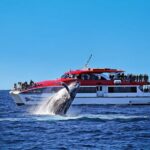
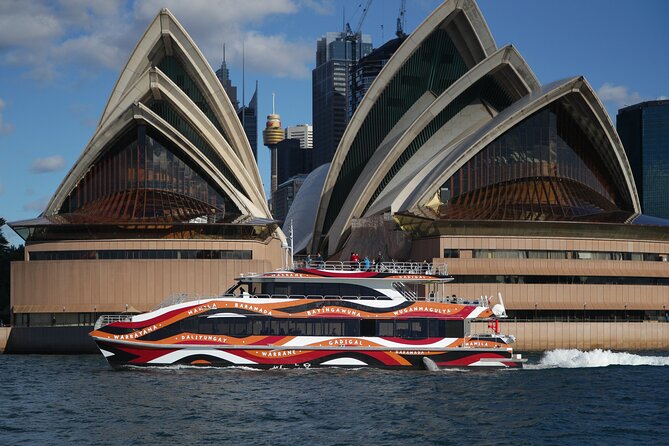
This isn’t a slow ferry. Ocean Dreaming II is designed to get you to the action quickly, and the schedule reflects that: you reach open ocean in around 15 minutes. When you’re chasing whales, that time-saving piece is more valuable than it sounds on paper. The longer you spend stuck in harbour waters, the more you’re hoping the animals will move your way.
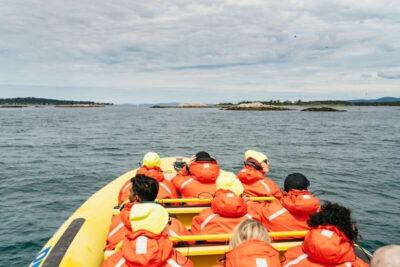
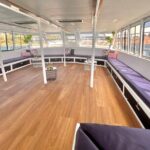
Onboard, you’ll find both indoor and outdoor seating. This is one of those practical details that pays off. If the weather is pleasant, you can stand outside and really scan the horizon. If it turns windy or choppy, you can duck inside and keep watching without freezing your face off—or without feeling like you’re white-knuckling your way through the ride.
There’s also a licensed bar onboard where you can purchase drinks and snacks. Drinks aren’t included, but the bar gives you flexibility. If whale watching is a splurge day for you, it’s nice to know you won’t have to choose between sightseeing and getting thirsty.
And yes, it’s a clean, comfortable boat experience. Many passengers highlight the vessel as well-kept and the crew as professional about safety and procedures.
The 2-Hour Cruise Rhythm: How the Hunt Works
This is a 2-hour whale watching cruise, approx., with onboard commentary throughout. The rhythm is simple: get out quickly, watch carefully, and adjust course when whales appear. The crew and guides take you to the best spots, and they share what you’re likely seeing—both about the harbour and about the animals in it.
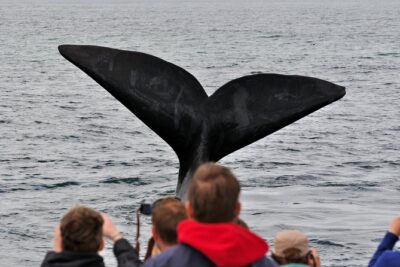
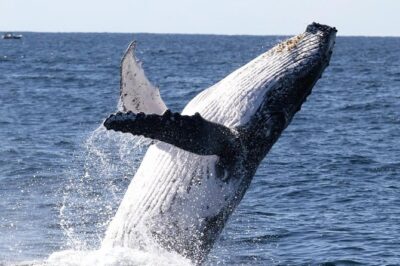
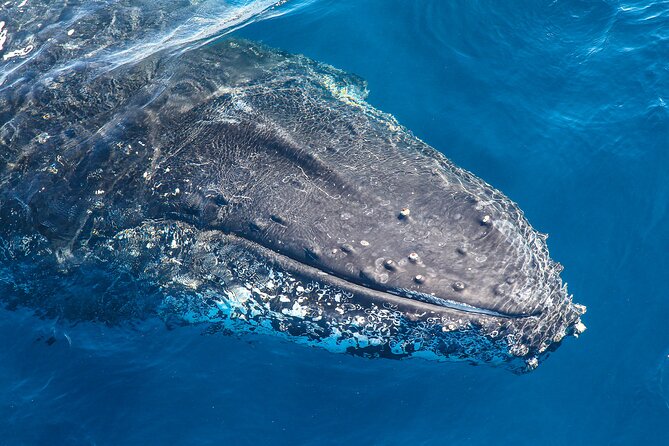
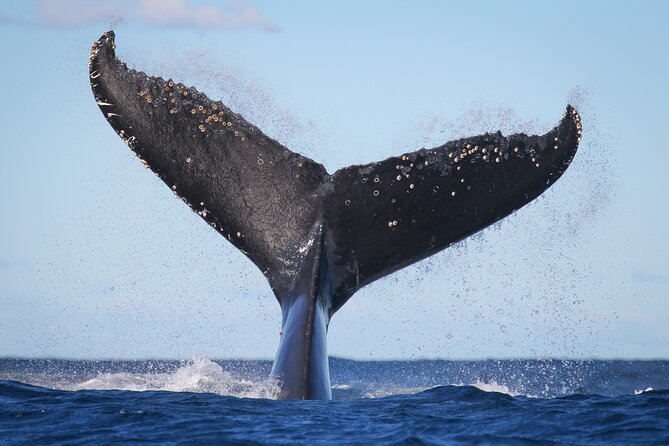
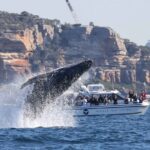
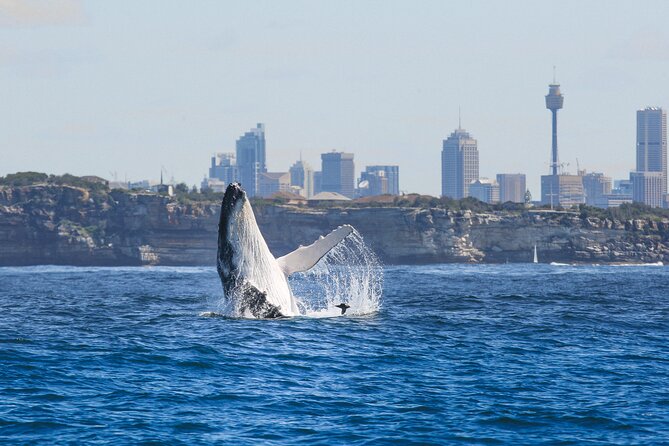
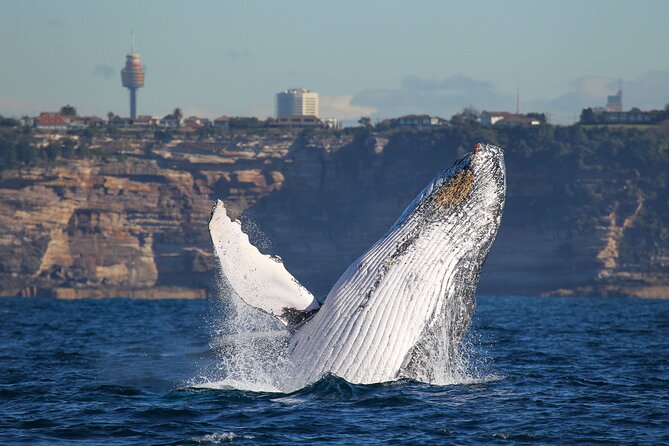
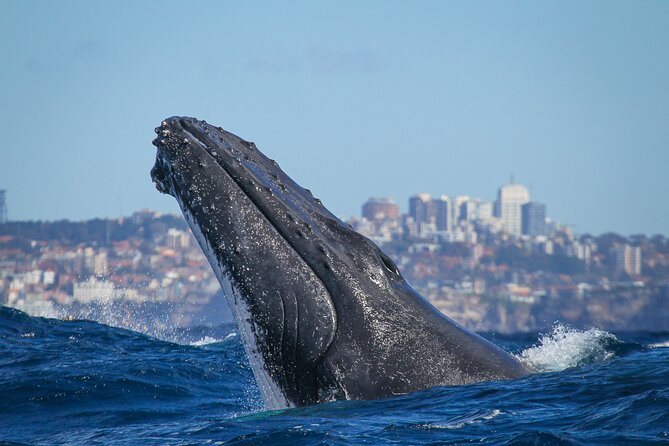
The biggest payoff is how close the cruise often gets when the whales surface. Multiple accounts describe getting right next to humpback whales for excellent views and photos. One passenger even noted humpbacks breaching multiple times, including a few dramatic pops at the surface. When whales breach—tail-slapping, breaching, and general mid-water play happen—that’s when your whole group goes quiet in that delighted way. You can feel the moment shift from scanning to actually witnessing.
Not every trip is the same, though. A few people had days without whales. In those cases, you’re usually still in the right place for other marine life, like dolphins and seals, and the crew’s effort to find whales tends to be a common theme. If you’re going during peak whale season you’ll likely have better odds, but the tour still runs in shoulder periods too—one review even mentions seeing whales while near the tail end of whale watching season, along with other animals.
Also, don’t ignore sea conditions. This kind of cruise can be very calm on one day and very uncomfortable on another. One review described a rough outing where nearly everyone felt sick. The lesson is not fear—it’s planning. If you’re sensitive, take motion sickness seriously before you board.
Seeing from Three Decks: Views, Crowds, and Your Best Plan
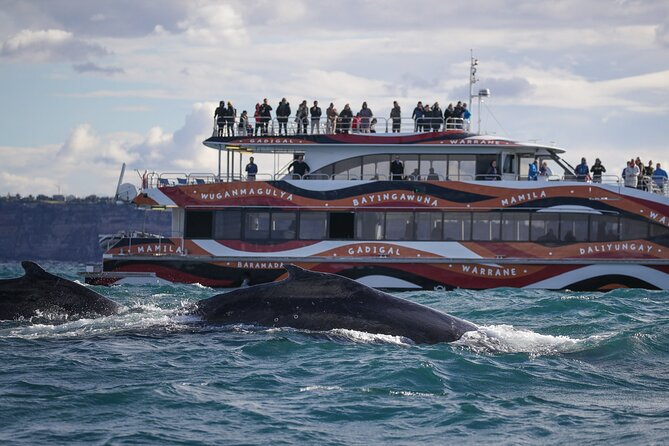
The cruise gives you three viewing decks, and that’s a big deal for whale watching. Whales don’t surface in one fixed spot. They move, they dive, they pop back up. Having more than one level of viewing lets you reposition quickly when the captain finds activity.
That said, this is also a large group tour, and the decks can get busy. One review calls out how people vyved for viewing positions, and another notes one side felt overwhelmed. So here’s the practical approach: be ready to move. When whales surface, don’t wait for perfect comfort. If the crew signals that you should look right now, do it.
Indoor space helps if you need a break. You can step inside when the wind or motion ramps up, then head back out when the crew points out whale activity again. The best trips feel like a rhythm of switching between scanning outside and regrouping inside, instead of trying to power through the whole time at one spot.
And if you care about photos: more people at once means more bodies in your frame, depending on where you stand. The upside is that when whales show close, passengers describe breathtaking video and photo moments. The boats and crew are set up to maximize viewing when whales are near, not just far-off “good luck spotting” viewing.
Captain and Crew Commentary: The Part That Makes You Pay Attention
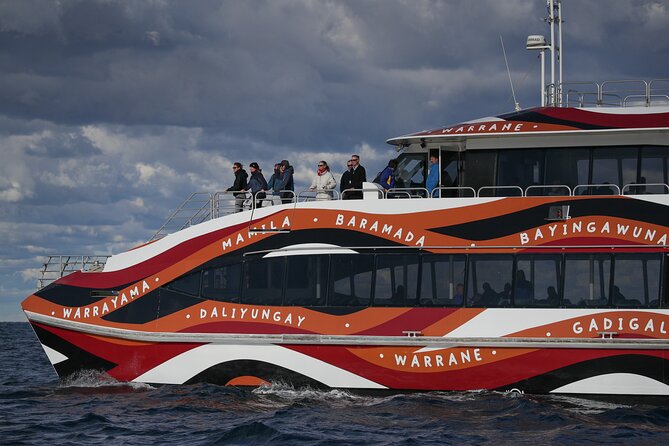
A whale cruise without guidance can feel like staring at a sea of nothing. This one uses onboard commentary to keep you oriented. The captain and crew talk as you travel, explaining harbour context and pointing out wildlife cues you might otherwise miss.
You’ll also see a strong emphasis on safety. Multiple comments highlight that the crew is safety conscious and clearly excited about whale watching too. That combination matters: when people feel confident and the crew is calm and in control, everyone enjoys the ride more—even when you’re packed together and the wind picks up.
This is the “learn while you watch” style. You aren’t just waiting for whales to appear; you’re getting clues about what to look for and why. That turns whale sightings into a real experience, not just a lucky moment.


What If You Don’t See Whales?
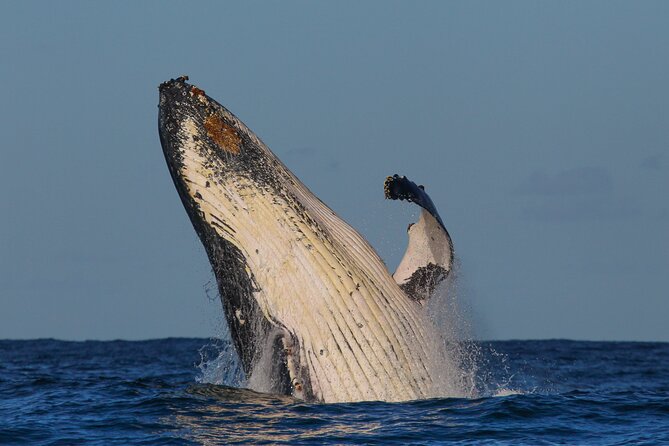
Here’s the honest part: whale watching is nature, not a theme park. Some people in the experiences shared that they saw whales—some even close and with multiple breaches. Others didn’t see whales on their specific outing.
If you get unlucky, keep two things in mind:
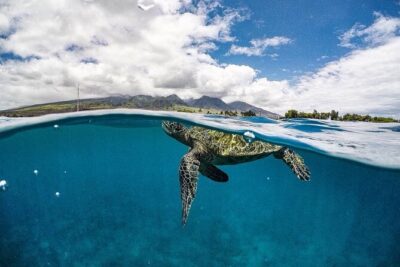
- You may still see other animals like seals or dolphins while you’re out there.
- If your cruise doesn’t deliver whales, you might be offered another chance on a different day, depending on availability (this is mentioned in at least one experience account).
That uncertainty is the trade for being on a two-hour cruise with fast access to open water. You’re optimizing time. The planet decides what shows up during your window.
Price Value: Is $57.72 Worth It?
At $57.72 per person, this is not the cheapest day activity, but it can be good value if you want a focused whale-watching session without complicated logistics.
What you’re paying for is the package:
- 2 hours on the water
- fast travel from Circular Quay to open ocean (about 15 minutes)
- a larger boat with multiple decks for visibility
- onboard commentary
- a vessel with both indoor and outdoor seating
- the chance to get close when whales surface
If you’re comparing to longer tours, the express format is often what makes it worth it. Two hours keeps it doable even for people who want to squeeze in other Sydney highlights. You’re not committing your whole afternoon to a long ride.
The bar is extra. Drinks aren’t included, so plan on bringing cashless payment or expecting extra spending if you want snacks and drinks during the cruise.
Who Should Book This Whale Watching Express Cruise?
This tour fits best if you want a straightforward whale-watching hit with minimal fuss. It’s especially good for:
- People staying around Circular Quay who don’t want a long commute
- Anyone who likes learning while watching (the commentary is part of the value)
- Families and mixed groups who can handle a busy, shared-deck experience
- Wheelchair users, since the tour is wheelchair accessible
- People traveling with a service animal (allowed)
It may not be ideal if you:
- Get motion sickness easily and haven’t planned for it
- Want a quiet, uncrowded experience and hate feeling packed in
Also, if you’re a “view from one perfect spot” person, read this twice. With up to 190 people and multiple decks, it’s more about teamwork with the crew’s whale-finding than holding one place for two hours.
Small Practical Tips That Help a Lot
- If you’re motion sensitive, take the tour’s own warning seriously and talk to a doctor before you go. Don’t tough it out and hope.
- Wear layers. You’ll bounce between wind outside and cooler indoor spaces.
- Bring your patience for crowding. When whales appear, people react fast.
- If you want the best viewing experience, be ready to reposition when the crew guides you to activity zones. The boat can move to where whales are likely to be.
These aren’t gimmicks. They match what the experience actually feels like: active spotting, active deck movement, and a short window for best sightings.
Should You Book This 2-Hour Whale Watch?
I’d book it if you want a high-likelihood, time-efficient whale-watching session from the heart of Sydney. The combination of fast access to open ocean, onboard guidance, and multiple viewing decks is what makes it work. When whales are around, the views can be close enough to feel unreal, with breaching and tail activity described in multiple accounts.
But I would think twice if you’re seasick-prone, because rough conditions can turn the experience unpleasant. And since it’s a large group, don’t expect a calm, personal viewing moment—expect a shared search with lots of eyes scanning the water.
If your ideal day in Sydney is simple: board, watch, learn, return—this cruise lines up nicely. For a one-shot trip, it’s a strong choice. Just go with the right mindset: you’re watching live wildlife, and your timing matters.