
REVIEW · GLOUCESTER
Whale Watching Tour in Gloucester
Book on Viator →Operated by Cape Ann Whale Watch · Bookable on Viator
Gloucester whale watching can change your whole trip. This half-day ride is built for maximum wild-animal time, using a high-speed catamaran to reach Stellwagen Bank National Marine Sanctuary quickly on the Hurricane II.
I really like the focus on getting you to the whales fast, then giving you longer viewing time once you arrive. The on-board naturalist-style narration (for example, Jessica has been a standout) makes the sightings feel like you understand what you’re seeing, not just watching from the rail.
One thing to plan for: late-season trips can bring choppy water, and if you’re sensitive to motion it’s worth taking precautions ahead of time. Also, audio can be hit-or-miss on some boats, so having a backup plan (like a calm seat near where you can hear) helps.
In This Review
- Key things that make this Gloucester whale watch work
- Why Stellwagen Bank whale watching feels different from the start
- The Hurricane II setup: comfort, visibility, and where to stand
- How the day usually flows on the water (and what to expect)
- What whales and dolphins you’re looking for near Gloucester
- The naturalist experience: what the narration adds to your sightings
- Food and drinks on board: plan for warm and stay fueled
- Where the boat goes: North Shore, South Shore, and off Boston
- The main drawback: seasickness and hearing issues in rough weather
- Who this whale watching tour is best for (and who should think twice)
- Value check: is $48 per person worth it?
- Quick planning tips that make your trip easier
- Should you book this Gloucester whale watching tour?
- FAQ
- How long is the whale watching tour from Gloucester?
- How much does the Gloucester whale watching tour cost?
- Where do I meet for the tour?
- Is food and drink included?
- What animals can I expect to see?
- What if the tour can’t run due to weather?
Key things that make this Gloucester whale watch work
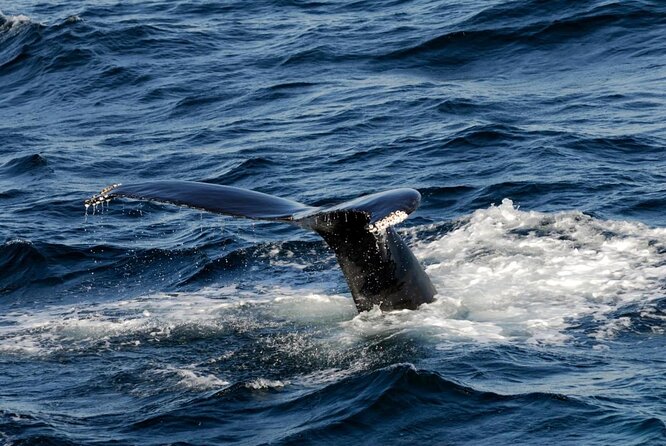
- High-speed catamaran timing means less “travel time,” more actual whale time
- Big-boat layout with upper and lower observation decks for easier spotting
- Naturalist onboard helps you spot behavior (not just spouts) and learn names and patterns
- Heated indoor cabin and galley so you can warm up if the weather turns
- They communicate with other vessels to find where the whales are, even if it means shifting where you go
- Stellwagen Bank is the target—a top area for humpbacks and other species in the wild
Why Stellwagen Bank whale watching feels different from the start
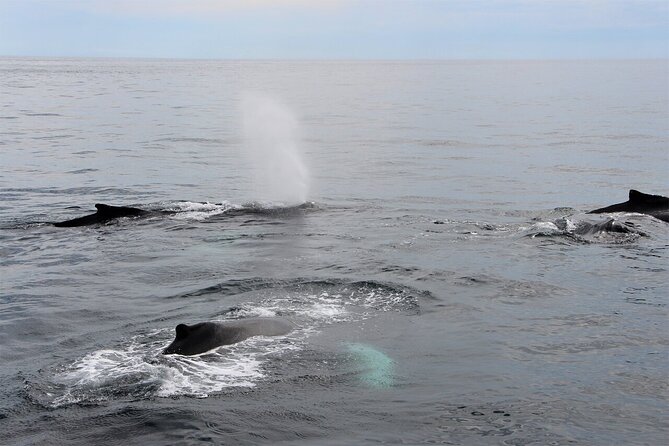
If you’re doing Gloucester whale watching, the best question isn’t just “Will we see whales?” It’s “How efficiently do we get there, and how much time do we actually get once we arrive?” This tour is designed around that exact math.
You’re traveling on the Hurricane II, a large vessel built for whale watching along the Massachusetts coast. The trip’s purpose is clear: reach the feeding grounds fast, then settle in long enough for real viewing instead of a quick drive-by.
It also matters that Stellwagen Bank is a known marine hotspot. You’re not wandering randomly; you’re going to a place with the kind of ecosystem where whales and dolphins feed and move predictably through the season.
You can also read our reviews of more tours and experiences in Gloucester.
- Whale Watching Trips to Stellwagen Bank Marine Sanctuary. Guaranteed sightings!
★ 5.0 · 2,135 reviews
The Hurricane II setup: comfort, visibility, and where to stand
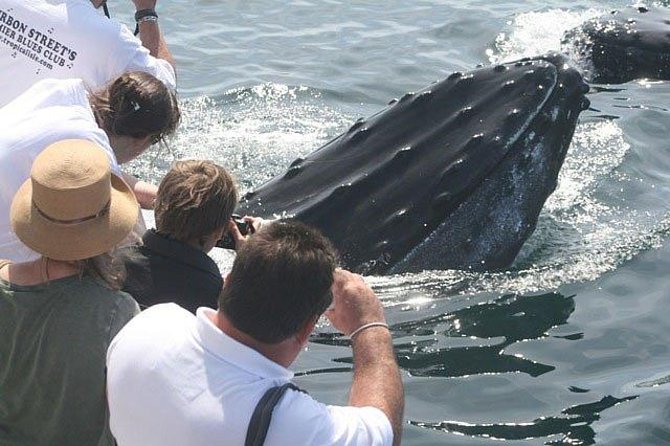
The Hurricane II is 115 feet long, with more than 400 feet of whale watching space across upper and lower observation decks. That design choice is not just for bragging rights—it’s practical. With more deck railing space, your group has more options for good viewing, and the crew can reposition the boat so everyone has a chance to see.
You also get a heated, furnished indoor cabin. If it’s windy, cold, or you’ve had your fill of salt spray, you can duck inside without giving up the hunt. On trips where seas get rough, being able to step out of the open air can be a lifesaver.
Inside, the galley is full service. You can buy hot meals, snacks, cold beverages, and there’s also a bar with local brews, beer, wine, and mixed drinks for purchase. That means you can stay on the boat comfortably even if the weather doesn’t cooperate.
How the day usually flows on the water (and what to expect)
This is a half-day excursion from Gloucester that’s about 4 hours total. You’ll start and end at 415 Main St, Gloucester, MA 01930, right where you check in and board.
The pacing is the main point. It’s a quick run out, then a search period, then time with animals once whales show. On one recent outing, the boat took about 90–120 minutes to find whales before the viewing started. That’s a helpful range to keep in mind: sometimes the ocean gives you clues fast, and sometimes you wait a bit.
Once whales are located, the tour’s whole promise kicks in. Because the boat is fast getting there—and faster heading back—you end up with more time watching behavior once the sightings begin. That’s when you’ll notice the difference between seeing a whale briefly and actually learning how it moves, feeds, and surfaces.
When the captain shifts location, you’re not just stuck in one spot. In practice, the crew tries to manage angles so more people get a proper look, while still giving the whales room.
What whales and dolphins you’re looking for near Gloucester
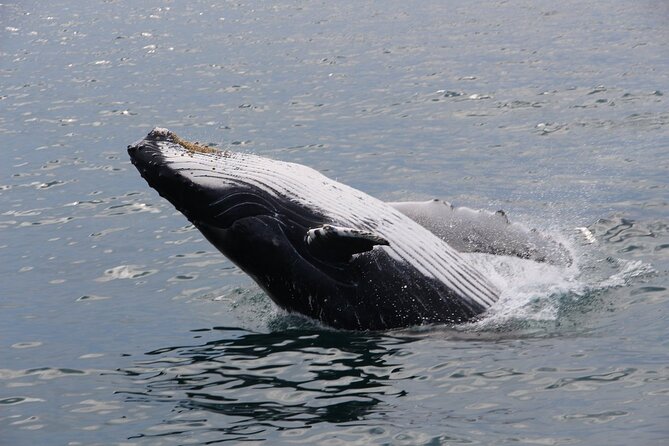
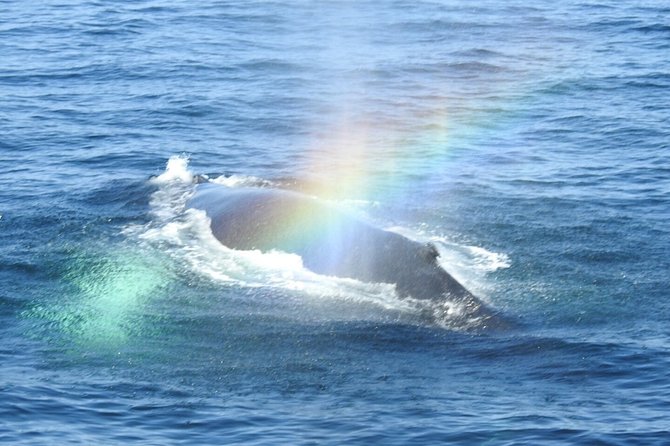
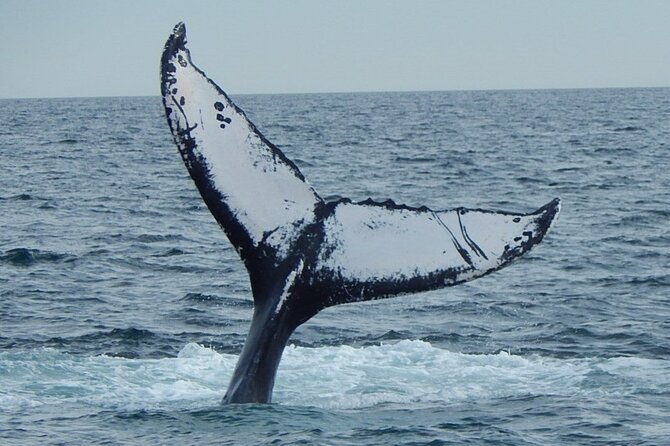
You’re going out with the Stellwagen Bank goal, and the species list is strong. You might see humpback whales and fin whales, along with Atlantic white-sided dolphins and harbor porpoises.
Depending on season and where the whales are feeding, the tour information also includes a much wider roster. That includes minke whales, northern right whales, pilot whales, sperm whales, sei whales, and even blue whales in very limited cases. Blue whales are the big-name fish in the world—massive, rare around Gloucester—so even hearing that they’re in the broader possibilities adds excitement.
The important reality check: you’re on a wild-animal tour. You can’t demand one specific species at one specific time. What you can do is choose the tour that maximizes your chance by going where the animals feed, and doing it with a crew that’s actively searching.
The naturalist experience: what the narration adds to your sightings
The naturalist onboard is there for more than background storytelling. The value is in turning “big animal in the distance” into “behavior with meaning.”
You’ll get explanations tied to what you’re seeing—why whales are surfacing when they do, how different species behave, and what dolphins and porpoises often suggest about the area. That kind of context helps you look longer without getting bored.
Specific names show up in the crew, and that continuity matters. People have highlighted Jessica as an especially engaging naturalist, and there’s also mention of Tina as a scientist onboard who gave energetic, specific education about whale feeding needs and whale behavior.
If you’re the type who loves animal facts but hates feeling like you’re in a classroom, this is a good middle ground. You’re learning while you’re actively scanning the water.
Food and drinks on board: plan for warm and stay fueled
The tour’s galley is a convenience, not a surprise. Food and drinks are available for purchase, including hot meals, snacks, and cold beverages.
This matters on a whale watch because your time on the water depends on conditions. If you get cold, hungry, or just tired of waiting, being able to buy something warm keeps your energy up so you can focus when whales finally surface.
The bar is also available for purchase, but that’s optional. If you’re prone to motion sickness, alcohol is not the move—better to stick with water and warm food to keep your head clear.
My practical tip: wear layers and plan to eat before the first long stretch outside. Even if you’re not starving, a warm meal can help you feel steadier if the water turns choppy.
Where the boat goes: North Shore, South Shore, and off Boston
One of the smarter parts of this tour is how they handle whale locations. The vessel communicates with other boats, so you’re not locked into a single rigid route.
That flexibility means your “day in Gloucester” could actually include going farther along the coast depending on where whales are reported. The tour information says the boat can go to the North Shore or South Shore of Massachusetts, including areas off the coast of Boston, like Salem, Newburyport, and Winthrop. It also lists Cape Cod, Hampton, Rowley, Rockport, Danvers, Peabody, Swampscott, Revere, and more.
For you, this translates into a better shot at sightings. Instead of treating whale watching like a one-way trip to a view, it becomes an active search.
The main drawback: seasickness and hearing issues in rough weather
Choppy seas are the downside you should respect. In late October, one guest noted the water got rough at times and that they saw a number of people dealing with seasickness. If you’ve ever struggled on boats—even mildly—bring your preferred prevention method and consider sitting where you feel the most stable.
There’s also a practical note about audio clarity. One guest said the naturalist was knowledgeable but couldn’t hear her well. You can’t control sound, but you can improve your odds by choosing your spot wisely and staying where you can see and hear without fighting wind.
The good news: the Hurricane II has both outdoor decks and an indoor cabin. So if conditions change, you have options that reduce discomfort.
Who this whale watching tour is best for (and who should think twice)
This tour fits best if you want a bucket-list-style wildlife experience without burning your whole day. It’s easy to plug into a Gloucester itinerary because it’s half-day, not a full-day marathon.
It also works well for families, since the boat experience is built around viewing space and the narration helps keep things interesting. Just remember the trip info says children must be accompanied by an adult.
If you’re the kind of traveler who loves a clear plan—get there quickly, then watch—this matches your style. If you’re hoping for a calm, gentle lake-like ride every time, that’s harder to guarantee on open water.
Motion-sensitive travelers should book with care. You can still go, but you’ll want to plan for choppy weather realities instead of assuming a smooth cruise.
Value check: is $48 per person worth it?
At $48 per person for a roughly 4-hour outing, the value is strongest when you care about two things: time on whales and the quality of the hunt.
First, the high-speed approach reduces dead time. That’s money and time well spent because whale watching is one of those activities where “waiting for a sighting” is half the battle. Faster travel to the feeding grounds means you’re more likely to spend your limited time actually observing.
Second, the large vessel and observation deck setup helps you see more clearly and shifts the boat when whales appear. That’s not just comfort—it’s viewing quality.
Third, you’re paying for an included naturalist and a professional guide, plus the full galley access (food and drinks sold onboard). Even though meals aren’t included, the capability to warm up and eat prevents the trip from turning into a miserable wind-and-wait exercise.
If your priority is simply getting out on a boat, there are cheaper options. If your priority is a higher-probability whale-viewing experience that respects your time, this one makes sense.
Quick planning tips that make your trip easier
A little prep makes the whole day better. Here’s what I’d do based on how these tours typically feel and on what people have highlighted.
- Dress for wind and spray. Layers beat a single heavy coat.
- If you’re prone to motion sickness, prepare in advance. Rough seas happen.
- Plan to arrive early so you can park, check in, and board without stress. The tour recommends showing up at least 45 minutes before your reservation.
- Bring the right mindset: wild animals set the schedule. Your best job is scanning calmly and staying patient.
- If audio is important to you, pick your seat where you can hear the naturalist while still keeping an eye on the water.
Should you book this Gloucester whale watching tour?
I’d book this tour if you want Stellwagen Bank whale watching with a crew that focuses on getting you to the action quickly and keeping you there long enough to learn something. The Hurricane II’s design (heated cabin, large deck space) and the onboard naturalist narration add real value beyond “just seeing whales.”
I’d think twice if you’re highly motion-sensitive and you’re traveling in a season when seas are often choppy for you personally. In that case, plan for stability and comfort first, because the ocean can be unpredictable.
If you’re chasing that classic Gloucester moment—scanning the Atlantic, hearing the call-outs, then watching a real whale surface close enough to feel the scale—this is the kind of half-day trip that can anchor your whole visit.
FAQ
How long is the whale watching tour from Gloucester?
The tour runs for approximately 4 hours.
How much does the Gloucester whale watching tour cost?
The price is $48.00 per person.
Where do I meet for the tour?
You start and end at 415 Main St, Gloucester, MA 01930.
Is food and drink included?
Food and drinks are available onboard for purchase through the galley and bar. They are not listed as included in the ticket price.
What animals can I expect to see?
The tour focuses on humpback and fin whales, and you may also see Atlantic white-sided dolphins and harbor porpoises. Depending on the day, other whale species may be possible as well.
What if the tour can’t run due to weather?
This experience requires good weather. If it’s canceled because of poor weather, you’ll be offered a different date or a full refund.
You Might Also Enjoy
More Tour Reviews in Gloucester
- Whale Watching Trips to Stellwagen Bank Marine Sanctuary. Guaranteed sightings!
★ 5.0 · 2,135 reviews
Not for you? Here's more nearby things to do in Gloucester we have reviewed
- Whale Watching Trips to Stellwagen Bank Marine Sanctuary. Guaranteed sightings!
★ 5.0 · 2,135 reviews