
REVIEW · GLOUCESTER
Whale Watching Trips to Stellwagen Bank Marine Sanctuary. Guaranteed sightings!
Book on Viator →Operated by 7 Seas whale Watch · Bookable on Viator
The North Atlantic is ready for you. This half-day whale-watch cruise runs out of Gloucester with an onboard naturalist, a captain who keeps hunting, and plenty of deck space so you’re not stuck looking through people.
I especially like the Stellwagen Bank Marine Sanctuary focus. The crew pays attention to where whales feed and swim, and they keep the boat moving to improve your chances of seeing breaching, spouts, and tail slaps. I also like the human touch: the crew and naturalist are quick to answer questions, and the commentary is specific enough to make the sightings feel like more than random surf.
One drawback to plan for: it can be cold and choppy. Even when you dress right, the rocking is real, and sea sickness can hit some people hard—so bring your motion-sickness plan before you’re out there.
In This Review
- Key things that make this whale watch different
- Stellwagen Bank Marine Sanctuary: why Gloucester whales show up
- The 4-hour rhythm: what the cruise time really feels like
- Meeting at 63 Rogers St: getting on board without rushing
- How the crew boosts your chances of whale sightings
- Whale watching in real conditions: deck time, wind, and photo reality
- Boat comfort that helps when you need a break
- Price and value: what $45 really covers
- Who this whale watch is best for (and who should think twice)
- Timing and planning: mid-April through mid-October and booking early
- If you should book: my take on the decision
- FAQ
- How long is the whale watching trip?
- Where does the tour start and end?
- What is the total cost including the fuel surcharge?
- What’s included on board?
- Are food and drinks included?
- Does the boat have restroom and indoor space?
- Does it operate in bad weather?
- Are service animals allowed?
Key things that make this whale watch different
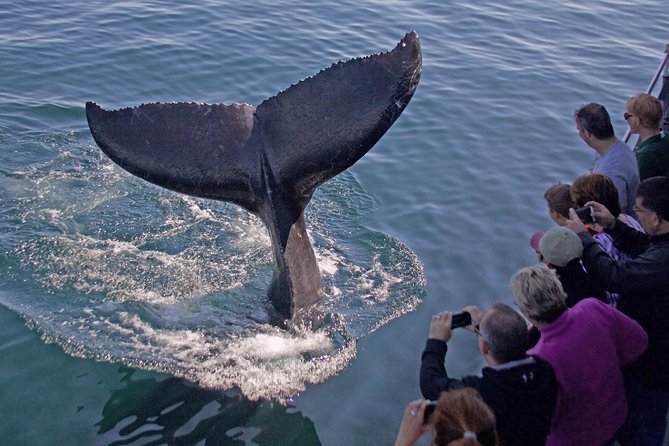
- Stellwagen Bank targeting: The trip is designed around where whales tend to show up, not just a slow cruise and hope.
- Naturalist-guided spotting: You’ll get whale biology and behavior info while you’re still trying to spot spouts.
- More room than you’d expect: Even with up to 150 people, the setup leaves room to shift for sightlines.
- Crew that works the deck: When whales are sighted, the captain maneuvers to get more people good viewing angles.
- Boat comfort for a half-day run: There’s a restroom and galley so you’re not trapped outside the whole time.
- Pick-your-moment weather reality: They operate in weather, but wind and spray can still mean grumpy passengers and soggy cameras.
Stellwagen Bank Marine Sanctuary: why Gloucester whales show up
Gloucester isn’t just a pretty coastal stop—it’s a launching point for a real feeding ground in the North Atlantic. This whale-watch route is set up to reach the waters around Stellwagen Bank Marine Sanctuary, an area that supports a mix of whale species and lots of marine life. What that means for you: you’re not treating whales as a lottery ticket. You’re going where the ecosystem does the work.
The big value here is how the trip is run. The captain and crew actively track what they’re seeing—then position the boat to give you the best odds. In other words, the experience isn’t purely passive. If you like the feeling of being “in the game” while you scan the horizon, this format fits.
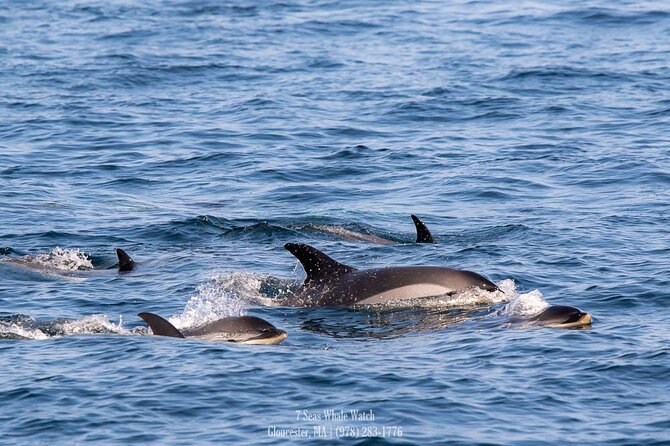
And it’s not just about whales. Expect dolphins sometimes, plus the whole sense of being out on open water in a place that marine life actually uses. When the boat finds animals close to the surface, you get that fast cycle of look-up, point, confirm the spout, and then watch what they do next.
You can also read our reviews of more tours and experiences in Gloucester.
- Whale Watching Trips to Stellwagen Bank Marine Sanctuary. Guaranteed sightings!
★ 5.0 · 2,135 reviews
The 4-hour rhythm: what the cruise time really feels like
This is a 3.5 to 4 hour excursion, so it’s long enough to matter but short enough that you’re not spending your whole day at sea. That time window matters because whales don’t always surface on a schedule you control. A good half-day lets the captain keep working a pattern until something happens.
Boarding begins 30 minutes before departure, and that early window is underrated. You want time to get deck time before the ride and the searching start. Also, if you’re the type who needs to pick a comfortable spot and test your footing on a moving deck, early boarding gives you a buffer.
There’s also a useful emotional cadence to this trip: you learn on the way out, you scan during the “blank ocean” moments, then the mood changes once whales are actually in view. Several people note the best sightings came after the crew got into the whale zone and began working close positioning for viewing and photos. Even when animals are a little elusive, you’re rarely just sitting there—you’re getting guided context while the search continues.
Meeting at 63 Rogers St: getting on board without rushing
You’ll start at 63 Rogers St, Gloucester, MA 01930, and the cruise ends back at the meeting point. Since boarding starts 30 minutes before departure, I’d treat that as a hard deadline, not a suggestion.
Here’s why: late arrivals can ruin your spot, and you won’t want to be scrambling while the captain is ready to leave. Parking and traffic around coastal areas can be unpredictable in peak times, so it’s smart to give yourself extra cushion.
If you’re trying to plan your day around this, keep it simple: build your Gloucester schedule around the departure time, and don’t stack another must-do immediately afterward. Sea air + late return can make you want a meal on land, not a sprint to your next plan.
How the crew boosts your chances of whale sightings
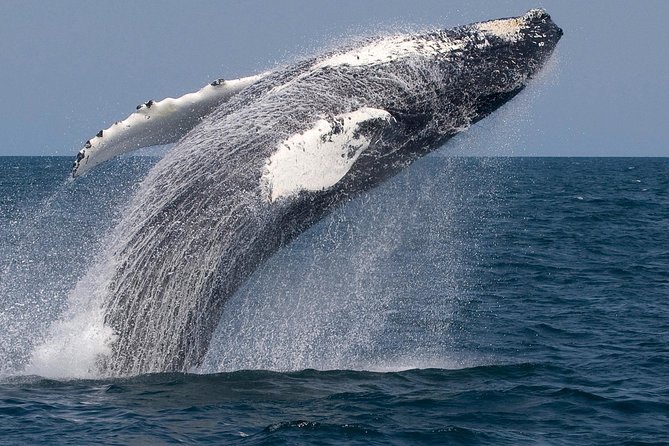
This is sold as a guaranteed-sightings style experience, and the practical side of that promise is how the crew behaves once they’re out there. They keep close tabs on where whales are hanging out and adjust course when animals show up.
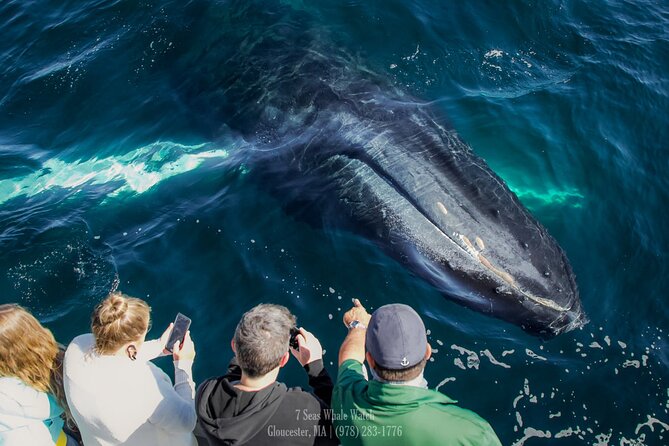
You’ll notice it in the way the boat moves. When whales are spotted, the captain turns and positions so more people can see without everyone crowding one side. That matters because whales can surface quickly, then disappear for a while. If you’re on the wrong angle, you miss the whole moment.
The naturalist role is what turns “I saw a spout” into “I understand what I’m seeing.” People have praised naturalists by name—Cindy and Amanda come up in accounts—with the theme that the explanations are fun, specific, and delivered at the speed of actual whale watching (not a long lecture).
One more nuance worth knowing: whales can be unpredictable. One person’s experience included animals that felt a bit elusive even though the boat kept searching. The upside is that the boat and crew don’t stop at a single sighting—they keep working the area to improve your chance of repeat moments. That’s exactly what you want from a half-day hunt.
Whale watching in real conditions: deck time, wind, and photo reality
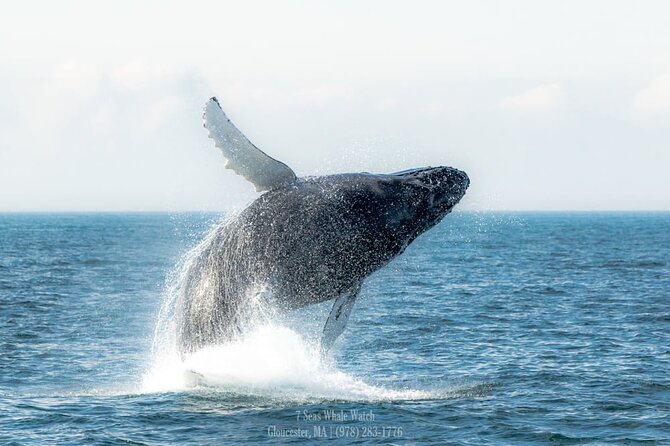
You’ll be out in open air searching for spouts and watching for surface behavior like breaching and tail slaps. That’s the whole point, and it’s also why you need to think like a sea-weather shopper.
Plan for wind and spray. Several people specifically recommend warm layers because it gets chilly once you’re moving and the ocean air hits. If you run cold easily, dress like you’re going for a long walk on the water in shoulder-season weather—even in summer, it can still bite.
For balance, remember: the boat rocks. People noted it can feel harder to walk after exciting sightings because everyone’s attention shifts upward. I’d wear shoes with good grip and keep your camera strap secure.
Photo tip, simple but important: expect you’ll be photographing fast events. Spouts can look like quick bursts; breaching is dramatic but less frequent. If your camera settings are complicated, you’ll waste time. A practiced phone camera (or a simple point-and-shoot) often works better than gear you’re trying to learn on a moving deck.
Boat comfort that helps when you need a break
Even though this is all about being outside, you’ll appreciate indoor options during a half-day. The boat has a restroom and a galley, and people highlight that the space doesn’t feel painfully cramped. With up to 150 travelers, it’s not the kind of situation where everyone is wedged shoulder-to-shoulder for the entire ride.
That comfort matters because whale watching has two moods: focus outdoors and recovery indoors. If the wind is harsh or you start feeling queasy, you can step inside without giving up the trip.
There’s also a drinks-and-snacks reality to manage. Alcoholic drinks aren’t included (available to purchase), and food and drinks are also available for purchase. If you like having control over your snack timing, consider bringing your own snacks—just keep in mind what’s allowed by the operator day-of, since the provided info says food and drinks are available for purchase but does not state bring-your-own rules.
Price and value: what $45 really covers
The ticket price is $45.00 per person, and there’s also a $5.00 fuel surcharge. So your effective cost is higher than the headline number. Still, I think the value works for many people because you’re paying for three things that cost money: a real captain search effort, onboard naturalist interpretation, and the open-ocean time.
The boat itself is part of the value. You’re not on a tiny craft that feels unsafe or cramped. People note the boat doesn’t get as overcrowded as you might expect, which matters for viewing quality.
Also, you’re getting a time-efficient outing. A 3.5–4 hour adventure is manageable for families on vacation and for couples who don’t want a full day lost to weather swings.
Who this whale watch is best for (and who should think twice)
This cruise is a strong match if you want a guided, educational whale watch rather than a silent sightseeing cruise. The onboard naturalist component is a real plus, especially if you’re bringing kids or anyone who likes learning what they’re seeing.
It also works well for first-timers because the crew explains what to look for while you’re actively scanning. If you’re a photog, it’s also a good fit since the captain actively repositions for better viewing angles.
The main “think twice” group is anyone who gets motion sick easily. The rocking can be enough that some people feel unwell. If you’re on that list, plan ahead with Dramamine or whatever your doctor recommends, and consider choosing a spot you can tolerate most comfortably.
If you’re traveling with elders who struggle with balance, it’s worth paying attention to how your group handles uneven deck footing. A half-day is short, but the ocean can still be a slip hazard.
Timing and planning: mid-April through mid-October and booking early
This season runs from mid-April to mid-October. If you’re traveling during that window, this is exactly the kind of activity that fills up on good-weather days.
The trip also tends to be booked in advance—on average 23 days ahead—so you don’t want to wait until the last minute if your dates include weekends or prime weather. The more certainty you lock in, the less you’ll deal with the stress of last-minute “maybe the weather will behave” planning.
One more operational note: the experience operates in all weather conditions, but if conditions are poor enough, it can be canceled and you may be offered another date or a refund. In plain terms: check the morning of your sailing, because the ocean has its own schedule.
If you should book: my take on the decision
I’d book this whale watch if you want the best chance of seeing whales without turning it into a whole-day planning project. The combination of targeted waters, active captain maneuvering, and an onboard naturalist makes it feel like a guided hunt, not a casual boat ride.
I’d hesitate if you’re very sensitive to motion or you hate cold wind. It can be manageable with proper layers, but the deck experience is still real. Also, if you need a very predictable, calm outing, the open-water variable is unavoidable.
If you’re flexible, though, this is an easy “yes” for a Gloucester day. You’re paying for the exact thing you came for—time in the whale zone with people who know how to find and interpret what you’re seeing.
FAQ
How long is the whale watching trip?
The excursion runs about 3.5 to 4 hours.
Where does the tour start and end?
It starts at 63 Rogers St, Gloucester, MA 01930, and ends back at the same meeting point.
What is the total cost including the fuel surcharge?
The listed price is $45.00, plus a $5.00 fuel surcharge per person (so you’ll pay $50 total per person based on the info provided).
What’s included on board?
You get the 3.5 to 4 hour excursion plus a naturalist onboard. Boarding begins 30 minutes prior to departure.
Are food and drinks included?
Alcoholic drinks are available to purchase, and food and drinks are also available to purchase. They are not included in the ticket price.
Does the boat have restroom and indoor space?
Yes. The boat is described as having a restroom and a galley.
Does it operate in bad weather?
It operates in all weather conditions, and the operator notes that if the activity is canceled due to poor weather, you’ll be offered a different date or a full refund.
Are service animals allowed?
Yes. Service animals are allowed.
You Might Also Enjoy
More Tour Reviews in Gloucester
Not for you? Here's more nearby things to do in Gloucester we have reviewed
- Whale Watching Trips to Stellwagen Bank Marine Sanctuary. Guaranteed sightings!
★ 5.0 · 2,135 reviews