REVIEW · LOS CABOS
Whale Watching Tour in Los Cabos
Book on Viator →Operated by La Princesa Sailing Catamarans · Bookable on Viator
Two hours, and Cabo starts humming with whales.
This trip is interesting because it mixes a classic Cabo photo moment with a straight-up wildlife hunt in open water. You cruise out from the Cabo San Lucas marina area on La Princesa Sailing Catamarans, then scan for whales around the bay and toward the Pacific.
I like two things a lot: first, the timing is tight and practical. It’s about 2 hours (9:00 to 11:00), so you’re not losing half a day. Second, the boat ride comes with real comfort perks—coffee/tea, soda, bottled water, and snacks to keep you going while you watch spouts and tail flips.
One thing to think about: whale sightings are never fully controllable. Even with experienced crew work, the ocean decides what shows up, and you should also plan to arrive early so you don’t get stuck on meeting-spot stress.
In This Review
- Key takeaways before you go
- La Princesa Catamarans: the boat, the pace, and the group vibe
- 9:00 to 11:00: why the morning schedule works for whale watching
- Starting at the Cabo San Lucas marina and finding El Arco fast
- El Arco photos then straight into whale country
- Scanning the bay and Pacific edge: what “respectful viewing” should look like
- The best part for many people: snacks, coffee, and drinks on deck
- Crew help you’ll actually feel: finding whales and taking photos
- Comfort on the water: shade, room to move, and sea-sickness reality
- Wildlife beyond whales: dolphins, sea lions, and seabirds
- Who should book this whale tour in Los Cabos
- Price and value at $60: what you’re really paying for
- Practical tips for cruise days and marina arrival
- So, should you book La Princesa whale watching?
- FAQ
- What time does the whale watching tour run in this season?
- How long is the tour?
- Is the tour in English?
- What’s included on the boat?
- Are there any extra costs?
- Where do I meet, and do you pick me up from my hotel?
- Can children join?
- How many people are on the tour?
- What if it’s bad weather or my cruise is late?
Key takeaways before you go
- Short, photo-and-whales format: quick stop for shots at El Arco, then out to hunt for whales.
- Small group feel: capped at 20 travelers, and many trips run without that crowded-boat vibe.
- Food and drinks included: water, snacks, coffee/tea, soda, plus (on many departures) breakfast and later snacks/burritos.
- Crew guidance matters: captains/crew often help you spot whales and find the best viewing angles without turning it into a chase scene.
- Good odds for more wildlife than just whales: sea lions, dolphins, and lots of birds can show up during the ride.
La Princesa Catamarans: the boat, the pace, and the group vibe
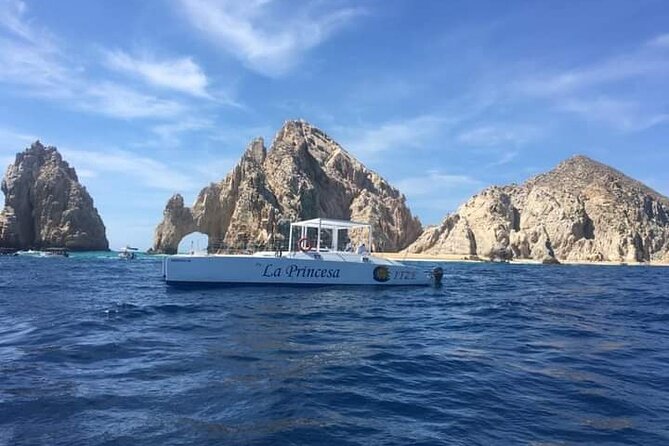
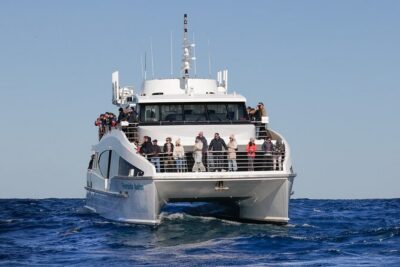
This is a catamaran-style whale watch, and that shape matters. Catamarans tend to feel steadier than you might expect, so it’s a good pick if you want ocean time without feeling beat up by waves.
The group size cap is 20, and that usually translates to elbow room. I’d especially like this setup for families and first-timers who want a real viewing experience—sitting, standing, walking to different angles—without constant shoulder-checking.
The trip is also built around a simple morning pace. You start at 9:00 AM, you’re back around 11:00 AM, and you still have the rest of the day for the beach, a quick museum stop, or lunch in town.
9:00 to 11:00: why the morning schedule works for whale watching
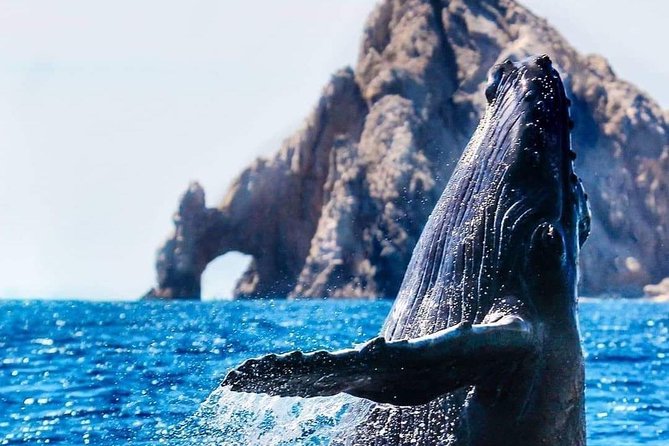
Whale watching in Cabo tends to be easiest earlier in the day. You get out before the sun gets too high and before the water conditions get busy with bigger crowds.
This tour runs daily during the whale season windows listed for La Princesa, with departure hours shown as 9:00 AM to 11:00 AM across the winter-to-spring period. So if you’re planning around December through March, you’re usually in the right stretch of time to catch the routine.
Also, an early start pairs nicely with Cabo reality. Many people are doing other excursions later, so you avoid stacking everything into one chaotic afternoon.
Starting at the Cabo San Lucas marina and finding El Arco fast
Your departure point is in the Cabo San Lucas marina area, which is convenient. It’s described as being near public transportation, but you’ll still want to give yourself extra time to park, walk, or re-check directions.
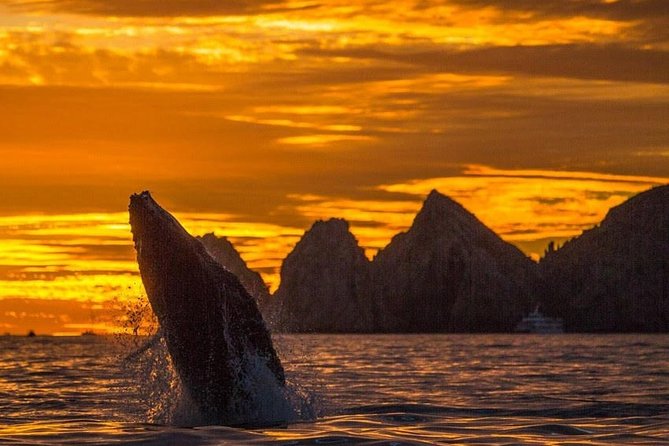
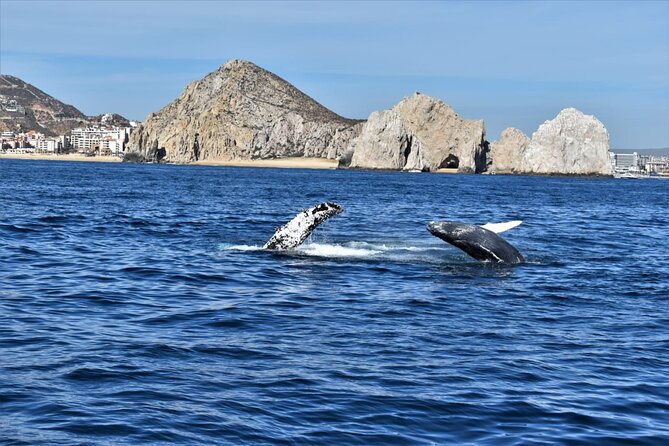
Right after you get underway, you make a short stop at El Arco for photos. This is the moment most people remember—boats, rock formations, and that unmistakable Cabo skyline. It’s quick, so don’t assume you’ll have unlimited time to shoot from every angle.
Practical note: if you’re coming by cruise ship, treat timing like a serious sport. One passenger mentioned a time zone difference nearly caused a missed boarding, so double-check the time on your phone against Cabo time and show up early enough to breathe.
El Arco photos then straight into whale country
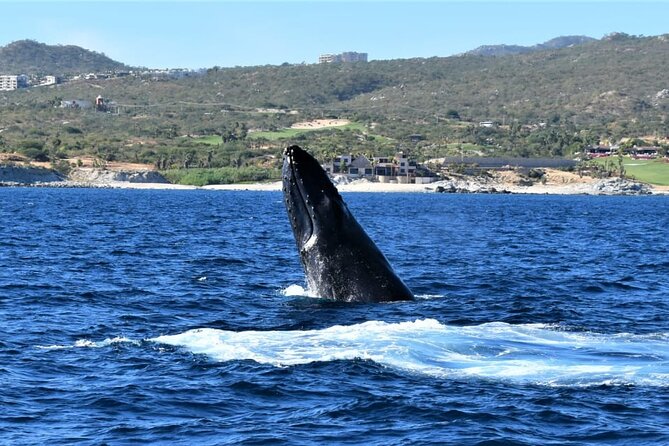
After El Arco, the route shifts into actual whale-watching territory. The plan is to cruise around the bay of Cabo San Lucas and out toward the Pacific, then look for whales in their natural habitat.
This is where the “search” part matters. In open water, the crew has to track whale behavior—where you see blowing, how pods move, and what the water looks like at different distances. Your best chance usually comes from staying flexible and watching from multiple spots on the boat as the crew navigates.
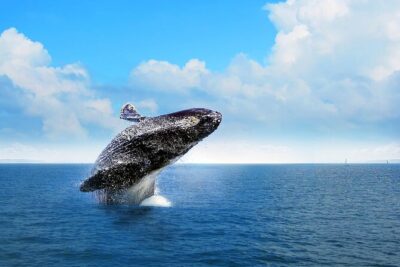
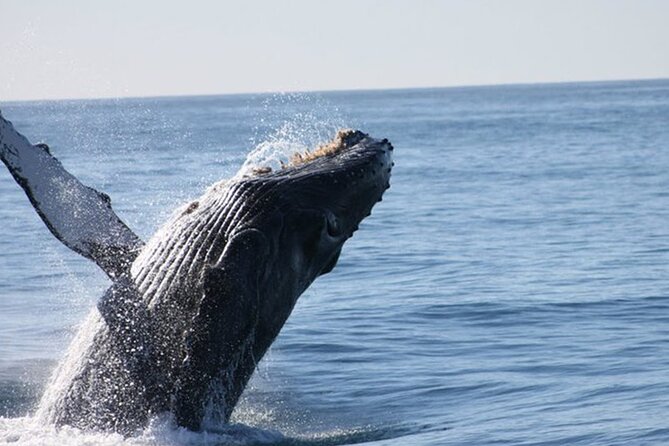
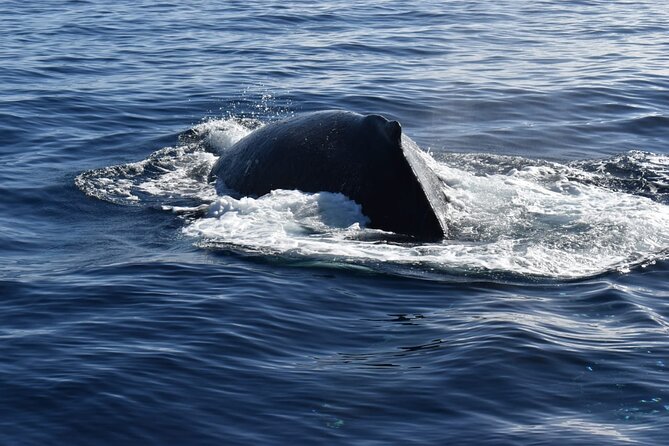
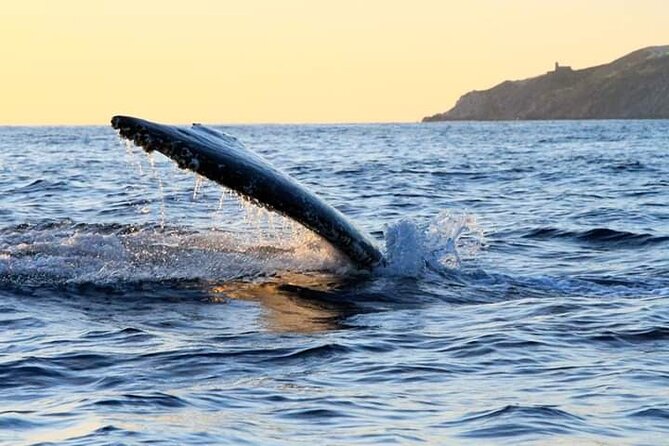
What you might see: the most consistently mentioned whales are humpback whales, including moments with mothers and calves. Some departures have also reported gray whales with calves, plus the occasional tail splash or breach from juveniles. None of that is guaranteed, but the sightings range is real.
Scanning the bay and Pacific edge: what “respectful viewing” should look like
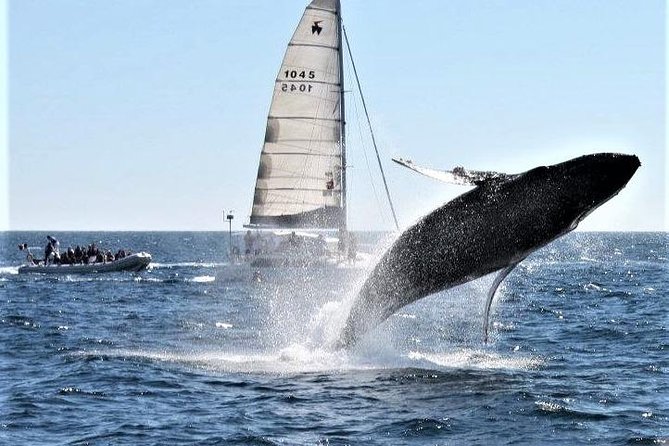
Your main goal on a whale watch isn’t to force the whales into your story. It’s to observe from a distance and let the animals keep doing whale things.
From the strong positive feedback, the better departures keep boats at a respectful distance and avoid the constant “chasing” behavior you sometimes hear about in marine tourism. Several people specifically called out that other boats nearby were not hovering aggressively.
Still, it’s worth acknowledging one downside that popped up in the feedback: one complaint described too many boats crowding one whale. That doesn’t mean every trip is like that, but it does remind you that whale watching is shared water. You can control your boat’s behavior; you can’t control how many other boats the whales attract.
The best part for many people: snacks, coffee, and drinks on deck
At $60 for a 2-hour outing, the value is partly in what’s included. You get bottled water, snacks, coffee and/or tea, and soda/pop, which means you’re not rationing cash just to enjoy the ride.
On multiple departures, the boat experience goes beyond “snacks.” People described breakfast items like burritos and pastries, with later burritos and even a final toast of tequila (depending on the day and what’s offered). Even if you’re not sure you’ll get the same exact menu, the important bit is that the boat isn’t dry and boring.
This matters on a boat. When you’re scanning the horizon for spouts, being comfortable makes the watching easier. Warm coffee, cold water, and quick bites help you stay focused instead of hungry and distracted.
Crew help you’ll actually feel: finding whales and taking photos
The crew’s job is twofold: navigate and interpret. Several people praised captains for knowing where to go and providing information in two languages without over-talking.
Names that came up in the feedback include David (for being very accommodating and helping with photos/video) and Captain Arturo (for informative guidance and great whale-finding skills). If either of those names show up in your specific departure details, you’re likely in good hands.
On a practical level, photo help is a big deal. You’re often standing in a moving place, and the angle changes fast. A crew member who clocks when whales surface and moves you into the right spot can mean the difference between blurry footage and the shot you’ll keep.
Comfort on the water: shade, room to move, and sea-sickness reality
A catamaran trip can be smoother than people expect, and several departures described the ride as calm and with plenty of room. You’ll typically find different seating areas, including places that feel shaded, which is helpful in the bright Cabo sun.
As for getting wet: some people reported only light splashes up to ankles, not constant soaking. So if you’re packing, a light towel or quick-dry shirt is still smart, but you don’t need to assume you’ll be drenched.
If you’re prone to motion sickness, plan as you normally would for any boat excursion. The data here doesn’t claim a sickness-free guarantee, but it does suggest a relatively comfortable ride.
Wildlife beyond whales: dolphins, sea lions, and seabirds
Even when whales don’t show as long as you want, Cabo waters often deliver other extras. Multiple departures reported dolphins and sea lions, plus lots of birds—pelicans were specifically mentioned.
This is one reason a whale watch can still feel like a win. You’re not just staring at water waiting for one blow. Birds and dolphins can keep the trip lively while the crew searches.
Who should book this whale tour in Los Cabos
This tour fits best if you want a short, efficient whale-watching window with included drinks and snacks. It’s also a solid choice for families and groups who want low-key service and enough space to move around.
I’d also recommend it if you’re a first-timer. Two hours is a friendly time frame, and the El Arco stop makes it feel like a complete Cabo morning, even if the whale action is brief.
What might not be ideal: if you’re extremely sensitive to marine-tourism behavior and crowded viewing, you should know that you can’t fully control how many other boats gather around active whales in the area. In that case, you might want to compare options that emphasize smaller boats and strict distance rules—this tour aims for respectful viewing, but shared water is shared water.
Price and value at $60: what you’re really paying for
$60 for about two hours can feel like a bargain in Cabo when you compare it to tours that charge extra just to keep you fed. Here, you’re not paying separately for basic comforts: water, snacks, coffee/tea, and soda/pop are included.
If you end up getting extra food like burritos and pastries on your departure, the value jumps further. Several people highlighted the food quality and the fact that the ride stayed comfortable without a “nickel and dime” feel.
The main trade-off is that you’re paying for a shorter outing. If you want an all-day deep search with a bigger chance of multiple whale encounters, you’d need a longer tour. For many people, though, this timing is exactly right.
Practical tips for cruise days and marina arrival
If you’re arriving by cruise ship, plan extra buffer time. One person nearly missed boarding because of time zone confusion between ship time and Cabo time.
Also, take the meeting point seriously. One negative experience described trouble finding the location and disputed how long staff would wait. That doesn’t mean you’ll face the same problem, but it’s a reminder to arrive early and have your booking info ready on your phone (you’ll receive a mobile ticket).
For anyone staying in Cabo but not doing a hotel pickup: hotel pickup and drop-off aren’t included. You’ll need to handle your own route to the marina, which is easy enough if you’re mobile and using local transport or a taxi/Uber-style ride.
So, should you book La Princesa whale watching?
Book it if you want a 2-hour Cabo morning that mixes a famous photo stop with real wildlife time—and you value included snacks and drinks. The small group cap and the smooth, relaxed vibe are a big part of why people feel satisfied.
Skip it or rethink it if you’re chasing a guaranteed whale sighting or you get stressed by the idea of other boats gathering around whales. Nature controls the show, and shared waters can sometimes get busy.
If you do book: arrive early, bring sun protection, and don’t lock your expectations onto one single whale moment. Give the crew the freedom to do the search, and you’ll usually get a memorable mix of wildlife and Cabo scenery.
FAQ
What time does the whale watching tour run in this season?
The tour runs from 9:00 AM to 11:00 AM daily during the seasonal dates shown: 12/15/2025 to 03/31/2026 and 12/15/2026 to 03/31/2027.
How long is the tour?
It’s about 2 hours.
Is the tour in English?
Yes, it’s offered in English.
What’s included on the boat?
You’ll have bottled water, snacks, coffee and/or tea, and soda/pop, plus a local guide on board.
Are there any extra costs?
Souvenir photos are available to purchase, but they’re not included. Everything else listed as included covers the basics on the water.
Where do I meet, and do you pick me up from my hotel?
The tour meets in Los Cabos, ending back at the meeting point. Hotel pickup and drop-off are not included.
Can children join?
Yes, but children must be accompanied by an adult.
How many people are on the tour?
The maximum group size is 20 travelers.
What if it’s bad weather or my cruise is late?
This experience requires good weather. If it’s canceled due to poor weather, you’ll be offered a different date or a full refund. If you miss the tour because of late or non-arrival of your cruise ship, refunds aren’t issued.