REVIEW · NILAVELI
Trincomalee: Dolphin & Whale Watching Boat Tour
Book on GetYourGuide →Operated by PIGEON ISLAND TOURS PVT LTD · Bookable on GetYourGuide
The Indian Ocean off Trincomalee can turn on a show fast. This is an early-morning boat trip from Nilaveli Beach built around spotting dolphins first, then checking deeper waters for whales like blue and sperm whales.
Two things I really like: you get a guided, nature-first approach (captain briefing plus hands-on animal spotting), and the trip is short enough that it feels like a real adventure, not a half-day slog. One drawback to plan for: whales are not guaranteed, and some days can be dolphin-heavy instead.
In This Review
- Quick hits before you go
- Trincomalee whale watching starts with a very early Nilaveli departure
- The boat setup: comfort, life jackets, and what safety really looks like
- Dolphins first: the part you can actually plan your day around
- Blue whales and sperm whales: why sightings vary so much
- Other sea life: turtles, flying fish, and possible pilot whales
- Photo and video tips for a moving boat (so you don’t miss everything)
- The run time: what “2–2.5 hours at sea” feels like in practice
- Value and price: is about $40 per person a good deal?
- Who should book this Trincomalee dolphin and whale tour?
- Should you book this tour or skip it?
- FAQ
- What time does the Trincomalee dolphin and whale watching tour leave?
- Where is the meeting point?
- How long is the tour?
- What’s included in the price?
- Can I get hotel pickup or transfer?
- Is a whale sighting guaranteed?
- Can I swim or smoke during the tour?
Quick hits before you go
- Departing around 5:30–5:45 AM gives you your best shot at calmer water and better sightings.
- You’ll ride with life jackets provided and safety gear on board, so it’s not just thrill-seeking.
- Expect spinner dolphins and other marine life in addition to the big whale search.
- A 2–2.5 hour time window means the action is concentrated, with a return to Nilaveli Beach the same morning.
- Pricing is about $40 per person, with bottled water included, while hotel transfers usually cost extra.
Trincomalee whale watching starts with a very early Nilaveli departure
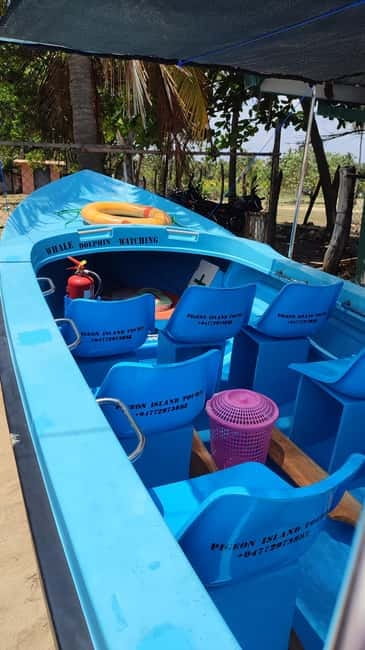
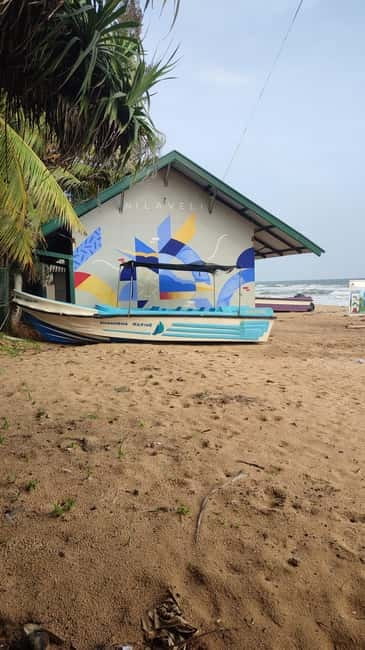
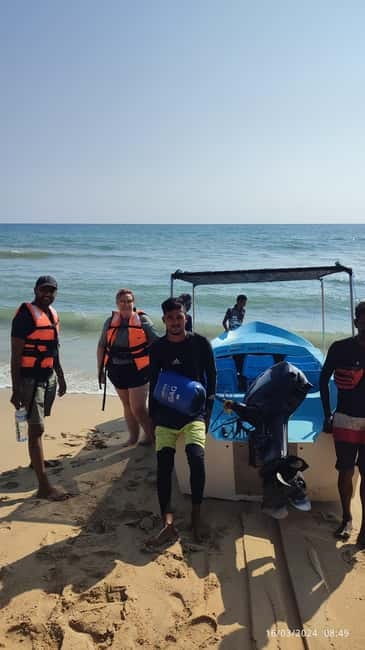
This tour runs from Nilaveli Beach on the east coast, and the timing is part of the whole experience. Boats typically leave between 5:30 AM and 5:45 AM, and you’re best off arriving about 15 minutes early so you don’t feel rushed when you meet your captain and get briefed.
Morning matters here. The sea tends to be more manageable, and animals often show more activity earlier in the day. Even if you’re not chasing whales, that sunrise light over the water is a bonus. It turns a simple boat ride into a full-on wildlife morning.
The duration is listed as about 2 hours, but you should plan for roughly 2.5 hours on the water depending on sea conditions and what the crew is spotting that day. If you hate uncertainty, keep that in mind: this is nature, not a theme park.
The boat setup: comfort, life jackets, and what safety really looks like
You’ll board a boat at Nilaveli and get a short briefing from your captain. You’re provided with a seat with a life jacket and basic safety equipment, and you’ll be expected to wear the life jacket during the tour.
What you should do with that information: treat this as a proper outing. That means dressing for sea wind, not just tropical heat. Even in the morning, it can get breezy on the water, so a light jacket can be a smart move.
Also note what’s not allowed: no swimming and no smoking. That’s normal for wildlife-focused boat trips, and it helps keep the experience focused on viewing rather than risky behavior around the animals.
Bottled water is included (a 500ml bottle), which helps on a morning start. Some departures may also include extra refreshments at the end, but don’t count on it—use the included water as your baseline.
Dolphins first: the part you can actually plan your day around
This trip is built around the real crowd-pleaser: dolphins. As the boat heads out, you’re looking for dolphins that can approach the boat area—spinning, leaping, and riding through the waves. Even on days when whales don’t show, dolphin sightings are commonly the highlight.
Here’s what to do to maximize your odds:
- Bring binoculars if you have them. The boat moves, and tiny blows and quick surfacing are easier to track with magnification.
- Use a camera with quick burst mode if you’re shooting action. Dolphins can change behavior fast.
- If you feel motion sickness coming on, take your medication ahead of time. You can’t always control how the sea behaves.
One more practical detail: keep your expectations flexible about the exact moment dolphins show up. You might see plenty, or you might see them in shorter bursts. The experience is still worth it if you’re in a good headspace for wildlife viewing.
Blue whales and sperm whales: why sightings vary so much
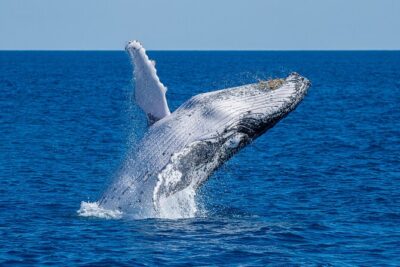
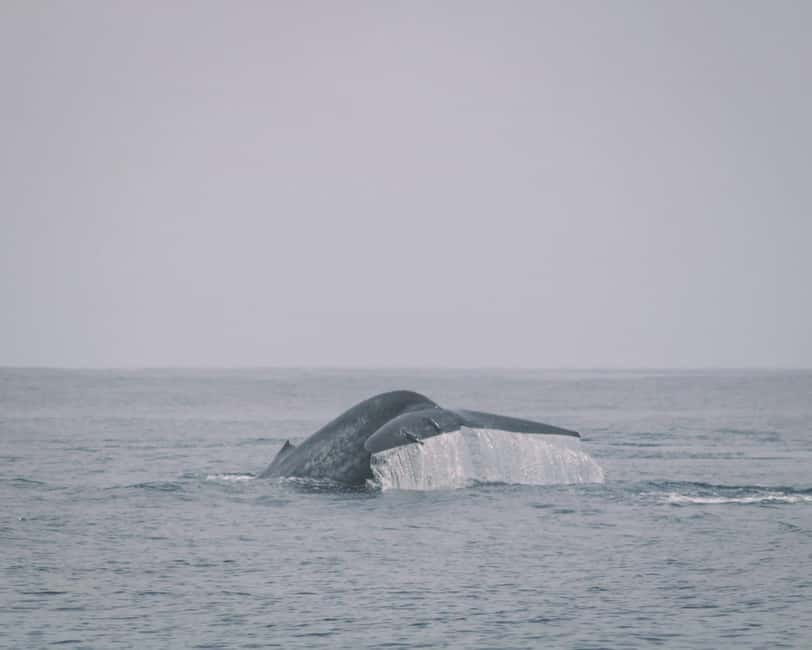
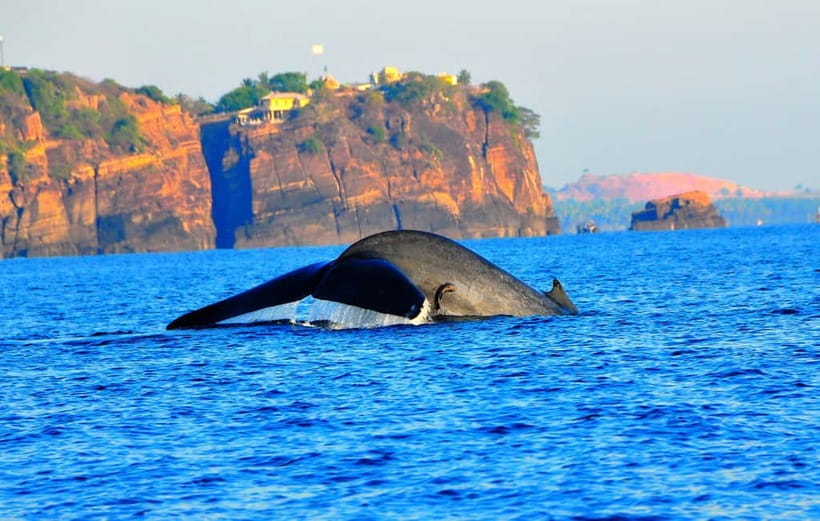
Let’s talk about the big-ticket animals: blue whales and sperm whales. The tour is designed to look for them, and the crew shares facts about these animals and the ocean ecosystem as you go.
But here’s the honest travel reality: whale sightings can’t be guaranteed. Even when the chance is strong, the ocean decides what you get that day.
Season matters. The best chance is listed as March–August. If you’re traveling outside that window, you should treat whales as a bonus rather than a promise.
You’ll also want to understand the difference between:
- A boat that truly searches and stays respectful, versus
- A boat scene where many vessels converge quickly.
Some reports point to crowded chasing behavior by multiple boats, and that can reduce the likelihood of clean, close encounters. It can also make the water feel more chaotic than you want. If whales are your main goal, choose the tour with a reputation for being respectful and not constantly driving straight through pods.
Other sea life: turtles, flying fish, and possible pilot whales
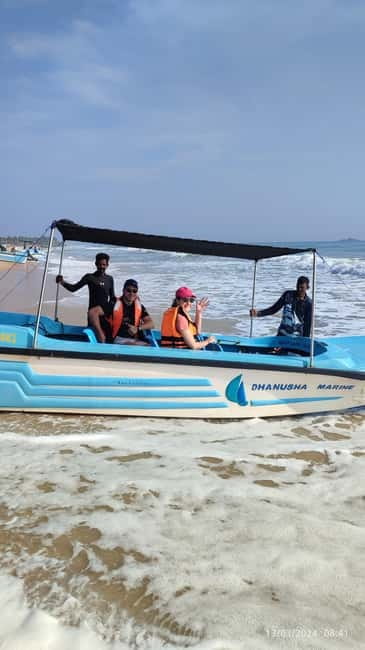
Even when the focus is whales and dolphins, this area can turn up other marine life. Depending on the day, you may spot flying fish (which can look like little flashes breaking the water surface), sea turtles, and sometimes pilot whales.
This is another reason the early start and the short time at sea help. You’re not stuck out there for a full day without variety. You’re scanning, watching behavior, and grabbing opportunities as they appear.
The “depending on the day” part is important. Wildlife doesn’t follow schedules. The value is in how quickly you can get meaningful sightings once the ecosystem is active.
Photo and video tips for a moving boat (so you don’t miss everything)
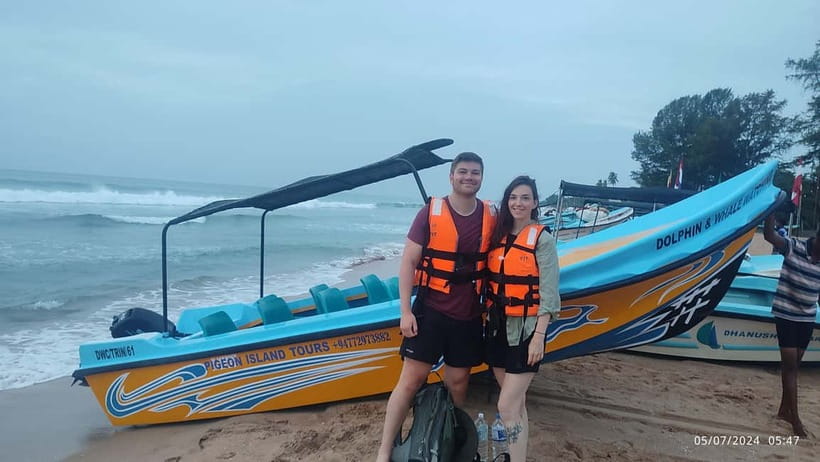
On a boat, your gear matters—but so does timing.
- If you’re filming, keep your aim slightly ahead of where the animal is surfacing. Dolphins and whales can change position fast.
- Shoot with a shutter speed suited for motion. Otherwise, you get nice ocean waves and blurry animals.
- Don’t forget your basics: sunglasses, sunscreen, and a hat if you burn easily. Morning sun reflects off water and can sneak up on you.
Also, plan for wind. A camera strap and a secure phone grip help more than you’d expect. When the boat turns, you’ll feel the spray.
Finally, remember the ethical rule: don’t crowd the edge of the boat if conditions get rough. You’re there to watch, not to put yourself in the risky spots.
The run time: what “2–2.5 hours at sea” feels like in practice
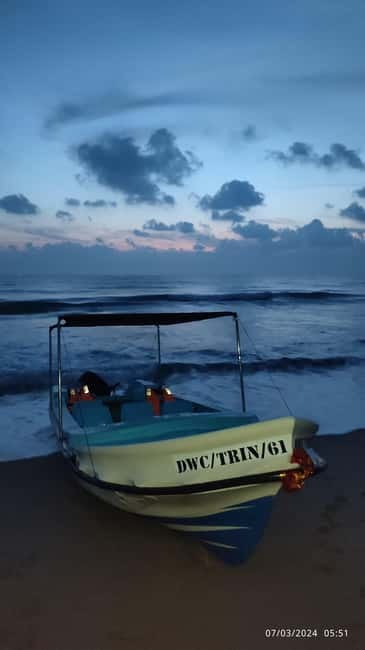
You’ll be out early and back the same morning, returning to Nilaveli Beach after around 2 and a half hours (often described as dependent on conditions and sightings).
What can vary is how long the boat takes to reach where the crew is searching. Some reports describe a longer run toward the spot, around 45 minutes, before animals show up. That doesn’t automatically mean it’s bad; it can be normal ocean searching. Still, it’s good to know so you don’t interpret the waiting time as a problem.
If you get sea sick easily, plan for it. This is open water, and the boat is moving. The tour guidance specifically recommends bringing seasickness medication if you’re prone to it.
Value and price: is about $40 per person a good deal?
At $40 per person, this sits in the mid-range for Sri Lanka wildlife boat tours, but the value depends on what you care about.
What you reliably get:
- Boat seating with a life jacket
- 500ml bottled water
- A guide/captain who helps you find animals and talks about the ecosystem
What may be added (not guaranteed by the core inclusions):
- Some departures include a breakfast bag at the beach afterward. One account mentions items like yellow rolled pancakes, plus water and juice after the tour.
What’s not included:
- Hotel pickup/drop-off (but transfers may be arranged for an extra charge, depending on distance)
So here’s the fair way to judge it: if dolphins are high on your wish list, the odds are strong. If whales are your must-see, your best move is to travel in March–August and keep expectations flexible.
Also, factor in location logistics. Nilaveli is the staging area, so if your hotel is elsewhere, you’ll want to plan how you’ll get to the beach early.
Who should book this Trincomalee dolphin and whale tour?
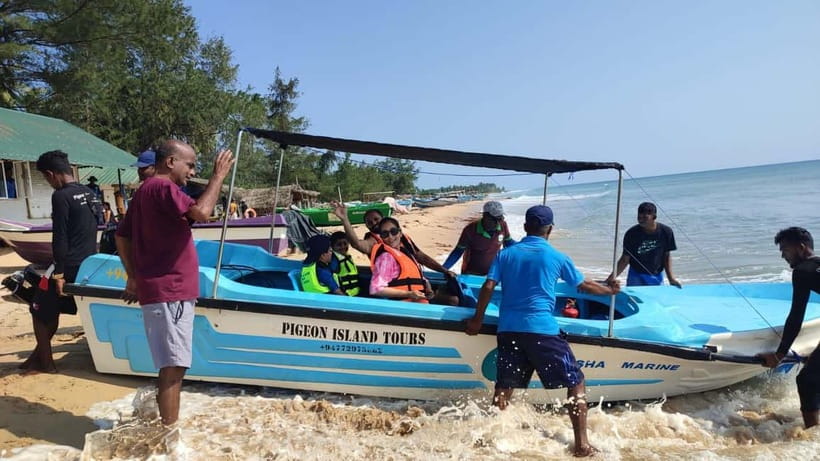
This is a good fit if you’re:
- Comfortable spending time outdoors in sea wind
- Traveling in the right season (March–August gives better chances for whales)
- Interested in marine wildlife viewing, not just speed thrills
It’s suitable for children over 5 years old, as long as they’re with an adult.
It’s not a good idea if you:
- Are pregnant
- Have serious back or mobility issues
- Have heart problems
- Are over 70
- Want to swim (you can’t)
If you’re traveling with any of those conditions, skip this boat trip and choose a different type of wildlife experience where safety and comfort are easier to control.
Should you book this tour or skip it?
Book it if you want a short, early-morning wildlife adventure from Nilaveli Beach and dolphins are a must. The modern boat + life jacket + guided search combo makes it feel solid, and the chances for dolphin action are usually the thing that keeps people happy even when whales don’t show.
Consider booking with more caution if:
- Blue whales and sperm whales are the only acceptable outcome.
- You’re sensitive to motion or you dislike uncertainty about sightings.
- You’re worried about boat crowding and chase behavior. (Ask how the crew approaches pods and how they keep distance.)
If you go in with the right expectations, this is a very memorable way to experience Sri Lanka’s east-coast marine life.
FAQ
What time does the Trincomalee dolphin and whale watching tour leave?
It departs early morning, typically between 5:30 AM and 5:45 AM. Arrive about 15 minutes before departure.
Where is the meeting point?
The meeting point is Nilaveli Beach. Exact meeting details are provided after booking.
How long is the tour?
The experience runs for about 2 hours, but plan on around 2 and a half hours on the water depending on sea conditions and what wildlife is active.
What’s included in the price?
You get a boat seat with a life jacket and 500ml bottled drinking water. Hotel pickup and drop-off are not included.
Can I get hotel pickup or transfer?
Hotel pickup/drop-off is not included, but transfers can be arranged for an extra charge depending on your distance. You’ll need to coordinate this with the operator.
Is a whale sighting guaranteed?
No. Dolphins and whales cannot be guaranteed, though the chances are described as high in season (March–August).
Can I swim or smoke during the tour?
Smoking is not allowed, and swimming is not allowed during the tour.
If you’d like, tell me your travel month and whether you’re prioritizing whales or dolphins, and I’ll help you decide the best way to plan the morning around this trip.