REVIEW · TENERIFE
Costa Adeje | Cetacean sighting in Tenerife South
Book on Viator →Operated by Atlantic Eco Experience · Bookable on Viator
Whales sound better when you can hear them. This Costa Adeje cetacean cruise keeps the boat quiet, uses a hydrophone, and runs on a small scale so you can actually watch and listen.
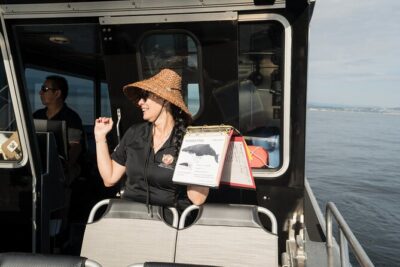
I like that it caps the group at ten passengers on the boat Papacho 2, not a floating bus. I also like the on-board science: biologist David shares what animals do and why it matters for conservation.
One thing to plan for: motion sickness. If you’re sensitive in choppy water, take precautions early, because the timing is fixed and the cruise stays out long enough to feel real ocean waves.
In This Review
- Key highlights at a glance
- Costa Adeje whale watching with a small-boat feel (not the cruise-ship crowd)
- The hydrophone and engine-off rule: what you’ll notice beyond spotting whales
- What cetaceans (and sea life) you may see on Tenerife’s south coast
- How the biologist’s conservation focus changes your viewing habits
- Timing, the route feel, and what the 2.5 hours is like onboard
- Price and value: is $71.35 fair for a small-group eco cruise?
- Who should book this Tenerife cetacean sighting cruise
- My take: should you book Atlantic Eco Experience from Costa Adeje?
- FAQ
- Where is the meeting point for the tour?
- How long does the Costa Adeje cetacean sighting cruise take?
- What’s the maximum group size?
- What marine animals can you look for?
- What is the hydrophone for?
- Is the tour offered in English?
- What language will the biologist guide use?
- Is this tour suitable for reduced mobility?
- Do I get a mobile ticket?
- What’s the cancellation and weather policy?
Key highlights at a glance
- Small group on Papacho 2: maximum ten passengers for closer viewing and less chaos
- Engines off during sightings: less disturbance while you watch pods surface and travel
- Hydrophone for whalesong: listen to calls used for communication and hunting
- More than whales: chances include dolphins, porpoises, plus sea turtles and seabirds
- Family-level context: the crew uses identification work to help you understand which group you’re seeing
Costa Adeje whale watching with a small-boat feel (not the cruise-ship crowd)
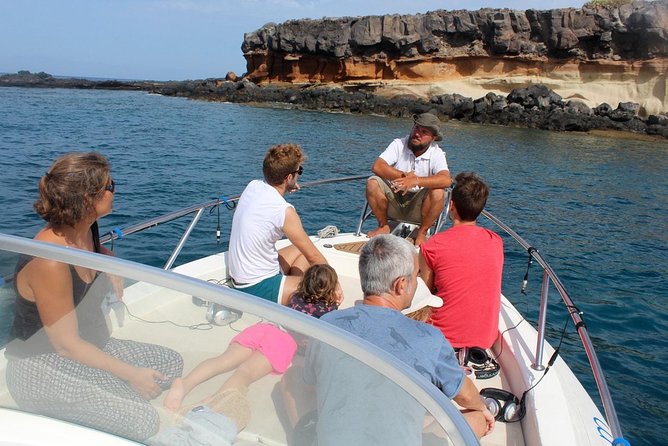
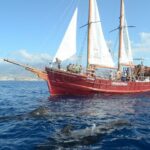
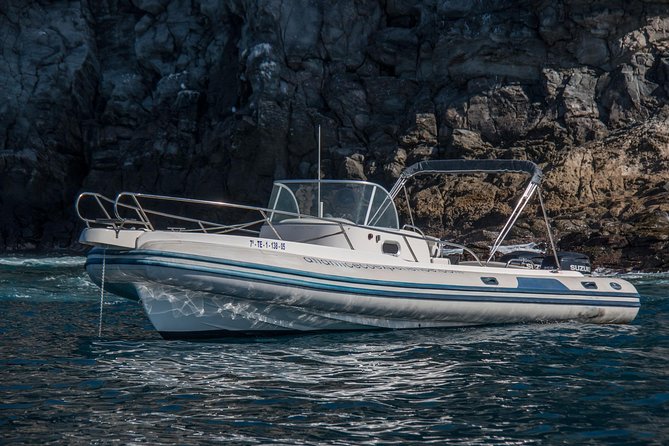
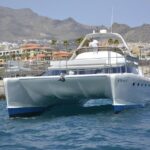
This is Tenerife whale watching built for people who want the ocean to feel like the ocean. You meet in Costa Adeje at Av. de Colón, 4 (the activity ends back at the same meeting point). From there, you head out on Papacho 2, with a maximum of ten passengers.
That small headcount matters more than it sounds. With fewer people onboard, you’re not constantly shifting your position or competing for sightlines. It also makes it easier for the biologist to stop and explain what you’re seeing right then—rather than giving a speech while everyone’s already craning over the railing.
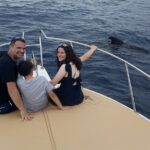
The vibe is practical and calm. A bunch of people come with kids or mixed ages, and the structure still works because there’s time to actually watch behavior: surfacing patterns, how pods move, and how other wildlife shows up around the same stretch of sea.
If you like your excursions social but not loud, this fits. If you want a party atmosphere, this won’t be your cup of rum—your focus is wildlife and the work of conservation.
You can also read our reviews of more tours and experiences in Tenerife.
The hydrophone and engine-off rule: what you’ll notice beyond spotting whales
Most whale watching is mostly visual. This one adds a second sense.
During the cetacean sightings, the boat’s engines are switched off to reduce disturbance. Then the crew launches a hydrophone so you can listen to sounds the animals use to communicate or to hunt. That’s a big deal because it changes your experience from spotting to understanding. You start to match what you hear with what you see—surfacing, milling, and movement that feels coordinated, even before you know the species.
In plain terms: when engines are running, sound gets masked by machinery. With the engines off, the ocean’s own noise floor drops. That’s when the crew can pick up the kinds of vocalizations you’re there to hear.
You’ll also notice how the guide frames the sounds. You’re not just told that whales communicate—you’re given reasons why their calls matter for navigation, bonding, and hunting. The hydrophone becomes part of the lesson, not just a gimmick.
If you’re the type who likes audio in museums or nature spots, you’ll get extra enjoyment here. It’s the rare tour where listening is a core activity.
What cetaceans (and sea life) you may see on Tenerife’s south coast
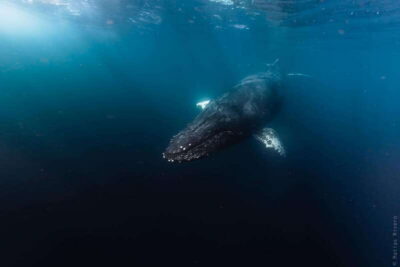
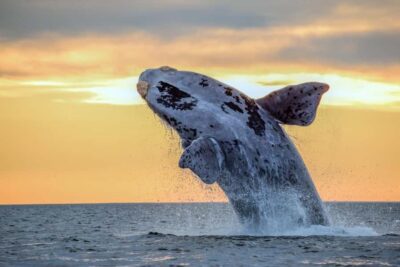
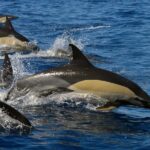
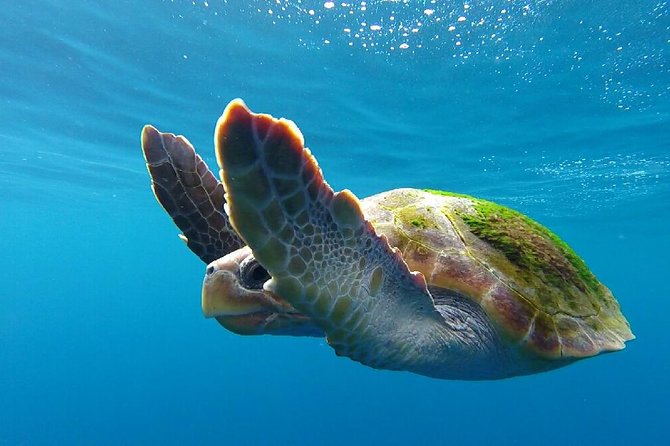
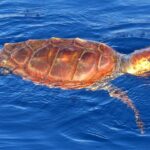
This cruise is set up around cetaceans first. The most common targets are whales, dolphins, and porpoises, and the route also allows for sea turtles and seabirds when conditions bring them into view.
What you can realistically hope for:
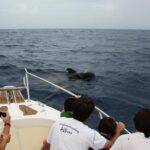
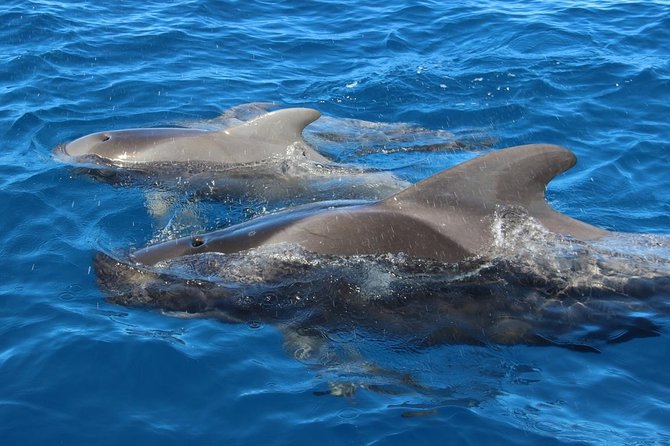
- Pilot whales (including sightings of family groups and, at times, calves)
- Dolphins (some trips include multiple types)
- Porpoises if they’re in the area
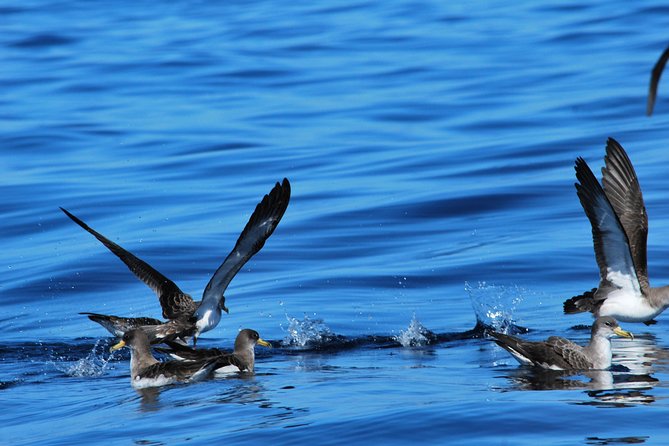
- Sea turtles and seabirds passing through or feeding nearby
Tenerife’s geography plays into why this works. The biologist explains how the island rises dramatically from the seafloor—so deep-diving cetaceans can find food far offshore. That depth is part of the reason the day can feel like “deep ocean life” even while you’re just offshore.
From the science talk, you’ll also hear specific natural history details about the species the crew finds most often. For example, David talks about short-finned pilot whales foraging with powerful sprints and long dives (with dive durations and depth ranges mentioned during the tour). The point isn’t memorizing numbers. It’s learning what kind of lifestyle you’re looking at when a pod appears.
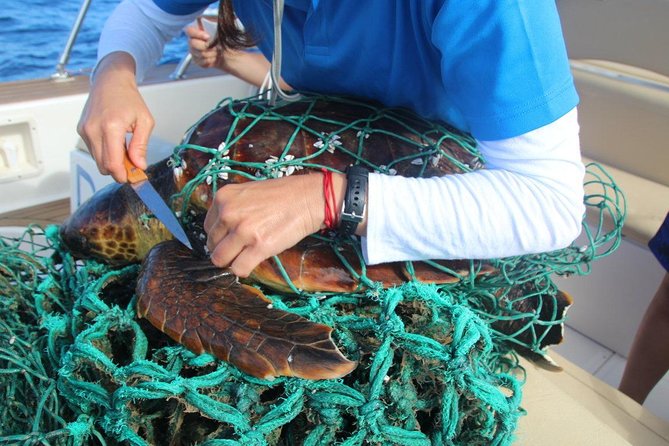
And yes, sometimes the day is also about the extras: birds riding the air currents, sea life popping up unexpectedly, and even small moments like noticing flying fish patterns when the water turns active.
How the biologist’s conservation focus changes your viewing habits
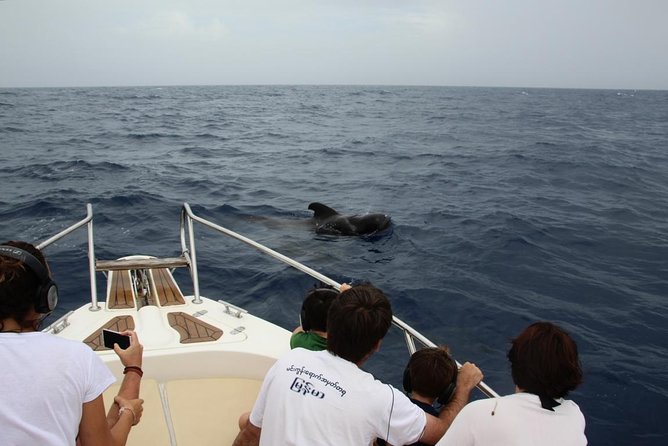
This tour doesn’t treat wildlife as a show you win by getting close. The goal is respectful viewing, with rules that reduce stress on animals and protect their natural behavior.
Here’s what that looks like in real time:
- The crew approaches different groups of cetaceans while keeping space and not interfering
- You might even see the crew make a decision to leave an area if there are too many boats present, to avoid overwhelming animals
- The guide ties behavior to conservation—so you leave with context, not just photos
David’s role is the “why.” He explains keys to conservation and connects Tenerife’s marine ecosystem to the animals you’re tracking. A lot of the education centers on what you’re watching and what’s happening beneath the surface—how communication works, why pods act the way they do, and how human pressure affects them indirectly.
There’s also practical environmental action on some trips. One standout detail from the day’s reports is that the group has paused to collect plastic litter from the sea. It’s not a performance; it’s a reminder that eco tours should be about behavior change, not just branding.
If you care about ethical wildlife encounters, this is where the tour earns its reputation. The small group size supports the conservation style too—less crowd pressure, more ability to reposition calmly when needed.
Timing, the route feel, and what the 2.5 hours is like onboard
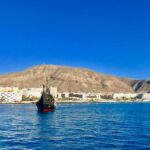
The cruise runs about 2 hours 30 minutes. You set off at your agreed time after meeting at Av. de Colón, 4. Then the boat heads out along the Tenerife coast looking for marine life.
The rhythm usually goes like this:
- Short start-up briefing and guidance on what you’re likely watching for
- Cruise and scanning until a group of cetaceans is located
- Approach for respectful viewing while engines are off and the hydrophone is used
- More time spent watching behavior—often with periods where you just float and let the animals come into the moment
- Return to the meeting point
A pattern you’ll appreciate if you’ve done big boat whale watching before: here, you’re not always in motion. The most memorable minutes can be the quiet ones, when you’re waiting and the pod decides to surface near you.
You’ll also want to plan for sun. Even when you’re on the water, you’re often exposed to strong coastal light. Bring sun protection. Sunglasses help. A hat helps even more. One small comfort detail worth knowing: people report there are toilet facilities below deck, which is useful for a half-day-style outing.
If you’re traveling with kids, this kind of structure often works better than you’d expect. There’s enough going on—plus the sound element—to keep attention from drifting.

Price and value: is $71.35 fair for a small-group eco cruise?
At $71.35 per person for roughly 2.5 hours, this isn’t the cheapest whale watching you’ll find in Tenerife. But it’s also not trying to be mass-market.
The value comes from:
- Small group size (ten passengers max), which reduces crowding and improves sightlines
- A biologist-led experience, not just a skipper who can point at fins
- The included hydrophone and the engine-off rule during sightings
- A conservation-first approach, including respectful distance and, when needed, leaving areas to reduce pressure
In other words, you’re paying for fewer people and more intentional wildlife time. If your priority is hearing cetaceans as well as seeing them, that’s a direct upgrade over standard observation-only tours.
Also, the practical piece: the tour is offered in English, and it uses a mobile ticket. You don’t need a complicated day-plan to make it work.
Who should book this Tenerife cetacean sighting cruise
Book it if you want:
- Ethical, low-impact wildlife watching with clear rules
- A small group and real interaction with the guide
- A chance to hear whalesong through a hydrophone
- A science-led outing that helps you read animal behavior
It’s also a good fit for mixed ages and families, especially if you like educational travel that doesn’t feel like a classroom.
Skip it if you’re chasing:
- A loud party vibe
- Constant high-speed action
- A “we’ll do anything for a selfie” style of whale chasing
And if you’re prone to seasickness, don’t ignore that part. Take your tablets before you’re already queasy.
My take: should you book Atlantic Eco Experience from Costa Adeje?
If your idea of a great day in Tenerife is calm sea time, ethical rules, and the rare chance to listen to whales through a hydrophone, I’d say yes. The small group, the engine-off approach, and the biologist-led conservation focus make the experience feel thoughtful rather than just sporty.
If your stomach is sensitive in waves, plan ahead. With the right prep, this can be one of the most memorable, least disruptive wildlife encounters you’ll have on the island.
FAQ
Where is the meeting point for the tour?
The tour starts at Av. de Colón, 4, 38660 Costa Adeje, Santa Cruz de Tenerife, Spain. It ends back at the same meeting point.
How long does the Costa Adeje cetacean sighting cruise take?
The duration is about 2 hours 30 minutes.
What’s the maximum group size?
The boat experience has a maximum of 10 travelers.
What marine animals can you look for?
You can keep an eye out for whales, dolphins, and porpoises, and the tour also mentions chances of seeing sea turtles and seabirds.
What is the hydrophone for?
A hydrophone is launched during the sighting so you can listen to the sounds marine animals use to communicate or to hunt.
Is the tour offered in English?
Yes, the tour is offered in English.
What language will the biologist guide use?
The tour is offered in English, so you can expect the biologist to guide in English.
Is this tour suitable for reduced mobility?
Accessibility depends on the type of reduced mobility and sea conditions. The tour notes that you should contact the company for more information about the boat.
Do I get a mobile ticket?
Yes, the tour includes a mobile ticket.
What’s the cancellation and weather policy?
You can cancel for a full refund up to 24 hours before the experience starts. The experience requires good weather; if it’s canceled due to poor weather, you’ll be offered a different date or a full refund. A minimum number of travelers is also required; if that minimum isn’t met, you’ll be offered a different date/experience or a full refund.