REVIEW · TROMSO
Silent Whale Watching by Hybrid-Electric Boat from Tromsø
Book on Viator →Operated by Brim Explorer · Bookable on Viator
Quiet Arctic water means big wildlife odds.
This silent whale watching cruise from Tromsø is built for wildlife lovers who want a quiet approach and a real shot at seeing humpbacks, orcas, and sometimes fin whales. I like the way the boat uses a silent engine to avoid disturbing animals, and I also like that the crew keeps you engaged with onboard commentary while you’re moving through the fjords. One drawback to plan around: it’s a long day, and the time at the whale zone is limited, so whale sightings are never guaranteed.
You’ll still get plenty out of the trip even if the whales stay shy. On the route, you pass the Lyngstuva lighthouse framed by the Lyngen Alps and then head toward Skjervøy, where the herring draw in marine life. The cruise ends back in Tromsø, gliding past the Arctic Cathedral as you return over the bridge area.
In This Review
- Quick hits before you go
- Silent approach from Brim Explorer: why the boat feels special
- The Tromsø to Skjervøy route: Lyngstuva lighthouse and Arctic Cathedral views
- Kvaenangen Municipality whale search: how the 1–2 hours really works
- Humpbacks, orcas, and fin whales: what you might see
- Onboard crew talks and safety briefings: what fills the long stretches
- Cold weather, rough water, and seasickness reality
- Comfort, crowd size, and where to sit for the best views
- Wi‑Fi and internet expectations in polar conditions
- Price versus value: what $214.85 buys you (and what it doesn’t)
- Northern Lights bonus: when timing and skies align
- Should you book Silent Whale Watching from Tromsø?
- FAQ
- How long is the silent whale watching cruise from Tromsø?
- Where does the tour start and end?
- Are whale sightings guaranteed?
- What kinds of whales might I see?
- Is the boat actually silent?
- Is Wi‑Fi available onboard?
- When can you see whales in the Tromsø area?
- What should I bring for comfort?
- Is food included in the price?
- What happens if weather is poor?
Quick hits before you go
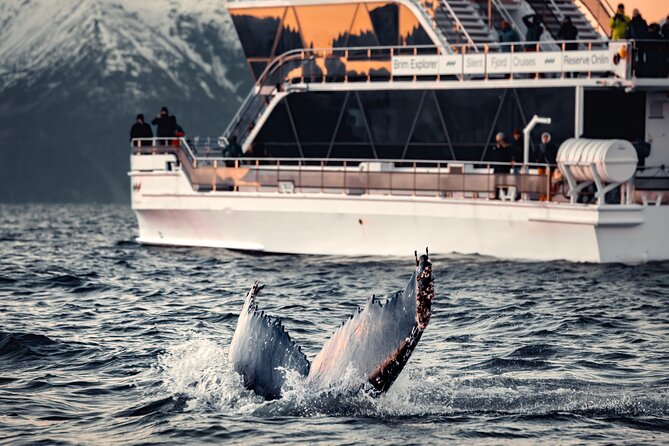
- Silent engine, wildlife-first mindset: the boat runs quietly so whales are less likely to hear you coming.
- Long fjord cruise, short search window: you usually get about 1–2 hours in the whale area.
- Skjervøy and herring feeding grounds: the feeding theme is what drives where you spend time.
- Warm cabin matters: it’s cold outside, so the inside comfort helps when the sea turns rough.
- Wi‑Fi is listed, but don’t rely on it: some trips report connection without working internet.
- Max crowd size: 140: big enough for energy, small enough to feel organized.
Silent approach from Brim Explorer: why the boat feels special
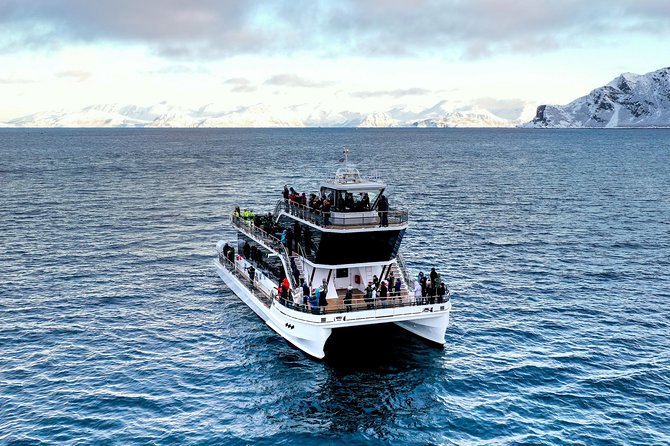
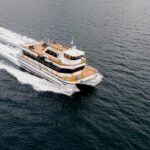
This isn’t a loud, thrashy “find whales fast” kind of outing. The big selling point is the silent, low-disturbance approach, which matters in a place where the animals are already making their living in busy, cold waters. When the crew can move without blasting noise, you’re more likely to watch natural behavior instead of just catching whales as they bolt.
The goal is simple: increase your chances of seeing whales while keeping the experience ethical. You can feel that in how the trip is structured. They don’t just point the bow and gun it. They search, they communicate, and when they’re near whales, the whole operation is geared toward minimizing disturbance.
There’s also a practical benefit. A silent cruise tends to make the onboard experience more tolerable for everyone, including folks who get stressed by constant engine noise. Even if you don’t catch audio details perfectly while outside on deck, the atmosphere is calmer.
You can also read our reviews of more tours and experiences in Tromso.
The Tromsø to Skjervøy route: Lyngstuva lighthouse and Arctic Cathedral views
Most of the day is spent on the water, and that water is gorgeous. On the way out, you pass Lyngstuva lighthouse, positioned at the peak of the Lyngen Alps. It’s the kind of scenery that makes the long transit feel worth it, especially when the sky is clear and the air turns crisp.
Then you reach Skjervøy, in the zone where whales feed on herring. That matters because it turns the outing from wandering into something more strategic. You’re heading toward an ecosystem rhythm: baitfish pull predators in, and the crew is looking for the species that show up when herring gather.
On the way back to Tromsø, you sail past the Arctic Cathedral at the end of the Tromsø bridge area. It’s a nice bookend to the day, especially if you were out in darkness or heavy clouds. Even when you don’t see whales on schedule, you still get a proper Arctic cruise feeling.
Kvaenangen Municipality whale search: how the 1–2 hours really works
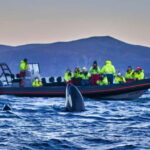
Here’s the part you’re paying for, and it comes with a reality check: there’s no guarantee of seeing whales. The tour is designed to give you the best shot based on where the animals are feeding, but wildlife doesn’t follow timetables.
When you get to Kvaenangen Municipality, you typically spend about 1–2 hours with the whales, depending on how quickly they’re spotted and how long they remain nearby. That “stay time” is the difference between a whale watching trip that feels full-on versus one that feels rushed.
A key detail for your expectations: the crew relies on actively searching visually, and it’s not described as radar-based. That means weather and light can affect what they can pick up. It also helps explain why, on some departures, you’ll hear about intense success, while others go quiet even when the captain works hard.
This is also why the seasonal timing matters so much. Whales migrate and are only around Tromsø from late October until the end of January. If you book outside that window, the chance drops. Even inside the window, you’re still choosing a chance to see animals, not a guaranteed animal show.
Humpbacks, orcas, and fin whales: what you might see
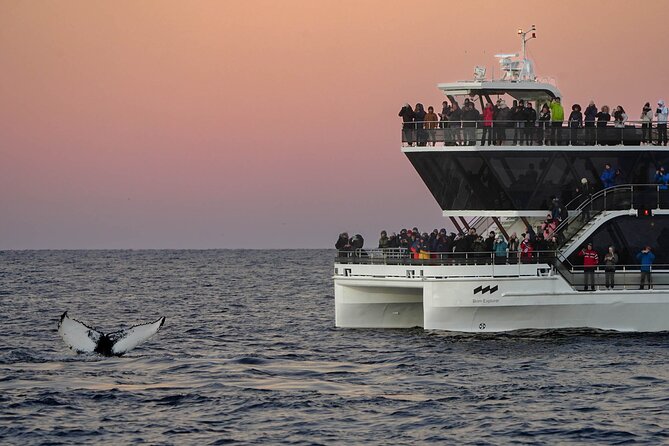
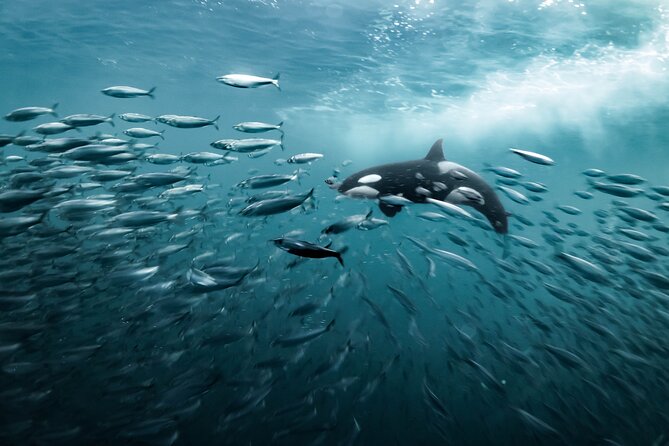
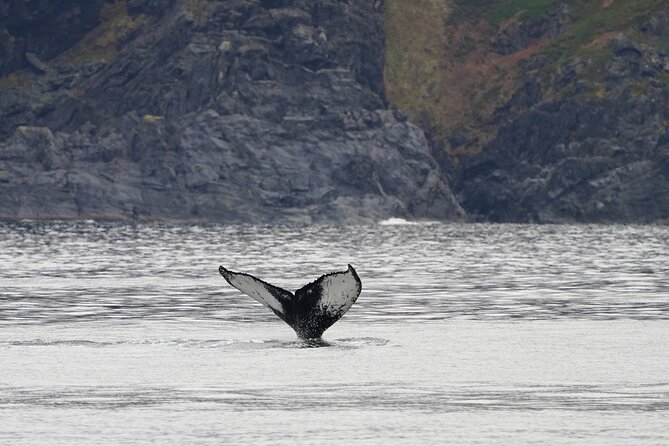
The itinerary is centered on humpbacks and orcas, and the broader trip also mentions fin whales as a possible sighting. You’re going to the feeding grounds where herring is present, so the species you see are the ones that are actively using that food source.
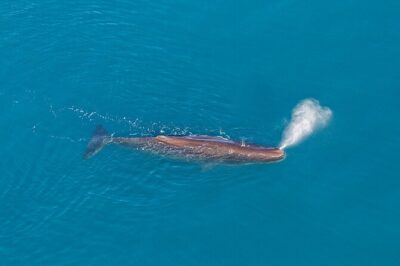
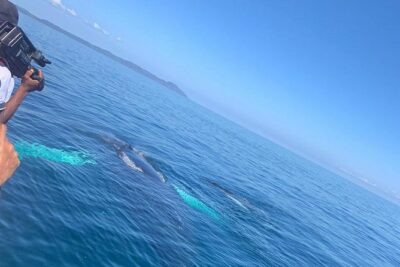
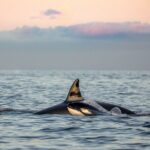
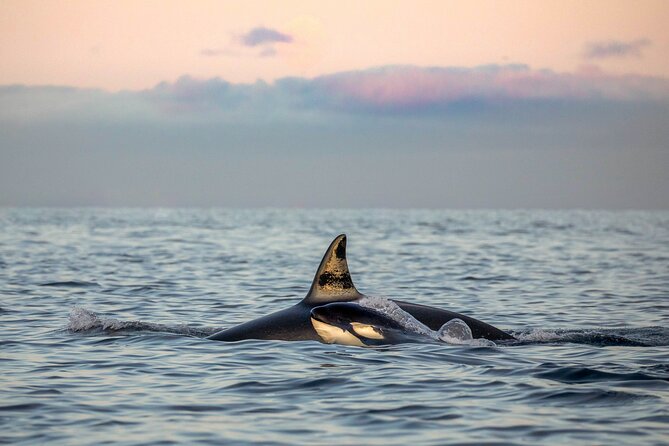
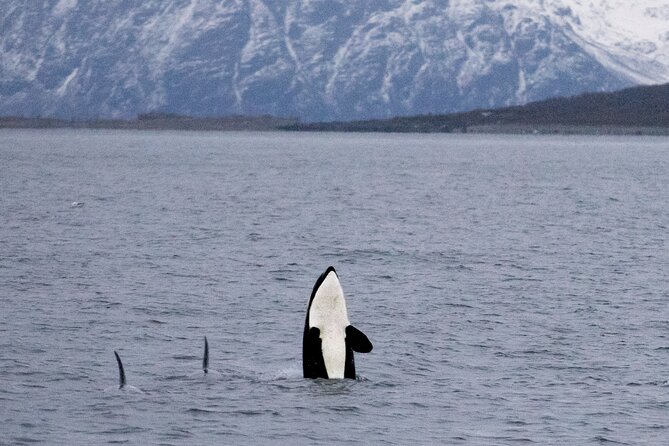
Some days you may see humpbacks with their slower, heavier presence on the surface. Other days orcas can be the main event, often spotted in pods and moving through the water in a more alert, coordinated way. In a few cases, fin whales show up as well, depending on the local conditions and whale movement.
Keep your expectations practical: whales can surface briefly and move on. If you’re focused on photos close-up, you might find it hard when the animals are farther out or when there’s wind and deck conditions. If you’re focused on spotting behavior and watching the sequence—surface, pause, dive—that’s when you’ll likely feel the value even if you don’t get perfect pictures.
Onboard crew talks and safety briefings: what fills the long stretches
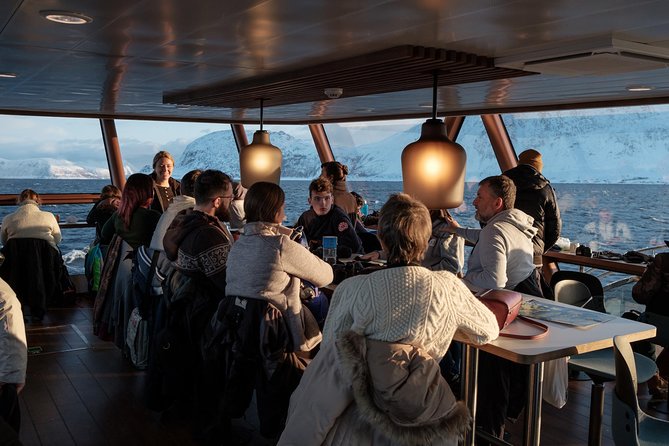
A long trip needs a plan, and this one leans heavily on crew guidance. The crew provides safety briefings before departure, and during the cruise you get informative talks that help you understand what you’re sailing through and what to watch for in the water.
The best part for many people is the running communication. Captains and guides update you on timing and sightings, and they point out what the animals are doing when they’re visible. That turns “waiting on the sea” into an actual experience, not just passive hours on a boat.
You’ll also learn how whale behavior connects to the local geography. Passing Lyngen Alps scenery and then arriving at feeding grounds gives the talks a purpose. When you understand why Skjervøy matters, the search in Kvaenangen feels less random.
One small note: sound can be tricky on open deck in strong wind. So if you care about every detail, spend some time inside during the talk portions, then head out to deck when the crew calls sightings.


Cold weather, rough water, and seasickness reality
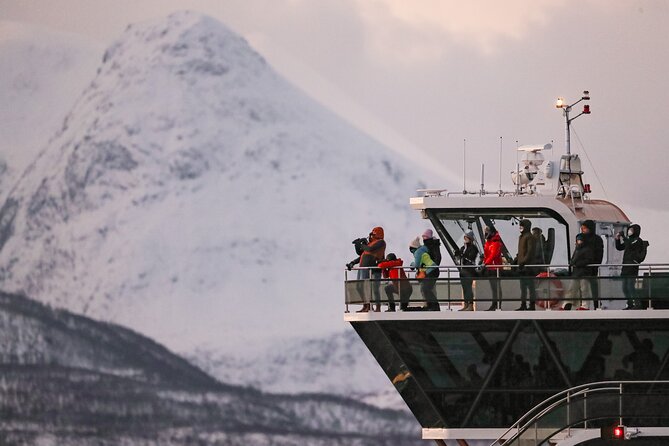
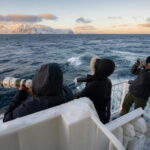
Even on a silent boat, you’re still in the Arctic. The sea can get bumpy, and several experiences mention rougher stretches where motion is noticeable. If you’re prone to motion sickness, plan ahead. Seasickness tablets are a smart move in advance, not as an emergency decision.
The good news is that the inside cabin is warm and designed for comfort during long transits. Many people focus on the fact that you can stay dry and warm while others are outside scanning the water.
If you plan on photos, keep it realistic. The deck can be icy, and waves can make it hard to stand still long enough for steady shots. That doesn’t mean you won’t get great images, but it does mean you might want to prioritize the moment itself over tripod-level sharpness.
Also, dress for wind. Even with a warm cabin, you’ll want layers ready for quick deck time when whales surface.
Comfort, crowd size, and where to sit for the best views
This trip can carry up to 140 travelers, which is a lot of people to manage when you’re all trying to see the same patch of water. That doesn’t mean chaos, but it does mean you should board early and treat viewing like a “first come, best view” situation.
The boat experience is modern and comfortable, with warm seating inside and room to move around. When whale sightings happen, you’ll want to be close to the front areas or the best sight lines, depending on how the crew positions the boat.
In a packed group, it helps to be ready to shift your spot quickly. If you wait until everyone rushes, you can lose prime angles. I’d also aim to balance it: spend enough time inside to reset, then step out when you hear the crew call attention to movement.
Wi‑Fi and internet expectations in polar conditions
Wi‑Fi is listed as onboard, and that sounds like a lifesaver when you’re on a 7–9 hour itinerary. But don’t assume it will behave like a city connection. Some reports indicate the Wi‑Fi may connect but not provide real internet access.
So here’s the practical play: use Wi‑Fi as a bonus, not a plan. Download maps, store offline info, and bring something low-bandwidth for the long stretches. In the Arctic, signal reliability is part of the deal.
If you want to get work done, test your expectations before you leave. If you’re counting on streaming, plan for disappointment.
Price versus value: what $214.85 buys you (and what it doesn’t)
At about $214.85 per person, the pricing reflects a few things: the long fjord cruise time, the crew effort to search actively, and the ethical silent approach. It’s not just a quick boat hop to a known dock spot.
That said, you should do the math in your head before booking. Most of the day is transit, and the whale watching window is relatively short. If you’re mainly chasing the longest possible time near whales, the value will feel different from someone who loves the Arctic scenery plus the chance at multiple species.
Food and drinks are typically paid extras. Coffee and hot drinks are available, and some reports highlight free refill coffee, plus snacks sold onboard. There are also mentions of items like cinnamon buns and meals like pizza buns and soup, but it’s not described as a fully included lunch deal.
So if you get hungry easily, pack snacks before you board. You’ll enjoy the day more, and you won’t have to scramble for the limited onboard selection.
Northern Lights bonus: when timing and skies align
One of the nicest “bonus” outcomes mentioned is a Northern Lights sighting on the return sailing. That’s not something you can schedule, but it’s one reason the cruise can still feel like a win when whales are quiet.
Polar night skies can be stunning, especially when you get that moment where the clouds break or the horizon clears. If you’re flexible and patient, you can treat the trip as two goals at once: marine life first, then sky spectacle if the universe cooperates.
Should you book Silent Whale Watching from Tromsø?
Book this if you:
- want a quiet, wildlife-first whale watching style
- are okay with a long day for the chance at humpbacks and orcas
- enjoy being taught while you sail, not just standing around waiting
- can handle cold deck moments with layers and comfort indoors
Consider skipping or choosing a different style if you:
- want maximum time at the whale viewing zone, no matter what
- need guaranteed close-up sightings (this is wildlife, not a show)
- are highly sensitive to motion and don’t plan for seasickness
- expect included meals as part of the price
My bottom line: this is strong value for people who respect the animals, like the Arctic scenery, and understand that the best whale watching comes from patience and good timing. If you’re that kind of traveler, you’ll likely feel the trip was worth it even on the days when the ocean gives you less than you hoped.
FAQ
How long is the silent whale watching cruise from Tromsø?
The tour runs about 7 to 9 hours, with a lot of that time spent sailing to the whale area and back, plus a shorter window in the search zone.
Where does the tour start and end?
It starts at Brim Explorer Tromsø at the meeting point at Kaigata 6, 9008 Tromsø. It ends back at the same meeting point.
Are whale sightings guaranteed?
No. There is no guarantee. Captains and guides will search and try their best, but wildlife timing is outside anyone’s control.
What kinds of whales might I see?
The itinerary is aimed at spotting humpback whales and orcas, and fin whales are also mentioned as possible sightings.
Is the boat actually silent?
Yes. The experience is designed around a silent engine that aims to avoid disturbance to whales.
Is Wi‑Fi available onboard?
Wi‑Fi is listed as onboard. Some experiences note it may not provide full internet access, so it’s safer to treat it as unreliable for streaming.
When can you see whales in the Tromsø area?
Whales migrate and are only around Tromsø from late October until the end of January.
What should I bring for comfort?
Plan for cold weather and potentially rough water. Warm layers help, and if you get motion sick, seasickness tablets can be a smart idea.
Is food included in the price?
Paid food and drinks are available onboard. Coffee and snacks may be offered, but meals are not described as fully included, so bringing your own snacks is a good backup.
What happens if weather is poor?
This activity requires good weather. If it’s canceled due to poor weather, you’ll be offered a different date or a full refund.