REVIEW · TENERIFE
Whale Watching Eco-Adventure from Costa Adeje
Book on Viator →Operated by Whale Watch Tenerife · Bookable on Viator
Whales close to shore, without the loud chaos. This two-hour whale and dolphin eco-adventure from Costa Adeje aims for respectful wildlife viewing in the Teno-Rasca Marine Protected Area, run by a biologist team. You get an 8-meter rigid hull inflatable built for whale watching, and you also get to listen using a hydrophone.
I especially like the small group size (max 10), which keeps the experience calmer and less disruptive than the big-deck-style outings. I also like that the team doesn’t just point and guess: the tour is led by biologist staff with live commentary, and you’ll receive free photos by email afterward. The one trade-off is you’re dealing with sea conditions and strict participant limits, so it’s not the right fit for everyone.
If you want your Tenerife marine day to feel scientific, respectful, and genuinely wildlife-focused, this is a strong choice. Just know that the ocean is the boss, not the calendar.
In This Review
- Key Points You’ll Care About Most
- Costa Adeje Whale Watching That Feels Thoughtful, Not Rushed
- The Teno-Rasca Marine Protected Area: Where Your Chances Improve
- Meet-Up at Puerto Colón Marina: Quick, Concrete, and Easy to Find
- Your Boat Experience: Why a Small RIB Changes Everything
- What the Biologist Staff Actually Do On Board
- The Two-Hour Flow: How the Time Usually Plays Out
- Free Photos by Email: A Tangible Souvenir
- Price and Value: Why $72.56 Can Make Sense Here
- Who This Tour Fits Best (And Who Should Rethink It)
- Tips to Get the Most From Your Time on the Water
- Should You Book Whale Watch Tenerife from Costa Adeje?
- FAQ
- How long is the whale watching tour?
- Where is the meeting point in Costa Adeje?
- What boat do they use, and how many people are on board?
- Does the tour include photos?
- What happens if weather is bad?
- Who can’t join the tour?
Key Points You’ll Care About Most
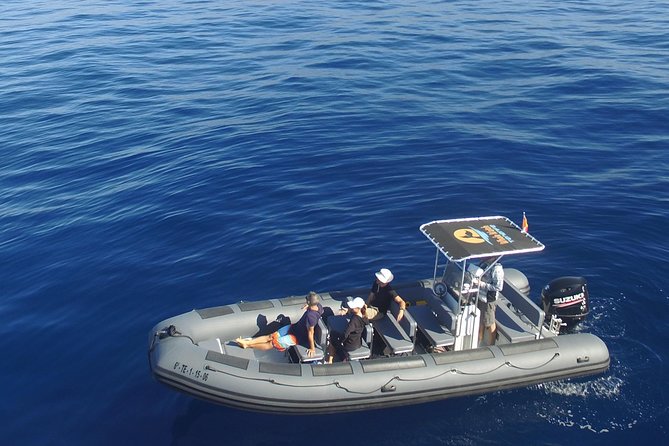
- Max 10 people on an 8-meter rigid hull inflatable: more personal viewing and a calmer vibe around cetaceans.
- Biologist-led, live onboard commentary: you’re not just watching; you’re learning what you’re seeing.
- Hydrophone listening for whales and dolphins: adds a whole new layer beyond visual spotting.
- Eco-friendly approach in the Teno-Rasca Marine Protected Area: designed to avoid stressing animals.
- Free tour photos sent by email: a nice bonus when you want a souvenir without paying extra.
Costa Adeje Whale Watching That Feels Thoughtful, Not Rushed
Costa Adeje is packed with things to do, but this boat trip has a different rhythm. You’re not on a massive platform trying to cram in everyone at once. Instead, you’re on a smaller 8-meter rigid hull inflatable with a hard limit of 10 travelers, which means you can actually track what’s happening when whales and dolphins show up.
The best part for me is the tone. The tour is run by biologist staff, and the whole setup is about respectful observation. One of the most consistent themes from guides named Ion and John is how clearly they talk about behavior, species, and conservation, while still keeping the animals the priority.
The other thing I like: the experience is built to reduce noise and disturbance. That matters, because even if you’re not doing anything wrong, a loud, aggressive approach can make animals change their behavior.
You can also read our reviews of more tours and experiences in Tenerife.
The Teno-Rasca Marine Protected Area: Where Your Chances Improve
This trip is focused on the Teno-Rasca Marine Protected Area. That matters because you’re not just “going out and hoping.” You’re going to a known zone where cetaceans frequent, and you’re doing it with a team that’s used to whale watching in these waters.
You can’t control what the ocean brings you, but the tour’s structure helps. The boat can get you to good viewing areas quickly, and the staff use spotting plus underwater listening to understand what’s around you.
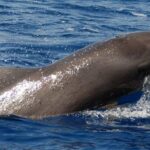
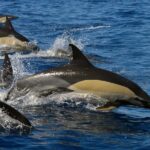
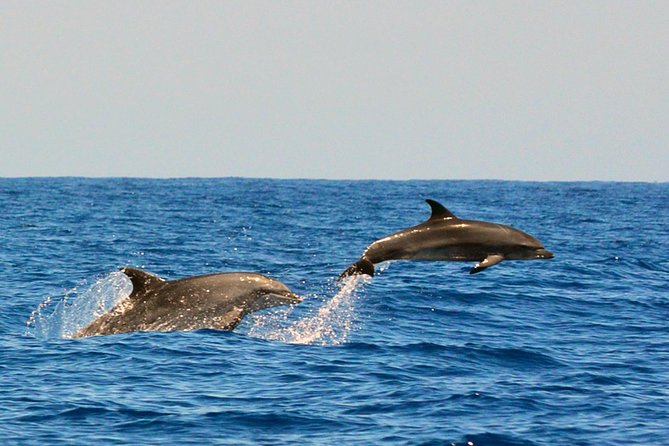
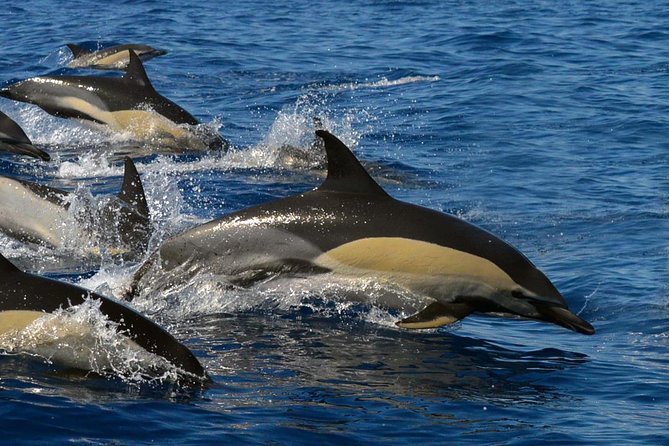
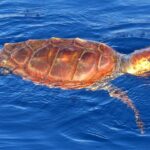
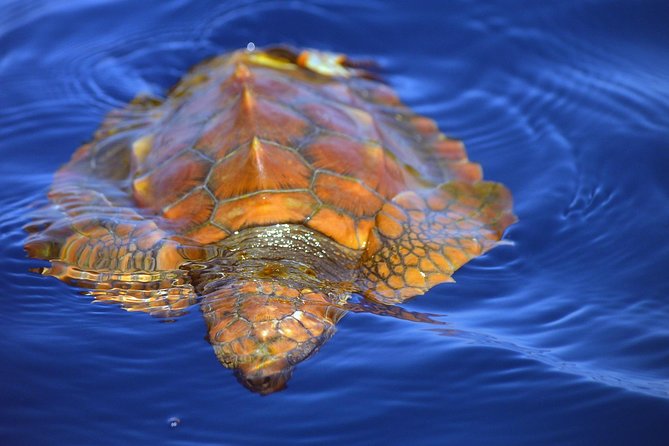
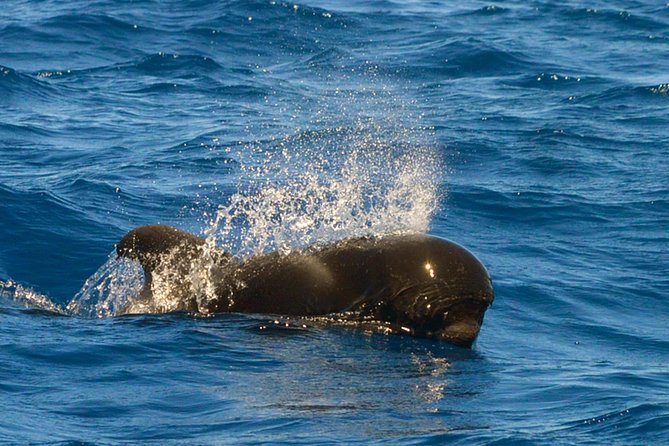
In real-world sightings, pilot whales show up a lot on these trips, and dolphins often join the action too. You might also pick up bonus marine life along the way, like turtles or flying fish, when conditions are right.
Meet-Up at Puerto Colón Marina: Quick, Concrete, and Easy to Find
You meet at Whale Watch Tenerife at Puerto Colón Marina, Pantalán No. 3, 38660 Costa Adeje, Santa Cruz de Tenerife, Spain. The tour starts and ends back at this same meeting point.
The meeting point is described as near public transportation, which helps if you’re staying in Costa Adeje without a car. If you’re arriving by bus, plan to get there a bit early so you can check in calmly and not feel stressed about timing.
Your ticket is mobile, and you should receive confirmation at booking. Guides speak English and Spanish, so language is handled.
Your Boat Experience: Why a Small RIB Changes Everything
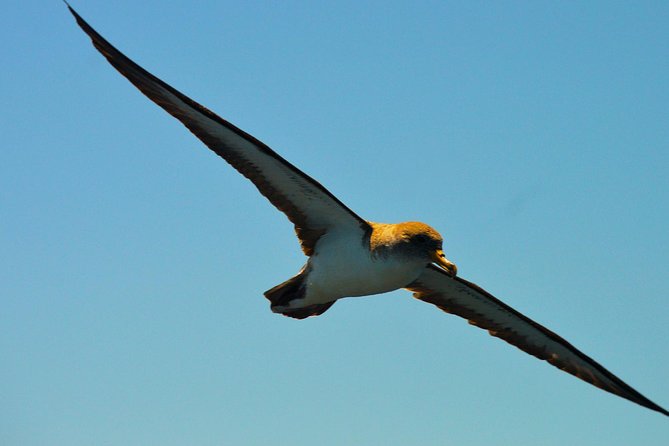
This outing runs on an 8-meter rigid hull inflatable (RIB) designed for whale watching. In practical terms, that usually means: faster positioning, easier maneuvering around wildlife, and a more direct view of what’s happening on the water.
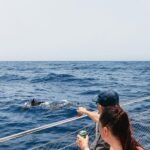
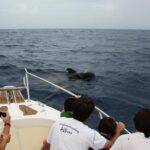
The staff also keep the group tight. With 10 guests max, you’re less likely to end up craning around strangers when a pod surfaces near the boat. Several visitors highlight that feeling of being closer and seeing more clearly, which is exactly what a smaller vessel setup tends to produce.
Comfort is another factor. It’s not a themed cruise ship. It’s a working wildlife boat, so you should expect the open-water feel. If you’re prone to motion sickness, it’s worth thinking about that before you go.
What the Biologist Staff Actually Do On Board
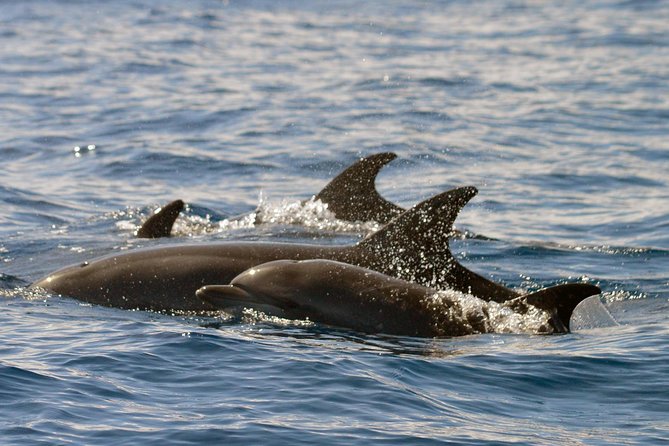
This tour is led by biologist staff, and the onboard format is practical: you get live commentary while you’re out searching. That’s where the hydrophone becomes more than a gimmick.
The tour includes an underwater microphone (hydrophone), so you’re not only looking for surfacing—your guide can also help you interpret activity below the surface. When you hear whales or dolphins, it changes how you scan the water. You start watching for the visual confirmation of what the hydrophone is picking up.
The tone from guides named Ion and John comes through as very focused and respectful. They explain what you’re seeing, safety info is covered clearly, and the message stays consistent: watch in a way that doesn’t stress the animals.

The Two-Hour Flow: How the Time Usually Plays Out
The tour runs for about 2 hours. It’s built for efficiency: you meet, head out into the search area, and then focus on wildlife encounters as they happen.
One detail I think you’ll appreciate is that the team is quick to find whales when conditions allow. Some outings have sightings within about 20 minutes, with dolphins often appearing after whales are already in view. Wildlife spotting isn’t guaranteed, but the staff approach is clearly tuned for good odds.
Here’s what you can expect during the time at sea:
- Heading out from the marina with the guide briefing and onboard commentary.
- Searching within the protected area, looking for whales and dolphins at the surface.
- Using the hydrophone as a listening tool to add context while you watch.
- Staying with sightings long enough for you to actually see behavior, without pushing too close.
- Returning to Puerto Colón Marina when the two hours are up.
Because it’s an eco-focused operation, the goal is not chasing. The goal is patient, informed observation.
Free Photos by Email: A Tangible Souvenir
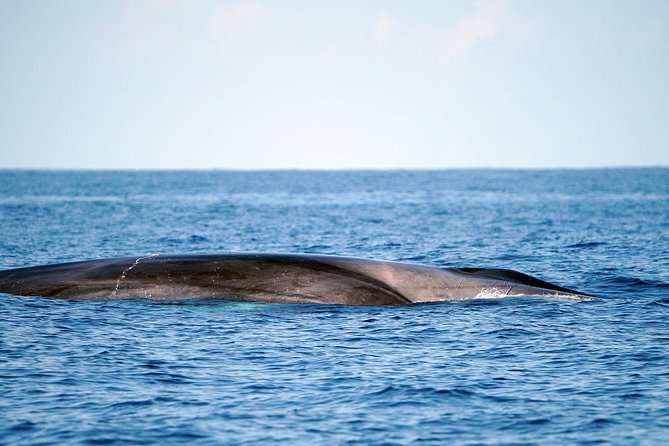
You’ll get free tour photos of marine life sent by email. That’s a real value add because it solves a common problem with whale tours: your best moment happens fast, and handheld photos often end up too shaky or too far away.
If you’re someone who wants memories without spending your time fiddling with camera settings, this is a smart inclusion. Reviews also mention that images can be high-resolution, which makes them more useful if you plan to print or save favorites.
Price and Value: Why $72.56 Can Make Sense Here
The price is listed as $72.56 per person for about 2 hours, and local taxes are included. On paper, that’s not “cheap,” but it’s not random pricing either.
Here’s what you’re paying for, based on what’s included:
- Biologist-led live commentary
- Hydrophone listening
- Eco-friendly wildlife viewing format
- Small group size (max 10)
- Free emailed photos
If you compare whale watching options, the biggest value driver is usually whether the experience is built around the animals (smaller boat, smarter behavior) or around getting as many people as possible in as short a time as possible. This one leans hard into the wildlife-respect side, and that’s where the price starts to feel justified.
Who This Tour Fits Best (And Who Should Rethink It)
This trip is generally described as something most travelers can participate in, but it has specific guest restrictions. If any of these apply, you should read them carefully before booking:
- infants and children under 3 years old
- pregnancy
- people with back or neck problems
- people with mobility problems
- people with recent surgeries
- anyone over 130 kg
Also remember: it’s an open-water RIB experience. Even if you’re physically allowed to go, people with sensitivity to motion or rough seas may want to plan more carefully.
This is a great fit if you:
- want a smaller group whale tour
- like learning alongside watching
- prefer a calmer, less forceful style of wildlife viewing
- want photos without extra costs
Tips to Get the Most From Your Time on the Water
A few practical moves can make the difference between a good outing and a great one:
- Bring non-alcoholic drinks and snacks if you want them (food and drinks aren’t included).
- Dress for wind and spray, even if the morning looks calm.
- Be ready to focus when the guide calls out activity. Whales and dolphins don’t always surface where you expect.
- Keep expectations flexible. The best tours still depend on animal movement and weather.
If you’re hoping to see particular species, think in terms of what’s most common on these trips (pilot whales and dolphins are frequent), and treat every extra sighting—like turtles—as a bonus.
Should You Book Whale Watch Tenerife from Costa Adeje?
I’d book this if you want Tenerife whale watching that feels small-group, informed, and respectful, with real learning happening onboard. The combination of biologist staff, hydrophone listening, and free emailed photos makes it feel like a complete experience, not just a boat ride.
Skip it if you fall into the listed restrictions, or if you know you struggle with rough water conditions. And go in knowing that wildlife viewing is never a guaranteed showroom—though this operation’s setup is clearly designed to maximize your odds without pushing the animals.
If you’re choosing one whale and dolphin tour in Costa Adeje, this is the type that’s easier to recommend with confidence: it’s built around the animals first, and it shows.
FAQ
How long is the whale watching tour?
It runs for approximately 2 hours.
Where is the meeting point in Costa Adeje?
You meet at Whale Watch Tenerife, Puerto Colón Marina, Pantalán No. 3, 38660 Costa Adeje, Santa Cruz de Tenerife, Spain, and the tour ends back at the same meeting point.
What boat do they use, and how many people are on board?
The tour uses an 8-meter rigid hull inflatable custom designed for whale watching, with a maximum of 10 travelers.
Does the tour include photos?
Yes. You get free photos of the cetaceans from the tour, sent to you by email.
What happens if weather is bad?
This activity is subject to favorable weather. If it’s canceled due to poor weather, you’ll be offered an alternative date or a refund. If rescheduling is needed, the provider will call you to arrange it.
Who can’t join the tour?
The listed restrictions include infants and children under 3, pregnancy, people with back/neck problems, mobility problems, recent surgeries, and anyone over 130 kg.