REVIEW · LA PAZ
Gray Whale Watching Expedition at Magdalena Bay
Book on Viator →Operated by Mexico Travel Adventure · Bookable on Viator
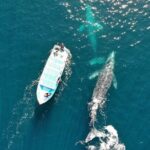
Gray whales greet you right by the boat. This Gray Whale Watching Expedition at Magdalena Bay leaves from Puerto Chale and heads into Bahía Magdalena and Almejas, with a real chance of seeing gray whales come close to the panga. I love the focus on getting you out where the whales are active, not just riding around for photos.
I also love how personal it feels with a maximum group size of 6. Your captain and crew use the day’s conditions to decide where you’ll search, so the trip adapts instead of feeling rigid.
One consideration: you’ll be on a panga and you need to dress for wind and cold, especially if conditions make the ride a bit rough. If weather isn’t workable, the whole plan may change or be refunded.
In This Review
- Key things that make this whale watch work
- Why Magdalena Bay gray whale time feels so immediate
- Puerto Chale departure at 9:00 am: the part that sets the tone
- The panga boat ride: small group comfort and real ocean feel
- How the captain picks the whale search zone in Bahía Magdalena and Almejas
- What happens during your two hours on the water
- Wildlife beyond gray whales: dolphins and sea birds near mangroves and dunes
- English guidance and the role of Juan Carlos on the boat
- Price and value check: is $179.12 a good deal?
- Practical tips before you go from Puerto Chale
- Should you book this gray whale expedition?
- FAQ
- Where is the Gray Whale Watching Expedition meeting point?
- What time does the tour start?
- How long is the experience?
- How many people are in the group?
- What animals might I see besides gray whales?
- What language is the tour offered in?
- What happens if the weather is poor?
- What is the cancellation policy?
Key things that make this whale watch work
- Small group (1–6 people): easier viewing and more attention from the crew
- Captain-led spot selection in Bahía Magdalena and Almejas: they adjust based on the best odds of sightings
- Two full hours on the water: enough time for multiple whale moments, not just a quick pass
- More than gray whales: dolphins and lots of sea birds often show up near mangroves and dunes
- English-speaking guide support: clear explanations help you know what you’re seeing
- This one gets booked early: it’s commonly reserved about 23 days ahead
Why Magdalena Bay gray whale time feels so immediate
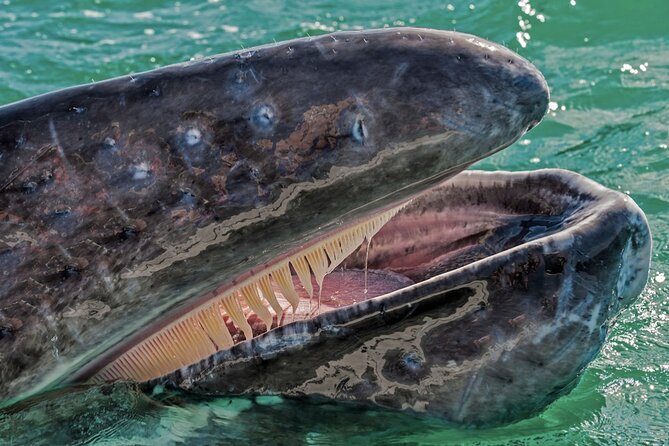
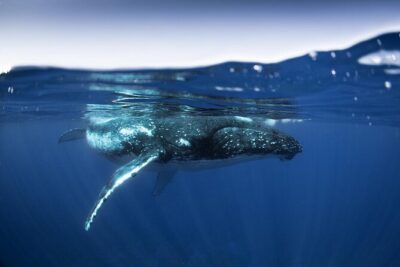
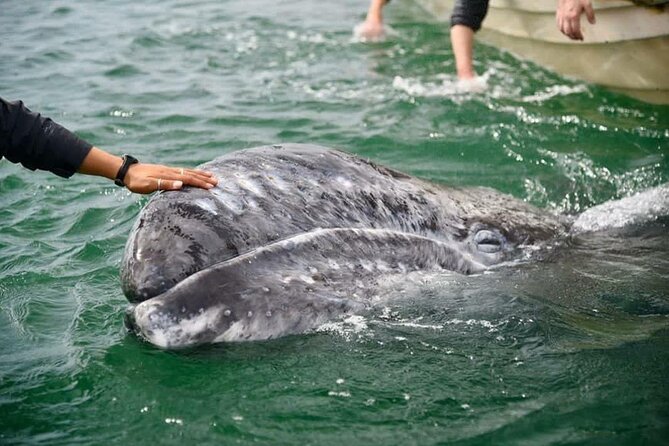
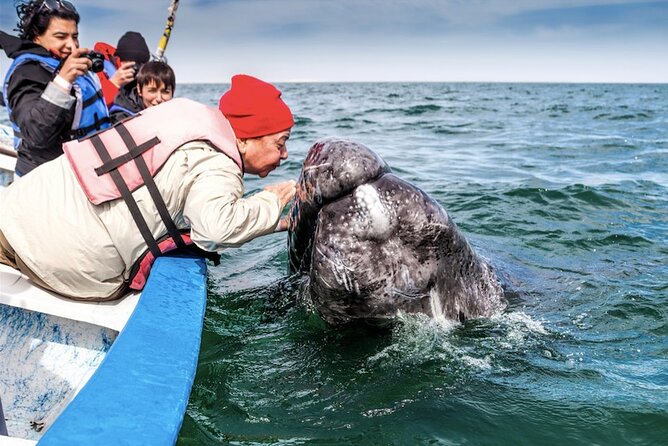
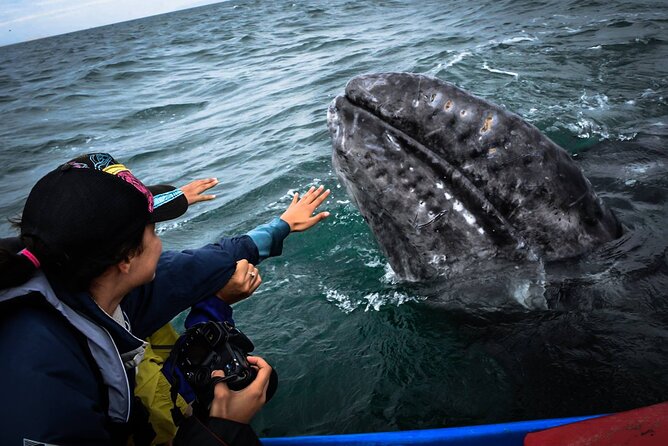
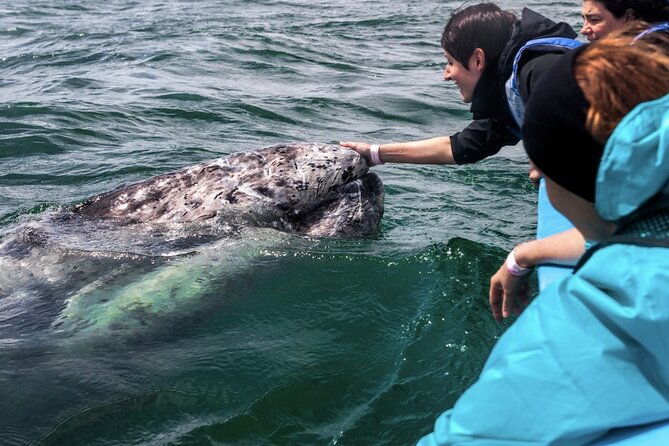
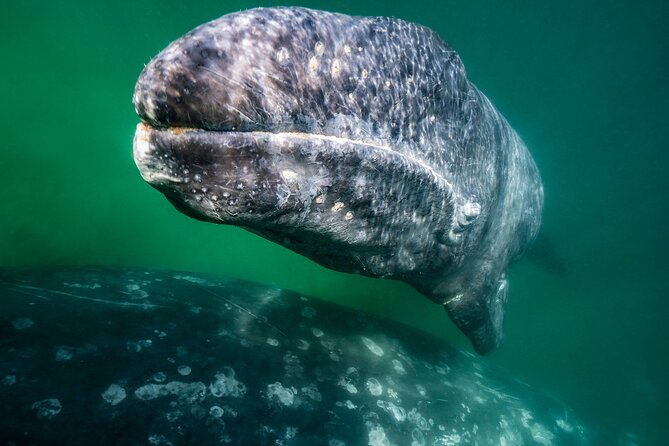
If you love wildlife, you’ll probably like this for one simple reason: the whales can show up very close. The gentle giants of Magdalena Bay are known for coming up to the water’s surface where observers can get an up-close view, and sometimes even have contact described as scratching, hugging, or a kiss when a whale comes right near the boat.
That doesn’t mean you should expect the same exact moment every time. What you can expect is a crew that’s hunting for the best chance that day, based on what the captains are tracking. It’s not a “set route, same time, same outcome” situation. It’s more like: get on the water, then go where the action is most likely.
I also like that the experience is built around a clear time block. You’ll stay out for about two hours, which keeps the day from turning into an all-day slog while still giving you enough time for repeat sightings. And when the whales do arrive, you’ll feel it quickly, because you’re not far out watching dots on the water.
You can also read our reviews of more tours and experiences in La Paz.
Puerto Chale departure at 9:00 am: the part that sets the tone
Your start point is Puerto Chale, at CCFW+JV, Calle principal, 23130 Puerto Chale, B.C.S., Mexico, with the activity beginning at 9:00 am. From there, the plan is to leave and head into the bay toward Bahía Magdalena and Almejas, then return back to the same meeting point.
This matters more than it sounds. A smooth early start helps you get out before the conditions get worse later in the day. And because you return to the same place, you don’t end up hunting for a transfer or guessing where to meet again.
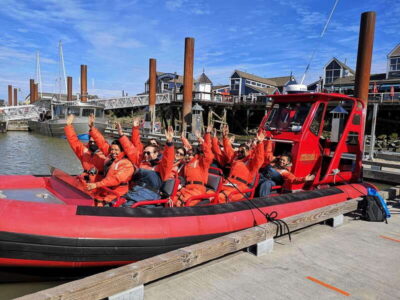
Also, keep in mind this is a panga boat trip. That means you’re closer to the water, closer to the wind, and closer to any wave action. In plain terms: if you run warm, you’ll still want layers. If you run cold, bring proper protection. One of the clearest pieces of advice tied to this trip is to bring a jacket so you can stay comfortable on the boat ride out.
The panga boat ride: small group comfort and real ocean feel
This experience is set for a maximum of 6 travelers, which is a big part of the good vibe. Smaller groups typically make it easier to keep eyes on the water without everyone craning in different directions. You also get a better sense of what the crew is doing, because there aren’t endless people trying to hear instructions over each other.
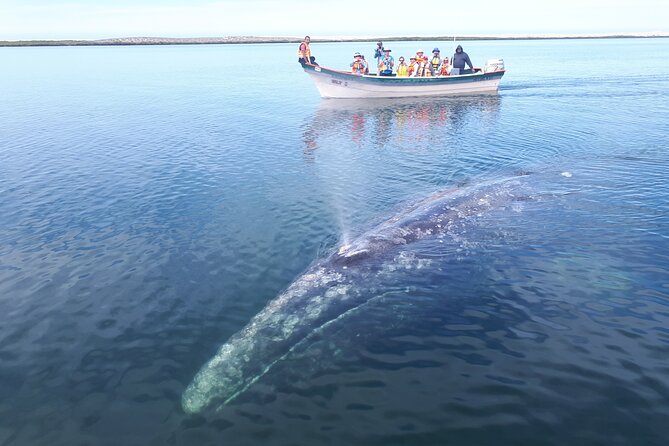
You’re also on a panga, so you feel the sea. One standout detail from the experience is that even when conditions were choppy, the captain did his best to keep the trip moving in a way that still delivered whale sightings. That’s exactly what you want from a captain: adapt, don’t panic, and focus on where sightings are most likely.
What to wear is not a minor detail here. The ride out can be cooler than you’d expect. I’d treat this like a wind-and-spray situation until proven otherwise. Bring a jacket, and wear something you can layer. Keep your items secure, because a panga ride isn’t gentle-ride smooth in every condition.
How the captain picks the whale search zone in Bahía Magdalena and Almejas
Here’s the practical magic of this tour: the spot you’ll go to is not fixed. The route depends on conditions, and the captain chooses the area with more chances of sightings based on information from their captains and crew.
That means you might be looking at more than one type of coastline experience during the trip. The day’s search stays focused around Bahía Magdalena and Almejas, but the exact location within those areas can change. Translation: don’t worry if you don’t see one specific shoreline or feature. The crew is playing the odds in real time.
This is a key reason why this trip is so frequently praised. The best whale watches aren’t the ones that promise perfection. They’re the ones that manage uncertainty well. In this case, the crew is actively steering the hunt toward where whales are most likely to be.
What happens during your two hours on the water
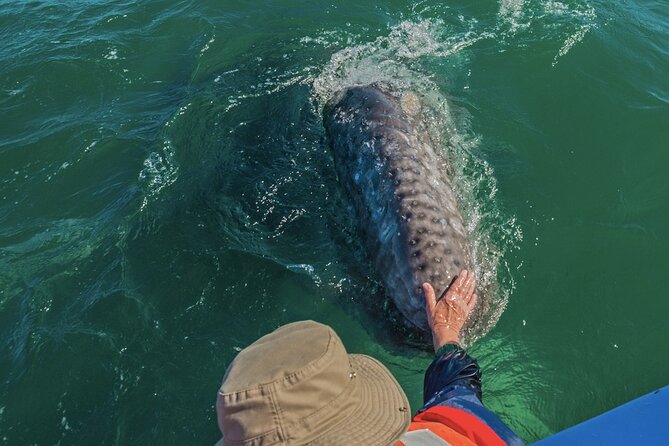
The core event is simple: you go out, you watch, and you wait for whales to come up. The experience is designed around staying out for about two hours, which is a strong middle ground. It’s long enough for repeated whale moments, but not so long that you’re exhausted before you even get the best sightings.
Gray whales are the star, and the experience is framed around how they may interact closely with observers. When the whales come near the boat, that closeness can make it feel almost unreal—like they’re part of your moment, not just a distant animal in the bay.
One traveler described seeing around 30 whales during the trip, which tells you the potential is real when the conditions line up. Still, treat that as a best-case example, not a guarantee. Your real takeaway should be this: you’re not just doing a quick scan. You’re on the water long enough to catch a run of whale activity if the day delivers it.
And while you’re watching for gray whales, your eyes should stay open for other wildlife. The tour notes that you can also encounter dolphins and lots of sea birds in the mangroves and dunes. That variety helps even if whale activity is slower in one stretch of the route.
Wildlife beyond gray whales: dolphins and sea birds near mangroves and dunes
It’s easy to focus only on the whales, but I like that this experience gives you a wider wildlife window. Gray whales are the main reason you’re there, but dolphins can also show up, often adding quick bursts of movement on the water.
Then there are the sea birds. The experience specifically mentions lots of sea birds around mangroves and dunes. That’s useful for your watching mindset. When you see birds gathering or moving actively, it’s often a cue that you should pay attention to what’s happening below the surface too.
If you want a simple strategy: watch the water surface first for whale blows and rises, then widen to the sides for birds and any dolphin action. It keeps you from getting stuck on one fixed spot and missing fast changes.
English guidance and the role of Juan Carlos on the boat
A whale watch gets better when you understand what you’re seeing. This tour is offered in English, and the guides are there to provide information during the expedition.
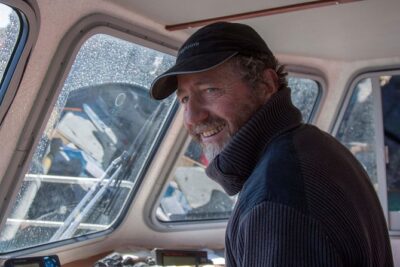
One name came up clearly from a standout experience: Juan Carlos. He was described as very informative, and that lines up with what I think makes these trips rewarding. When you know what behaviors mean—like what to look for right after a surface moment—you spend less time guessing and more time enjoying.
You’ll also benefit from the captain’s communication. Even if your English is just okay, the tone of good wildlife guiding is universal: when the crew spots something, they’ll help you focus quickly, and they’ll keep you aware of what might happen next.
Price and value check: is $179.12 a good deal?
At $179.12 per person for an activity running about two hours, this isn’t a bargain-basement excursion. But it also isn’t priced like a long, multi-stop day with complicated transfers.
So what are you paying for? In this case, you’re paying for:
- access to prime whale-watching waters in Bahía Magdalena/Almejas
- a small-group panga boat experience
- a guided, captain-led search that adjusts by conditions
- the chance of very close whale encounters and additional wildlife like dolphins and sea birds
The value gets stronger when you consider what people often do from La Paz. One account notes it’s worth it even with a 4-hour round trip from La Paz. If you’re already planning a whale day and you factor in the time cost, the price can feel more fair.
You can also feel confident in the demand here. This trip is highly rated, with an overall 5/5 score and 23 reviews, plus 100% recommendation in the review summary you shared. That’s not a guarantee of your exact outcome, but it’s a strong signal that the experience tends to land well.
If weather is a dealbreaker for you, there’s also the practical upside that the trip depends on good conditions. If it’s canceled due to poor weather, you’ll get offered a different date or a full refund.
Practical tips before you go from Puerto Chale
A few no-drama tips will make this whale watch easier:
- Bring a jacket. The boat ride out can be chilly, even on a sunny day, especially with wind.
- Plan to show up at the meeting point early. Your start is 9:00 am at Puerto Chale, then you return there at the end.
- Expect a moving plan. The captain chooses where to search depending on conditions, so don’t treat the bay like one fixed viewpoint.
- Keep your expectations flexible. You’re hunting for whale sightings, and dolphins or birds can brighten the day in between.
- Use your mobile ticket. The tour provides a mobile ticket, and you’ll receive confirmation at booking.
- Go for the small-group feel. With max 6 people, you’ll likely enjoy the calmer, more focused experience compared to big boats.
Should you book this gray whale expedition?
I think you should book if you want an honest, nature-focused whale watch with a small-group feel and a captain-led search strategy. The combination of two hours on the water, the likelihood of close whale viewing, and added wildlife like dolphins and sea birds makes this a strong choice for a half-day wildlife outing.
I’d pause before booking if you’re very sensitive to cold or you’re hoping for a perfectly smooth ride in all conditions. Because it’s a panga boat, you’ll feel the weather. And since the experience requires good weather, the plan can shift or be refunded if conditions don’t cooperate.
One final thought: this is one of those trips where the crew’s job is to find the whales, but your job is to stay comfortable enough to watch. Bring your jacket, be ready for the bay to do its own thing, and you’ll likely have a memorable morning.
FAQ
Where is the Gray Whale Watching Expedition meeting point?
The tour starts at CCFW+JV, Calle principal, 23130 Puerto Chale, B.C.S., Mexico, and it ends back at the same meeting point.
What time does the tour start?
The start time is 9:00 am.
How long is the experience?
The activity lasts about 2 hours (approximately).
How many people are in the group?
This experience has a maximum group size of 6 travelers.
What animals might I see besides gray whales?
You may also encounter dolphins and lots of sea birds in the mangroves and dunes.
What language is the tour offered in?
The experience is offered in English.
What happens if the weather is poor?
This experience requires good weather. If it’s canceled due to poor weather, you’ll be offered a different date or a full refund.
What is the cancellation policy?
Free cancellation is available. You can cancel up to 24 hours in advance for a full refund. If you cancel less than 24 hours before the start time, the amount paid won’t be refunded.