REVIEW · PUERTO VALLARTA
Private Whale watching Puerto Vallarta
Book on Viator →Operated by Eco Explorer Vallarta · Bookable on Viator
Whales feel close in Banderas Bay.
This private 3-hour cruise sets you up with a hydrophone for whale sounds and a crew that focuses on real, respectful wildlife spotting.
I also like that you’re not just cruising for photos. You’ll have life vests, snacks and water, and you’re supporting conservation work tied to Bahia Unida. The main drawback to plan for: whale watching is weather-dependent, so you’ll want a flexible schedule.
In This Review
- Key highlights before you go
- A private 3-hour whale-watch that feels like teamwork
- Price and value for a group of up to 6
- The 11:30 am timing and how the boat portion works
- Stop 1: Eco Explorer Vallarta and wildlife scanning
- How the hydrophone turns spotting into listening
- Meet the crew: Carlos, Emilio, and Hector’s whale know-how
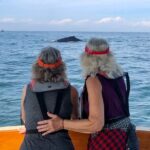
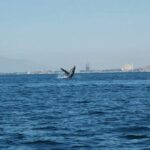
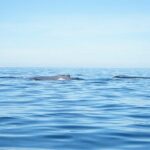
- What you might see: whales plus the rest of Banderas Bay
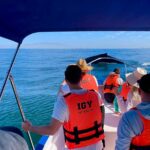
- Staying comfortable on the water: what’s included
- Conservation angle: Bahia Unida and why it matters
- Weather and wildlife: the one factor you can’t control
- Who this private whale-watching trip is best for
- Should you book this private whale watch in Puerto Vallarta?
- FAQ
- How long is the Private Whale Watching tour?
- How much does the tour cost?
- What’s included in the tour?
- Where is the meeting point and when does it start?
- Is lunch included?
- Are there any additional fees?
- What happens if the weather is bad or you need to cancel?
Key highlights before you go
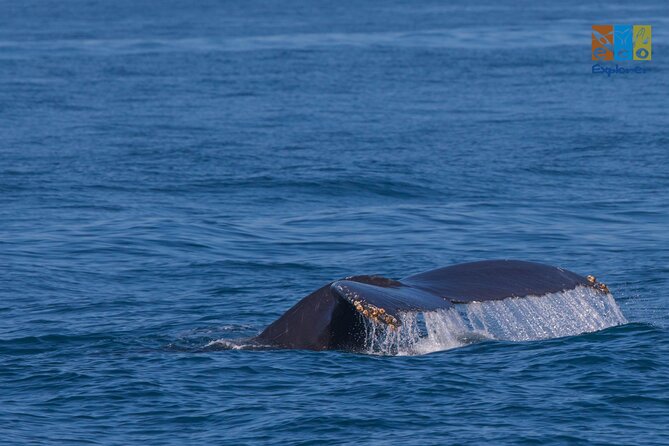
- Private tour for up to 6 so your experience stays focused on your group
- Hydrophone included to hear whale calls while you scan the water
- Snacks + bottled water during the 3-hour outing (no lunch)
- Conservation support through Bahia Unida wrist bands and government permits
- Guide-led spotting with strong whale education and careful boat behavior
A private 3-hour whale-watch that feels like teamwork
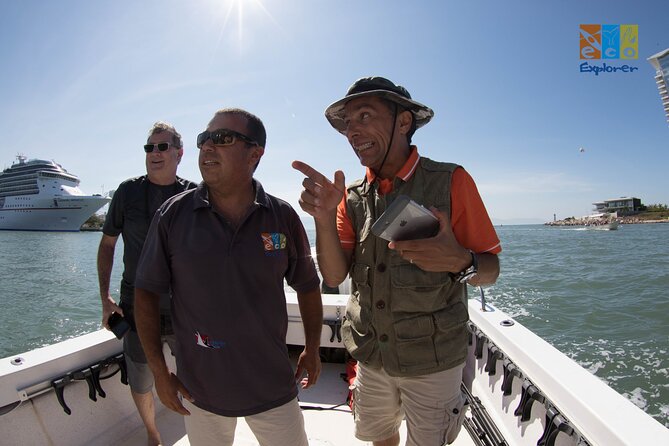
Banderas Bay has a way of turning a boat ride into a live nature lesson. This is a private outing, so you’re not stuck watching from the middle of a crowd. Your group goes out together, with the crew concentrating on finding marine mammals and explaining what you’re seeing as the day unfolds.
The format matters. With only about 3 hours on the water, you get enough time to scan a wide area without it turning into a long slog. That makes it easier to pair with other Puerto Vallarta plans the same day, especially if you’re traveling with people who don’t love all-day tours.
And yes, whales are the headline. But the better value is that the tour is built around spotting marine life in general—dolphins, turtles, and mantas are part of the wildlife list—so even if the whale situation is slower, you’re still actively looking for other animals.
One thing to keep in mind: whale watching can’t be forced. Some trips are whale-heavy, others are more mix-and-match. The good news is that the crew is trained to keep searching and communicating what they’re doing so you stay engaged the whole time.
You can also read our reviews of more tours and experiences in Puerto Vallarta.

Price and value for a group of up to 6
It’s $650 per group (up to 6), not per person. That matters because with a small group, the cost can feel reasonable compared with per-person cruises that often come with less flexibility.
Here’s the simple math: if you fill the group at 6 people, you’re looking at about $108 per person, plus the separate $6 government fee per person. If you travel with fewer people, the per-person number rises, but you still keep the benefits of privacy and a tour that’s centered on your crew’s attention.
Also, this price includes several practical items that would otherwise add up: the boat ride, hydrophone, life vest use, bottled water, and snacks. On a 3-hour marine trip, that’s not just comfort—it helps you stay focused on the water, not logistics.
Finally, the conservation piece isn’t a vague add-on. The tour includes Bahia Unida conservation wrist bands and government permits, which signals the outing is tied to protection and research rather than only sightseeing.
The 11:30 am timing and how the boat portion works
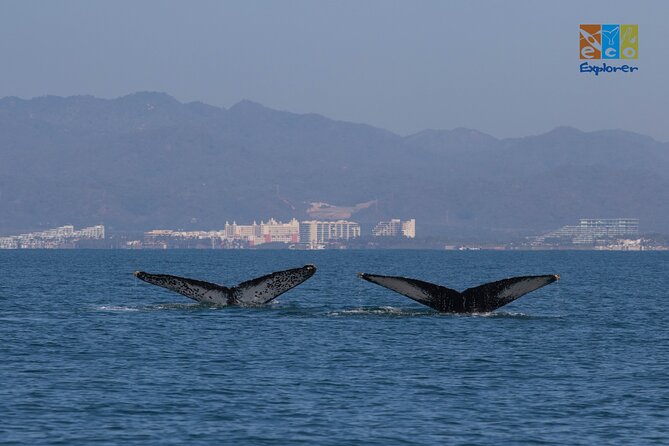
Your tour starts at 11:30 am and runs about 3 hours total, ending back at the meeting point. That midday launch can be a sweet spot if you want to beat the heavier late-day crowds but still have a decent day’s weather.
You’ll meet at Tours Eco Explorer Vallarta, Proa 22, Marina Vallarta, 48335 Puerto Vallarta. The location is noted as near public transportation, which is handy if you’re not taking taxis the whole time. From a traveler’s point of view, Marina Vallarta is also a pretty easy area to orient yourself in.
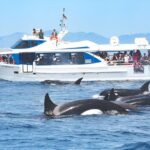
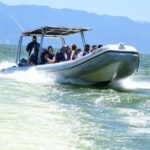
Once you’re aboard, the main action is the cruise across Banderas Bay. The goal is to navigate the bay and observe marine mammals as they move through the area. This is not a quick pass-by. It’s an active search with guidance, so you’re scanning for behavior cues, not just hoping something pops up by luck.
Stop 1: Eco Explorer Vallarta and wildlife scanning
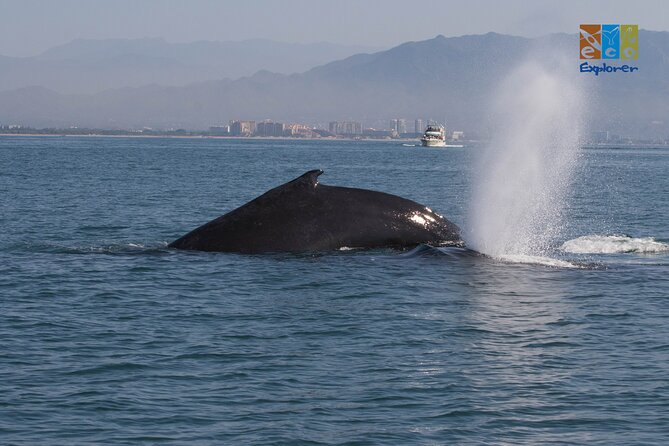
Right where you start, the tour frames what you’re doing as a nature contact experience—not just a whale sighting hunt. The wildlife focus includes dolphins, turtles, mantas, and more. That’s a nice approach because it sets you up for a broader set of outcomes.
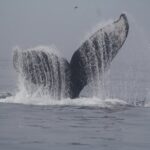
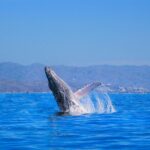
If whales are around, you’ll be watching them for behavior—how they move, how they surface, and how they interact with their surroundings. If dolphins show first, your crew will pivot your attention to them. The same goes for turtles and mantas: the hunt stays flexible, and you don’t waste time staring at empty water without context.
One practical benefit of the way this is structured: you’re not waiting in limbo. Even at the start, you’re already in the mindset of observing, listening, and learning what to look for next.
How the hydrophone turns spotting into listening
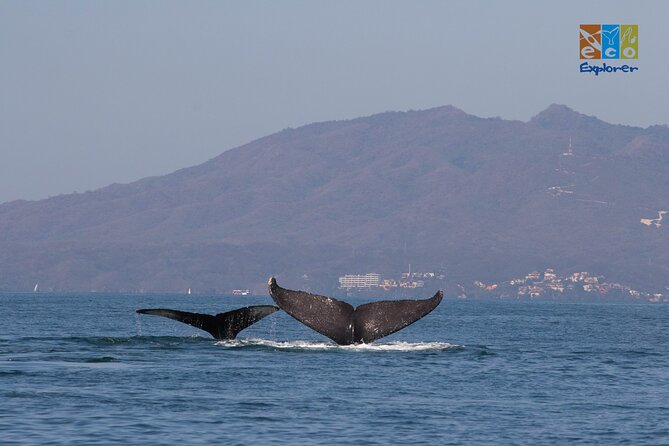
A big reason this tour earns repeat bookings is the hydrophone. Seeing whales is thrilling, but hearing them is something else. The hydrophone lets you pick up whale calls, which adds a whole second layer to the outing.
Here’s how that helps you, realistically: if visibility is limited or animals are farther out than you’d like, the audio can still give you clues that whales are near. It also gives your guide an opportunity to explain what you’re hearing while you track the source visually.
You’ll also want to pay attention to the timing of when the crew tells you to listen. Whale calls don’t come out every second, so it’s less about constant noise and more about that moment when the sound lines up with what you’re seeing.
Meet the crew: Carlos, Emilio, and Hector’s whale know-how
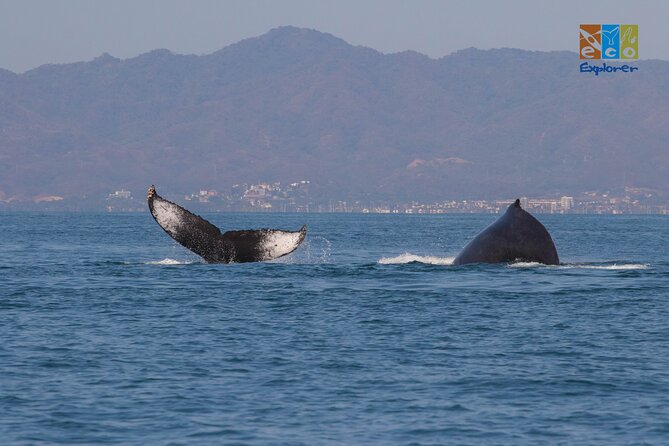
On tours like this, the boat is only half the story. The crew’s skill is the other half, and the standout names that come up are Carlos, Emilio, and Hector.
Carlos shows up as a guide who’s strong on explanation—helping you understand what you’re seeing and where to look. Emilio is also named as an excellent guide, with a respectful approach to the whales and a clear ability to get you close enough for real viewing without careless behavior. Hector is highlighted as a captain, which matters because safe positioning is how you maintain distance, reduce stress for animals, and still give your group good sight lines.
If you care about learning while you watch, this crew style is a major plus. You’re not just passively waiting for a whale to appear. You’re getting cues—what to watch for, why it matters, and what the behavior could mean.
What you might see: whales plus the rest of Banderas Bay
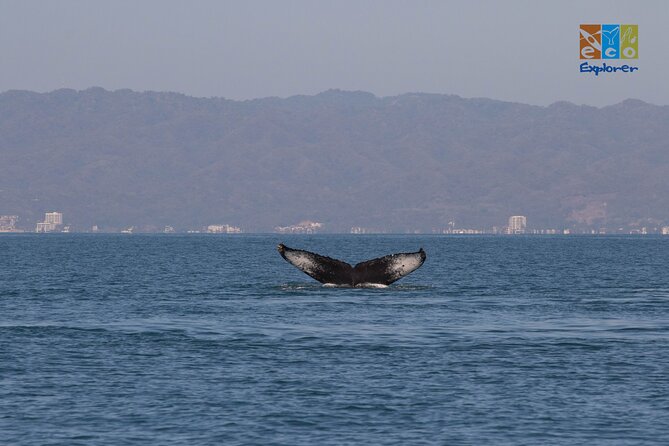
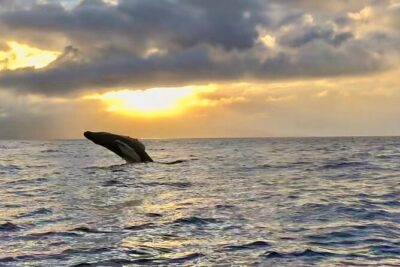
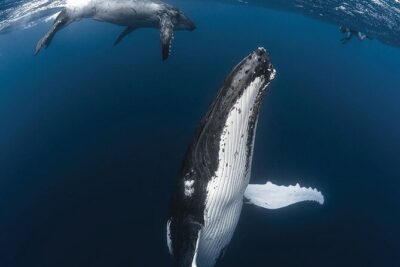
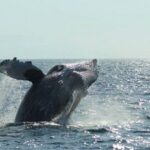
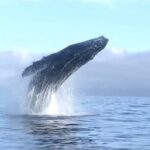
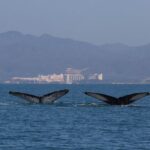
This tour is designed around a mix of marine life, not a single species guarantee. The wildlife list you can reasonably hope for includes dolphins, turtles, mantas, and of course whales.
In practice, whales and dolphins tend to be the core combination people remember most. Dolphins can be easier to spot because they often travel in ways that show up at the surface. Whales are less frequent and more variable, but that’s where the crew’s search skill and your hydrophone support pay off.
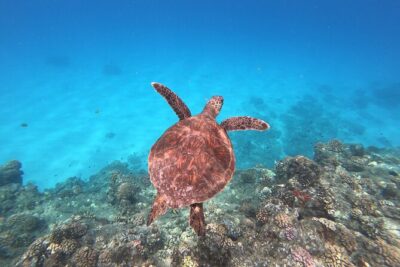
Sea turtles also fit the tour’s wildlife expectations, and a turtle sighting is one of those moments that makes the outing feel bigger than a single-species hunt. Mantas are also on the list, so keep your attention wide—not just in one direction.
Important realism check: wildlife density changes. You might find lots of action or you might get a calmer run with fewer sightings. Either way, the tour’s structure helps you keep seeing the bay as a living system instead of a blank ocean.
Staying comfortable on the water: what’s included
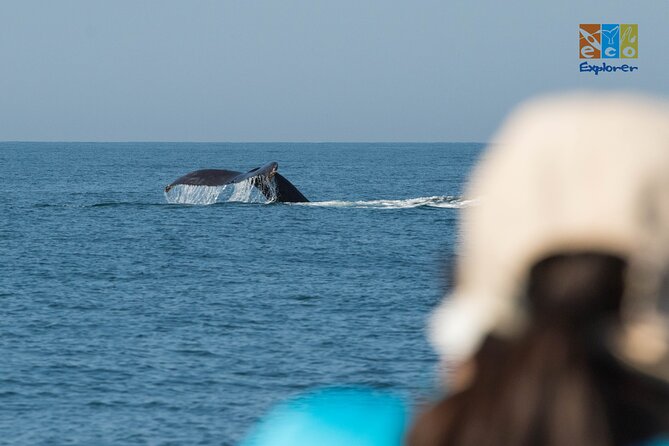
For a 3-hour cruise, the included items are exactly the kind that help you enjoy the time without distraction.
You get:
- Use of life vest
- Hydrophone
- Bottled water
- Snacks and soft drinks
- Boat ride
No lunch is provided. That’s a key detail. If you’re arriving hungry, plan a meal before you go. The snacks are meant to keep you comfortable on the water, not to replace lunch.
Also note that the tour states people under the influence of alcohol or any drug are not permitted. That’s good for safety and it also supports a quieter, more respectful wildlife-viewing environment.
Minimum age recommended is 10 years, and most travelers can participate. If you’re traveling with kids, this is one of the better formats because the time window is short and the crew can keep the experience engaging.
Conservation angle: Bahia Unida and why it matters
This outing isn’t just a “see animals” activity. It includes protection and research for whales conservacy Bahia Unida via wrist bands and government permits.
Why should you care as a traveler? Because responsible rules and permitted operations usually mean the boat is managed with animal welfare in mind. It’s also tied to conservation work, which is the long-term reason whale watching is sustainable in the first place.
You’ll still enjoy the show either way. But this layer gives the day more meaning than pure sightseeing.
Weather and wildlife: the one factor you can’t control
The tour requires good weather. If conditions aren’t right, it can be canceled, and you’ll be offered a different date or a full refund. This matters because whale watching can go from excellent to frustrating fast if conditions make spotting difficult.
So here’s my practical advice: if you have only one day in Puerto Vallarta, you’re rolling the dice a bit. If you can, book this as part of a longer window so you have an alternate day if the sea decides to be stubborn.
The good part: the experience is clearly set up for flexible outcomes. You’re not trapped in the mindset of one single promise. The crew’s job is to find wildlife when conditions allow it.
Who this private whale-watching trip is best for
I think this tour fits best if you want a guided, thoughtful experience and you value privacy.
It’s a strong choice for:
- Couples and small families who don’t want to be jostled
- Small groups who want the crew’s full attention
- People who care about responsible wildlife viewing and conservation support
- Anyone who wants both sight and sound (hydrophone)
If you’re the kind of traveler who gets bored with long, vague tours, this one’s tight time-wise and actively guided. If you just want a passive boat ride, you might still have fun, but you’ll enjoy it more if you’re ready to pay attention while the crew searches.
Should you book this private whale watch in Puerto Vallarta?
I’d book it if you can work with good weather and you want a private group experience where the crew explains what you’re seeing. The hydrophone, the conservation tie-in (Bahia Unida wrist bands and permits), and the guide names that keep coming up—Carlos, Emilio, and Hector—are the big reasons.
Skip it or rethink the timing if your schedule is rigid and you can’t accept a weather-based change. Whale watching is never a factory product, and the sea has the final word.
If you’re flexible with dates and you’re traveling with a group that can fill up to 6, this is the kind of tour where the value can feel especially good for what you get.
FAQ
How long is the Private Whale Watching tour?
The tour lasts about 3 hours.
How much does the tour cost?
The price is $650.00 per group for up to 6 people.
What’s included in the tour?
Included are the hydrophone, bottled water, boat ride, use of life vest, snacks, and protection and research support for whales conservacy Bahia Unida (wrist bands and government permits).
Where is the meeting point and when does it start?
It starts at Tours Eco Explorer Vallarta, Proa 22, Marina Vallarta, 48335 Puerto Vallarta, Jal., Mexico, at 11:30 am. It ends back at the meeting point.
Is lunch included?
No. The tour lasts about 3 hours and does not include lunch. You’ll have snacks and soft drinks instead.
Are there any additional fees?
Yes. There is a government fee of $6.00 per person.
What happens if the weather is bad or you need to cancel?
Free cancellation is available. You can cancel up to 24 hours in advance for a full refund. If the experience is canceled due to poor weather, you’ll be offered a different date or a full refund.