REVIEW · PUERTO VALLARTA
Whale Watching Experience
Book on Viator →Operated by Vallarta Adventures · Bookable on Viator
Humpbacks come close in winter. This Puerto Vallarta whale-watching trip uses a speedboat to reach the action fast, and the hydrophones let you hear whales underwater while a marine mammal expert helps you read what you’re seeing. It’s a simple formula: get out quickly, stay alert, and learn enough to make every sighting feel meaningful.
I especially like the hands-on feel—small-group spotting and guidance—plus the way the expert talks set you up for realistic whale behavior (dives, pauses, and sudden breaching). You’ll also get included purified water and a light snack, so you’re not scrambling for basics while you’re focused on the water.
One watch-out: the boat is basic. There are no toilets and no shaded areas, so you’ll want to plan for weather and comfort before you leave the dock.
In This Review
- Key things to know before you go
- Winter humpbacks in Banderas Bay: timing that actually matters
- Speedboat routing from Vallarta Adventures: getting close fast
- Hydrophones and marine mammal experts: how to hear whale song
- What you might spot: breaches, calves, and dolphin extras
- Boat reality check: no bathrooms, bring a fleece
- Price and extra fees: what to budget for
- Should you book this Puerto Vallarta whale watching trip?
- FAQ
- How long is the whale-watching tour?
- What does the $89 price include?
- What extra fees should I expect to pay?
- Is hotel pickup included?
- Where is the meeting point?
- Are there toilets or shaded areas on the boat?
- Are drones allowed on this tour?
- Is the group large?
- What happens if the weather is bad?
Key things to know before you go
- Speedboat-first route helps you get to whale areas quickly and adjust as whales move.
- Hydrophones included so you can listen to humpback calls under the surface.
- Winter migration happens nearby in sheltered Banderas Bay where humpbacks breed and raise calves.
- Max 30 travelers keeps the group smaller and helps with maneuvering during sightings.
- Extra fees are part of the real cost: MX$40 port admission plus MX$25 conservation fee.
Winter humpbacks in Banderas Bay: timing that actually matters
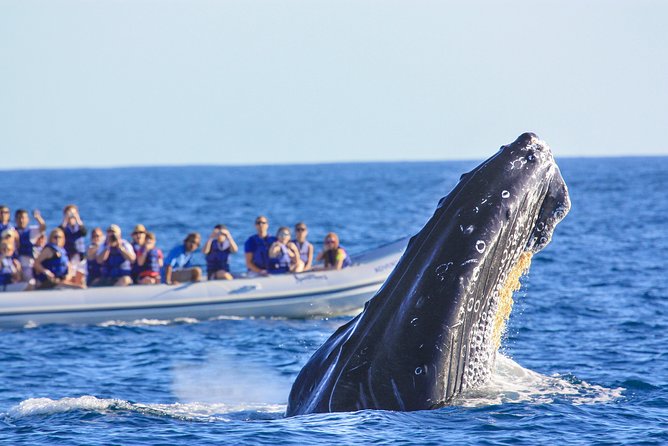
Puerto Vallarta sits on Banderas Bay, where humpback whales spend winter migrating in from colder feeding grounds. The goal of the season is breeding and rearing calves, and that’s why the coast around Vallarta can feel like a real-life whale nursery during this time of year.
What I like about this setup is that it’s not just about spotting random wildlife. The tour runs with the migration pattern in mind, so your time on the water is aimed at the moments when humpbacks are most likely to show behavior you can actually observe—slow traveling, mother-calf interaction, and sometimes sudden surface action.
It’s also why guides spend time managing expectations. A whale isn’t a show pony; it moves on its own schedule. When you know that, you stop feeling like you missed something if the whales aren’t at the surface every minute.
You can also read our reviews of more tours and experiences in Puerto Vallarta.

Speedboat routing from Vallarta Adventures: getting close fast
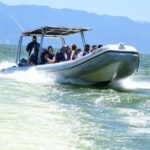
You’ll meet at Vallarta Adventures at the Terminal Marítima Puerto Mágico. From there, you head out by speedboat, designed to help you reach whale areas quickly and position as pods change direction.
The speedboat choice makes a noticeable difference. In real terms, faster transit means more useful time watching and less time steaming around. It can also help the crew stay agile when whales surface in different spots, so you’re not stuck waiting for your one perfect viewing point.
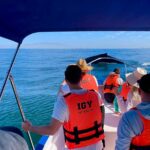
The tradeoff is comfort. Speedboats don’t offer a lot of onboard amenities, and the ride may feel brisk, especially with wind off the water. One practical tip: use the restroom before you board because there’s none on board.
Duration is listed as about 3 hours, but your total time can run shorter depending on conditions and where whales are that day. Plan your morning as a focused block, not something you can confidently stretch into a long lunch reservation right after.
Hydrophones and marine mammal experts: how to hear whale song
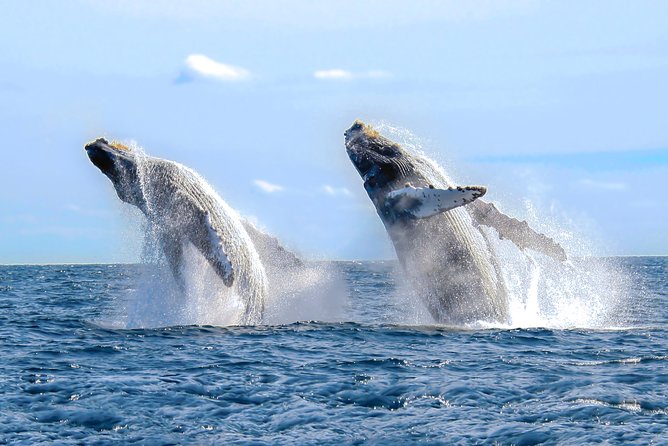
This tour isn’t just visual. The big upgrade is the hydrophone kit included on board. When whales sing or call, the microphone in the water turns it into something you can actually react to in real time.
That audio piece changes how you experience the trip. You stop thinking of whale watching as spotting shapes and start noticing behavior cues—when whales are likely communicating, when they’re traveling, and when the surface activity seems connected to the moment you’re listening for.
The expert guidance is the other half of the equation. I like that the guides don’t just point and wave. They explain timing and behavior so you understand why a whale might be underwater longer than you expect, then why it can surface in a burst of activity.
You’ll hear different guide styles on different days. Names that show up in past tours include Chai, Enrique, and Lilou, along with captains like Chava and Jesus. Even if your day’s cast is different, the same goal is there: help you interpret what you’re seeing and hearing so the time feels worth it.
What you might spot: breaches, calves, and dolphin extras
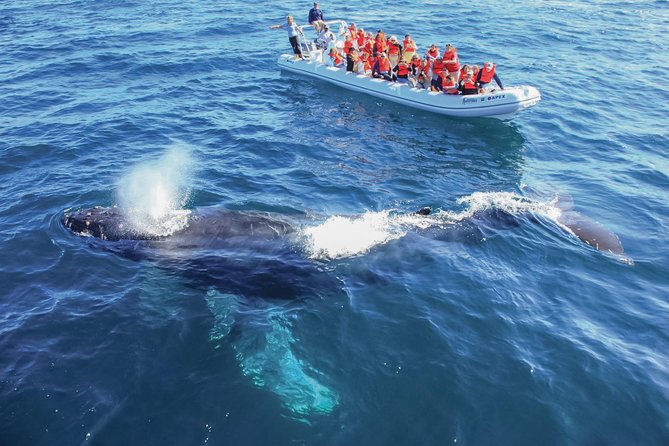
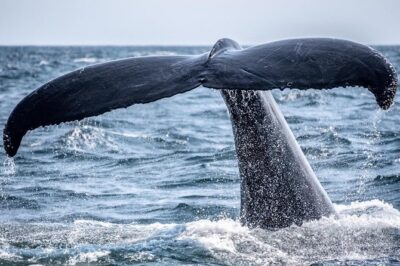
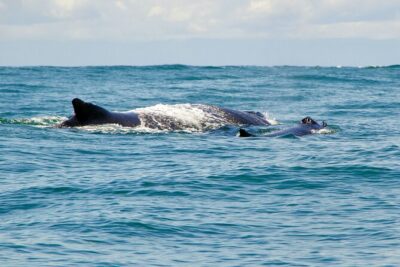
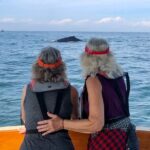
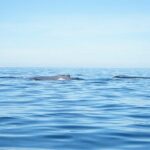
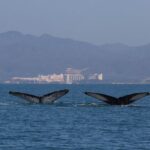
Humpbacks are the headline, but your water time can include other marine life too. Depending on the day, you may see multiple whale groups rather than just one slow encounter.
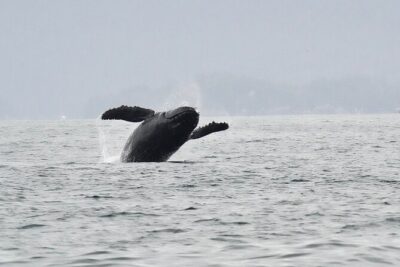
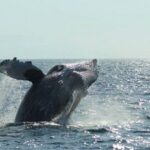
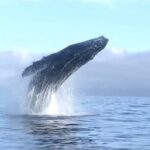
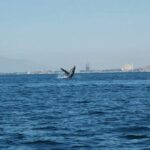
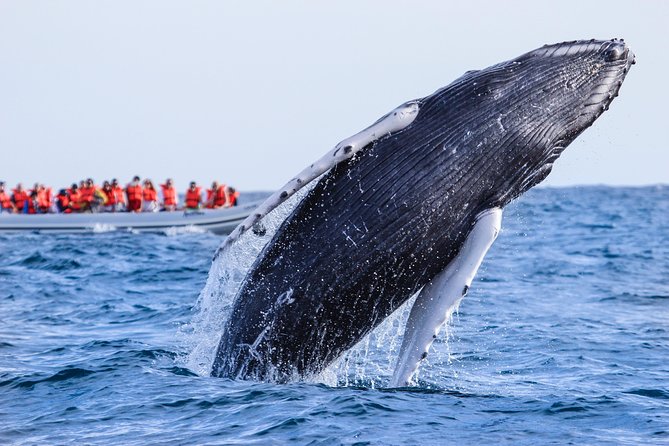
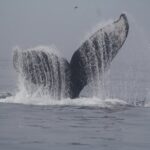
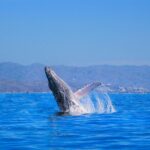
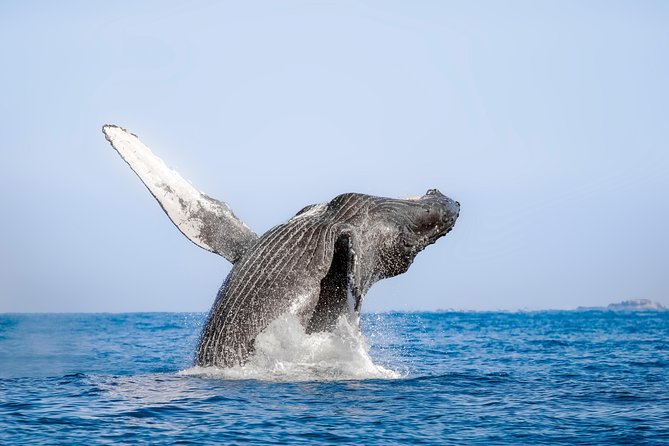
The most memorable moments tend to come from surface behavior. Past trips have included breaches where whales leap up out of the water, plus mother and baby interactions. One of the coolest patterns is watching how calves behave alongside adults—whether that’s feeding, staying close, or showing new surface behavior as they learn to breathe air.
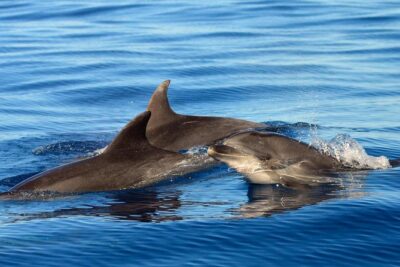
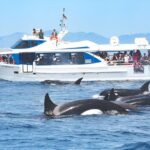
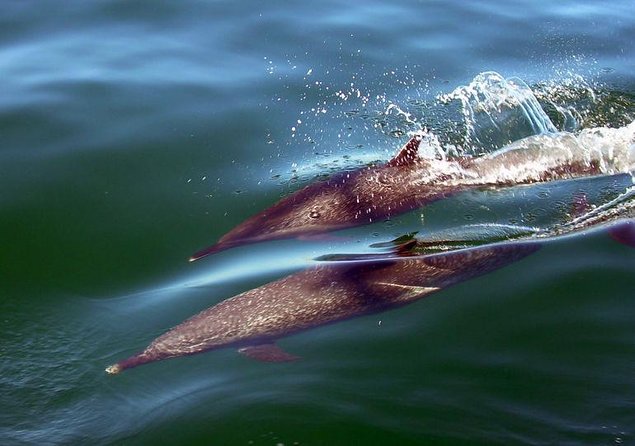
If you’re into variety, you’re in luck. Some tours have also reported dolphins alongside whales, and occasionally other sea life. That doesn’t mean you can count on it every time, but it does mean the crew isn’t only focused on one animal. When the marine environment is active, you can get bonus sightings.
A note on getting close: you want the whales to stay comfortable. The crew will position the boat to view without stressing the animals. If your only goal is getting the absolute nearest possible view, that mindset can clash with conservation rules. Most people end up happier when they treat it as respectful viewing with good odds of multiple sightings.
Boat reality check: no bathrooms, bring a fleece
Here’s the honest packing list logic for this tour: you’re spending time on open water with wind and spray. If you’re used to warm beach mornings, the sea breeze will humble you by hour one.
Expect chilly conditions, especially during winter. People recommend a fleece or lightweight jacket, and for sun-sensitive folks, sunscreen is a must. There’s no shaded area on board, so you can burn even when the air feels cool.
Also remember this: the boat doesn’t have toilets. That single detail drives your comfort more than most things on a boat trip. Before you meet, do the basic routine, then settle in and focus on the water.
On the plus side, you’re not expected to bring food. A light snack and purified water are included, which keeps you from turning whale watching into a hangry sprint for a convenience store later.
Price and extra fees: what to budget for
The ticket price is $89.00 per person, and the tour runs about 3 hours. That cost includes hydrophones plus the light snack and purified water, and it’s offered in English.
Value-wise, the big reasons this can feel like a solid deal are:
- Speedboat access that can maximize your viewing time
- Hydrophones that turn whales into something you can hear, not just see
- Small group size (up to 30), which often keeps the experience more controlled and interactive
Now for the budget math you shouldn’t ignore. Admission Fee is not included: MX$40 per person for Puerto Vallarta. Then there’s an additional MX$25 conservation fee collected at check-in, with proceeds going toward humpback whale conservation. So you should plan on paying MX$65 per person in local fees on top of the $89 ticket.
One more practical tip from how this runs in the real world: have some cash for port fees if you can. It reduces stress at check-in when you’re trying to get on the water.
Hotel pickup and drop-off are not included. So you’ll be responsible for getting yourself to the meeting point at Terminal Marítima Puerto Mágico on your own.
Should you book this Puerto Vallarta whale watching trip?
I’d book it if you want a focused whale experience that mixes speed, science, and real-world viewing. The hydrophones alone are a strong reason to choose this over a basic whale spotter cruise, and the small group cap makes it easier to feel connected to what the crew is finding.
I’d think twice if your top priority is lots of onboard comfort. With no toilets and no shade, this is more “get out there and watch” than “hang out on the boat.” If that’s fine with you, you’re in great shape.
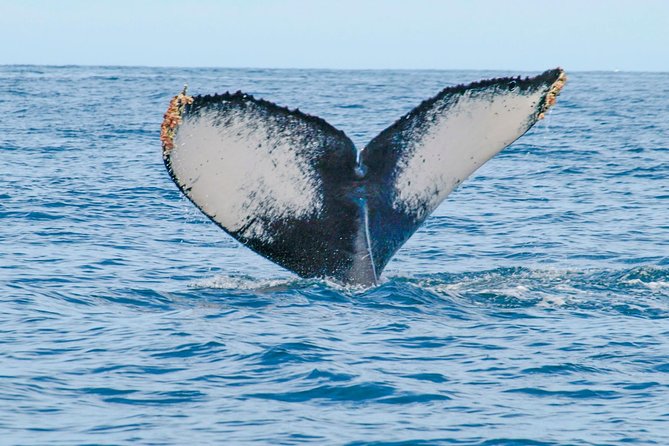
Also, be honest about what you’re chasing. Humpbacks come when they want. The best days include multiple whale groups, breaching, and calf moments, but the ocean sets the schedule. If you can roll with that, you’ll likely have one of the most memorable mornings you’ll have in Puerto Vallarta.
FAQ
How long is the whale-watching tour?
The tour runs about 3 hours (approx.).
What does the $89 price include?
It includes hydrophones, a light snack, and purified water, and it’s offered in English.
What extra fees should I expect to pay?
You’ll need to pay an admission fee of MX$40 per person, plus an additional MX$25 conservation fee collected at check-in.
Is hotel pickup included?
No. Hotel pickup and drop-off are not included.
Where is the meeting point?
You meet at Vallarta Adventures, Terminal Marítima Puerto Mágico, Puerto Mágico, Heroica Escuela Naval, Blvd. Francisco Medina Ascencio 30-G1, Zona Hotelera Nte., 48333 Puerto Vallarta, Jal., Mexico.
Are there toilets or shaded areas on the boat?
No. This type of boat does not offer toilets or shaded areas onboard.
Are drones allowed on this tour?
No. Drones are prohibited to protect the flight path of endemic birds.
Is the group large?
There’s a maximum of 30 travelers.
What happens if the weather is bad?
This experience requires good weather. If it’s canceled due to poor weather, you’ll be offered a different date or a full refund. You can cancel for a full refund up to 24 hours in advance.