REVIEW · PUERTO VALLARTA
Whale Watching Adventure – Led by a Marine Biologist
Book on Viator →Operated by ECOTOURS VALLARTA · Bookable on Viator
Whale music starts before you hit the water. In Puerto Vallarta, this 3.5-hour outing is guided by marine biologists and includes a hydrophone so you can hear humpback calls, not just see them. The format also keeps things personal: a tight group, smart spotting, and a pre-boat lesson that helps the ocean feel less random.
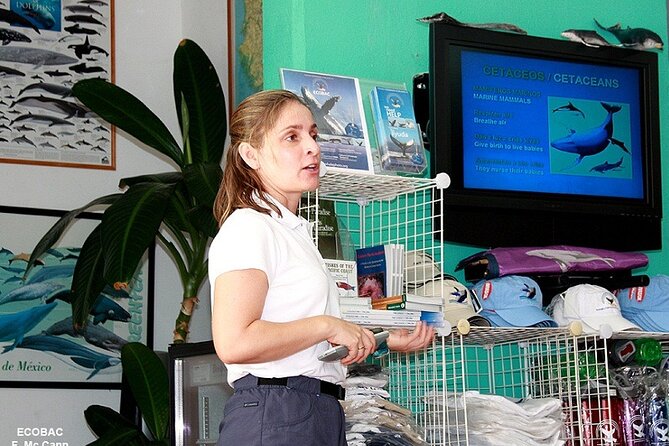
I really like how the trip starts with an in-office briefing at Ecotours Vallarta, where guides like Francisco often frame what you are about to witness: migration, behavior, and what to look for once you are underway. I also love the science-forward touch on the water, including a lecture and whale audio you can actively listen to, not just a standard lookout tour.
One consideration: you are out on the water for hours, and if it gets choppy, some people can feel sea-sickness. The crew has helped guests manage it with small bites like ginger, but it is still smart to plan for motion.
In This Review
- Key things to know before you go
- Whale biologists and the short prep that makes sightings click
- Hydrophone whale songs: what you can actually listen for
- Small-group whale spotting with a captain who finds the action
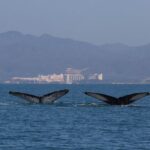
- What sightings look like in Banderas Bay
- Food, comfort, and motion: plan for a 3.5-hour morning
- Ecotours Vallarta style: respectful watching that still lets you see close
- Who should book this marine biologist whale watch
- Price and value: what you get for the money
- Should you book this Puerto Vallarta whale watch?
- FAQ
- Where is the meeting point and what time does the tour start?
- How long is the whale watching adventure?
- What group size should I expect?
- Do you provide a way to listen to humpback whale sounds?
- What food and drinks are included?
- What is not included in the price?
- Is there a restroom available?
- Are there age restrictions, and what happens if weather is poor?
Key things to know before you go
- Marine biologists guide the whole experience: you get real biology and behavior context, not just a script.
- Hydrophone listening is the star: hear humpback sound through underwater audio equipment.
- Small groups max out at 14: more time for questions and easier whale-spotting.
- Start with a short biology talk: a quick prep session helps sightings make sense fast.
- Comfort includes water and light bites: coffee or tea, refillable water, sodas, granola bars, and a light bite.
Whale biologists and the short prep that makes sightings click
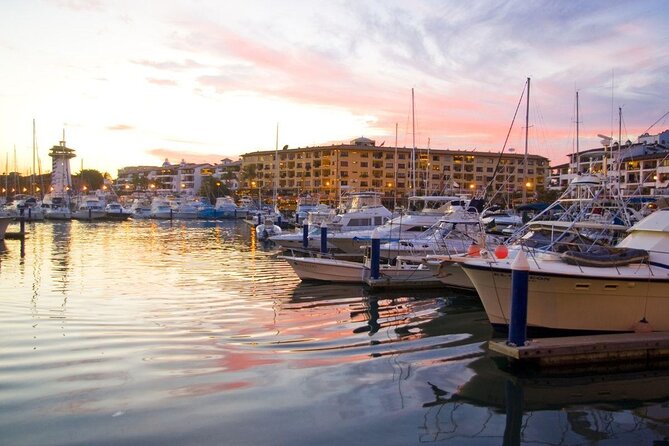
The day begins at Ecotours Vallarta / Proa 20 in Marina Vallarta, with a start time of 8:30 am. You will do a first stop around 20 minutes for an informative talk about humpback whale biology, ecology, and behavior, then you will head to the marina for boarding and the quick embark/disembark time.
That brief office session is not filler. It changes how you watch. Once you learn what humpbacks are doing during migration and the kinds of behaviors linked to feeding, social time, and mating season, you start spotting patterns instead of just scanning for a spout. This is where guides like Francisco and Cynthia have been especially helpful, with clear explanations that make the rest of the morning feel organized.
You also get a lecture/video component focused on humpback whale biology before the boat time really ramps up. When you know what a tail slap or a head slap might mean, those moments land harder. And when the hydrophone comes into play later, you already have the context for what you are hearing.
One practical tip: arrive a little early. Even though the tour runs about 3 hours 30 minutes total, you do not want to feel rushed when you are trying to settle in, grab a water refill, and ask one last question.
You can also read our reviews of more tours and experiences in Puerto Vallarta.
Hydrophone whale songs: what you can actually listen for
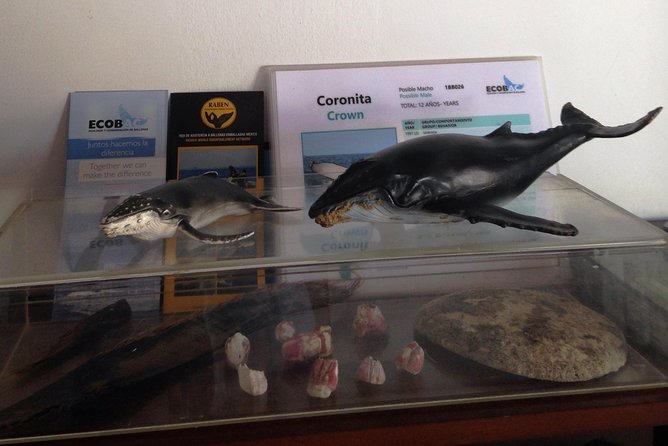
This tour is built around one standout feature: the hydrophone system. The idea is simple and powerful. You are not only looking at humpbacks. You are also listening to their underwater sounds, including the male humpback whale calls that guests describe as like whale talking through the equipment.
On many whale watches, the “sound” part is vague. Here it is direct. You will hear whale audio via the hydrophone during the outing, supported by a lecture about humpback biology. That combination matters because the sound is not just a cool effect. It helps you understand whale behavior as communication, not background noise.
A unique bonus that guests have mentioned: sometimes you may hear whales without needing the audio device, depending on conditions. That is not something you can count on, but it is a reminder that the ocean can be loud in its own way if you are tuned in.
What I like about this approach is that it respects your curiosity. You can ask questions about what you are hearing and why. And once you connect “sound” to “behavior,” you start watching differently. You notice when whales change pace, when groups come closer, and when a behavior feels like display or interaction.
Small-group whale spotting with a captain who finds the action
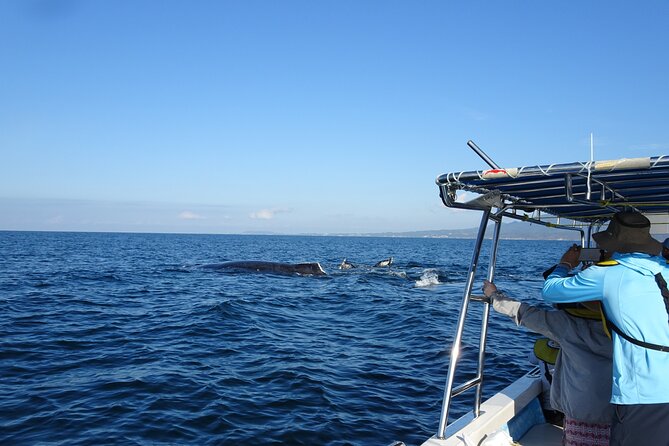
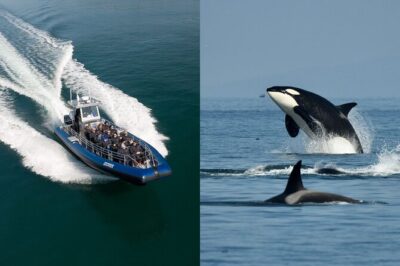
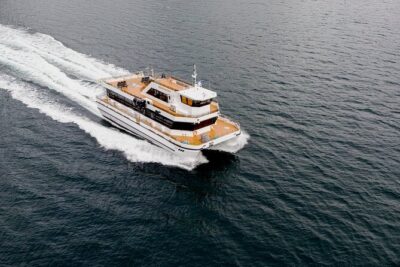
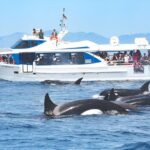
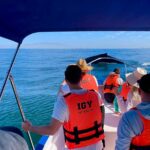
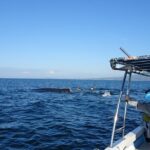
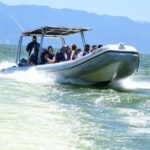
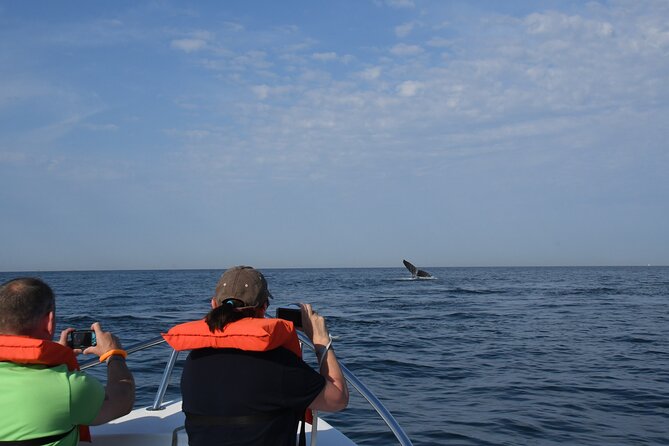
You will be on a boat designed for viewing, with open sides for watching and a canopy overhead for sun protection. Everyone gets the life vest standard, and the crew focuses on positioning so you spend less time drifting and more time actually watching whales.
The small group size is capped at 14 travelers. That limit shows up in how the trip feels. You are not stuck behind a wall of shoulders, and it is easier for the biologist to answer questions. Guests have also described boat stability as a plus when sea conditions are decent, which helps you concentrate on the sightings.
Spotting skills matter here because humpbacks are not always at the exact distance you want. Captains and spotters like Raphael, Rafael, Martin, and Raphaell have been singled out for getting to sightings fast and taking the time to wait once whales are located. One guest described a moment where the captain turned the engine off and simply waited for whales to circle close to the boat. That kind of patience often leads to better views and a calmer experience for everyone.
A boat watch is still a boat watch, though. Some mornings bring a lot of surface time, others are more subtle. Your best odds come from a team that looks hard and moves smart when they find the right area.
What sightings look like in Banderas Bay
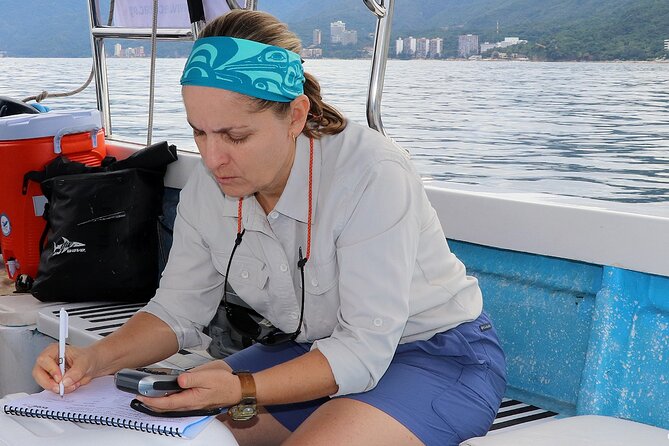
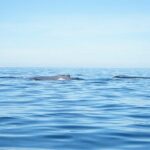
In Puerto Vallarta, humpbacks can show up with a mix of behaviors that are exciting to watch and easier to interpret when you have the biology behind you. Based on what guests have consistently reported, you can realistically expect at least some combination of the following:
- Mothers and calves: often the most emotional and memorable moments.
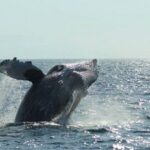
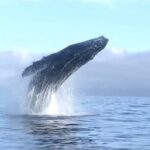
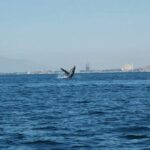
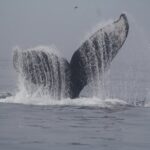
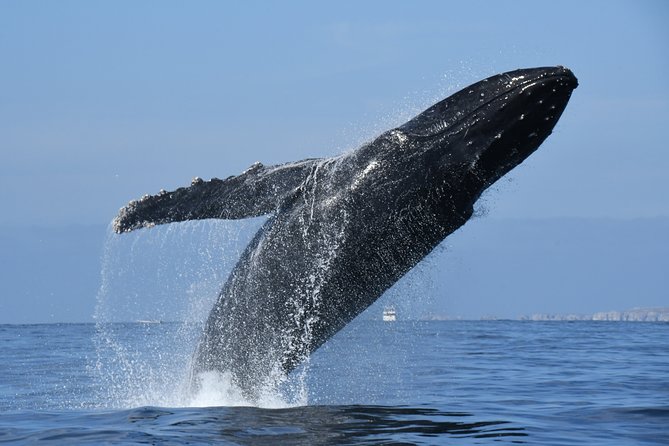
- Breaches and slapping: fluke slaps, head slaps, and full-on leaps can happen when whales are active.
- Male display and competition-like behavior: sometimes you see groups of males with dramatic, attention-getting actions.
- Dolphins: several guests mention frequent dolphin sightings alongside whales.
- Sea turtles: one common add-on sighting.
- Manta rays: occasionally, depending on the day.
Guests have described seeing anywhere from around 9 whales to 17, and even over 20 in some cases. The point is not to promise a specific count. The point is that when the team finds the right area, humpbacks can be surprisingly present, and you can get multiple close behavioral moments in a single trip.
If you are the kind of person who loves the details, humpback behavior gives you that. Head and tail slaps tell you something is happening below or nearby. Breaching is dramatic enough to feel like theater, but the biologist’s explanations help you understand why whales might surface and what their energy could be doing in that moment.
Also, keep your expectations flexible. Some mornings are “watching,” where you get longer looks at whales hanging around. Others are “chasing,” where the crew moves to new locations to maximize sightings. Either way, the science lesson helps you stay engaged rather than just hoping for a spout.
Food, comfort, and motion: plan for a 3.5-hour morning
Let’s talk about the practical comfort side, because it affects how much you enjoy the boat time.
Included with the trip: coffee or tea, refilled water, a light bite, sodas, and granola bars. That is a nice mix for an 8:30 am departure, especially if you want to avoid an empty stomach while you are out on the water. It also means you can keep your hands free for photos and listening, instead of juggling snacks.
Alcoholic beverages are not included, so if you like to sip while you travel, you will need to pass on that here. For most people, that is probably a good thing. Whale watches are better when you stay alert and comfortable.
What about restrooms? The tour includes a restroom on board. That said, one guest noted that there was no bathroom. I cannot promise you which setup your boat will use that day, so I recommend you plan conservatively and ask when you check in. If you are prone to needing a restroom often, bring your own comfort plan anyway.
The biggest comfort wildcard is motion. One guest described a bumpy ride that led to nausea, and another noted the crew had ginger bites ready. You do not know your exact sea conditions, so bring your own motion-sickness strategy if you have one. Even if the crew helps, you will enjoy the trip more if you are proactive.
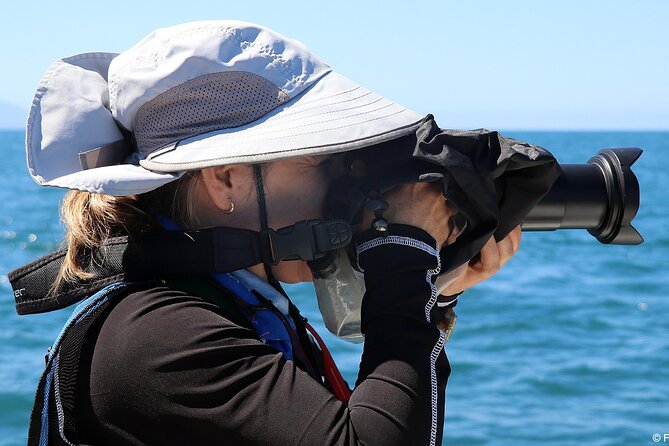
Finally, pack for sun and salt air. A canopy helps, but you are still under open skies. Bring sunglasses, a hat, and sunscreen, and keep your phone or camera protected from spray.
Ecotours Vallarta style: respectful watching that still lets you see close
A whale watch lives or dies by ethics and behavior around wildlife. This experience is run as a professional operation focused on respectful viewing, and it shows up in how the crew handles time around whales. Guests describe a calm, wait-and-watch approach once a whale is found, rather than constant circling.
You can also feel that eco-friendly tone when the biologist leads the interpretation. The goal becomes understanding and observing, not just collecting a photo. When the captain and the marine biologist coordinate, you tend to spend more time watching real behavior and less time guessing.
This matters for you even if you are not a “whale nerd.” When you know what you are seeing, you stop treating it like a random spectacle and start treating it like a living system doing living things. That is where “value” becomes more than just cost. It is how satisfying the experience feels.
Who should book this marine biologist whale watch
This is a great match if you want more than a generic tour. If you care about animal behavior, communication, and the science behind what you are seeing, you will appreciate the lecture and hydrophone component.
You should also consider it if you like small groups. With a maximum of 14 travelers, the tour avoids the chaos of big boats. That means easier spotting, more chances to ask questions, and less feeling like a human traffic jam.
It may be less ideal for very young kids. The tour is not recommended for children age 2 and under, and children must be accompanied by an adult. If you are bringing a child, you will want to think about their tolerance for the boat ride length and morning timing.
And if you are sensitive to motion, plan ahead. Choppy water can happen, and you will be happier if you come prepared rather than hoping for smooth seas.
Price and value: what you get for the money
We do not have the full base ticket price here, but we do know what is included and what costs extra. The boarding fee at Ecotours Vallarta is $5.00 per person, and alcoholic beverages are not included.
So where is the value? It is in the combination:
- a marine biologist-led format with a dedicated lecture,
- hydrophone listening (a major differentiator from typical whale watching),
- and thoughtful onboard refreshments (coffee/tea, water refills, sodas, granola bars, and a light bite).
If you have done other whale watches where you pay mostly for time on the water, this one gives you a reason to learn in advance and listen while you watch. That is usually what turns a nice outing into a memorable one.
One more value tip: check whether you are paying that boarding fee separately. Since it is listed as not included, you want to know what you will owe on top of the tour price so you can budget without surprises.
Should you book this Puerto Vallarta whale watch?
Yes, I think you should book it if you want a whale watch that leans scientific and stays personal. The best reason is the hydrophone plus marine biologist leadership. That combo turns the trip into more than just spotting animals; it becomes a guided encounter with whale behavior and communication.
Book it especially if you enjoy details and want a small-group morning where you can ask questions and focus on what the whales are doing. If you are prone to motion sickness, bring your plan and keep expectations flexible about sea conditions.
If your main goal is only a quick whale photo with no interest in biology, you might find the setup slightly more structured than you need. But if you like learning while you look, this is one of the stronger formats in Puerto Vallarta.
FAQ
Where is the meeting point and what time does the tour start?
The tour starts at Ecotours Vallarta / Proa 20, Marina Vallarta, 48335 Puerto Vallarta, Jal., Mexico. The start time is 8:30 am.
How long is the whale watching adventure?
The duration is approximately 3 hours 30 minutes.
What group size should I expect?
This tour has a maximum of 14 travelers.
Do you provide a way to listen to humpback whale sounds?
Yes. The tour includes a hydrophone system to listen to marine mammal sounds, including male humpback whales, and there is also a lecture about humpback whales.
What food and drinks are included?
Included refreshments are coffee or tea, refilled water, a light bite, sodas, and granola bars.
What is not included in the price?
Alcoholic beverages are not included. There is also an Ecotours Vallarta boarding fee of $5.00 per person.
Is there a restroom available?
A restroom on board is listed as included, though it can be smart to confirm based on the boat used that day.
Are there age restrictions, and what happens if weather is poor?
Children must be accompanied by an adult, and the tour is not recommended for children age 2 and under. The experience requires good weather; if it is canceled due to poor weather, you will be offered a different date or a full refund.