REVIEW · LORETO
Whale Watching Adventure in Loretos Sea of Cortez
Book on Viator →Operated by Aventuras Tours · Bookable on Viator
Blue whales, no rush, just patience. In Loreto’s Sea of Cortez waters, this 5-hour ocean safari centers on whale sightings at the National Park Bahia de Loreto, with the Sierra de la Giganta mountains and nearby islands in the background.
I like the calm, respectful approach to spotting whales: Captain Fernando’s philosophy is to wait for animals to come close, rather than chasing them. I also like that the day feels full, not rushed, with onboard time that can include lunch such as ceviche and beer.
One thing to consider: your day may run longer than the stated 5 hours depending on where and when sightings happen, and you may also need to buy national park bracelets on site (one report put it at $17 US).
In This Review
- Key things to know before you go
- Bahia de Loreto: the “where” that makes whale watching work
- 8:00 am start and what the day really feels like
- Captain Fernando’s patient spotting method (and why it’s smart)
- What you’ll likely see in the Sea of Cortez
- The only stop: time on the water in the national park zone
- Lunch onboard: ceviche and beer energy
- Price and value: is $185.52 worth it?
- Who should book this whale watch in Loreto
- Practical tips that help you get the most from the day
- Should you book the Whale Watching Adventure in Loreto?
- FAQ
- What is the price of this whale watching tour in Loreto?
- How long does the tour last?
- What time does the tour start?
- Where do I meet for the tour?
- What animals are they looking for?
- Is the tour offered in English?
- How large is the group?
- Do I need to pay for anything related to the national park?
- What happens if the weather is bad?
Key things to know before you go
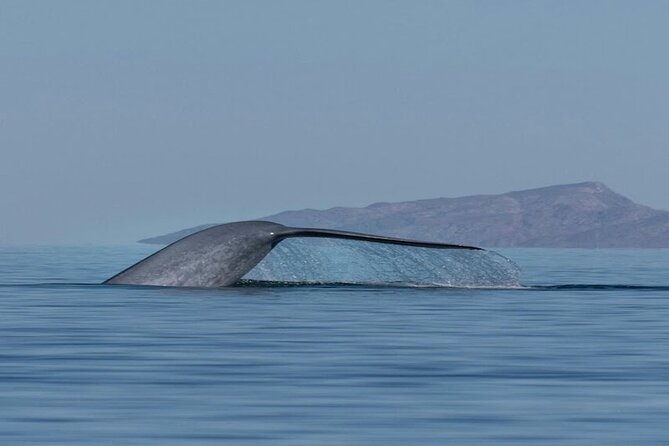
- Small group size (up to 16): less crowding, more room for the crew to manage sight lines.
- National Park Bahia de Loreto waters: the search area includes the Sierra de la Giganta and multiple islands inside the protected zone.
- Patient whale-spotting style: the crew looks for signs like blow locations, then waits for the best, safest viewing.
- English-friendly: the experience is offered in English.
- What you’re likely to see: blue whales, humpback whales, and other marine mammals like dolphins.
Bahia de Loreto: the “where” that makes whale watching work
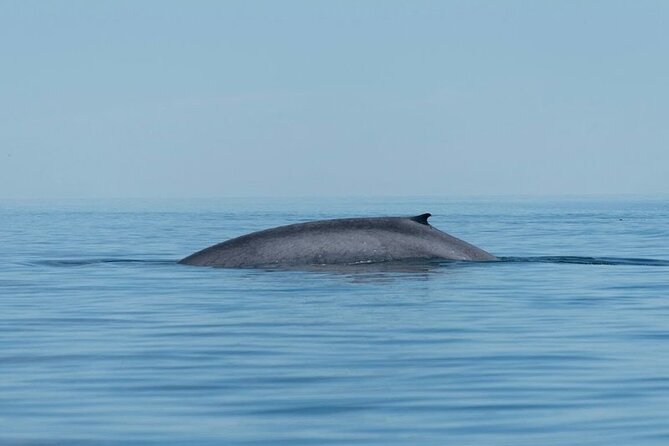
If you want whale watching that feels connected to a real place, Loreto’s Bahia de Loreto is the right kind of setting. You’re out on the protected waters of a national park, with the Sierra de la Giganta mountain range framing the coastline.
This matters because whales don’t show up on a schedule. A protected area with a steady mix of marine life tends to give the crew more chances to find whales, whether you’re specifically hoping for blue whales or you’re open to other mammals.
You’ll also be watching with a backdrop of islands inside the national park. That means sightings can come from different angles and distances, and it helps explain why the crew’s strategy is so tied to waiting and positioning rather than speed.
You can also read our reviews of more tours and experiences in Loreto.
8:00 am start and what the day really feels like
The tour starts at 8:00 am at Malecon Baja California Peninsula, 23880 Loreto, B.C.S., Mexico. It’s designed to loop back to the same meeting point when you’re done, so you’re not juggling a transfer to a different part of town.
The listing says about 5 hours, but plan for flexibility. One account mentioned being back closer to 3 pm, closer to a 7-hour day, which is exactly what can happen when whales show up farther out or when the crew needs extra time to get the best view without stressing the animals.
What I take from that: treat this as a morning-to-early-afternoon commitment, not a strict clock-punching schedule. If you’re building your trip around it, give yourself some breathing room afterward.
Captain Fernando’s patient spotting method (and why it’s smart)
The most praised part of this trip is how the crew hunts for whales. Instead of running around chasing movement, they use signs like the blow (the whale’s exhale) and then settle into the right position.
Captain Fernando specifically stands out for being fun and interesting, but the bigger win is his philosophy: sit and wait so whales have less stress. From a wildlife-viewing point of view, that approach usually feels better for everyone on the boat, because you’re not bouncing from spot to spot.
This also affects your odds of a quality sighting. Waiting gives you time to watch how whales behave once they’re calm and settling into the area, which can be more satisfying than a quick pass-by you barely get to follow.
And there’s a practical angle too. The crew looks for information about where to make sightings, then searches and calculates where the view should be safest and most effective. That mix of local know-how and timing is the difference between “we went looking” and “we actually saw whales.”
What you’ll likely see in the Sea of Cortez
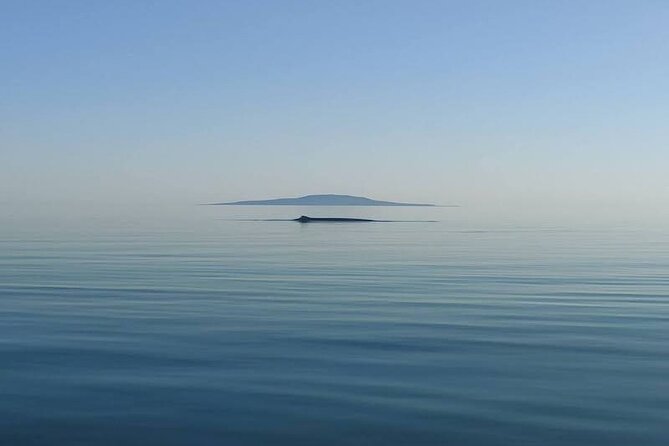
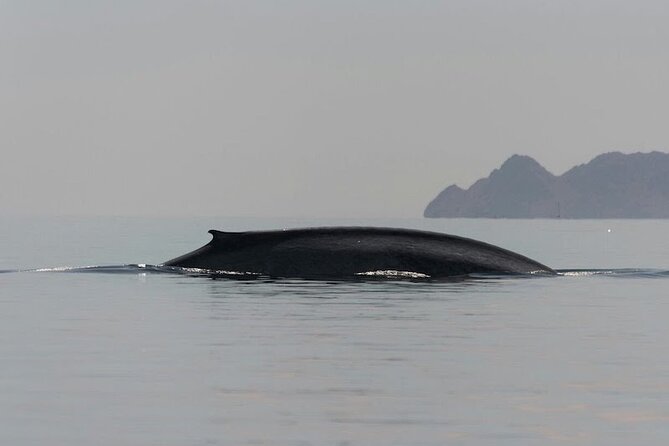
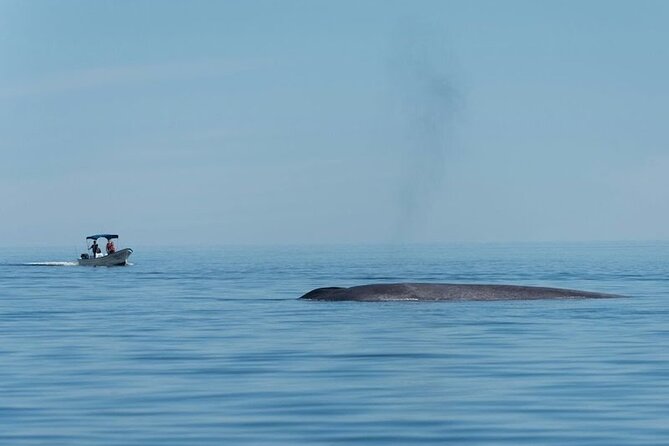
This is a whale and marine-mammal search, so the exact mix can vary. The goal inside the National Park Bahia de Loreto is to find blue whales, along with other mammals that may include humpbacks.
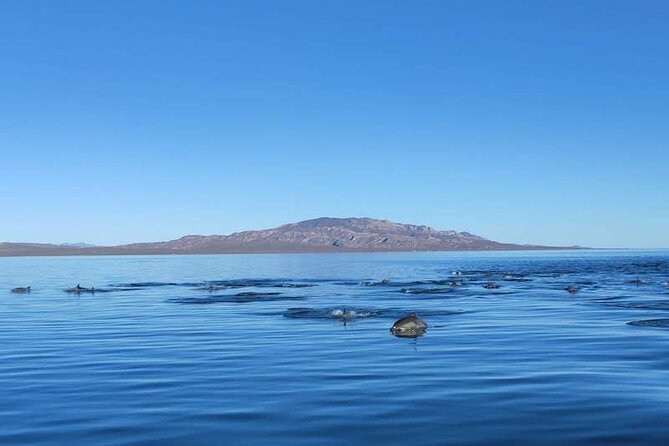
One standout detail from real experiences on the water: people reported seeing lots of blue whales plus humpback whales. Others also mentioned dolphins alongside the whale sightings, which makes sense for this kind of search area where multiple species can overlap.
You shouldn’t expect a guaranteed sighting every single time. Whale watching always has a natural “open your eyes and be patient” element. But the consistent praise for both service and sightings suggests the crew does a lot right—especially their controlled, low-stress approach.
If you’re the type who gets annoyed by tours that feel like a ticket to noise, this is a calmer option. The whole day is built around observation, not spectacle.
The only stop: time on the water in the national park zone
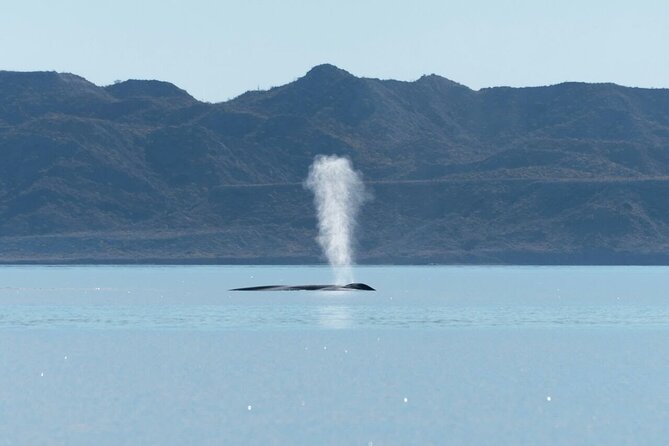
There’s one main focus day: cruising and searching in the waters of Bahia de Loreto within the national park area. You’re surrounded by the Sierra de la Giganta range and the nearby islands, which gives the day a “structured nature” feel, not just open sea.
This single-stop design can be good for you. You spend more time on the actual whale-searching part and less time switching logistics or switching viewpoints. The payoff is more time for repeated observation, especially when the crew is waiting for the right moment.
A note on viewing: because the tour is about positioning, the best sight lines can depend on where the boat is relative to the whales. That’s another reason the crew’s patience matters—if they’re constantly changing, you can miss the clear moment.
Lunch onboard: ceviche and beer energy
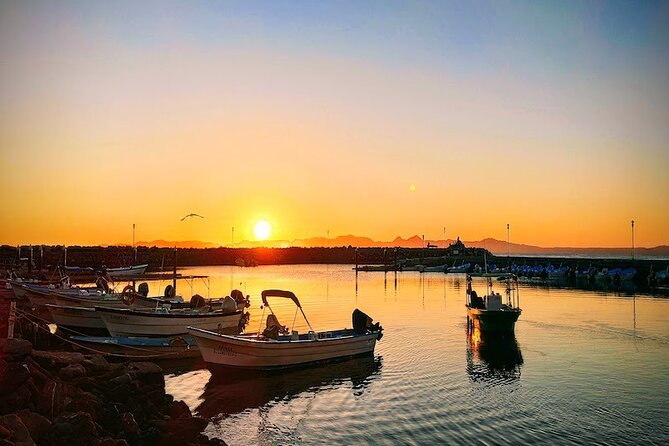
Even with whales as the headline, the day needs to be comfortable and satisfying. One experience highlighted lunch served onboard: ceviche and beer.
That’s the kind of detail that turns a long water day into something you’ll remember in a good way. Salt air and ocean time can work up an appetite fast, and having food ready helps you stay focused on the viewing instead of worrying about finding lunch later.
Not every day will feel identical, so treat this as “plan to eat during the trip if it’s offered on your departure.” Still, the fact that it’s been specifically mentioned in real experiences tells me this isn’t an empty ride with only snacks as an afterthought.
Price and value: is $185.52 worth it?
At $185.52 per person, this isn’t a bargain-basement excursion. The value comes from the combination of small-group size, experienced crew behavior, and the type of whale-spotting strategy they use.
A few value clues stand out:
- Up to 16 travelers: you’re not packed into a crowded boat where it’s hard to see.
- Free admission ticket (with a possible bracelet add-on): the main cruise access is listed as free, but at least one account mentions buying national park bracelets on site for $17 US.
- Service and sighting quality: the overall rating is very high, and people specifically called out how well the crew helps you understand where sightings are happening and why they’re choosing their position.
So here’s how I’d judge value if I were booking for myself. If seeing blue whales and humpbacks is your priority and you care about respectful viewing, this price starts to make sense. If you’re just looking for a quick boat ride, it would be harder to justify.
Who should book this whale watch in Loreto
This works best for you if you want a whale watching experience that feels thoughtful and organized. If you appreciate wildlife-first behavior—waiting for whales rather than chasing—this tour style should fit your expectations.
It’s also a good fit for people who enjoy local expertise. Seeing Captain Fernando’s approach described as patient and informed suggests you’ll get more than luck; you’ll get real “how to watch” guidance.
If you’re traveling with someone who gets seasick easily or hates long stretches on the water, this might still be fine, but you’ll want to be honest with yourself about how you handle boats. The tour depends on being out in open water, and good weather is required.
And if you want to make the most of your time in Loreto, it’s the kind of activity that pairs well with other day plans. One person even said they went out again the next day for other activities, which tells you the experience can build momentum rather than end your adventure day.
Practical tips that help you get the most from the day
This kind of tour rewards the simple things: show up ready, stay flexible, and be willing to wait. The crew’s method depends on patience, and your best viewing often comes when you stop expecting instant results.
I’d also plan for the national park bracelet possibility. Even though the experience lists free admission ticketing, a real account mentioned buying bracelets for $17 US. If you have cash or a card ready, you won’t be scrambling.
Finally, if your schedule is tight, treat this as a “morning commitment with early-afternoon potential.” The stated duration is about 5 hours, but real departures can stretch longer when whales make you wait for the best viewing moment.
Should you book the Whale Watching Adventure in Loreto?
I’d book it if your main goal is to see blue whales (and possibly humpbacks) with a crew that focuses on respectful observation. The small group size, the calm “wait and position” method, and the consistently strong ratings are the kind of combo that usually leads to a satisfying day.
I’d think twice only if you need a very strict time window or you’re not comfortable being out for several hours depending on sightings and conditions. If that sounds like you, choose a day you can flex and keep your afternoon free.
If you can handle a patient approach and you’re excited by the chance to spot whales in Bahia de Loreto, this is the kind of trip that delivers value beyond the ticket price.
FAQ
What is the price of this whale watching tour in Loreto?
The price is $185.52 per person.
How long does the tour last?
It’s listed as about 5 hours, though a longer day has happened depending on conditions and sightings.
What time does the tour start?
The start time is 8:00 am.
Where do I meet for the tour?
The meeting point is Malecon Baja California Peninsula, 23880 Loreto, B.C.S., Mexico.
What animals are they looking for?
The ocean safari looks for blue whales and other different mammals, and sightings may include humpback whales and dolphins.
Is the tour offered in English?
Yes, it’s offered in English.
How large is the group?
The maximum group size is 16 travelers.
Do I need to pay for anything related to the national park?
The tour lists free admission tickets, but one experience mentioned buying national park bracelets for $17 US.
What happens if the weather is bad?
This experience requires good weather. If it’s canceled due to poor weather, you’ll be offered a different date or a full refund.