REVIEW · GOLD COAST
Whale Watching Gold Coast
Book on Viator →Operated by Cooly Eco Adventures · Bookable on Viator
Whales have a way of pulling your whole day into focus. This Gold Coast outing gives you a water-level, eye-to-eye way of watching them, not the usual big-ship look. You cruise along the coast while a skipper and marine naturalist keep you updated as you search for whales in their natural habitat.
Two things I really like: the small-group set-up (max 12) and the fact the boat is built for low viewing. That combination makes it feel more like a focused safari than a rushed sightseeing stop. I also like the live commentary throughout, because you’re not just scanning the ocean—you’re learning what you’re likely seeing and why.
One thing to consider: this experience depends on good weather, and it starts early (6:30am). If you’re hoping for a late-morning start or you’re flexible about wind and swell, plan for that reality.
In This Review
- Key highlights worth putting on your radar
- Entering the water: why the boat setup matters
- The 6:30am start and the simple logistics that keep it easy
- Coolangatta stop: the first chapter of the whale search
- Gold Coast stop: more chances, better angles, and real coastal scenery
- Tweed River leg: where the story continues
- Small-group safari style: why 12 guests feels like the sweet spot
- The live naturalist commentary: what you’re really getting beyond sightings
- Value for money: how $63 stacks up for this kind of outing
- Weather reality: what can affect your day on the water
- Who should book this whale watch (and who might not)
- FAQ
- FAQ
- How long is the Whale Watching Gold Coast tour?
- What time does the tour start, and where do I meet?
- How many people are on the boat?
- What kind of boat is used for whale watching?
- Will I see whales?
- What is the cancellation policy?
- Should you book Whale Watching Gold Coast?
Key highlights worth putting on your radar
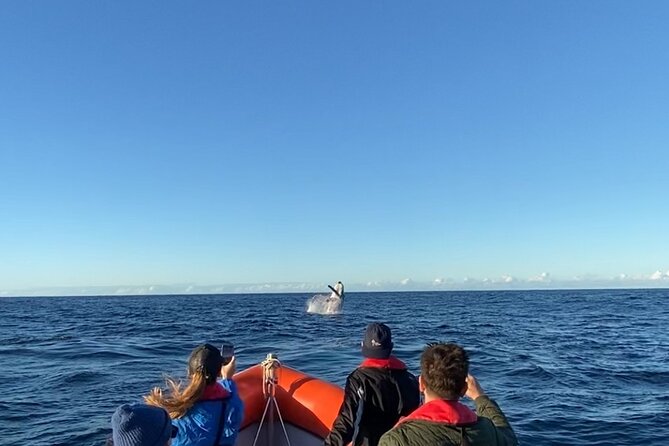
- Eye-level viewing from a low, water-level vessel instead of looking over railings
- Max 12 guests for a calmer, more personal hunt for whales
- Live marine naturalist commentary on whale behavior and migration
- Local skipper know-how for finding the best places to watch
- Stops around Coolangatta, the Gold Coast, and the Tweed River to widen your chances
- A fast 2.5-hour duration that fits well into a busy itinerary
Entering the water: why the boat setup matters
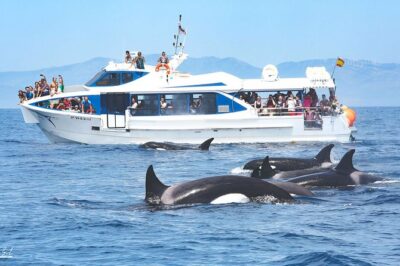
Most whale cruises fail at one basic thing: you end up watching from too high above the water. This tour is different. You ride on a custom-built vessel designed for low, water-level viewing, which means you’re closer to the action and your sightlines are better.
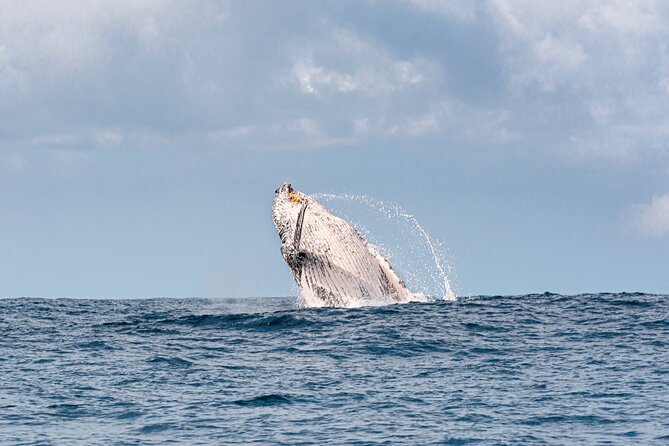
That matters when whales do the quick stuff—short surfacing moments, a spout you catch at the edge of your view, or a single tail flash before they slide back down. When you’re positioned for eye-level viewing, you spend less time guessing and more time seeing. It’s the difference between watching a dot in the distance and actually tracking what the animal is doing.
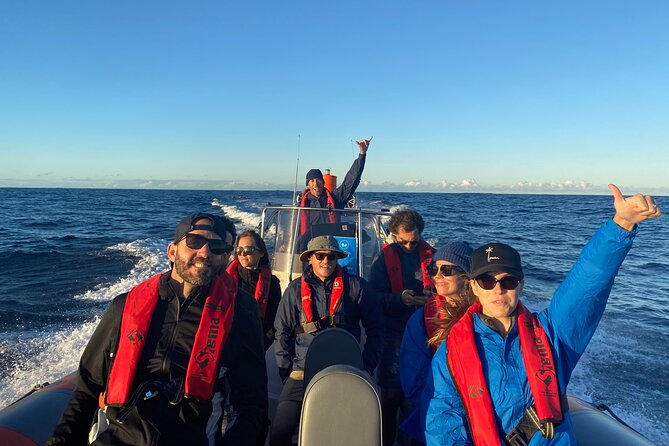
I also like that you’re not stuck on a huge crowd boat. With a maximum of 12 guests, you tend to get a better sense of where everyone is looking and you can focus without constant jostling. It feels unhurried rather than like a cattle-call search.
You can also read our reviews of more tours and experiences in Gold Coast.
The 6:30am start and the simple logistics that keep it easy
The tour meets at 139–151 Chinderah Bay Dr, Chinderah NSW 2487, with a start time of 6:30am. It ends back at the meeting point, so you’re not dealing with any confusing drop-offs or a full-day transfer plan.
You’re out for about 2 hours 30 minutes, which is a sweet spot. Long enough to do real searching along the coast, but short enough that you still have a day left—perfect if you’re planning other Gold Coast activities afterward.
A couple practical tips based on how these early marine tours usually work:
- Dress for the sea. Even in warm seasons, ocean wind can make it feel cooler.
- If you know you’re sensitive to boat motion, you might want to prepare for it. Small vessels can still have chop, especially with early morning conditions.
- Bring something you can comfortably wear for a couple hours of scanning and standing.
Coolangatta stop: the first chapter of the whale search
The itinerary includes Coolangatta as Stop 1. That first leg is all about finding the right patch of water early, before the light shifts and the day’s surface activity changes.
At this stage, you’ll want to stay focused on the water. On whale-spotting trips, the biggest mistake is getting distracted by coastline scenery. Yes, you’ll enjoy coastal views, but your best shot comes from watching for small tells:
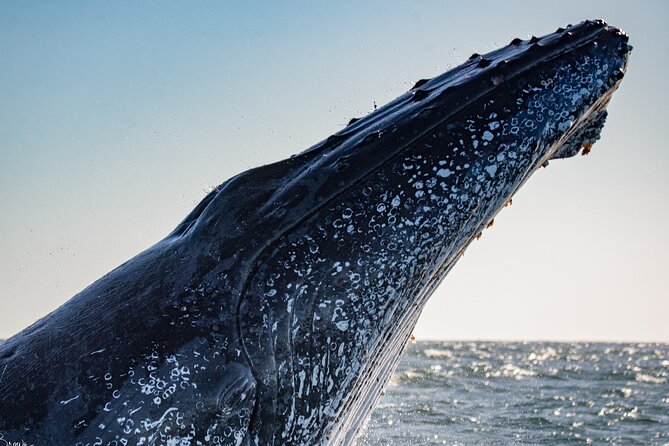
- A sudden spout or misty plume
- A break of the surface followed by a quick movement
- Signs of feeding or movement patterns
The reason Stop 1 matters is simple: whale sightings often happen when conditions line up. If the skipper finds a productive area early, everyone gets the momentum of actually seeing whales sooner rather than later.
One more thing I appreciate: the tour isn’t silent or chaotic. With the naturalist and crew providing live commentary, you’re more likely to understand what you’re looking at while you’re looking at it.
Gold Coast stop: more chances, better angles, and real coastal scenery
Stop 2 is the Gold Coast area. This is where your odds can improve because the crew is effectively widening the search along a longer stretch of coastline.
What I like about adding this stop is that it gives the trip more texture than a one-location cruise. Instead of one static “sit here and hope” approach, you’re moving through areas while the guides monitor whale activity.
This is also when you get the best mix of:
- ocean time (for sightings)
- coastline time (for atmosphere)
You’ll be absorbing that stretch of coast while learning from the onboard skipper and crew commentary, plus the marine naturalist’s insights about whale behavior and migration. Even if whales don’t show at every moment, you’re still getting context that makes the spotting feel smarter instead of random.
The viewing advantage stays the same: you’re in a vessel designed for low water-level viewing, so the action doesn’t have to happen directly in front of you to be visible. That’s a big deal when whales surface briefly.
Tweed River leg: where the story continues
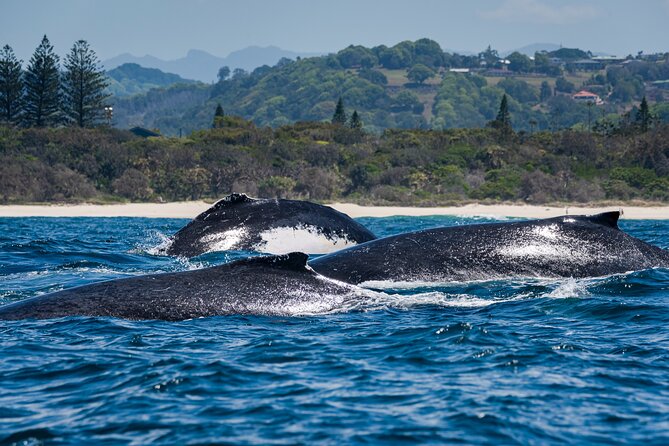
Stop 3 is the Tweed River. This matters because river-adjacent and coastal zones can change the way water moves and where prey activity concentrates. Even if you don’t know the science, you’ll feel the difference as the crew tries different waters and watches how whales respond.
On the Tweed River stretch, you should expect a continuation of the same routine: search, scan, adjust, and then pause for the moments when something is actually happening. Whale watching is rarely just one long viewing session. It’s a sequence of short sightings, repositioning, and then another chance.
Since the tour is designed to keep you at eye level, you’re not stuck relying on binoculars or distant spotting. When whales surface near the boat, you’re positioned to actually track them.
Small-group safari style: why 12 guests feels like the sweet spot
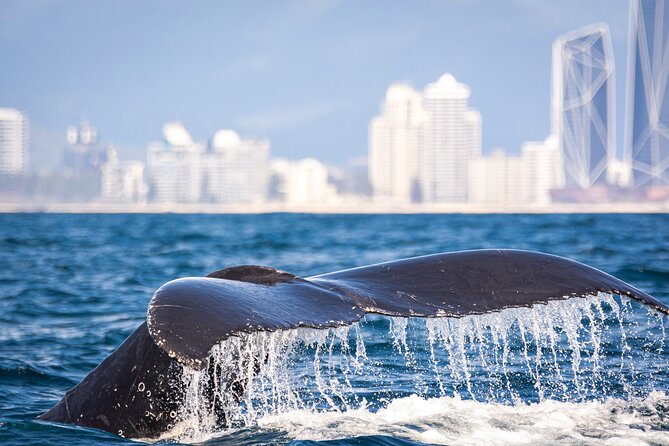
The tour is described as small-group, safari-style whale watching, with a maximum of 12 travelers. That number is big enough to create energy, but small enough to feel personal.
In a group this size, the experience tends to run more smoothly:
- You hear the commentary better.
- You can move to get a view without constantly blocking others.
- The crew can respond faster when conditions change.
It also makes the trip feel less rushed. The tour runs for about 2.5 hours, but it doesn’t feel like every minute is forced. You’re given time to watch, not just pass by.
And yes, it helps psychologically. Whale watching can test your patience. When you’re in a quiet, coordinated group, you’re more likely to enjoy the search itself.
The live naturalist commentary: what you’re really getting beyond sightings
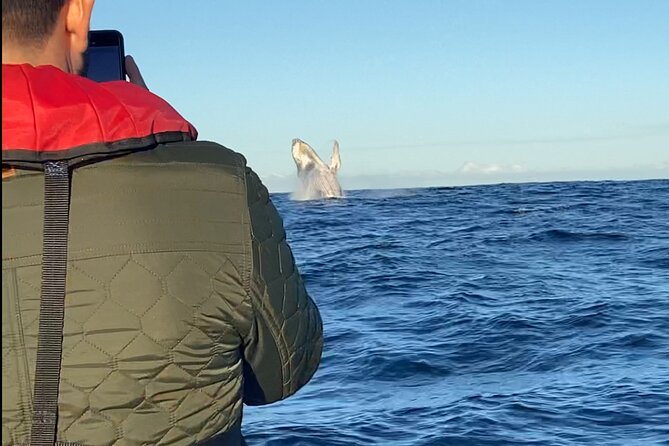
A big part of why this tour gets such strong ratings is that you’re not just chasing a checklist of whale sightings. You get live commentary from a marine naturalist, plus information from the skipper and crew as you cruise.
The naturalist’s job is to explain whale behavior and migration—so when you see surface activity, it’s connected to something meaningful. That turns whale watching from a simple spectacle into a learning experience you can hold onto later.
Even without getting technical, the value is clear:
- You learn what different whale movements can mean.
- You understand why the crew searches certain areas.
- You notice details you might otherwise miss.
If you’ve ever watched wildlife and thought, I saw it, but I didn’t know what I was looking at—this is the fix.
Value for money: how $63 stacks up for this kind of outing
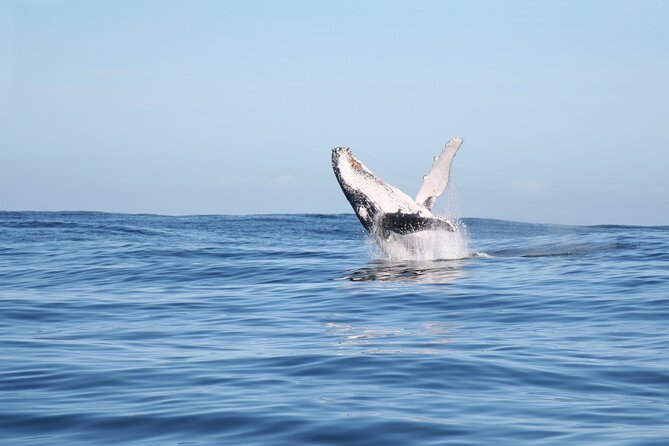
This tour costs $63 for about 2.5 hours. That’s what makes it stand out as a practical choice. It’s also positioned as a cost-effective alternative to chartering a boat or organizing a private experience.
Here’s how I’d think about value as a traveler:
- You’re paying for a purpose-built whale watching setup (low water-level viewing).
- You’re paying for expertise on board (marine naturalist commentary plus local crew knowledge).
- You’re paying for the small-group benefit (max 12), which usually costs more on bigger trips.
If you went the “private” route, you’d likely spend a lot more for the same basic goal: getting eye-level views and staying out long enough to find whales. This option hits a sweet spot—enough structure and expertise to increase your odds, without the price tag of hiring your own boat.
So yes, it’s budget-friendly. More importantly, it looks like the price is buying you the right ingredients: positioning, guidance, and time on the water.
Weather reality: what can affect your day on the water
The tour requires good weather. If it’s canceled due to poor weather, you’ll be offered a different date or a full refund.
That’s not a flaw—it’s the ocean. But it should shape how you schedule the rest of your trip. If you have other tight plans that can’t move, keep a little buffer in your schedule when booking early morning tours.
Who should book this whale watch (and who might not)
This fits best if you:
- Want a high-odds, guided whale watching experience rather than a DIY search.
- Like small groups and you prefer a calmer vibe.
- Have a packed itinerary and need something that’s only about 2.5 hours.
- Appreciate education as much as the sighting itself.
It may be less ideal if you strongly dislike early starts or you’re traveling on a schedule that can’t handle weather-related changes.
FAQ
FAQ
How long is the Whale Watching Gold Coast tour?
It runs for about 2 hours 30 minutes.
What time does the tour start, and where do I meet?
The start time is 6:30am, and the meeting point is 139–151 Chinderah Bay Dr, Chinderah NSW 2487, Australia.
How many people are on the boat?
The maximum group size is 12 travelers.
What kind of boat is used for whale watching?
You travel on a custom-built vessel designed for low, water-level viewing so you can have eye-level perspectives.
Will I see whales?
The experience states that you will encounter whales during the tour.
What is the cancellation policy?
You can cancel for a full refund up to 24 hours in advance of the experience’s start time. The tour also requires good weather, and if it’s canceled due to poor weather you’ll be offered a different date or a full refund.
Should you book Whale Watching Gold Coast?
I’d book it if you want a smart, cost-effective whale watching experience with eye-level viewing, a small group, and live naturalist commentary. The timing is also friendly—about 2.5 hours—so you can fit it into a busy Gold Coast itinerary without sacrificing your whole day.
If you’re okay with an early 6:30am departure and you can adapt if weather causes changes, this is the kind of tour that gives you both great viewing and a real sense of what’s happening out there.