REVIEW · VANCOUVER ISLAND
Campbell River, BC: 6 Hour Whale Watching Tour w/ Lunch Included
Book on Viator →Operated by Eagle Eye Adventures · Bookable on Viator
Watching whales from a small boat feels unreal fast. This 6-hour wildlife tour from Campbell River focuses on whales and marine life, with expert captains and guides like Andreas, Benji, and Nova guiding you around the islands in search of the best sightings. Along the way, you also get time to ask questions, learn what you’re seeing, and take in the rugged coastal scenery.
Two things I really like: first, the trip is built for real viewing time, not a quick hit. You’re out long enough to follow animals when conditions and timing line up, and guides actively work the water. Second, the included lunch and warm drinks make the whole experience more comfortable, especially when the wind kicks up.
One thing to consider: this is a weather-dependent ocean tour. If conditions are too rough, you may be offered a different date or a full refund, so it helps to keep your schedule flexible.
In This Review
- Quick hits before you book
- Campbell River whale watching: why this part of Vancouver Island works
- The 6-hour plan: what your day looks like start to finish
- Check-in and getting ready for the open water
- Safety brief that actually matters
- The spotting phase: follow the action, not the crowd
- Lunch on the water: a break that keeps you in the story
- Covered vs open boats: how to choose the right ride for your comfort
- The lunch details that make this feel like a real trip
- Wildlife viewing rules: why this tour is serious about distance
- What you might see: the best-case lineup and realistic variety
- Guides and captains: why the human factor matters here
- Price and value: is $234.19 worth it?
- Who should book this tour in Campbell River?
- Practical tips so your day runs smooth
- Should you book it? My honest take
- FAQ
- How long is the whale watching tour from Campbell River?
- What’s included with the tour price?
- What kind of boats are available?
- What wildlife could you see on this tour?
- Where does the tour start and end?
- What happens if the weather is poor?
Quick hits before you book
- Small group (max 11): more chances to ask questions and get tailored spotting help
- Boat choices: covered or rigid-inflatable options at different price points
- Wildlife-first rules: keep distance and coordinate with other boats to reduce disturbance
- Lunch included on the water: sandwiches, snacks, fruit juice, tea/coffee, and water
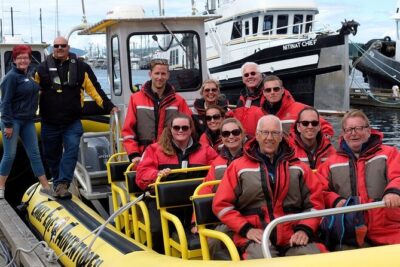
- Thick gear for cold spray: thick all-in-one suits are provided for open-water comfort
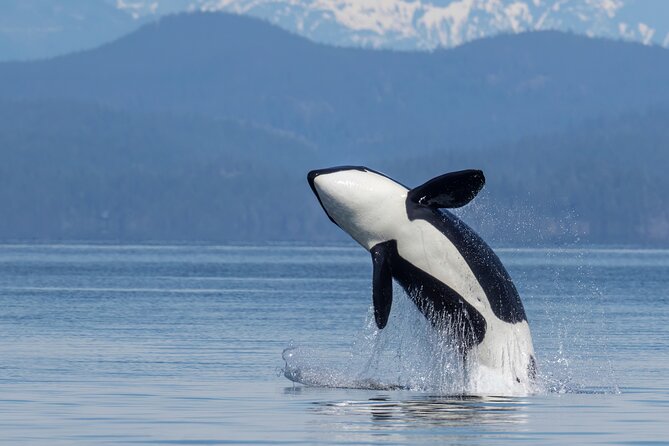
- Top sightings are common: orcas, humpbacks, minke whales, dolphins, seals, sea lions, and more
Campbell River whale watching: why this part of Vancouver Island works
Campbell River sits on the Vancouver Island side of the Salish Sea-adjacent ocean routes where marine mammals travel and feed. That matters because whale watching is never just about luck. It’s about spending the right amount of time on the water, moving thoughtfully, and knowing where to look when the wind, tide, and currents shift.
This tour gives you a big advantage: it’s designed as a true wildlife search, not a short sightseeing cruise. You’re on the water for about six hours, which means you can go from one promising area to another without feeling rushed. And since the group stays small (up to 11 people), the crew can focus on positioning and watching rather than herding.
It’s also a place where you can see more than just whales. Depending on the day, you might spot Pacific white-sided dolphins, porpoises, seals, sea lions, and even bald eagles near the water. One of the coolest details from actual days on this route is that shoreline wildlife can show up too, and bears are part of the broader possibility on the region’s coastline.
You can also read our reviews of more tours and experiences in Vancouver Island.
The 6-hour plan: what your day looks like start to finish
The day starts at 1003d Island Hwy, Campbell River, BC V9W 8C7. From there, the process is smooth and fast. You check in, get kitted out, and then head out.
Check-in and getting ready for the open water
Before you go far, the team helps you get comfortable. One of the standout practical touches is the thick all-in-one suits provided for cold wind and spray. Even on warm days, the water can feel chilly once the boat is running. This gear is one reason the experience stays enjoyable for people who would rather not battle the elements for hours.
Safety brief that actually matters
You’ll get a safety briefing, but it’s not just rules on paper. The crew emphasizes how they handle animals responsibly. In real terms, that means positioning that avoids stressing wildlife and a firm approach to keeping respectful distance. It also includes coordination with other boats—there’s an approach where nearby vessels are alerted so they slow down and don’t crowd the animals.
The spotting phase: follow the action, not the crowd
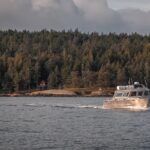
Once you’re underway, the tour shifts into “look, learn, and wait for the moment.” You’ll navigate around islands and inlets in the archipelago area, where the captain can set up for viewing. This is where the long duration helps. You don’t just see a whale once at the edge of your binocular view and then move on.
The day can include:
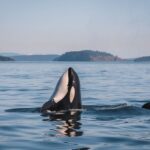
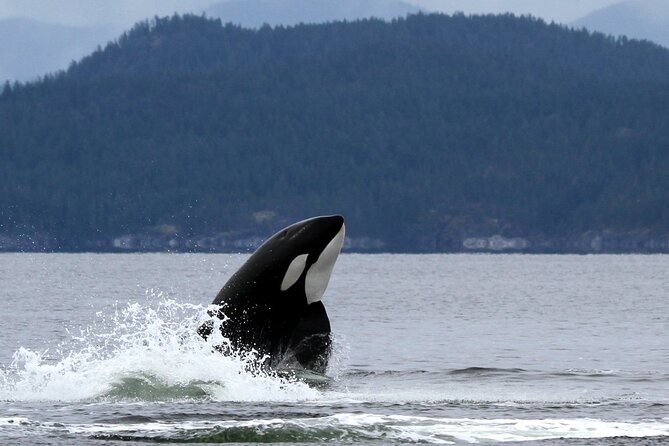
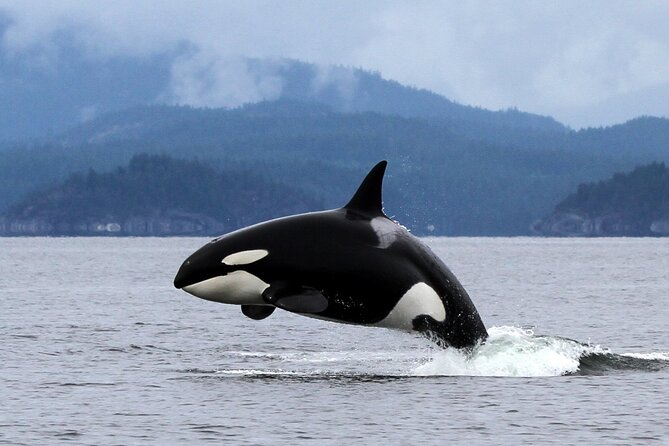
- Orcas sightings, including multiple encounters when conditions line up
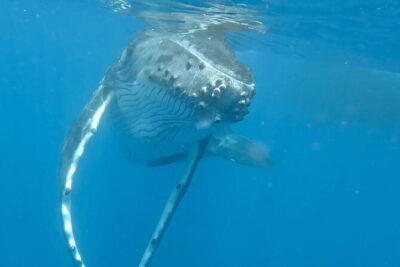
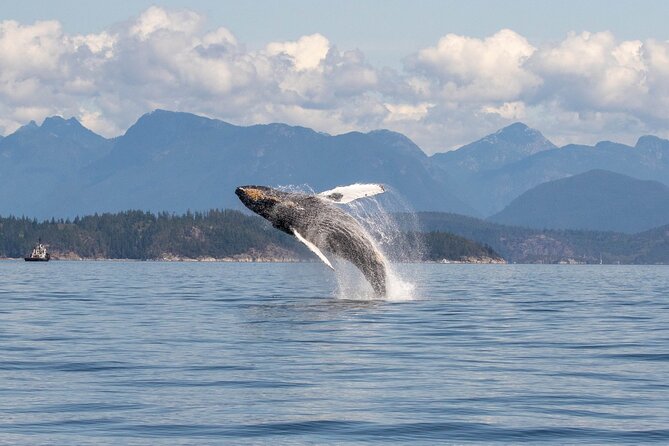
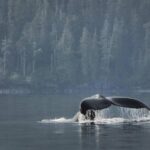
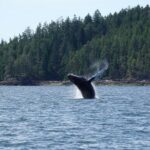
- Humpback whales, with time to watch surface behavior
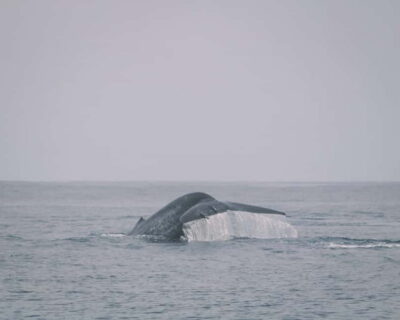
- Other whale possibilities such as gray whales and minke whales
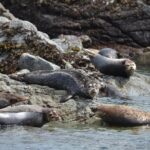
- Marine life like sea otters, dolphins, seals, and sea lions
A key point: nothing is guaranteed. But when the crew is confident, you’ll feel it in how they move and how they set up for watching instead of rushing past.
Lunch on the water: a break that keeps you in the story
Instead of sending you back to shore, you’ll stop at a spot for lunch while still being near the action. That timing matters. You’re not losing the best viewing window while you drive, wait, and eat in a restaurant.
The lunch service is practical: sandwiches, cookies, fresh fruit, and juice, plus tea, coffee, and bottled water. There’s also a history of accommodating at least some dietary needs, including a gluten-free lunch option when requested.
After lunch, you return to spotting. By the time you head back, you’ve had hours of time to see what’s out there and still have energy left for the ride.
Covered vs open boats: how to choose the right ride for your comfort
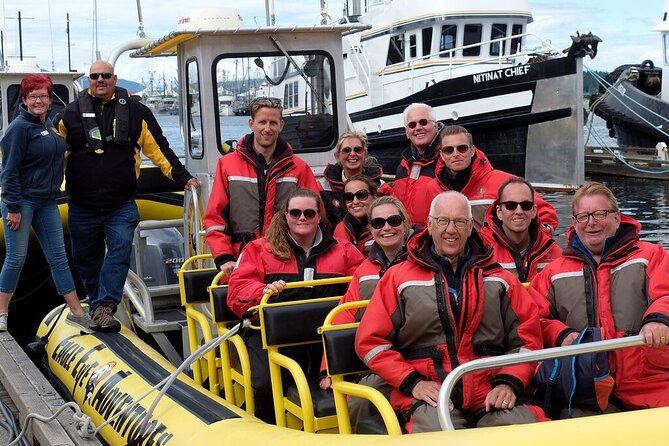
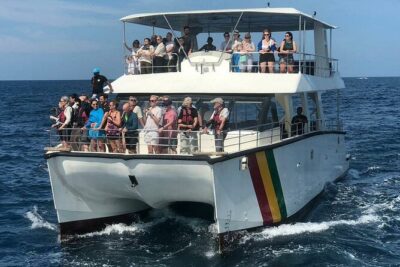
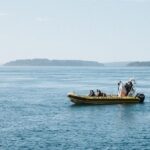
One of the big decisions here is the type of boat. The tour offers covered and rigid-inflatable options, with different price points. If you hate wind, think about the covered option. If you want maximum “out on the water” excitement and don’t mind a bit more exposure, the open style can be a great fit.
Either way, the point isn’t just comfort—it’s how you’ll handle the ride while staying focused on spotting. Whale watching takes attention. Cold spray and constant shivering make it harder to track blows, movement, and behavior. That’s where the thick suits become a quality-of-life upgrade.
I’d also suggest choosing based on your group. Families and mixed-age groups often appreciate the covered feel, while thrill-seekers tend to love the faster, more direct ride that comes with some inflatable setups.
The lunch details that make this feel like a real trip
In a lot of whale tours, lunch is an afterthought. Here, lunch is timed to keep the day flowing and the viewing energy intact.
Here’s what you can expect from the included meal setup:
- Sandwiches and cookies
- Fresh fruit and juice
- Tea and coffee, plus bottled water
- Small extras like chocolates
- Support for special meals such as gluten-free (when arranged)
What I like about this is how it solves a common problem. Six hours on the water means you need fuel, and you don’t want to pack a full picnic while also managing layers, hats, and binoculars. The included setup covers that.
Also, eating while whales are nearby changes the mood. Lunch becomes part of the day’s story rather than a pause in it.
Wildlife viewing rules: why this tour is serious about distance
Whale watching can go sideways when boats treat animals like roadside attractions. This operation clearly prioritizes the animals’ welfare and doesn’t behave like it’s trying to score a selfie at all costs.
The approach you’ll see in action includes:
- Not maneuvering too close to wildlife
- Alerting other nearby boats so they slow down and don’t crowd the animal
- Positioning the boat to watch without stressing the animals
That style is a big reason people come away feeling satisfied even when conditions change. You can’t control what animals do. But you can control whether the team respects them. And in this case, you’ll see it in how the crew talks, positions, and handles animal encounters.
What you might see: the best-case lineup and realistic variety
This tour is built around whales, but the day often includes a whole support cast. Based on typical sightings in the region and the kinds of days crews track, here’s what you should have on your mental shortlist:
Whales and large marine mammals
- Orcas (killer whales)
- Humpbacks
- Gray whales (possible)
- Minke whales (possible)
Smaller marine life
- Pacific white-sided dolphins
- Porpoises
- Sea otter (possible, though timing matters)
- Seals and sea lions
Bird life
- Bald eagles along the route
Shoreline wildlife
- Bears along the shoreline can be possible in the broader area
If your goal is a true bucket-list combo—orcas plus humpbacks—that’s exactly the kind of day this tour aims for with its longer runtime and active searching strategy.
Guides and captains: why the human factor matters here
The crew names you might hear include Andreas, Benji, and Nova, and the common thread is their attitude. They don’t treat the trip like a checklist. They treat it like a living search.
You’ll notice it in a few ways:
- They give safety briefings that connect to real behavior out on the water
- They answer questions instead of brushing you off
- They watch the animals carefully and adjust positioning accordingly
- They share local context about the marine life and where sightings tend to happen
That local knowledge isn’t just trivia. It helps you understand what you’re seeing—surface behavior, movement patterns, and why a whale might appear more than once in the same general area. When you can read the signals, spotting feels less random and more like you’re part of the hunt.
Price and value: is $234.19 worth it?
At $234.19 per person, this isn’t a cheap activity. But it isn’t overpriced in the context of real whale watching for a few reasons.
First, you’re buying time. Six hours means more chances for multiple encounters and less stress about whether you’ll be back in time to catch something. Shorter tours often feel like a drive-by.
Second, you get included comfort. The thick suits help you stay warm, and the meal service removes a big planning headache. You’re not paying extra for food while also trying to enjoy the day.
Third, the small group cap of 11 changes the whole feel. You can hear the guide, ask questions, and actually look where you’re supposed to look.
If your goal is one serious whale watching day on Vancouver Island, I’d put this in the category of value-for-experience rather than value-for-money. You’re paying for time, care, and a crew that takes animal welfare seriously.
Who should book this tour in Campbell River?
This tour fits best if you:
- Want a real whale watching experience, not a quick coastal cruise
- Prefer a small-group setup where the guide can talk and answer questions
- Like the idea of staying on the water with lunch included
- Are okay with the fact that wildlife isn’t guaranteed
It can also work well for families. The tour is paced for viewing, and the ride is exciting enough that kids who enjoy speed don’t get bored, while adults still get plenty of time to watch.
If you get motion sick easily, consider your boat choice carefully. Covered options may feel steadier in rough conditions, but the data here only confirms different boat types and cold-spray gear—not how they feel for every body. If that’s a concern for you, pick your option based on your comfort.
Practical tips so your day runs smooth
Here are a few things you’ll thank yourself for later:
- Dress for wind, not just sun. Even when it’s warm on land, open water can feel cold fast. Use the thick suits provided and add layers if you run cold.
- Plan your photos and patience. Orcas and humpbacks can appear, disappear, and reappear. Your best weapon is staying ready and watching calmly.
- Bring your question list. With a small group, you’ll get more chances to ask about what you’re seeing.
- Book ahead if you can. The tour tends to be booked about two months out on average, so earlier planning helps lock in dates.
- Keep a flexible mindset for weather. If conditions are rough, the tour may shift dates or offer a refund. Ocean days don’t run like museum visits.
Should you book it? My honest take
Yes, if you want a top-tier whale watching day in Campbell River and you care about doing it the right way. The combination of small-group size, experienced captains and guides, clear wildlife-welfare rules, and lunch included makes it feel like a complete outing, not a rushed standby.
Skip it only if you’re hoping for a guaranteed show (whales aren’t predictable) or you can’t handle a weather-dependent schedule. If you can roll with that reality, this tour is one of the more thoughtful ways to chase whales on Vancouver Island—especially when you want enough time to actually watch, not just glimpse.
FAQ
How long is the whale watching tour from Campbell River?
It runs for about 6 hours.
What’s included with the tour price?
Lunch is included, along with tea, coffee, and bottled water. A mobile ticket is used.
What kind of boats are available?
The tour offers covered or rigid-inflatable boat options, with different price points.
What wildlife could you see on this tour?
The focus is whale watching, with the possibility of orcas, humpbacks, gray whales, and minke whales, plus dolphins, porpoises, seals, sea lions, and sometimes bears along the shoreline.
Where does the tour start and end?
It starts at 1003d Island Hwy, Campbell River, BC V9W 8C7, Canada, and ends back at the meeting point.
What happens if the weather is poor?
This experience requires good weather. If it’s canceled due to poor weather, you’ll be offered a different date or a full refund.