REVIEW · VANCOUVER ISLAND
Nanaimo Whale Watching in a Semi-Covered Boat
Book on Viator →Operated by Vancouver Island Whale Watch · Bookable on Viator
A whale watch that keeps its promise.
This Nanaimo trip is built around the Salish Sea experience—spotting whales with help from other boats and pairing the ride with real marine interpretation. You cruise the Gulf Islands area with a small vessel (up to 12), then spend a long stretch actually watching, not just rushing around the water.
What I love most is the guarantee: if you don’t see whales, you can come back for free. I also like the comfort factor—covered seating with an open deck at the back means you can stay sheltered when the weather turns.
One consideration: the tour is weather-dependent and it asks for moderate physical fitness. Also, it is not suitable for pregnant women, so plan accordingly.
In This Review
- Quick hits before you book
- Nanaimo check-in and getting on the water on Kula
- Semi-covered comfort: what the Kula setup means for you
- Finding whales in the Gulf Islands: routing, radio, and the one-hour viewing window
- Watching isn’t just looking: marine naturalist talks and whale ID
- Meet the people who make the trip feel smooth: captain and guide vibe
- Marine conservation talk: what you learn at the end
- Price and value: what $187.76 really covers in a 4-hour outing
- Practical tips for a smoother day on the water
- Who should book this whale watching in Nanaimo?
- Should you book?
- FAQ
- How long is the Nanaimo whale watching tour?
- Where is the meeting point?
- How early should I check in?
- Is whale viewing guaranteed?
- What’s the boat like?
- What’s included in the price?
- What’s not included (food and parking)?
- What happens if the tour is canceled due to weather?
- How many people are on the boat?
Quick hits before you book
- Guaranteed whale sightings: no whales means a free return trip
- Semi-covered comfort on Kula: covered seating plus an open viewing area at the back
- Small group size (max 12): easier to hear the guide and focus on sightings
- One full hour viewing whales: the schedule is built for patient watching
- Real-time guidance from the marine naturalist and coordinated routing via VHF
- Onboard ID tools: whale sightings are linked to catalogues used for research networks
Nanaimo check-in and getting on the water on Kula
The day starts at the office in downtown Nanaimo, at 90 Front St #5, and you check in about 45 minutes before departure. You’ll walk down to the boat together as a group, then get oriented for what you’re about to see.
There’s a practical rhythm to it. You’re not just handed binoculars and pointed toward open water. You get introduced to the Salish Sea ecosystem—the kind of background that helps you notice more than “big animals in the distance.” It also sets you up for how the captain and naturalist will work as the day unfolds.
Summer departures typically run as a morning or afternoon option, so you can choose the timing that fits your Nanaimo schedule. It’s also a good idea to pick the time that matches the general weather patterns you see over your vacation days—this tour really does depend on conditions.
You can also read our reviews of more tours and experiences in Vancouver Island.
Semi-covered comfort: what the Kula setup means for you
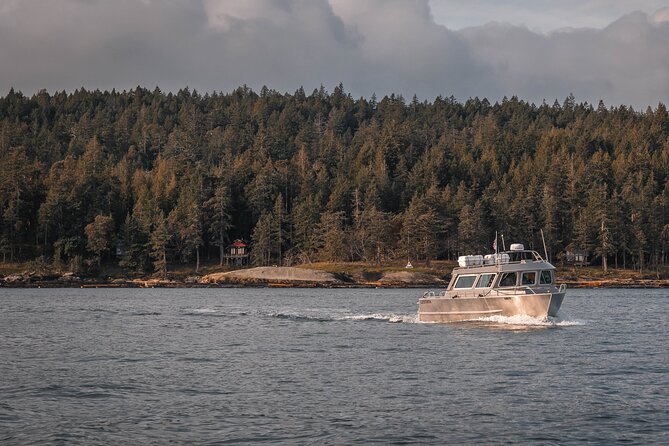
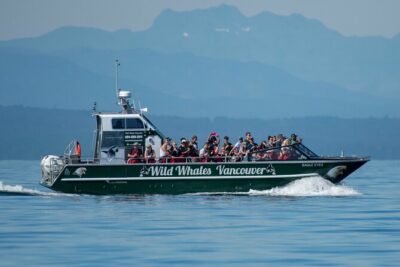
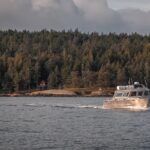
This is a semi-covered boat, built for whale watching comfort. The seating area is covered, while there’s an open deck area at the back for people who want the classic, straight-up viewing angles.
That matters more than it sounds. Cold wind and sea spray can make you pull your hood up and stare with half your body tucked away. Covered seating keeps you warm enough to actually watch for the long stretches—especially during the hour when you’ll be tracking whale behavior.
Kula fits up to 12 passengers, which is a big deal for comfort. With fewer people onboard, you’re less likely to feel like you’re packed shoulder-to-shoulder. You also tend to get better sight lines and clearer audio for onboard explanations.
You’ll have toilets onboard, plus sunscreen available. Binoculars are on the boat too, shared between guests. If you’ve ever borrowed someone’s binoculars and realized you can’t focus fast enough, you’ll appreciate the simple plan here: they’re there when you need them.
Finding whales in the Gulf Islands: routing, radio, and the one-hour viewing window
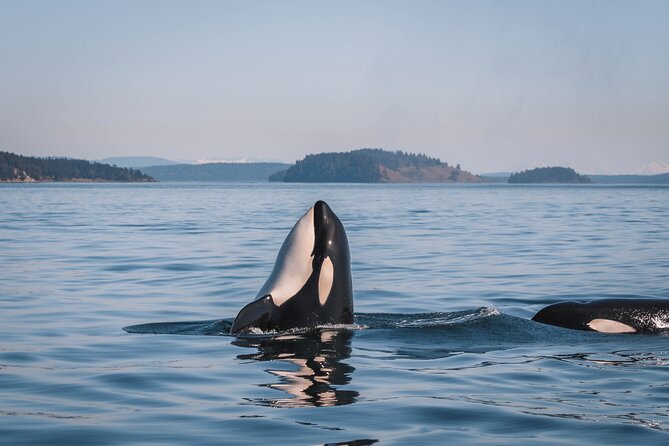
Once you cruise out through the Gulf Islands archipelago, the goal stays consistent: find whales, then stay with them. The captain uses VHF radio communication with other whale watching companies to plan the route and maximize the area covered between boats.
Translation for you: this isn’t random wandering. It’s smart coordination. It increases your odds of getting into whale-dense water without wasting your paid time cruising around blank ocean.
Then comes the payoff. You spend a full hour viewing whales. That longer viewing block is what turns a whale watch from a quick sighting into something you remember. You’re not just catching a blow; you’re getting the chance to see behaviors—surface patterns, social interactions, and how whales move through the water column.
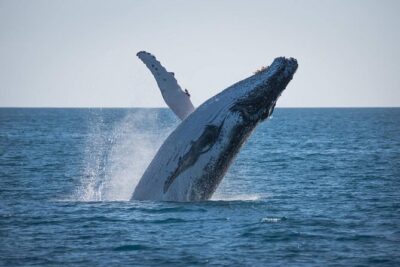
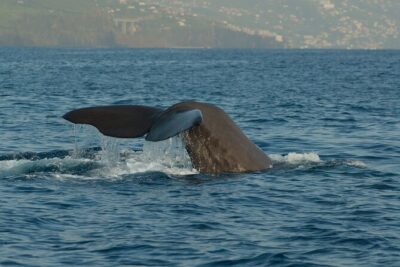
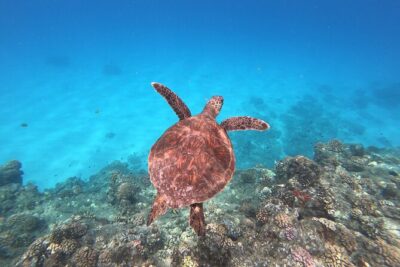
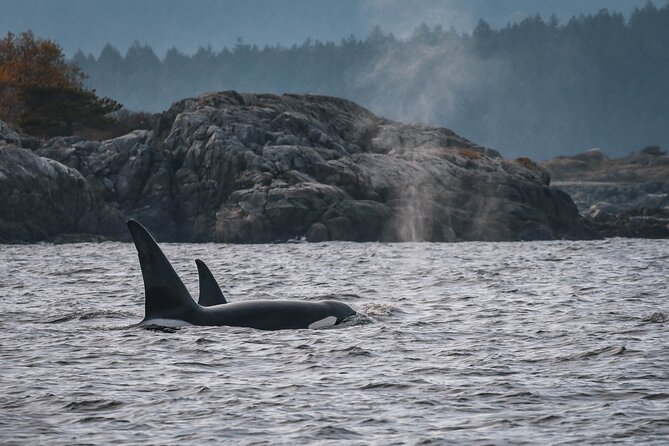
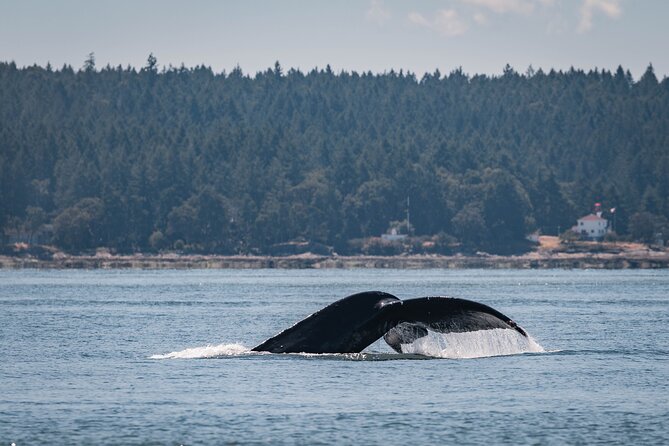
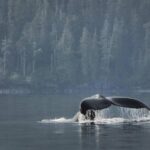
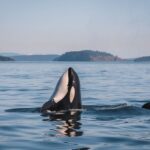
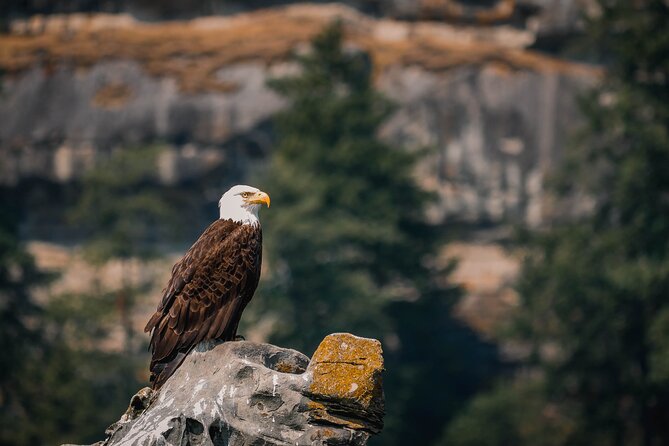
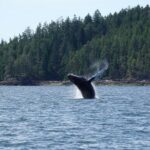
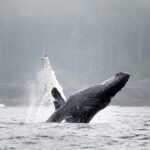
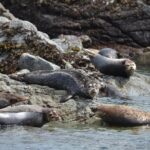
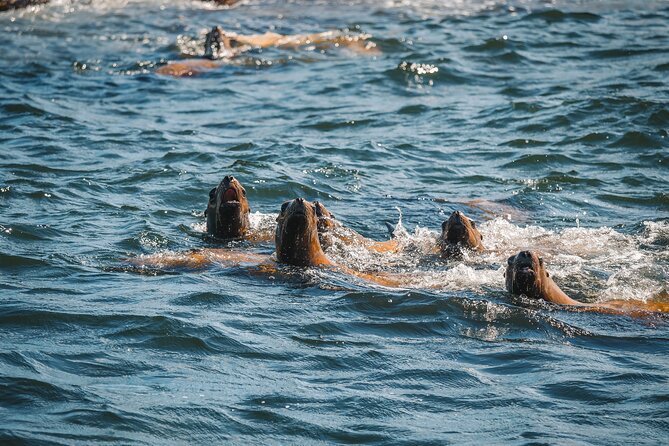
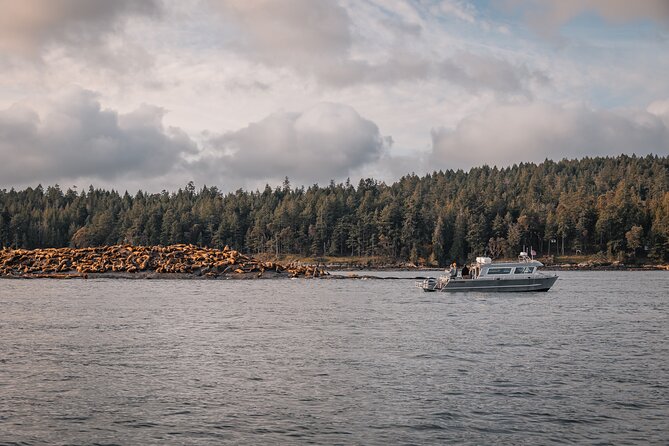
From what’s been reported, you might see orcas (including multiple pods), humpback whales, and even the elusive grey whale. Dolphins show up too, along with other marine life like sea lions and harbour seals. Even when the day brings choppier water, the best part is that the crew is focused on both safety and keeping you in the right area.
Watching isn’t just looking: marine naturalist talks and whale ID
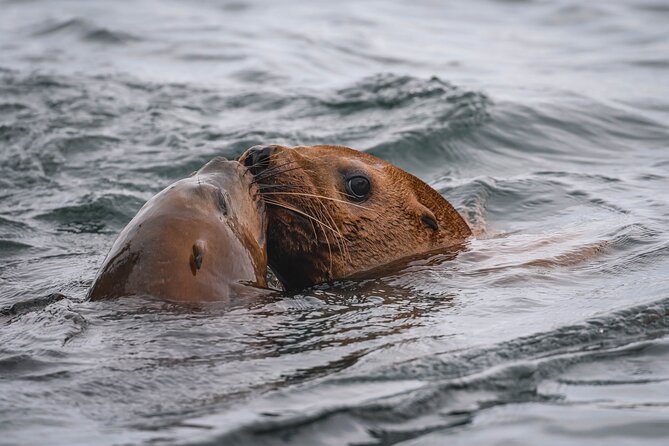
The onboard experience is designed to make sightings make sense. Your marine naturalist provides real-time insights as you watch, so you can connect what you’re seeing to why it’s happening.
There’s also an educational layer that goes beyond general whale facts. You’ll hear about the types of whales that use the Salish Sea, and you’ll get their roles in the marine food web. That helps you interpret behavior instead of only scanning for spouts.
One detail I really like is the use of onboard catalogues for identifying individual whales. The idea is that sightings aren’t just entertainment; they’re part of long-running tracking and reporting. That catalogue information is collected throughout the season and sent to research and conservation partners, including the Centre for Whale Research, Keta Coastal Conservation, and the BC Cetacean Sightings Network.
That means your tour isn’t just a one-day performance. It’s feeding into a bigger picture of how whales use this region and how their lives are changing over time.
Meet the people who make the trip feel smooth: captain and guide vibe
On a small boat, crew personality isn’t fluff. It shapes your comfort, your attention, and how confident you feel when the sea gets a bit rough.
In feedback from real days on the water, the captain and guide teams get serious praise for steering well even when conditions feel choppy. You’ll often hear that safety is taken seriously, and that the crew manages the ride so you can focus on the whales rather than on worry.
Specific guide names show up clearly. One report highlights Ali as a guide with strong animal-focus and excellent onboard explanations, with skipper Rodrigo also getting credit for navigation. Another experience mentions Rebeka as a guide who shared a lot of marine-life context and kept watch active and organized. There’s also a practical note about photo help: Ali was described as taking great shots and sharing them digitally after the experience, which is a nice bonus if you’re not able to nail camera timing on your own.
If you care about not just seeing whales but also understanding what you’re seeing, this format fits you well.
Marine conservation talk: what you learn at the end
The tour wraps with an educational talk on marine conservation, with an emphasis on threats to BC orca and conservation initiatives.
This piece matters because it turns the day’s wonder into motivation. It also helps you connect the “why” behind the rules whale watchers follow—like maintaining appropriate distance and paying attention to how whales use this habitat.
Even if you’re only mildly into science, the talk is meant to be understandable and grounded. It’s not a lecture for its own sake. It’s about giving you a framework for what to watch for and why it’s worth protecting.
Price and value: what $187.76 really covers in a 4-hour outing
The listed price is $187.76 per person for about 4 hours on the water. For Vancouver Island whale watching, that’s not a bargain price—but it’s not an out-of-place splurge either, especially with the included structure.
Here’s what you’re paying for, in plain terms:
- A premium small-boat experience (Kula holds up to 12)
- A guided program with a professional guide who has an academic marine biology background
- A captain certified by Transport Canada
- Meaningful viewing time (an hour dedicated to whale watching, not just a quick drive-by)
- Materials on board like binoculars, plus onboard help with sun protection
What’s not included is also important for your budget:
- Parking runs about $5–$7 CAD for the day.
- Lunch isn’t included.
- Transportation to and from the office isn’t included.
For value, the big “yes” in your favor is the whale sighting guarantee. If you end up not seeing whales, you’re not just out the money—you have a chance to try again for free. That shifts the risk more onto the operator than onto you.
If your main priority is maximizing whale odds while staying comfortable and informed, the math tends to work.
Practical tips for a smoother day on the water
Because the tour is weather-dependent, your best move is to treat this like a flexible half-day, not a rigid schedule. If conditions look marginal, don’t assume you’ll be disappointed—this operator offers an alternative date or a full refund if canceled due to poor weather.
What to bring is mostly common-sense:
- Dress in layers. Sea air can change fast.
- Bring what you need for being out on deck during whale viewing.
- If you get motion-related discomfort, plan like you’re going on any boat ride (this is a moderate physical fitness activity, and you’ll be on the move for hours).
Also, arrive in time. Checking in 45 minutes early helps the whole group launch smoothly, and you’ll get your orientation without feeling rushed.
Who should book this whale watching in Nanaimo?
This tour makes a lot of sense if:
- You want a small-group whale watch rather than a big-crew scene
- You care about understanding the animals, not just photographing them
- You appreciate safety-focused crews who handle rougher water calmly
- You want enough time to actually watch behaviors, not just catch a quick spout
It’s not a fit if:
- You’re pregnant (it’s specifically not suitable)
- You can’t handle moderate physical activity on a boat setting
- You’re expecting lunch or a full-day meal plan (you’ll need to handle food on your own)
If you’re in Nanaimo for a short stay, this is a strong choice for a single memorable wildlife outing that also gives you conservation context for the region.
Should you book?
If you want a whale watch where the plan is built around real viewing time, you’ll probably like this one. The covered seating helps you stay comfortable while you wait, and the crew’s routing strategy is designed to get you into the action more efficiently.
For me, the deal-maker is the mix of:
- a sighting guarantee, and
- an hour-long whale viewing window with real-time interpretation, plus
- conservation learning tied to BC orcas.
If you’re flexible with weather and you’re okay with the price (plus parking and your own lunch), this is a solid booking.
FAQ
How long is the Nanaimo whale watching tour?
It runs for about 4 hours.
Where is the meeting point?
You meet at 90 Front St #5, Nanaimo, BC V9R 5H7, Canada, and the tour ends back there.
How early should I check in?
Plan to check in 45 minutes before departure.
Is whale viewing guaranteed?
Yes. The tour includes a whale sighting guarantee. If you don’t see whales, you can come back for free.
What’s the boat like?
The boat has a covered seating area and an open deck at the back for viewing.
What’s included in the price?
You get a professional guide with an academic background in marine biology, a Transport Canada–certified captain, onboard toilets, sunscreen, and binoculars (shared among guests).
What’s not included (food and parking)?
Lunch is not included, and parking costs about $5–$7 CAD for the day.
What happens if the tour is canceled due to weather?
If the tour is canceled because of poor weather, you’ll be offered an alternative date or a full refund.
How many people are on the boat?
The tour has a maximum of 12 travelers.