REVIEW · VICTORIA
Summer Whale Watching Tour in a Zodiac Boat in Victoria
Book on Viator →Operated by Orca Spirit Adventures · Bookable on Viator
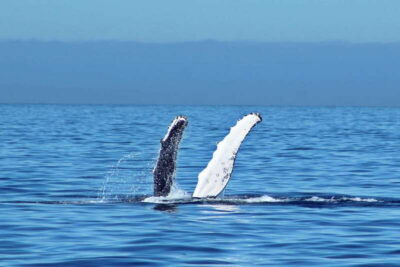
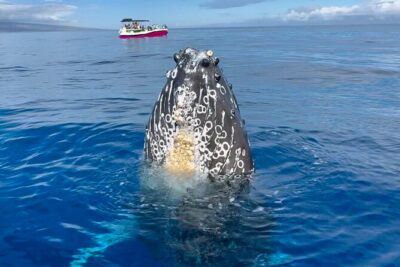
Wild whales, up close and fast. This Victoria zodiac tour blends small-boat viewing with two quick scenic stops that help you understand the waters you’re hunting in.
I especially like the way you can choose your departure time, then rebook for free if you don’t spot whales. I also like the small-group limit (max 12), which usually means less crowding and more time watching instead of waiting.
One consideration: this is a zodiac. If the ocean is choppy, expect spray and a bumpier ride than you’d get on a larger boat, so it’s not a great fit for everyone.
In This Review
- Key Highlights Worth Noting
- Zodiac Whale Watching Out of Victoria: Close to Wildlife, Not Your Couch
- Getting There at 950 Wharf St: Simple Start, Straight Back End
- Your 3h 20m Plan: Lighthouse Quick Stop, Then Race Rocks
- Stop 1: Fort Rodd Hill and Fisgard Lighthouse National Historic Sites (Lighthouse)
- Stop 2: Race Rocks Ecological Reserve
- Whales Are the Goal, But Conditions Decide the Story
- Small RIB Boat Viewing: Why It Can Feel Thrilling (and Sometimes Rough)
- A clothes checklist that matches the reality
- Who Guides You Matters: The Best Tours Are About Search Skills
- Animals You May See Around Victoria (Without Promising a Checklist)
- Food, Drinks, and Timing: Plan Like This Is Outdoors First
- Price Value: $144.30 for a Small-Group, Gear-Included Wildlife Hunt
- The One Warning Flag: Motion, Comfort, and Your Body
- Should You Book This Victoria Zodiac Whale Watch?
- FAQ
- How long is the whale watching tour?
- What’s included, and what should I bring?
- Do I get wet on a zodiac boat tour?
- What is the age and height requirement for the zodiac?
- What happens if whales aren’t spotted?
- When does this tour operate?
Key Highlights Worth Noting
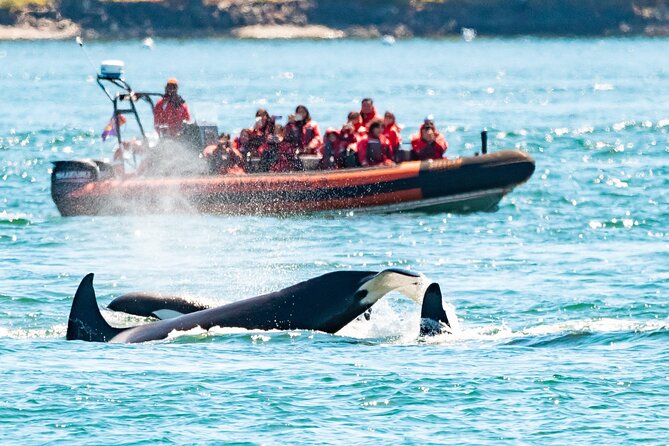
- Free rebooking if no whales are spotted after you go out
- Max 12 travelers for a more personal wildlife-spotting feel
- Survival suit included, but plan on being wet from spray
- April–October season makes timing matter in Victoria
- Race Rocks + lighthouse stops turn the tour into more than just whale hunting
- Good ocean conditions required, with rain-or-shine scheduling rules
Zodiac Whale Watching Out of Victoria: Close to Wildlife, Not Your Couch
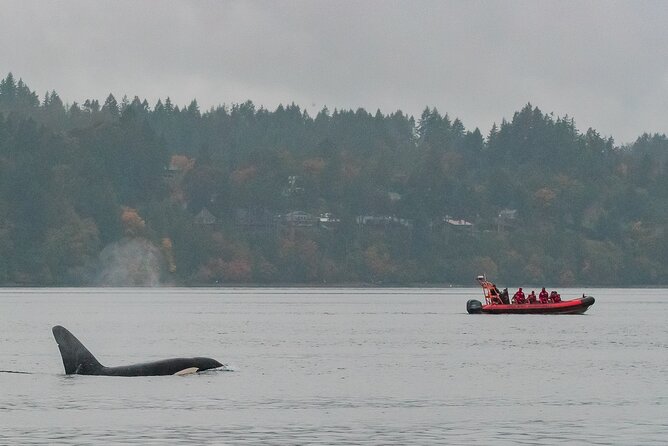
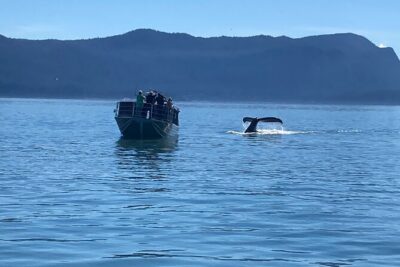
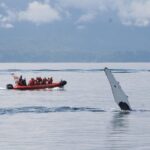
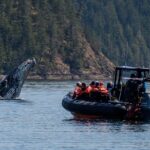
Victoria’s waterfront has a special pull: you’re never far from deep water, and marine life shows up when the currents and weather cooperate. This tour takes you out on a small RIB (zodiac-style) boat, which is exactly why people book it. You feel the wind, you hear the water, and you’re in the action fast.
The value here is practical, not just scenic. You’re paying for a guided experience (a professional guide is included) plus the gear you need to handle ocean spray (a survival suit is included). And the group size stays small, with a stated maximum of 12 travelers, which matters when your goal is wildlife viewing rather than group management.
One more real-world plus: you pick your departure time. That’s useful in Victoria because mornings can feel cleaner for wildlife spotting, and late departures can fit better with your day plan.
You can also read our reviews of more tours and experiences in Victoria.
Getting There at 950 Wharf St: Simple Start, Straight Back End
The meeting point is 950 Wharf St, Victoria, BC V8W 1T3. The tour runs about 3 hours 20 minutes and ends back at the same location, which is great if you’re juggling other parts of your Victoria itinerary.
This is also described as near public transportation, so you’re not locked into a car. Still, if you’re traveling with kids or anyone who gets cold easily, I’d plan to arrive early so everyone has time to settle, use the restroom if needed, and get dressed before boarding.
One more schedule detail worth knowing: the tour is seasonal, operating April through October. If you’re visiting outside those months, you’ll want a different wildlife plan.
Your 3h 20m Plan: Lighthouse Quick Stop, Then Race Rocks
This outing isn’t one long, nonstop ride. It has structure, with time set aside for two stops before (or as part of) the main wildlife hunting window.
Stop 1: Fort Rodd Hill and Fisgard Lighthouse National Historic Sites (Lighthouse)
You get about 10 minutes at Fort Rodd Hill and Fisgard Lighthouse National Historic Sites, with admission ticket free noted for this stop. It’s short by design. Think photo moment, orientation, and a chance to learn the coastline story that surrounds your boat ride.
Why it’s worth it: in whale watching, context helps. Seeing the lighthouse setting and the coastline helps you understand what direction you’re looking from and why certain stretches of water tend to matter for animals.
Stop 2: Race Rocks Ecological Reserve
Next is Race Rocks, around 20 minutes, also marked as admission ticket free. This is one of the key reasons people call this tour “more than just whales.”
Race Rocks is described as an Ecological Reserve with many types of marine wildlife—harbour seals, elephant seals, Stellar sea lions, California sea lions, bald eagles, and more. The guide will show you around the rocks to check out local wildlife, and you also get the lighthouse view with the Olympic Mountains in the background.
Here’s the practical takeaway: Race Rocks sits in an area with strong tidal currents, and that creates nutrient-rich conditions. In simple terms, strong tides can feed the food chain, which brings animals into the area. So even if whales aren’t immediately visible, this stop helps you understand why the waters you’re about to search are alive.
Possible drawback: since this is a whale tour, the time on land is brief. If you’re hoping for a long hike or a full interpretive walk, this isn’t the format. The goal is getting you back onto the water.
Whales Are the Goal, But Conditions Decide the Story
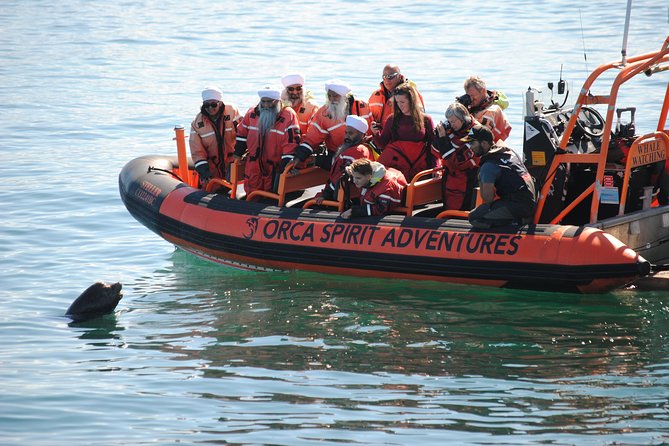
The big promise is straightforward: a summer whale watching tour on a zodiac boat, timed for Victoria’s whale season (April–October).
What makes this tour different is the rebooking plan. You’re told you can choose your departure time, and if you don’t spot whales, you can rebook for free. That reduces the stress of paying and hoping the ocean cooperates.
Now, there’s an important reality check: the tour requires good ocean conditions. If it’s cancelled due to poor conditions, you’ll be offered a different date or a full refund. This is not “we’ll go out no matter what.” It’s “we go out when it’s safe enough to do the job right.”
One more point that helps you set expectations: whale sightings aren’t guaranteed. Even when animals are in the area, distance can vary. Some wildlife encounters can feel close and personal, while other moments can be a matter of finding the right spot at the right time.
Small RIB Boat Viewing: Why It Can Feel Thrilling (and Sometimes Rough)
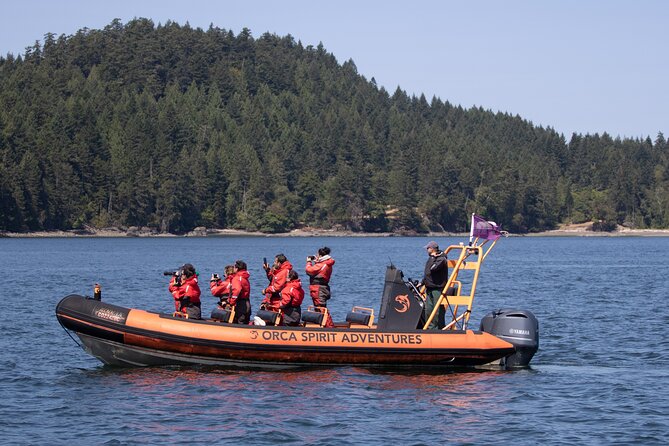
RIB zodiac rides are a trade-off. You get speed, access, and a more direct line to the wildlife zones. You also get more motion than you’d feel on a larger catamaran-style boat.
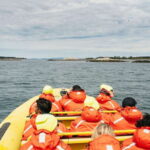
That’s why the included gear matters. The tour provides a survival suit, and multiple highlights and comments point to it as a major part of staying comfortable. At the same time, it’s not magic armor. The tour runs rain or shine, and you should assume spray and wet air are part of the experience.
In other words, dress like you’ll get wet and like you’ll still be outside moving around. People explicitly warn that the ride will make you wet and that denim isn’t the move.
A clothes checklist that matches the reality
You’ll be happier if you bring:
- Quick-drying layers (not cotton)
- Warm items for wind (even when the sun is out)
- Footwear that works well on a boat deck
- A plan for wet clothes afterward
If you’re sensitive to cold or you’ve got mobility limits, it’s smart to pick a departure time when you expect better weather and to wear layers that you can adjust quickly.
Who Guides You Matters: The Best Tours Are About Search Skills
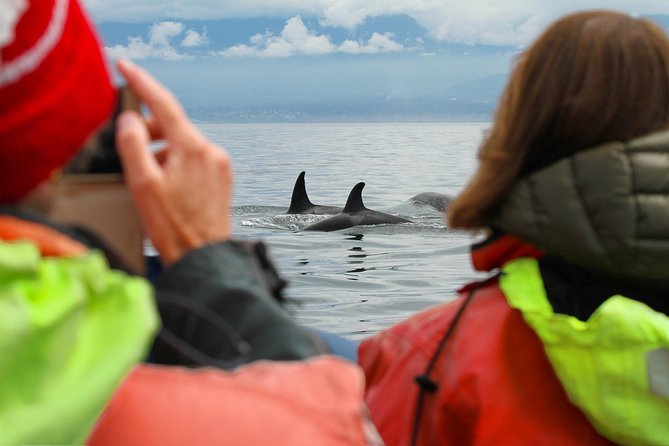
This tour includes a professional guide, and that’s not a small detail. In whale watching, you’re not just watching—you’re searching. The skipper’s skill affects how efficiently you move between likely spots, how safely you handle turns, and how well you manage everyone’s attention when sightings pop up.
Across the accounts tied to this tour, guides like Shannon, Gareth, Tyler, Vicky, Martin, Josh, Phoenix, Shane, Alex, and Garryn come up often. The common thread: people praise them for spotting wildlife and for keeping the group engaged with what they’re seeing.
One thing you can use as a decision tool: this kind of tour rewards calm leadership. If your priority is lots of talking, that’s hit-or-miss depending on your specific guide and how the day plays out. If your priority is spotting animals efficiently and getting you safely positioned for views, that part is usually what earns the high scores.
Animals You May See Around Victoria (Without Promising a Checklist)
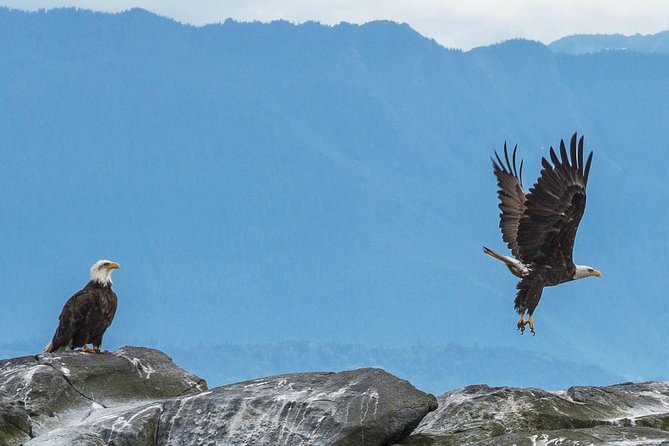
Race Rocks is where you can expect to find signs of wildlife tied to a nutrient-rich, tidal environment. Then the zodiac ride is the wild-card section: whales and marine mammals show when conditions and luck align.
Based on the species named with this experience, you should be ready for possibilities like:
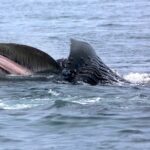
- Humpback whales
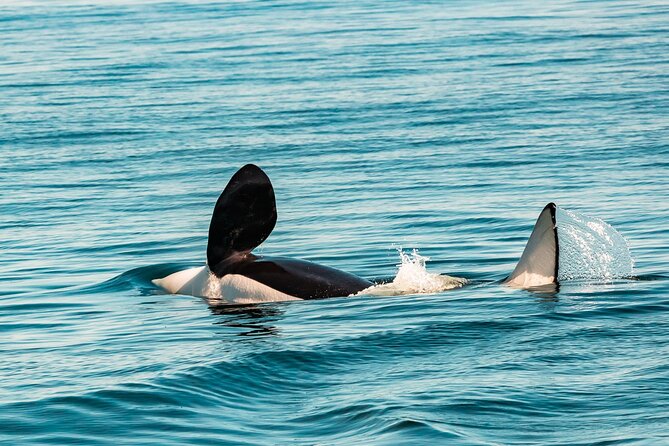
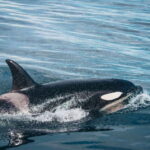
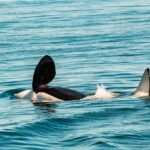
- Orcas (including Bigg’s orcas in some encounters)
- Harbour seals and other seal species
- Stellar sea lions and California sea lions
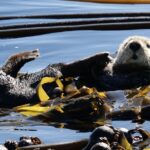
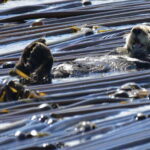
- Otter and lots of seabirds
- Bald eagles
Here’s how to make this work for you: treat the tour as a high-chance search, not a fixed guarantee. The free rebooking policy if whales aren’t seen helps, but your best mindset is to enjoy the whole marine ecosystem, not just one target animal.
Food, Drinks, and Timing: Plan Like This Is Outdoors First
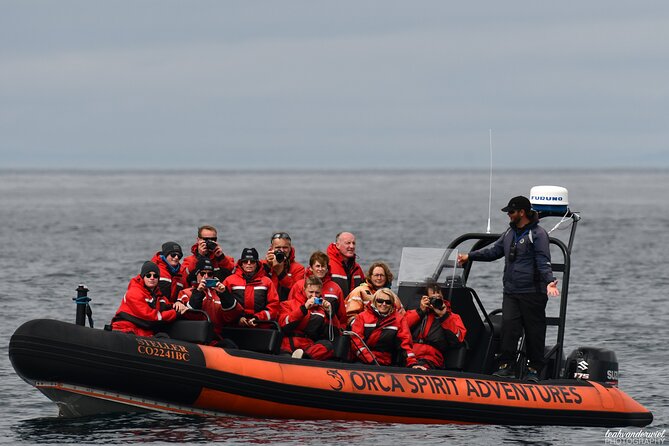
Food and drinks are not included. That means you’ll want a simple plan before you arrive at the dock.
The tour is around 3 hours 20 minutes, so you don’t want to be hungry or dehydrated. Pack snacks if you’re the type who gets cranky when you’re cold. And if you’re doing other stops after, plan time for changing out of wet gear.
Since the tour runs rain or shine and is weather-dependent for going out, you’ll also want to keep a little buffer in your schedule for delays. This is especially true during shoulder conditions.
Price Value: $144.30 for a Small-Group, Gear-Included Wildlife Hunt
At $144.30 per person, this isn’t a budget activity. It’s priced like an experience that combines:
- a professional guide
- a small-group cap (max 12)
- a zodiac/RIB format for close, active viewing
- a survival suit included
- a whale-focused outing tied to a seasonal window
If you compare it to larger boats, the difference is vibe and access. A zodiac can get you closer and can feel more “hands-on.” If you value that feeling—and you’re okay with being wet and moving around—that can make the cost feel fair fast.
If you hate rough rides or you’re prone to back pain, the cost might feel less worth it, even if you see whales. You’re paying partly for the thrill of the craft and the method, not just the sighting.
One last value signal: the tour is described as getting booked about 24 days in advance on average. If you have a preferred departure time, book earlier so you can align it with your best weather window.
The One Warning Flag: Motion, Comfort, and Your Body
Most accounts are wildly positive, and the overall rating is very high (4.7) with 91% recommending it. Still, there’s a clear caution coming from at least one very unhappy experience: the ride can be rough when conditions are choppy, and some people felt jarring impacts and discomfort.
That matters because it changes who this tour is for. The tour isn’t suitable for:
- pregnant women
- people with pre-existing injuries and/or health conditions
- people who can’t meet the minimum age and height requirement (6+ years old, and must be above 4 ft tall for zodiac tours)
If you have back issues, consider that your risk factor is higher on a zodiac boat. Even if the guide and skipper do everything right, the water still controls the ride.
My advice is simple: be honest about your tolerance for motion before you book. If you want a calmer ride, you may be happier on a larger vessel designed for stability.
Should You Book This Victoria Zodiac Whale Watch?
Book it if you want:
- a small-group wildlife hunt (max 12)
- the thrill of a zodiac RIB close to the action
- included gear and a guide-led search
- a plan that reduces whale-spotting stress (free rebooking if whales aren’t seen)
Skip it or consider an alternative if:
- you know you’ll struggle with spray, cold wind, and motion
- you have significant back pain or other health limitations (the tour notes it’s not suitable for certain conditions)
- you’re looking for a calm, comfortable cruise vibe
If you do book, set yourself up to enjoy it: dress for wet weather, bring quick-dry layers, and treat wildlife spotting like a hunt. When it clicks, the views can feel like they belong in a storybook—except you’re standing on the deck, wind in your face, and the ocean is doing the talking.
FAQ
How long is the whale watching tour?
It runs for about 3 hours 20 minutes (approx.) and ends back at the meeting point at 950 Wharf St.
What’s included, and what should I bring?
The tour includes a professional guide and a survival suit. Food and drinks are not included, so you’ll want your own snacks and water.
Do I get wet on a zodiac boat tour?
Yes. The tour operates in ocean conditions and includes a survival suit, but you should dress appropriately for rain and spray and plan on getting wet.
What is the age and height requirement for the zodiac?
Minimum age is 6 years old, and participants must be above 4 ft tall for zodiac tours.
What happens if whales aren’t spotted?
You can choose your departure time, and you can rebook for free if you don’t spot whales.
When does this tour operate?
It’s a seasonal tour available from April through October.