REVIEW · VICTORIA
Victoria Whale Watching Cruise with Expert Naturalists
Book on Viator →Operated by Five Star Whale Watching · Bookable on Viator
A trip like this beats looking from shore because the Salish Sea is a living highway. You get a 3-hour Victoria whale watching cruise with 2 onboard naturalist guides, plus a captain who actively searches for whales while you learn what you’re actually seeing. If you care about more than just spotting spouts, this is the kind of tour that helps you read the water.
I especially like the focus on responsible whale watching—including keeping a respectful distance—because it turns whale time into real observation time. I also love that the staff don’t just recite facts; they answer questions and help you spot and understand marine life beyond whales.
One drawback to plan for: it’s an ocean outing, so expect wind, spray, and some choppy moments. Dress in layers and don’t assume it will feel like a calm harbor cruise.
In This Review
- Key highlights you’ll feel right away
- Why Victoria whale watching in the Salish Sea hits different
- Where you start: Five Star Whale Watching and the first cruise moments
- The real value: naturalists + captain tactics that boost your odds
- Stop around Victoria: coastal scenery and early wildlife signals
- Out toward Vancouver Island: the search zone for orcas and humpbacks
- Boat comfort, waves, and what to wear so you enjoy it
- Wildlife you can expect—and how to make your spotting count
- Price and value: is $134.02 for 3 hours worth it?
- Who should book this Victoria whale watch cruise
- Should you book? My straight answer
- FAQ
- How long is the whale watching cruise?
- Where does the tour start in Victoria?
- What is included in the price?
- Are food and drinks included?
- What wildlife might I see?
- Is the tour offered in English?
- Does the tour run in all weather?
- What group size should I expect?
- Are service animals allowed?
- Can I get a refund if I cancel?
- Is it wheelchair accessible?
Key highlights you’ll feel right away
- Certified Responsible Whale Watching focus, with respectful distance as part of the experience
- Two naturalist guides on board who explain the Salish Sea ecosystem in plain language
- Higher chances of multiple species, including orcas and humpbacks (plus seals, sea lions, and more)
- A small max group size (40) that keeps the search process more efficient
- Guides who encourage you to look actively—not just wait for sightings
Why Victoria whale watching in the Salish Sea hits different
Victoria sits where the Pacific meets busy local waters, and that matters. The Salish Sea isn’t some empty postcard. It’s a working ecosystem where whales, seals, sea lions, otters, dolphins, and lots of seabirds use the same paths to feed and travel. That’s why a good whale watch here can feel like a live documentary—except you’re watching it happen in real time.
What you’re buying with this cruise isn’t only the boat ride. You’re buying better odds plus better interpretation. With expert naturalists on board, you’re not stuck with vague guesses like, That looks like a whale. Instead, you learn what to look for—blow patterns, behavior, and how marine mammals use their surroundings.
And yes, your wish list is realistic. You might encounter orcas, humpback whales, minke whales, gray whales, porpoise, and dolphins, along with harbour seals, sea lions, otters, and marine birds. You can’t guarantee every species on any day. But you can choose a tour that’s built to search, teach, and keep things respectful when wildlife shows up.
You can also read our reviews of more tours and experiences in Victoria.

Where you start: Five Star Whale Watching and the first cruise moments
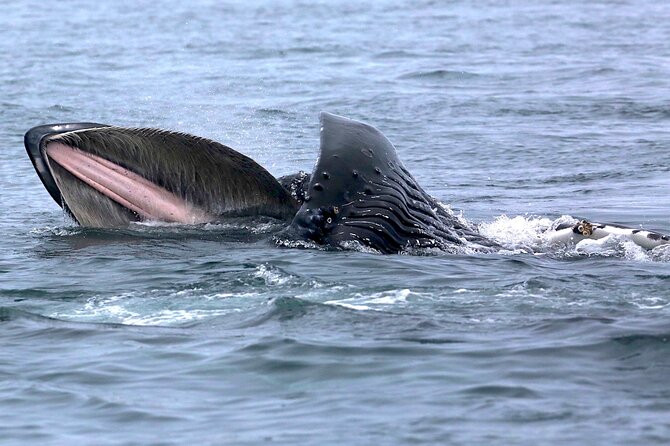
Your tour starts at Five Star Whale Watching, 645 Humboldt St, Victoria, BC. The “first chunk” of the experience is simple but important: get your gear sorted, settle in, and listen to the crew’s safety and spotting basics. When the captain starts looking, you’ll want your brain on and ready, not scrambling for a scarf five minutes into the hunt.
This company runs a 3-hour outing, and the tour ends back at the same meeting point. That round-trip structure is practical. It keeps the experience tight and focused, rather than turning it into an all-day production.
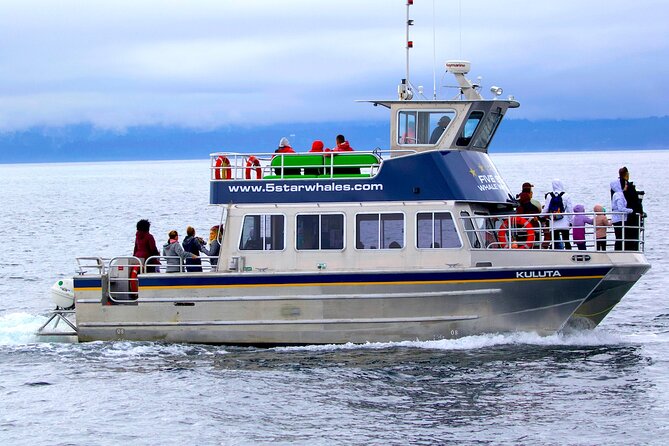
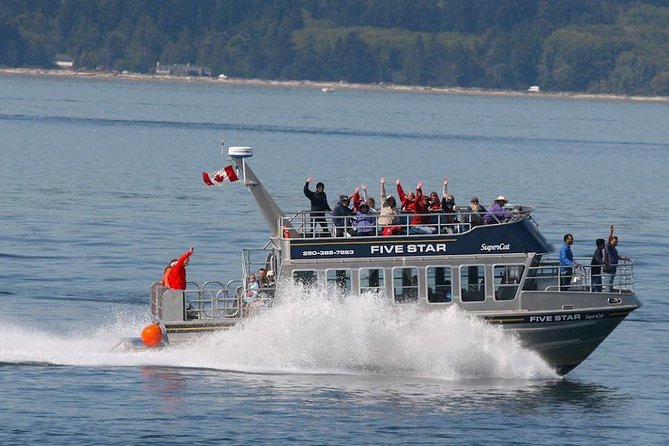
From what you’re told up front, you should plan around temperature and comfort. The water is often cooler than the dock. People do best with layers and comfortable shoes, especially if the boat ride includes spray and shifting deck conditions. The vessel is designed specifically for whale watching, which is exactly what you want—less “random boat” feeling, more built-for-spotting setup.
The real value: naturalists + captain tactics that boost your odds
Here’s the secret sauce: the people on board aren’t passive. Two naturalist guides teach during the cruise, and they also help you track what the captain is aiming for. That combination makes a big difference in how satisfying the trip feels, especially if you’re visiting for the first time or you’re unsure what sightings even look like.
In recent tours, guides have stood out for being persistent about finding whales and for keeping the group engaged the whole time. Names that have come up include Nour, Rayne and Alexia, Rihanna and Andrew, and Mika and Genevieve. Different guides, same theme: they keep questions moving and they help you connect the story to the animals you’re seeing.
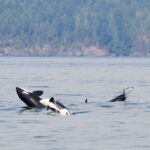
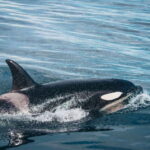
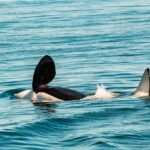
You’ll also notice the captain positioning you for views, not just a drive-by. One standout moment in feedback was watching a small pod of orcas, including a newborn identified as T46B1D. When staff can talk about individual animals like that, you’re getting more than generic wildlife chatter—you’re getting real, day-specific context.
And because this operator emphasizes responsible practices, they also focus on watching in a way that doesn’t push the animals. That respectful distance can be the difference between “cool” and “I’m really seeing what’s going on.”
Stop around Victoria: coastal scenery and early wildlife signals
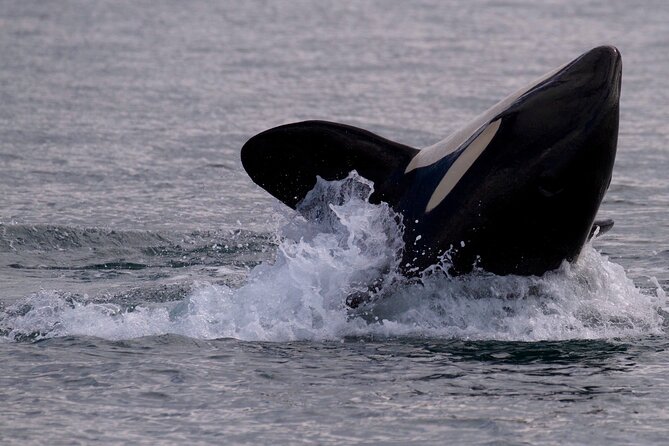
The cruise route is built around time in the waters near Victoria and then out toward Vancouver Island. During the Victoria-area portion, you’re often in the zone where you might spot marine mammals and birds without needing a long open-water push immediately. The exact “what you’ll see first” isn’t guaranteed—wildlife has its own schedule—but this is typically where the tour can start producing signs quickly.
What I like about this approach is pacing. If whales are active closer in, you get that payoff sooner. If not, you’re still learning while you wait. Naturalists can point out cues like feeding behavior, movement patterns, and the way seabirds react—because birds don’t always fly randomly. When they change behavior, something is usually happening below the surface.
Also, Victoria waters can bring you more than whales. You might see harbour seals or sea lions, and you may spot marine birds along the way. For first-timers, these “bonus” species matter. They turn the cruise into a broader Salish Sea experience instead of a single-species gamble.
Out toward Vancouver Island: the search zone for orcas and humpbacks
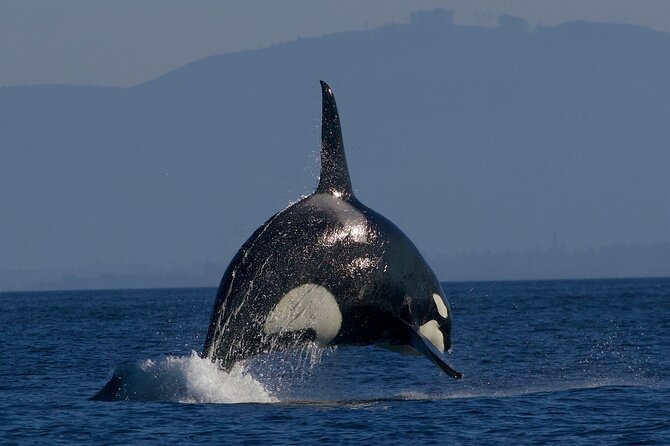
The further portion of the ride heads toward Vancouver Island waters, where chances for whales can rise. This is the phase where the captain’s search matters most. Whales move, surface time is brief, and conditions affect visibility. A whale watch that only looks in one spot can feel slow. One that actively searches can feel like you’re always on the edge of the next sighting.
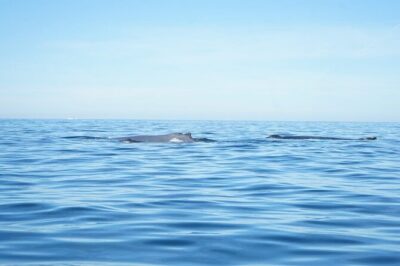
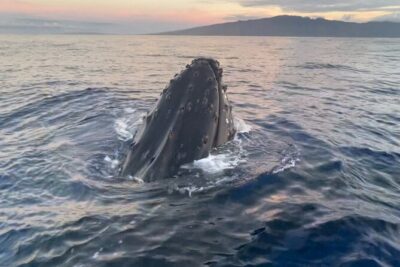
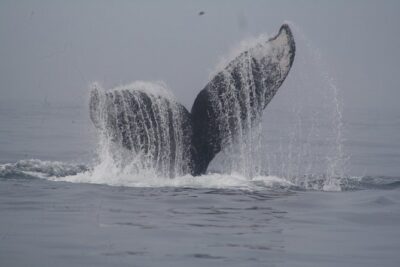
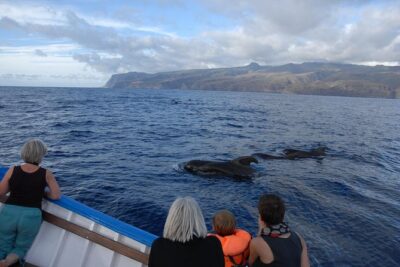
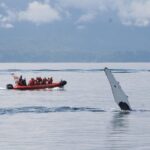
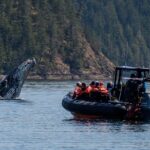
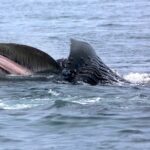
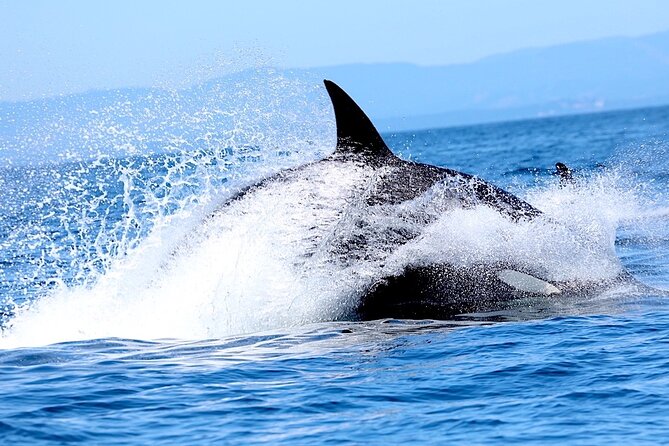
This is also where orcas and humpbacks become a realistic highlight. Feedback often points to both orcas and humpbacks showing up on the same outing. In one account, whales even passed in a way that created a close, memorable viewing moment. When the captain puts you in the right place and the naturalists explain what you’re seeing, it turns “we saw a whale” into “we understood the scene.”
A note on expectations: the Salish Sea is alive, but it’s not a theme park. Some days are whale-heavy and some are more mixed. Still, tours like this are designed to keep searching while the naturalists keep you engaged. That combination helps even on slower days, because you’re still learning how the system works.
Boat comfort, waves, and what to wear so you enjoy it
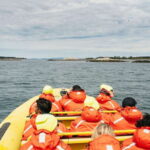
The boat is built for whale watching, which usually means better sightlines and a setup that feels made for spotting from deck. Still, this is the ocean. You should plan for cooler temperatures and potential choppy conditions. One piece of practical advice that keeps popping up: bring warm layers, not just a light jacket.
You might notice that the ride can feel a bit choppy even on acceptable weather days. If you get motion sick, think ahead. Comfortable shoes help you move safely around the deck area, especially when people are leaning forward to spot blows.
Space is also worth a small reality check. Some feedback mentions the boat can feel a little tight, even though the experience is still enjoyable. If you’re traveling with more gear than usual or you prefer lots of personal space, you’ll want to dress lightly and keep your items organized.
On the plus side, feedback also highlights that the boat is clean and comfortable, and the crew helps you settle in. When the staff is friendly and organized, the physical discomfort of waves matters less—because your attention stays on the wildlife.
Wildlife you can expect—and how to make your spotting count
You might encounter a wide range of marine life, and that range is part of what makes this cruise a fun introduction to the Salish Sea. Here’s what you should keep in mind as you scan:
- Orcas: often the headline animals. Listen and watch for crew callouts and follow their guidance on where to look.
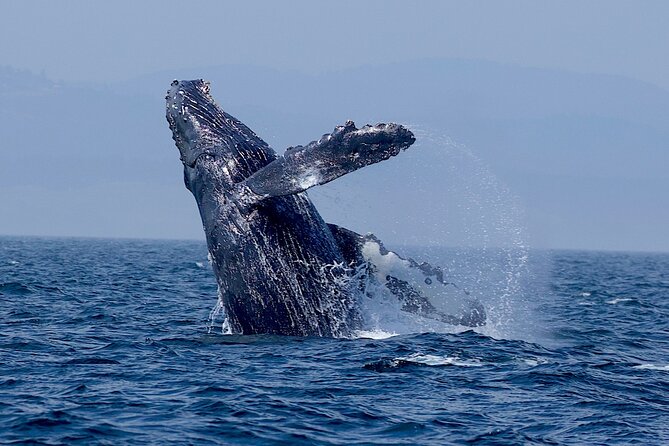
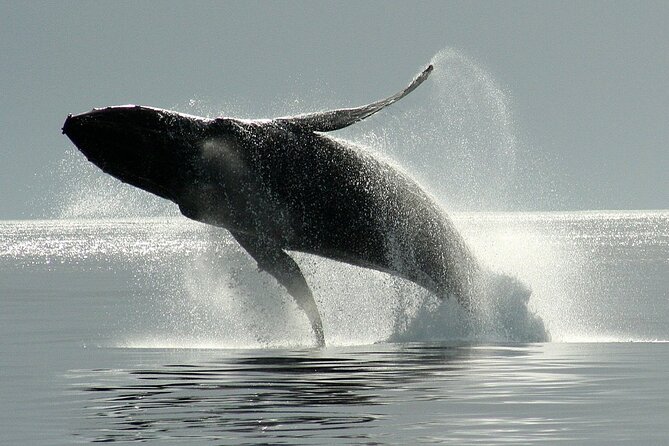
- Humpback whales: another frequent star. Naturalists can help you identify behavior, not just silhouettes.
- Minke whales and gray whales: possible sightings, especially when conditions align with where the whales are feeding or traveling.
- Porpoise and dolphins: faster, sometimes more playful sightings that reward active looking.
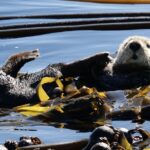
- Harbour seals and sea lions: often easier to spot than whales and great for filling in the gaps.
- Otters and marine birds: can add extra texture to the ecosystem picture, especially during calmer moments.
The best strategy is to treat the naturalists and captain like your field team. When they say pay attention here or watch for that behavior, take it seriously. On these cruises, they often encourage you to search for native marine life yourself—so you aren’t just a spectator. You’re learning how wildlife watching actually works.
Price and value: is $134.02 for 3 hours worth it?
At $134.02 per person for about 3 hours, the price isn’t cheap—but it also isn’t out of line for a guided, responsible whale-watching cruise where you get expert instruction. The value comes from three places:
- Two naturalist guides are included. That’s not just “someone who likes whales.” You’re paying for interpretation and for answering your questions during the cruise.
- You’re not limited to one animal. Even when whales don’t show up right away, the Salish Sea still offers seals, sea lions, otters, dolphins, and birds.
- The operator is positioned as a certified responsible whale watching provider, which usually means the viewing experience is managed with wildlife in mind, not just human excitement.
A small group size of up to 40 also adds value. In practice, that tends to help with sighting management and makes the search feel more controlled.
One smart move: book ahead. The tour is commonly booked about 53 days in advance, which tells you it’s not just a last-minute impulse activity. If you want a strong chance at a good time slot, earlier planning is worth it.
Who should book this Victoria whale watch cruise
I think this cruise fits best if you:
- Want orcas and humpbacks as possible highlights but also care about learning the “why” behind sightings
- Appreciate guided explanation rather than only chasing sightings
- Like the idea of responsible wildlife viewing and respectful distance practices
- Travel with kids or first-timers who benefit from questions being answered in real time
It’s also a good fit if you have a dog as a service animal. Service animals are allowed on board, and staff have been accommodating in past trips.
The biggest “not for everyone” match is comfort-first travelers who hate any chance of wind, spray, or choppiness. You don’t need to be hardcore, but you do need to dress for it.
Should you book? My straight answer
I’d book this cruise if you want a Victoria whale watching experience that feels guided, focused, and respectful—not random searching. The consistent praise points to two things that matter most: the staff’s effort to find whales and the naturalists’ ability to explain what you’re seeing while you’re watching it.
Do it with one clear expectation: ocean weather can change how the ride feels. Bring layers, assume the deck might get a little wet, and you’ll enjoy it more.
If whales are a once-in-a-while trip for you, this is the kind of tour where the extra instruction makes the sightings feel bigger and more meaningful—because you’ll know what you’re looking at, not just that you saw something.
FAQ
How long is the whale watching cruise?
It lasts about 3 hours.
Where does the tour start in Victoria?
The meeting point is Five Star Whale Watching, 645 Humboldt St, Victoria, BC V8W 1W5, Canada.
What is included in the price?
The tour includes the 3-hour whale-watching cruise and 2 onboard naturalist guides.
Are food and drinks included?
No. Food and drinks are not included.
What wildlife might I see?
You might encounter orcas, humpback whales, minke whales, gray whales, porpoise, dolphins, harbour seals, sea lions, otters, and marine birds.
Is the tour offered in English?
Yes, it is offered in English.
Does the tour run in all weather?
It operates in all weather conditions, and you should dress appropriately in layers.
What group size should I expect?
The tour has a maximum of 40 travelers.
Are service animals allowed?
Yes, service animals are allowed.
Can I get a refund if I cancel?
You can cancel for a full refund if you cancel at least 24 hours in advance. If you cancel less than 24 hours before the start time, it isn’t refundable.
Is it wheelchair accessible?
The information provided says most travelers can participate, but there has been at least one reported issue with boarding for a wheelchair user. If wheelchair access is important for your group, contact the operator or staff ahead of time so they can confirm the best way to board for your situation.