REVIEW · TAHITI
Observe and Swim with Whales in Tahiti
Book on Viator →Operated by Tahiti Activities Center · Bookable on Viator
Whales in French Polynesia have a way of rewiring your brain. This 3-hour trip pairs humpback-style whale watching with an end-of-tour snorkel swim that can include turtles, sharks, and other surprises. It’s built for calm, close encounters with only ten people onboard.
I especially like the small group limit. With just ten on board, you get more time to understand what the crew wants you to do, instead of feeling like you’re one more body in a crowd.
One thing to keep in mind: the swim part depends on sea conditions and whale behavior. If the ocean is rough, you may end up watching from the boat and snorkel only if conditions allow.
In This Review
- Key things I’d plan for on this Tahiti whale + turtle tour
- Why Tahiti whales feel different in the water
- Te Moana Tahiti Resort start: what the first hour sets up
- A comfortable boat and a real look at “rough seas”
- How the crew approaches whales without ruining the moment
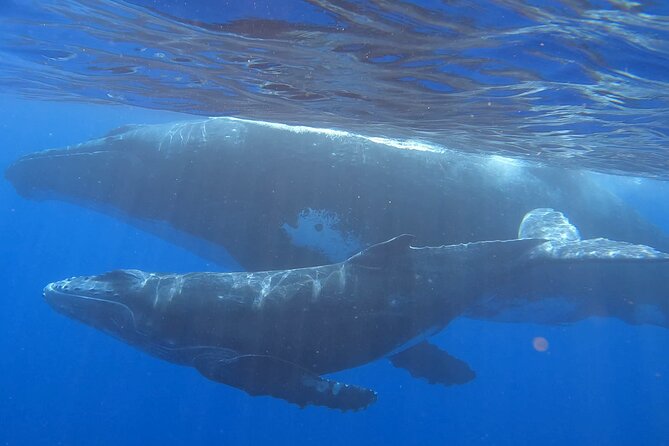
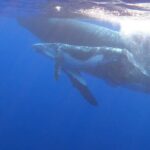
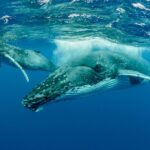
- The whale-and-calves part: what you can realistically expect
- The turtle finale: what happens at the end of the tour
- Equipment is included: what you should still bring
- Price and value: $169.10 for a focused, guided wildlife outing
- Who this tour suits best (and who should adjust expectations)
- Practical notes for a smoother trip
- Should you book this Tahiti whale and turtle tour?
- FAQ
- How long is the Tahiti whale and snorkel tour?
- Where does the tour start and end?
- How many people are on the boat?
- What equipment is provided for snorkeling?
- Do I need good weather for the experience?
- Is it possible to swim if conditions aren’t ideal?
- Are service animals allowed?
- Is there mobile ticketing?
- What is the cancellation policy?
Key things I’d plan for on this Tahiti whale + turtle tour
- Max 10 people on board for a more respectful, hands-on experience
- All snorkel gear provided (fins, mask, snorkel, towel) so you travel lighter
- A guided approach near calves that focuses on animal respect and calm movement
- A planned water finale with a captain and guide splash, often with turtles and possible shark sightings
- Guides like Johannes who focus on whale behavior, not just spotting blows
- Weather-dependent swim: you may see whales without getting in the water if conditions aren’t right
Why Tahiti whales feel different in the water
Tahiti is one of those places where the ocean isn’t just scenery. It’s the main character. This tour leans into that by aiming to observe whales and their calves in the warm waters of Polynesia, where they come to be born and grow.
That matters because whale watching is all about context. When the conditions line up, you’re not chasing a fast animal. You’re meeting them where they are calm enough for a respectful approach.
I also like that the experience is designed to keep you moving with purpose. You get taught how to handle the water moment around the animals, which is exactly what makes these trips more than a quick wildlife checklist.
You can also read our reviews of more tours and experiences in Tahiti.
Te Moana Tahiti Resort start: what the first hour sets up
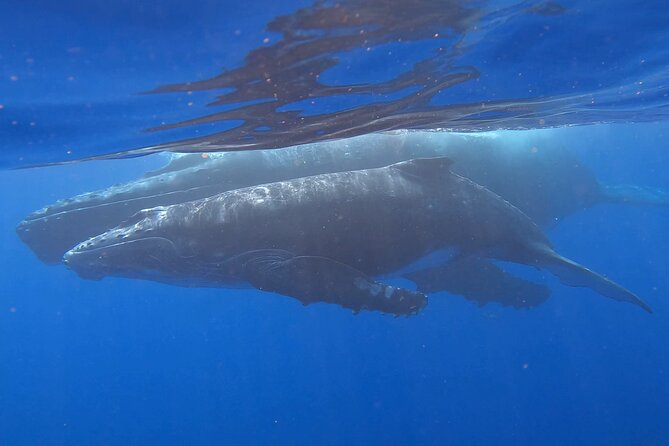
You start at Te Moana Tahiti Resort in Puna’auia, and the tour returns to the same meeting point. That round-trip simplicity is a practical win in Tahiti, where you want your time to go to the water, not transfers.
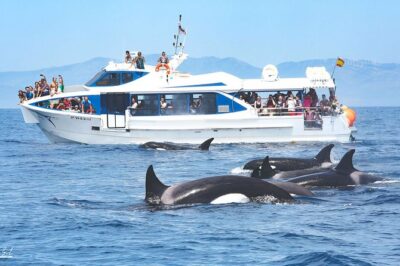
Once you’re aboard, the crew’s priority is staying organized with a small group. With only ten people allowed, they can actually manage spacing and expectations. That becomes important later when you’re in fins and mask, because chaos in the water can stress both you and the animals.
Also, if you’re thinking about timing, remember the total duration is about 3 hours. This isn’t a long cruise day. It’s a focused outing, so you’ll want to be ready to go as soon as you meet.
A comfortable boat and a real look at “rough seas”
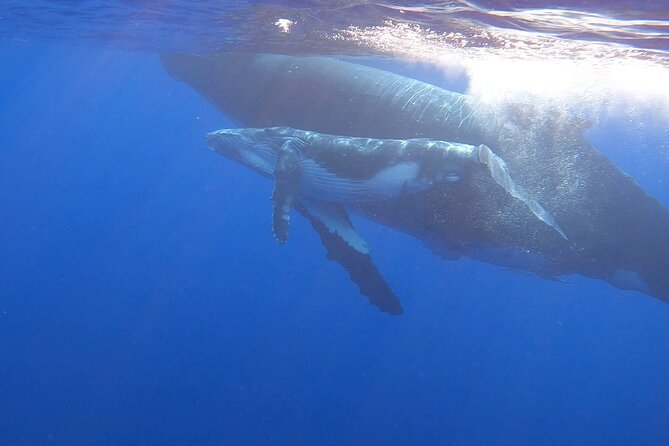
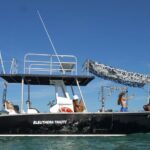
The tour uses a very comfortable boat, and that helps if you’re prone to motion sickness. Still, water conditions can change fast in open ocean.
Some days, the sea gets bumpy enough that a swim may not happen. When that happens, the crew still aims to get you respectfully close to whales so you get value even if the water moment is limited.
From a planning standpoint, I’d take that seriously. If you know you get sick on boats, bring whatever you normally use. And if you feel unwell during the trip, the crew can help you get back to shore, which is a big safety comfort compared to tours that just keep going.
How the crew approaches whales without ruining the moment
This tour is built around respectful whale encounters. The main idea is simple: you’ll learn how to move around the whales in a way that protects the animals’ space and keeps the approach calm and undisturbed.
That focus is what turns whale watching from distant viewing into something more intimate. A closer approach only works when people follow instructions. With just ten participants, the crew can actually guide you.
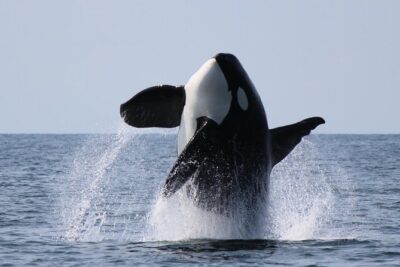
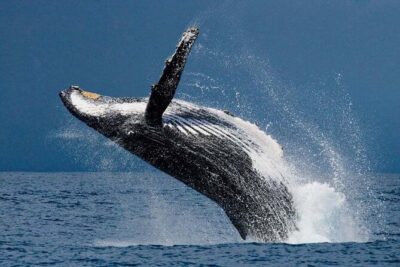
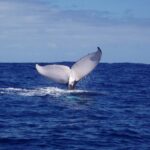
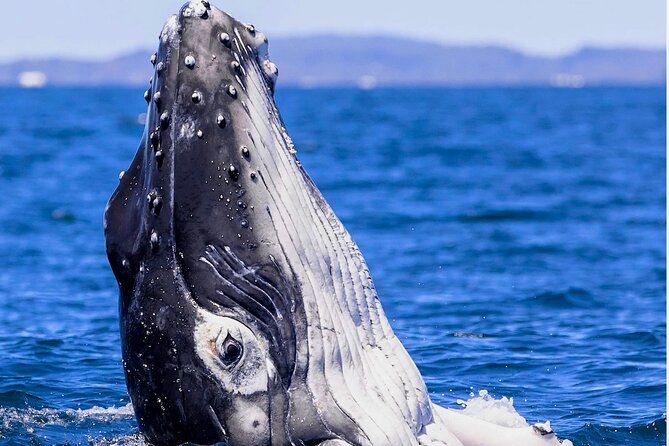
One standout from the tour’s whale-focused moments is the attention to behavior. You might catch whales breaching, see calves in the mix, or notice how vocal activity can happen underwater. There’s even a case of a juvenile male producing an underwater call, with the sensation of vibration. When that sort of moment happens, it’s the result of being quiet, still, and attentive at the right time.
The whale-and-calves part: what you can realistically expect
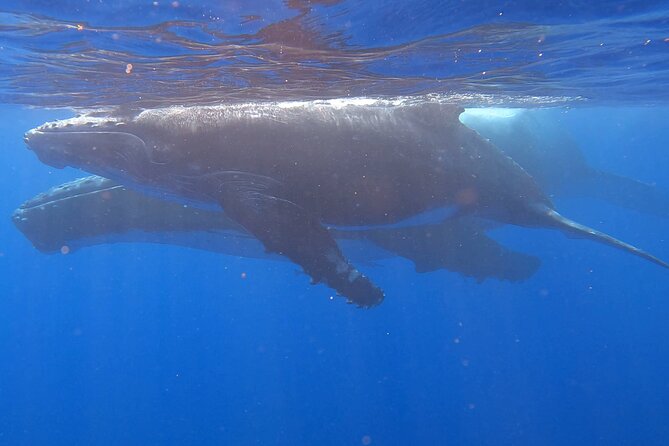
This trip is specifically aimed at whales and their calves, in the warm waters of Polynesia. Your job is to be observant and follow the guide. Their job is to find the right area and keep the group calm.
Here’s the realistic expectation: you may see whales but not always swim with them. The swim depends on conditions and whether whales are behaving in a way that allows a gentle, safe in-water encounter.
When the ocean cooperates, the experience can feel very close—close enough to watch real whale behavior, not just spot far-off water spouts. And when the ocean doesn’t cooperate, you still get the main value: guided proximity and a focused search, not a long empty cruise.

The turtle finale: what happens at the end of the tour
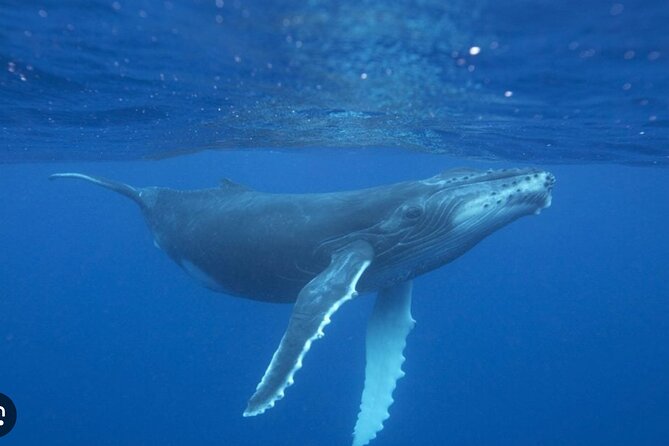
After the whale time, the tour ends with a water finale. The captain and your guide give a little splash, and you head into a snorkel swim that can include turtles and sharks, plus other surprises.
The species mentioned are green turtles and hawksbill turtles. That’s useful information, because it tells you this isn’t just generic snorkeling. It’s a targeted look at specific marine life that’s part of Tahiti’s underwater world.
This is also where the tour’s structure helps you. Because the group is small and equipment is provided, you can switch into snorkel mode efficiently. And because the crew gives clear guidance, you’re not guessing how to behave in the water around sea turtles.
Keep in mind one more practical reality: the turtle swim is also subject to conditions. If the sea is too rough, you might miss the water entry even if you’ve enjoyed whales. The good news is that the crew’s approach is still centered on making sure the outing feels complete.
Equipment is included: what you should still bring
The tour provides the core snorkel setup: fins, mask, snorkel, and a towel. That’s a real cost and hassle saver, especially if you’re juggling other activities in Tahiti.
What I’d bring is the stuff you always want for water time:
- Swimsuit and a quick-dry layer for after
- Sunscreen you trust for reef/ocean use
- Any personal anti-nausea option if you’re sensitive on boats
Also, consider how you’ll handle getting in and out smoothly. When you’re wearing fins and a mask, you want simple footing and steady movement. The small group format makes it easier for the crew to manage that.
Price and value: $169.10 for a focused, guided wildlife outing
At $169.10 per person, this isn’t a budget activity. But it also isn’t trying to be one. The value comes from three things that matter in the real world: small-group access, guided behavior-focused instruction, and included equipment.
Other whale tours can be big-group affairs where you’re mostly watching from a distance. Here, you’re capped at ten people, which is exactly what lets a guide manage spacing and teach you how to move respectfully in the water.
Then there’s the snorkel component at the end, with the chance to see turtles (green and hawksbill) and possible sharks. That adds more than a “bonus.” It gives you a full marine-life arc in about three hours, without needing a separate tour.
If you care about quality encounters over box-checking, this price starts to make sense. You’re paying for time with the crew, gear, and the opportunity to be in the right place when whales are calm enough for an approach.
Who this tour suits best (and who should adjust expectations)
This tour is a great fit if you want a guided whale experience with real snorkel time as the goal. It’s also a good match if you’re comfortable with water activities and can follow instructions in a moving marine environment.
Most travelers can participate, and service animals are allowed. If you’re traveling by public transport, the start point is near public transportation, which helps reduce day-of stress.
The main group where I’d adjust expectations is anyone highly dependent on guaranteed in-water whale swimming. Even though the tour is titled Observe and Swim with Whales, the swim part depends on conditions and the whales’ behavior. You should be okay with the idea that you might end up closer to whales from the boat if the ocean doesn’t cooperate.
Practical notes for a smoother trip
A few small things can make a big difference on a water day.
First, think about motion sickness. The ocean can be rough, and in at least one case a guest was taken back to shore when they became sea sick. That tells you the crew watches safety and comfort, not pride.
Second, plan for a respectful mindset. This tour’s whole point is a calm approach around whales and turtles. The best results come when you stay focused, follow cues fast, and don’t improvise.
Third, pack for quick changes. You’re going from boat time to snorkel time. You’ll want to be ready to get back out of the water and dry off without turning it into a process.
Should you book this Tahiti whale and turtle tour?
I’d book it if you want a small-group, guided ocean experience that aims for both whales and a snorkel finale. The mix of limited onboard group size, provided gear, and a behavior-focused approach makes it a strong value for the time you spend.
I’d also book it if turtles and sharks are high on your list. The end-of-tour swim is clearly a core part of the concept, not a random add-on.
Just go in with one smart expectation: the in-water whale part can be weather- and animal-dependent. If you can be happy with whale watching plus a possible snorkel finale, you’ll likely feel satisfied even on less perfect sea days.
FAQ
How long is the Tahiti whale and snorkel tour?
The tour lasts about 3 hours.
Where does the tour start and end?
It starts at Te Moana Tahiti Resort in Puna’auia, French Polynesia, and ends back at the same meeting point.
How many people are on the boat?
This activity has a maximum of 10 travelers.
What equipment is provided for snorkeling?
You’re provided fins, a mask, a snorkel, and a bath towel.
Do I need good weather for the experience?
Yes. The experience requires good weather. If it’s canceled due to poor weather, you’ll be offered a different date or a full refund.
Is it possible to swim if conditions aren’t ideal?
The swim depends on conditions. If conditions are not right, you may not be able to swim, but the crew still aims to get you close to whales.
Are service animals allowed?
Yes, service animals are allowed.
Is there mobile ticketing?
Yes, the tour includes a mobile ticket.
What is the cancellation policy?
You can cancel for a full refund up to 24 hours in advance. If you cancel less than 24 hours before the experience starts, you won’t get a refund.