REVIEW · TAHITI
Whale watching on the preserved and quiet coast of Paea (Pk26)
Book on Viator →Operated by Mobydick Tahiti · Bookable on Viator
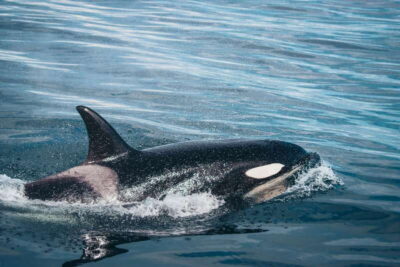
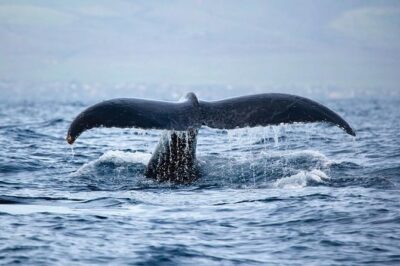
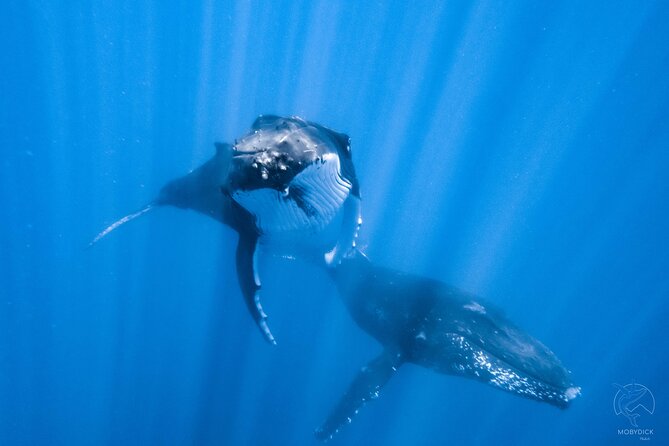
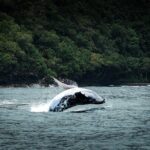
Humpbacks cruise a quiet slice of Tahiti. This Paea–Papara whale-watching trip focuses on a less crowded stretch of coast, with guides who call the shots based on whale behavior and DIREN approach rules. It’s a real wildlife outing, not a show.
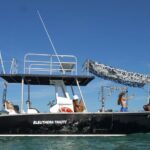
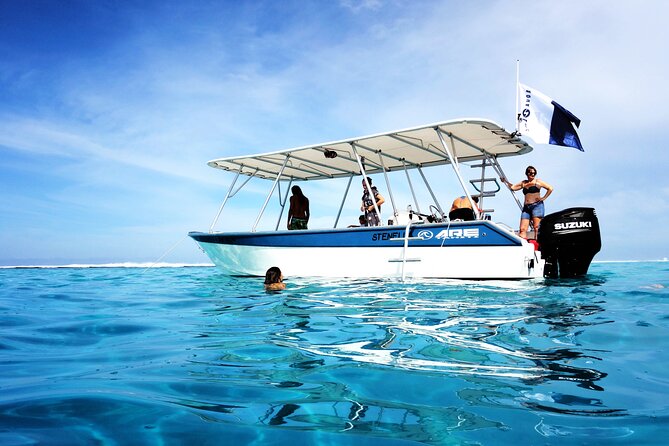
I especially like the small-group feel (max 12 travelers) and the fact that you’re in a modern 28-foot boat, the Stenella. I also like the onboard listening system that broadcasts male humpback calls while you search, which adds a layer of understanding (and anticipation) when whales are close.
One consideration: a whale sighting and especially a whale swim are not guaranteed, and swimming depends on conditions and the guide’s decision. If you’re prone to seasickness, plan for rougher moments too—weather can turn fast.
In This Review
- Key things to know before you go
- Price and what you actually get for it
- Meeting at PK27 Paea: logistics that matter more than you think
- The Stenella boat experience: modern comfort, not cramped chaos
- How the hunt works in Paea and Papara
- The whale swim decision: DIREN rules and the guide’s call
- Swim readiness requirements
- Snorkeling gear
- Choosing your group setup: swimmers, rotations, and privacy
- What you can realistically see in 4 hours
- Seasickness, sun, and rain: what to bring so the day feels good
- How language and briefings affect your day
- Respect-first wildlife watching you can feel
- The main drawback: no guarantees, and swimming is conditional
- Is this tour worth booking for you?
- FAQ
- How long does the whale watching tour last?
- Is a whale swim guaranteed?
- What meeting point do I use in Paea?
- What snorkeling equipment is provided?
- Do I need to know how to swim?
- How many people are on the boat?
Key things to know before you go
- Paea–Papara, a quieter area: You’re pushed toward a less frequented coast, which helps keep the approach respectful.
- Male-call listening system onboard: A built-in setup helps you track where whales may be, even before you see spouts.
- Swimming only when conditions allow: The guide authorizes water entry using DIREN approach rules, and they can refuse swimming.
- Structured swim options: Up to 6 swimmers with observers, or up to 12 swimmers total with rotation, or a private boat (1–12).
- Clear fitness and age rules: You must swim at least 200 meters with fins, mask, and snorkel; kids under 10 can’t swim.
- No pickup and quick boarding: You meet at PK27 Paea, get briefed on the spot, and board immediately—no office runaround.
Price and what you actually get for it
At $205.27 per person, this is not a budget excursion. You’re paying for a specialized wildlife search, trained supervision, and the gear support that makes whale-swim rules workable—especially when you choose to enter the water.
The value is best understood by the structure. The boat carries up to 12 travelers, and the experience is built around real-time conditions: where whales are, whether the approach rules can be met, and whether water entry is safe and appropriate. That’s the opposite of a factory schedule.
If you’re expecting guaranteed swimming or guaranteed whales, plan your mindset differently. Your money is for an experienced team and an organized hunt for humpbacks in a quieter stretch, not a promise.
You can also read our reviews of more tours and experiences in Tahiti.
Meeting at PK27 Paea: logistics that matter more than you think
This tour starts and ends back at the meeting point: PK27, Paea. There’s no pickup, and there’s no changing room or office stop—boarding is immediate. That means your best prep is simple: arrive on time, dressed for the sea, and ready to move.
Also note the timing detail that can trip people up: your booking time is the meeting time, not the departure time. On a wildlife day, they need time for briefing and equipment distribution before pushing off.
Because confirmation is not instant, you should also plan around a waiting window. You’ll receive confirmation within 48 hours (subject to availability). If your schedule is tight, check availability early and don’t assume you’re fully locked in the moment you book.
The Stenella boat experience: modern comfort, not cramped chaos
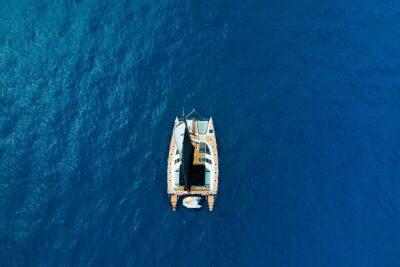
You’ll board the Stenella, a comfortable 28-foot modern boat. The boat size matters because it supports the tour’s main goal: respectful, flexible whale watching in conditions that change quickly.
The tour runs about 4 hours total, so you want those hours to feel manageable. With the smaller headcount limit, the vibe usually stays focused—guides can keep an eye on swimmers and non-swimmers, and you’re more likely to follow the real-time instructions without feeling lost in a crowd.
Bring practical expectations about the sea: the weather can shift fast, and if you’re prone to seasickness, it’s smart to talk with your pharmacist ahead of time. On a trip like this, one uncomfortable hour can spoil the rest.
How the hunt works in Paea and Papara
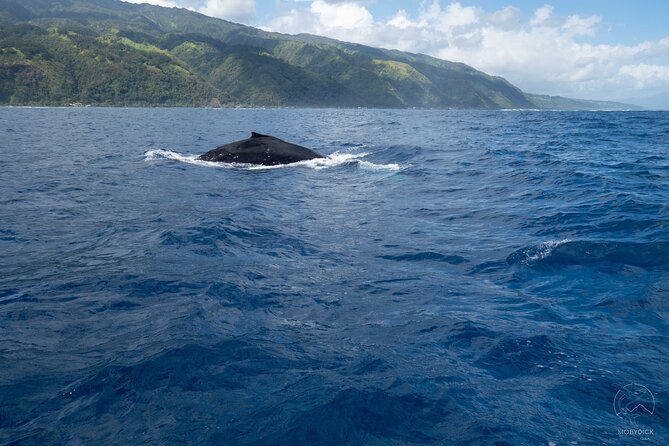
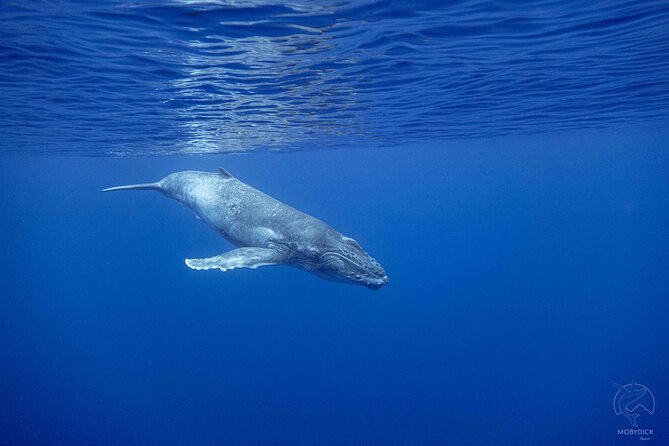
This whale-watching safari targets humpback whales between Paea and Papara, in a stretch described as still relatively untouched and quieter. In plain terms: the guides look for whales in an area where they can keep distance and approach correctly, rather than being forced into the busiest corridors.
The guides are also there to educate you while you wait. They share info about humpback biology and supervise the experience, including whether whale watching can turn into whale swimming. That supervision is the safety layer and the ethics layer at the same time.
A standout tool onboard is the listening system that broadcasts calls of the males. Even if you don’t know what you’re hearing at first, it changes how you pay attention. You’re not only scanning for spouts; you’re also tracking cues that whales may be nearby.
The whale swim decision: DIREN rules and the guide’s call
This is the part that sets expectations correctly. Whale sightings are unpredictable, and a whale swim is even more conditional.
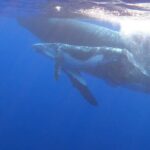
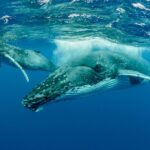
When conditions are right, the guides may authorize you to enter the water using approach guidelines set by the DIREN (the regional environmental authority). When conditions are not right, you watch from the boat—still a real whale-watching experience, just without swimming.
The guide reserves the right to refuse swimming depending on conditions. That can include anything related to safety, whale behavior, and how the approach can be managed. It’s not personal. It’s how respectful wildlife interaction works.

Swim readiness requirements
To swim, you must be able to swim at least 200 meters with fins, mask, and snorkel. Children under 10 years old can’t swim.
If you’re choosing the water entry option, don’t treat it like “just float and hang on.” You’re moving in open ocean conditions with equipment.
Snorkeling gear
If you don’t bring your own, the tour provides snorkeling equipment. Pack sun protection anyway—because even when you’re in the water, you’ll likely be out in full sun and spray.
Choosing your group setup: swimmers, rotations, and privacy
You have three ways to tailor the experience. This matters because it changes how long you spend in the water and how many people are around the whales.
Boat 6 swimmers (+observers)
If you want the best shot at a calm, personal water experience, this option is designed for smaller water groups.
Boat 12 swimmers max
If you’re on a tighter budget, expect rotation when more than 6 passengers want to enter the water. The goal is to manage time and safety without turning the water into a crowded free-for-all.
Private boat (1 to 12 passengers)
If you’re traveling as a pair, family, or friend group and you want more control over your vibe, a private option can be a smart match. It also tends to reduce the feeling of waiting around for turns.
What you can realistically see in 4 hours
This trip is about humpback whales, full stop. You should plan around humpbacks as the main event—because everything else depends on where the whales are.
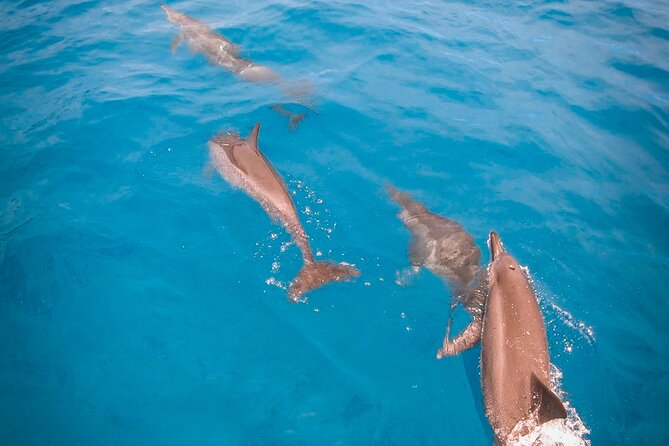
That said, on days when the ocean is cooperating, people have reported seeing additional marine life such as dolphins, flying fish, and even sharks. The important takeaway: don’t treat those as promises. Use them as a bonus expectation, not a checklist.
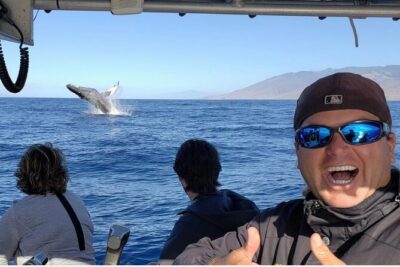
When whales are near, the experience tends to feel different depending on whether you’re in the water or watching from the boat. From the boat, you’re mostly scanning and listening (thanks to the male-call system). If you’re authorized to swim, you’re closer to behavior—movement, surfacing rhythm, and how the whales respond to the approach distance.
Seasickness, sun, and rain: what to bring so the day feels good
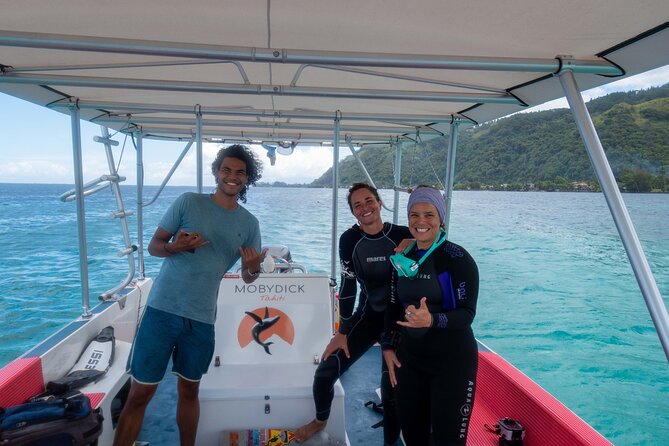
The ocean around Tahiti can be calm one hour and different the next. Since weather can change rapidly, pack for both sun and spray.
I’d bring:
- Sun protection (hat, sunscreen, sunglasses)
- A light rain layer or poncho
- Reef-safe sunscreen if you have it
- Something to keep dry if possible (a small bag helps)
- If you’re prone to it: seasickness support from your pharmacist before the day
You’ll also want to move quickly once you board, so avoid heavy clothing that soaks up water fast.
How language and briefings affect your day
You should expect a safety and whale biology briefing before leaving. The tour includes briefing time and gear distribution, which is why meeting time matters.
If your group includes English speakers, the briefing is done in English when English-speaking people are present (so you’re not left guessing what the guides are telling you).
Even if your French is decent, don’t rely on it for safety instructions. Your best plan is to listen closely during the briefing and ask questions if something is unclear.
Respect-first wildlife watching you can feel
The best days are the ones that don’t just create memories—they follow the rules so the whales keep using the area.
You can see that in how swimming is handled. The guide decides based on conditions and whales’ behavior, and they follow DIREN approach rules. That approach-first model is exactly what you want from whale watching: it reduces chaos, it reduces stress for animals, and it makes your experience more meaningful.
Also, the small maximum group size (12 travelers) supports that. If you end up in a smaller swim group option, it’s even easier for the guide to monitor everyone closely.
The main drawback: no guarantees, and swimming is conditional
Let’s be blunt. You might spend a big chunk of the day scanning, listening, and waiting without a swim. Whale sightings are not guaranteed, and the guide may refuse swimming depending on conditions.
You’re also trading convenience for the wildlife approach. There’s no pickup, and boarding is immediate. That’s fine, but it means you need to stay flexible with time and location.
If your top priority is guaranteed whale swimming, you may feel frustrated. If your priority is respectful whale watching in a quieter zone with strong guidance, the uncertainty is part of the deal.
Is this tour worth booking for you?
Book this tour if:
- You want humpback-focused whale watching near Paea and Papara
- You like the idea of respectful rules and guides who control swimming conditions
- You’re comfortable with the idea that you might watch from the boat even if you don’t swim
- You can handle basic ocean conditions and swim requirements if you choose water entry
Skip it (or choose a different style of whale trip) if:
- You want guaranteed swimming
- You can’t meet the 200-meter swim requirement with fins, mask, and snorkel
- You’re bringing kids under 10 who specifically need to swim
- You’re extremely seasick and don’t want to take steps to manage it
FAQ
How long does the whale watching tour last?
It runs for about 4 hours (approx.) and returns to the meeting point at the end.
Is a whale swim guaranteed?
No. Whale sightings are not guaranteed, and the guide only authorizes swimming when conditions meet the approach rules.
What meeting point do I use in Paea?
You meet at PK 27, Paea, French Polynesia. There’s no pickup service, and the activity ends back at the meeting point.
What snorkeling equipment is provided?
If you don’t have your own, the tour provides snorkeling equipment.
Do I need to know how to swim?
If you want to swim, you must be able to swim at least 200 meters with fins, mask, and snorkel. Children under 10 years old are not allowed to swim.
How many people are on the boat?
The tour has a maximum of 12 travelers. Swim options can be smaller (like a 6-swimmer setup), or you can go with rotation depending on how many people want to enter the water.