REVIEW · TAHITI
Whale watching DE Humpback West Coast of Tahiti
Book on Viator →Operated by Polyn'Easy Dive and Tours · Bookable on Viator
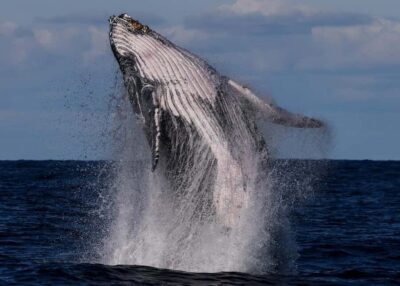
Humpbacks off the Tahitian coast are never boring, and this trip has the right mix of structure and freedom. I like the small group size (max 8) and the way the crew explains what you’re seeing, with Jordan and Romuald showing up in reviews as especially on-point. The main drawback: a whale sighting isn’t guaranteed, and the whale swim launch is only possible when conditions and rules line up.
You’ll depart early from Puna’auia (start 7:30am) for a few hours on the water, with bottled water, snacks, coffee/tea, and snorkeling gear included. You should be ready for a natural ocean experience with no pressure to launch—because observations and approach rules are set by French Polynesia station regulations.
In This Review
- Key things that make this trip work
- Where You Start: 7:30am in Puna’auia (and why it helps)
- The Season Reality: When humpbacks are allowed to be watched
- On the Water: Boat comfort and a crew that runs the show
- Whale Watching vs Whale Launch: the difference you should understand
- Observation (what you should expect)
- Launch (the optional whale swim moment)
- Who can swim with whales (and who should plan to observe)
- What the crew teaches you while you wait (because timing is everything)
- Snorkeling on this trip: gear is included, but expectations should be ocean-real
- Price and value: what $167.34 really buys you
- Getting the most out of your morning
- Accessibility and fitness: what you should know upfront
- Weather and cancellations: why you should plan like a pro
- Should you book this Tahiti humpback whale watching trip?
- FAQ
- How long is the humpback whale watching tour?
- What time does it start and where do I meet?
- Is seeing humpback whales guaranteed?
- When is whale watching available in Tahiti for this activity?
- What’s included in the price?
- Do you offer pick-up?
- Can children join the whale swim launch?
- What happens if the weather is bad?
Key things that make this trip work
- Max 8 travelers keeps the experience calm and easier for the crew to manage
- Launch is optional and conditional: observing is not the same as swimming with whales
- Snorkeling gear + safety equipment included, so you travel lighter
- Rules in the water matter: max 6 swimmers + 1 guide during any whale launch moment
- Season timing is specific: whale watching is allowed 20 July/August to 20 November (subject to approval)
- Professional onboard guidance with real species-life explanations, not just sightseeing
Where You Start: 7:30am in Puna’auia (and why it helps)
This is a morning tour that starts at 7:30am at 3 pontons Taapuna, Puna’auia. Getting out early is one of the biggest quiet advantages of whale watching here. The ocean is often more cooperative in the morning, and you’re more likely to spend quality time searching and adjusting without feeling rushed.
The tour runs about 4 hours and ends back at the meeting point. That matters more than it sounds. You don’t need to plan a complicated half-day around transfers or long returns—you can build the rest of your day in Tahiti with less stress.
If you’re deciding between multiple activities that week, I like this format because it’s a clean block of time. Morning tours also mean you can chase other ideas afterward—snorkeling, a sunset plan, or just time on land—without playing catch-up.
You can also read our reviews of more tours and experiences in Tahiti.
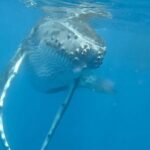
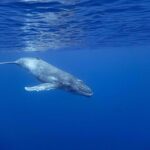
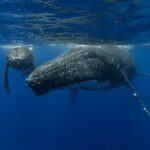
The Season Reality: When humpbacks are allowed to be watched
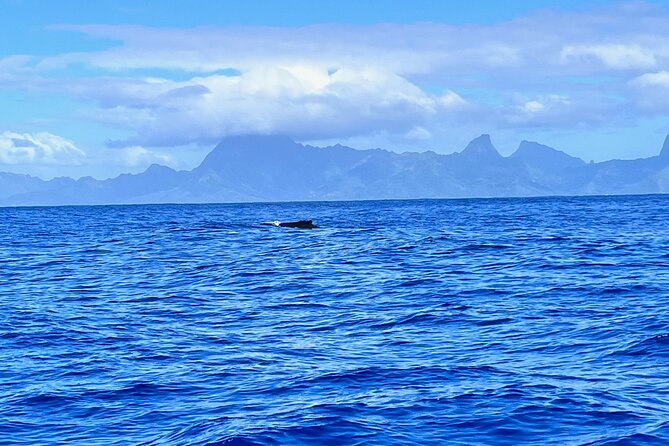
A quick but important note: this activity is tied to what French Polynesia authorizes. The observation period is allowed from 20 July/August to 20 November, subject to DIREN approval. That’s not a vague “best time of year” suggestion; it’s the actual window you should plan around.
Also, there’s mention that humpbacks are heading between polar feeding grounds and warmer breeding waters in the southern Pacific. In the provided season notes, October is when cetaceans regroup before the longer return migration, and the activity window runs through late November. Translation: you’re planning for a time when humpbacks are likely to be active in this region—not a random month where you’re guessing.
If you book outside that window, you’re taking a gamble that the tour may not be operating. So before you lock in flights or hotel nights, match your dates to the allowed period.
On the Water: Boat comfort and a crew that runs the show
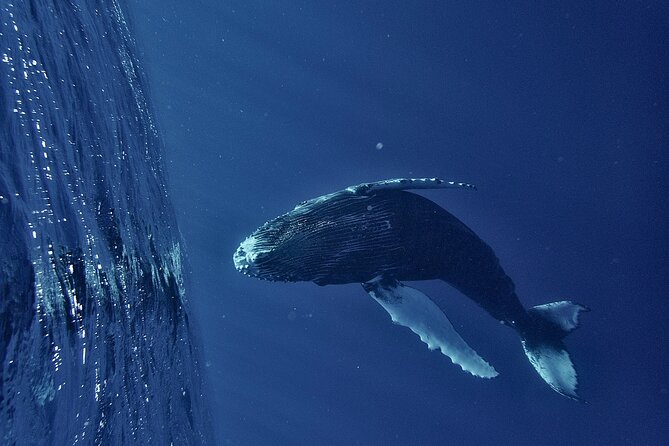
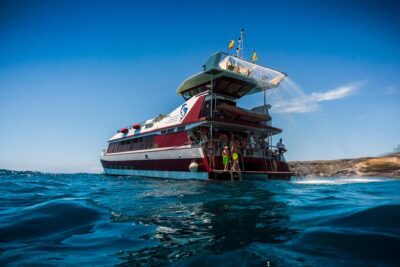
This is a small-group, guided excursion on a comfortable boat. The operator provides the onboard welcome and service, and the crew is there for safety and for keeping you focused on what matters—whales, behavior, and responsible viewing.
In the reviews tied to this tour, Romuald (often shortened to Romu) and Jordan come up as standouts for making the day feel easy and well-managed. That’s exactly what you want early in the morning: a crew that knows how to handle whale watching logistics while keeping everyone calm.
The tour also includes safety equipment and onboard guidance. Even if you’re an experienced swimmer, whale watching isn’t the same as a normal boat day. You’re operating under station rules, and the crew needs room to make judgment calls based on where whales surface, how close they’re approaching, and what the water conditions are doing.
And yes, the whale swim possibility can sound like the main event. But the best parts of this trip are usually the steady rhythm: search, spot, observe, and then follow the crew’s cues.
Whale Watching vs Whale Launch: the difference you should understand
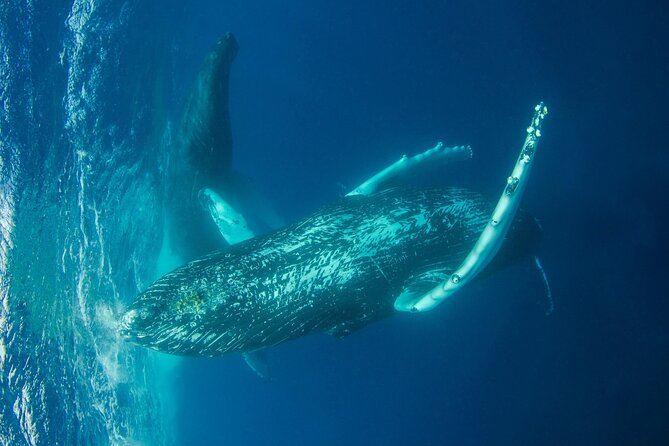
This is a crucial point: you can have an excellent experience without ever doing the launch.
The trip is described as natural marine mammal observation, and it clearly states:
- Observations are not guaranteed
- Launching is not mandatory and not systematic
- The team follows approach rules set by the station regulation
So what does that mean for you in practical terms?
Observation (what you should expect)
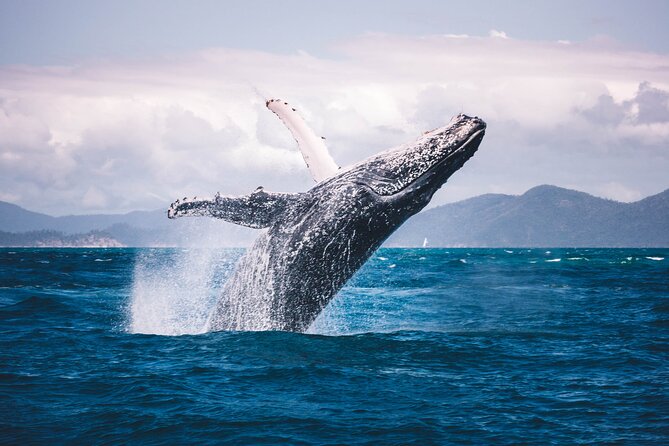
You’ll be out with a guide and captain who look for humpback whales and then position you for viewing when whales appear. You get species explanations during the excursion—because seeing a whale is cool, but understanding what you’re seeing makes it stick.


Launch (the optional whale swim moment)
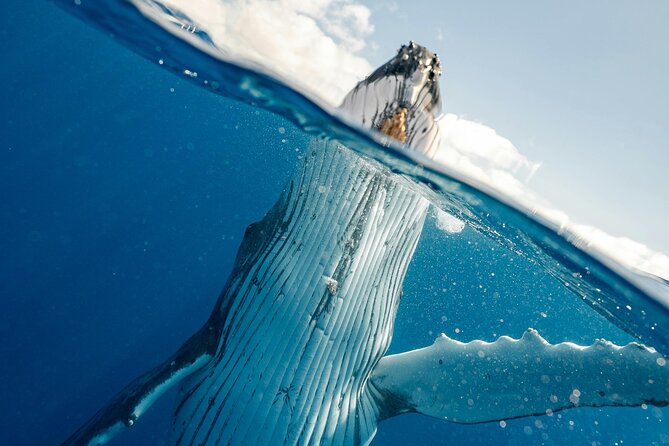
If conditions are right, you may be offered the chance to share a special moment with the whales by launching with them. This is where your preparation matters.
There are also hard limits:
- Maximum permitted size in the water: 6 swimmers + 1 guide
- The swim isn’t for everyone
- There are age and swimming requirements (details below)
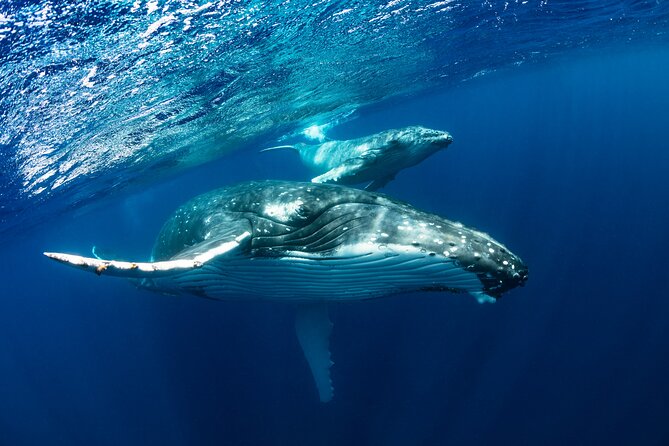
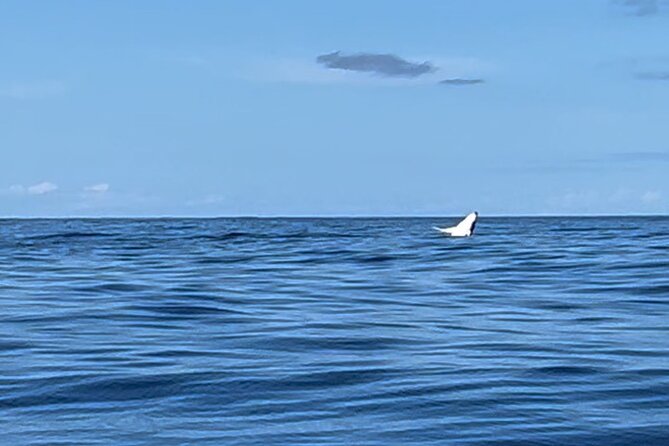
One review notes a very close, emotional moment—swimming not far from a young whale and its parent, and another talks about a young male whale singing early in the season. Even if your day isn’t identical, it shows what’s possible when the ocean cooperates.
Who can swim with whales (and who should plan to observe)
If you’re aiming for the launch, read this section carefully.
To participate in the launch with whales, it’s essential that you:
- know how to swim at least 200 meters without assistance
- be comfortable in a natural ocean environment, even with the mention of a slide
- not panic in contact with large marine animals (whales can range from 1 to 30 tonnes in the guidance)
Age rules also matter:
- No launch for children under 12
- For kids aged 12–17, launch is subject to parental authorization
- If there’s any doubt, kids may still participate as observers on board while others launch (based on the crew acting in passengers’ best interests)
This is one of the most responsible parts of the tour. It prevents the common problem on attraction-style whale trips: people treating it like a thrill ride without the swimming comfort needed for open ocean conditions.
So my advice is simple:
- If you’re confident in open water swimming and comfortable staying calm, the launch option can be the highlight.
- If you’re not sure, plan for observation. You’ll still be there early, with a guide explaining humpback life, and your day can still be unforgettable.
What the crew teaches you while you wait (because timing is everything)
Whale watching isn’t just “spot and go.” It’s a waiting game paired with a skill game. When humpbacks surface, they don’t do it on your schedule. That’s where guided explanation matters.
The trip description says the team professionals provide fun explanations about the species observed and their way of life. That’s not fluff. When you can name what you’re seeing—surface behavior, patterns, or the fact that humpbacks use songs as part of their behavior—you enjoy the encounter more and you remember it longer.
The reviews also support this style of guiding. People singled out the crew’s easy, supportive approach and the feeling that the excursion flowed smoothly. When a guide is confident, you spend less time worrying and more time watching closely.
Snorkeling on this trip: gear is included, but expectations should be ocean-real
This tour includes snorkeling equipment plus safety gear, along with bottled water, coffee/tea, and snacks. That’s solid value. You’re not paying extra to get in the water, and it reduces the chance you show up underprepared.
But keep your expectations grounded:
- This is not a reef-lounge snorkeling day.
- You’re in a natural marine mammal zone under rules.
- Conditions can change fast, and the launch depends on what the whales are doing and what the sea allows.
Still, I think you’ll feel better knowing gear is provided, because it removes a lot of friction. On a morning boat tour, friction kills joy. The included snacks and water help you stay comfortable while you wait for the next sighting.
Also, since the launch includes a requirement about being comfortable even with a slide, there’s at least some practical onboard handling you should be okay with. If you have any concerns about open-water comfort, tell the crew in advance.
Price and value: what $167.34 really buys you
The price is $167.34 per person. That’s not cheap, especially when whale sightings are never guaranteed. But here’s why it can still be good value:
- Small group (max 8): you’re not packed in like a bus.
- Included essentials: safety equipment, snacks, water, coffee/tea, and snorkeling gear.
- Professional guidance: guide + captain focus on safety and species explanation.
- Optional whale launch possibility: the main “wow” moment, when conditions allow.
It’s also booked in advance quite a bit—on average, about 18 days ahead. That’s often a sign that people plan carefully for season dates and morning availability. If you’re going in peak travel weeks, don’t wait until the last minute.
One more value note: pickup isn’t standard, but pickup may be possible on request. If you’re staying close to the pontons area, you may find this works easily. If you’re farther out, confirm what’s available so you don’t lose time.
Getting the most out of your morning
Here’s how I’d set you up for a strong day, based on how this tour is structured.
- Arrive early enough to feel unhurried. It’s a 7:30am start, and you want to start calm.
- If you want the launch, train your confidence. The 200-meter swim requirement isn’t there to be annoying; it protects everyone.
- Keep expectations flexible. You might get a close, emotional swim moment, or you might have a great viewing day without launching.
- Dress for the natural ocean environment. This is a real sea day, not a spa day.
- Follow crew cues quickly. In whale watching, timing and safety decisions are fast.
The best experiences tend to come from people who let the ocean set the tempo and who treat the crew’s rules like part of the fun.
Accessibility and fitness: what you should know upfront
This tour asks for a moderate physical fitness level. If you’re recovering from an injury or dealing with temporary discomfort, tell the operator in advance. They say they’ll do their best to adapt your welcome under their capacity.
For the launch specifically, being comfortable in the natural environment is part of the requirement, and the crew decides based on your comfort and the best interests of passengers.
If you’re unsure where you fit, it’s worth contacting them before you buy. That saves money and saves stress.
Weather and cancellations: why you should plan like a pro
Weather matters here. The activity requires good weather, and if it’s canceled because of poor conditions, you’ll be offered a different date or a full refund.
Also, cancellations within 24 hours don’t get refunded, while canceling at least 24 hours ahead gets you a full refund. That means you should watch forecasts for the day before and be ready for rescheduling if the sea turns rough.
In whale watching, the ocean calls the shots. Your job is to keep your schedule flexible enough to respond.
Should you book this Tahiti humpback whale watching trip?
Book it if:
- you want a morning small-group whale watching experience off Tahiti’s west coast
- you value guided explanations and safety-first operations
- you’re open to the idea that whales are wild animals and the sea won’t always cooperate
- you meet the swim comfort requirements and actually want the possible launch
Skip the launch (or consider choosing a different plan) if:
- you can’t comfortably swim the required distance
- you’d feel stressed by open ocean conditions or by close contact with large animals
- you want a guaranteed outcome—because observation and launching are not guaranteed
If you’re traveling during the allowed season window and you’re willing to be flexible, this tour is a strong bet. The included snacks, snorkeling gear, and the small-group feel help it feel like an experience, not just a ticket. And when humpbacks show up as they sometimes do—close enough for something rare and moving—the day becomes the kind you talk about long after you’re back on land.
FAQ
How long is the humpback whale watching tour?
The duration is about 4 hours.
What time does it start and where do I meet?
It starts at 7:30am. The meeting point is 3 pontons Taapuna, Puna’auia, French Polynesia.
Is seeing humpback whales guaranteed?
No. Whale observation is not guaranteed, and launching with whales is not mandatory.
When is whale watching available in Tahiti for this activity?
The observation period is allowed from 20 July/August to 20 November, subject to DIREN approval.
What’s included in the price?
The tour includes a guide, safety equipment, bottled water, coffee and/or tea, snacks, and snorkeling equipment.
Do you offer pick-up?
Pick-up is possible on request.
Can children join the whale swim launch?
Children under 12 are not launched with whales. Children 12 to under 18 can be launched only with parental authorization. If there’s doubt, children may participate as observers on board.
What happens if the weather is bad?
The activity requires good weather. If it’s canceled due to poor weather, you’ll be offered a different date or a full refund.