REVIEW · TAHITI
Whale watching DE Tahiti Peninsula
Book on Viator →Operated by Polyn'Easy Dive and Tours · Bookable on Viator
Humpbacks feel unreal in Tahiti. This small-group whale trip on the Tahiti Peninsula is built around local crew service and clear, calm guidance, so you’re not just “hoping for whales.” I also love the focus on safety and whale-respect rules, including controlled in-water launch limits and a captain who follows approach guidelines. One thing to plan for: the whale swim (launch) is conditional, not guaranteed, and requires meeting specific skills and age rules.
The upside is that you still get a proper wildlife outing even when the launch doesn’t happen. You’ll spend about 3–4 hours on the water with coffee/tea, snacks, bottled water, safety gear, and snorkeling equipment, while the guide explains what you’re seeing and how humpbacks live. The main drawback is simple: if you can’t swim 200 meters unassisted (or you’re under the launch age limit), you may only observe from the boat.
In This Review
- Key Highlights (What Makes This Tour Worth Your Time)
- Humpback Season on the Tahiti Peninsula: When You Can Actually See Them
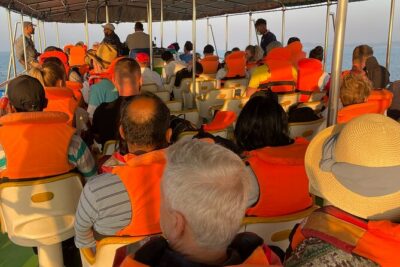
- Boarding the Boat: A Comfortable, Small-Group Pace That Feels Real
- Meet Your Guide and Captain: Safety-First, Whale-Respect Rules
- The Whale Swim Opportunity: How Launch Rules Keep It Real
- Snorkeling Setup, Ocean Comfort, and What You’re Actually Covered For
- Price and Value for a 4-Hour Whale Day ($188.27)
- Meeting Point and Timing: The Simple Things That Save Your Day
- Who Should Book This Tour (and Who Should Consider Observing)
- Should You Book Whale Watching DE Tahiti Peninsula?
- FAQ
- How long is the whale watching excursion?
- Where do you meet for the tour?
- Is seeing whales guaranteed?
- What’s included in the ticket price?
- Do I need to know how to swim to participate?
- Is hotel pickup available?
- Are children allowed to launch with whales?
Key Highlights (What Makes This Tour Worth Your Time)
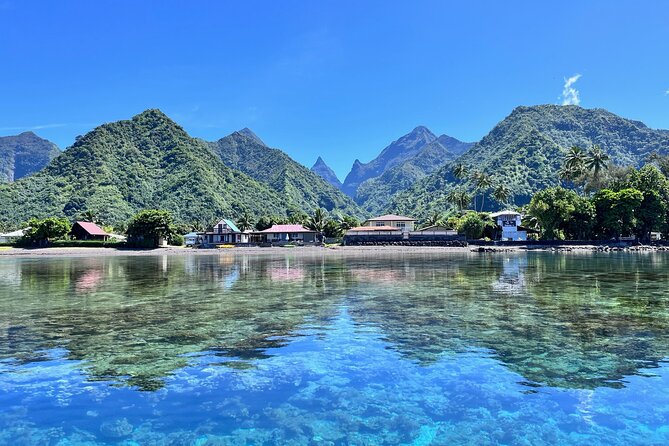
- Max 8 travelers, so the group stays manageable on a moving ocean day
- Local crew service with a Guide and Captain working safety-first
- Snorkeling gear + safety equipment included (so you show up ready)
- Launch with whales is optional and not systematic, and observations aren’t guaranteed
- In-water limits apply (6 swimmers + 1 guide) based on Polynesian station rules
- Romuald gets mentioned for humor and care, especially around safety
Humpback Season on the Tahiti Peninsula: When You Can Actually See Them
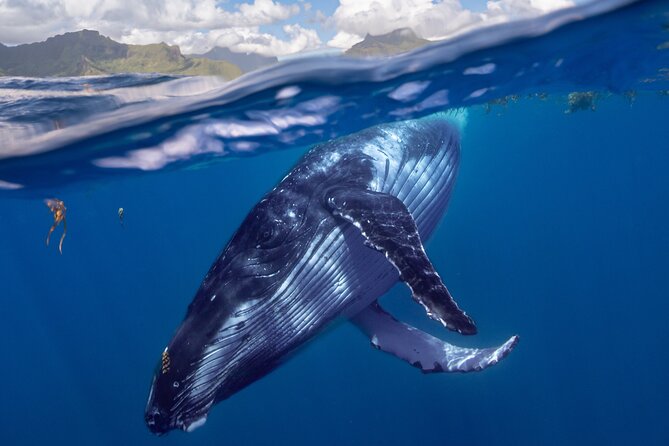
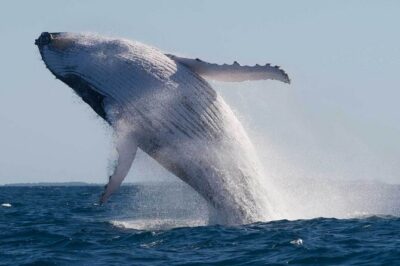
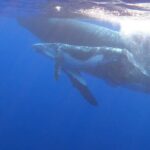
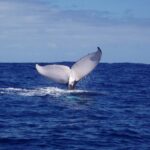
Humpback whales don’t stick around year-round in the same way. They migrate from Antarctica to warmer southern Pacific waters to breed, give birth, and raise calves. On the Tahitian Peninsula, the whale watching window is seasonal and tied to official approval and local marine rules. The tour notes an observation period allowed from 20 July through 20 November, depending on DIREN approval.
If you’re choosing dates, this matters more than people think. A tour that looks similar on paper can mean very different things depending on whether whales are in the area and whether approach rules are active. Here, you’re going out during the part of the year when humpbacks are regrouping before their long return migration back toward Antarctica.
Also note the important tone the operator sets: whale viewing is treated as natural marine mammal observation, not a manufactured show. The experience explains that observations aren’t guaranteed and that the launch to enter the water is not mandatory and not systematic. That’s actually a good sign. It means the plan follows whale behavior and local rules rather than forcing a checklist moment.
You can also read our reviews of more tours and experiences in Tahiti.

Boarding the Boat: A Comfortable, Small-Group Pace That Feels Real
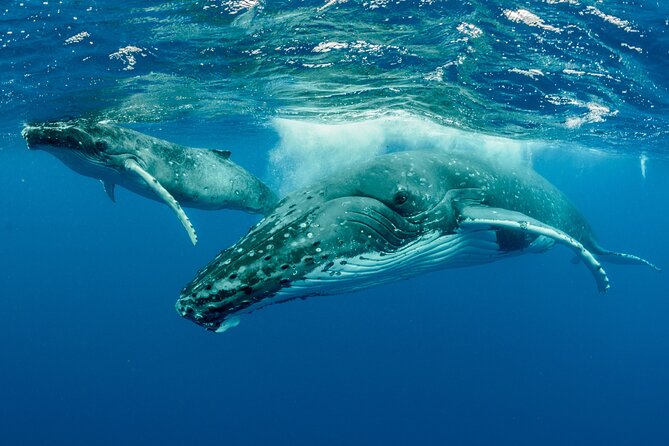
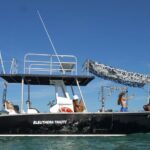
This is a guided excursion aboard a comfortable boat, and the group size is capped at 8 travelers. That smaller number changes the whole mood. You spend less time waiting around, and the crew can give more individual attention when conditions shift—wind, swell, or whale position.
You start at Parking debarquadaire pensions, PK 17, Taiarapu-Ouest and return to the same meeting point at the end. There’s no pickup included, so you’ll want to get there with enough buffer time. The tour also uses a mobile ticket, which is handy if you don’t want to juggle printed documents on a beachy day.
Once you’re on board, expect a warm-up that’s practical rather than formal. The trip includes coffee and/or tea, bottled water, and snacks, so you’re not running on empty between briefing and long stretches on the water. The guide then runs the outing with explanations about species behavior and what to look for.
A detail I appreciate from the trip description: the crew is responsible for your welcome and on-board service, but they’re also steering based on real sea conditions and whale location. It’s not just “go out, blow a horn, come back.” It’s more like a wildlife outing with structure.
Meet Your Guide and Captain: Safety-First, Whale-Respect Rules
The biggest quality signal in this tour is how often it centers safety and rules. You don’t just get a “fun day on the water.” You get a plan designed around both you and the whales.
You’ll travel with a Guide and Captain, and the operator specifically describes professionals who bring fun, clear explanations about humpbacks during the excursion. The guide’s job is not only to point out whales, but also to help you understand behavior—so you react the right way when you’re near a large animal.
One name stands out from the experiences shared: Romuald. He’s described as funny and accommodating, but what matters most is the way he balances joy with strong safety thinking. In a situation where you’re in the ocean with animals that can weigh 1 to 30 tonnes, that kind of calm, careful guidance is not optional—it’s the whole point.
And there’s a key rule baked into how the tour approaches whales: approach rules are defined by the stationing rule in French Polynesia. That’s not just jargon. It’s the difference between crowding whales and giving them space while still offering meaningful encounters.
The Whale Swim Opportunity: How Launch Rules Keep It Real
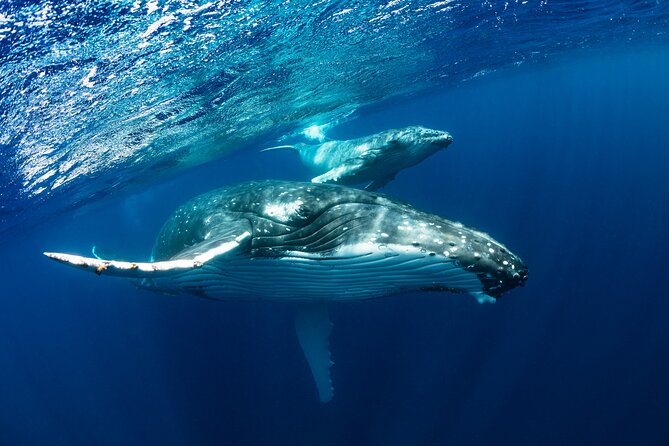
This is the part most people are excited about: the chance to share a special moment with these majestic creatures—but only when conditions and rules allow.
Here’s how the tour frames it:
- Observations may happen without any launch.
- Launching is not mandatory and not systematic.
- The observation period and approach rules follow local station guidelines.
If you want the in-water experience, you need to understand the requirements clearly before you book:
- To participate in the launch with whales, you must know how to swim at least 200 meters without assistance.
- You should be comfortable in a natural ocean environment, even with a slide (which means you should be able to handle movement, getting in/out, and surprise moments that come with real water).
- You should not panic around large marine animals.
- Launch isn’t available for children under 12.
There’s also an in-water cap: the maximum permitted size in the water is 6 swimmers + 1 Guide. That limit is there for a reason. It helps keep the number of people around whales controlled and manageable, and it reduces chaos in the moment—especially important in active water.
For the younger crowd, the rule is straightforward: children under 12 don’t launch with whales, and for ages 12 to 18, launch is subject to parental authorization. If you’re not launching, children may still participate as observers on board, depending on how the crew decides it best for safety.
Snorkeling Setup, Ocean Comfort, and What You’re Actually Covered For
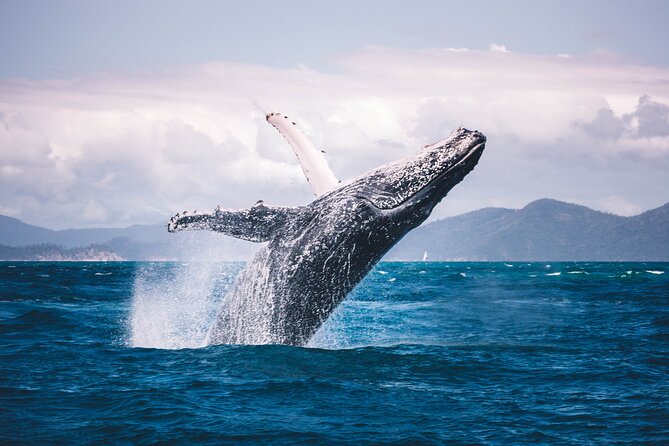
Even if you’re not launching, this trip isn’t “stand around and hope.” You get equipment and you get time.
The tour includes:
- Snorkeling equipment
- Safety equipment
- Snacks, coffee/tea, and bottled water
- A Guide
That combination is valuable because whale days can be long and a little unpredictable. Having your snorkeling gear included means you don’t scramble for rentals. Having safety gear included means you can focus on the experience instead of second-guessing whether you grabbed the right “kind” of equipment.
The tour also makes a point that comfort matters. If you’re imagining a calm pool, the ocean will remind you it’s not. The launch requirement explicitly asks you to be comfortable even with ocean conditions and a slide. Even if you’re only observing, the day is still on the water, so bring your best sea-day attitude.
Practical tip for your own planning: if you get nervous in open water, this is not the place to test your limits on a whim. The tour rules are designed to protect everyone—including the whales. If you know you get anxious, choose to observe and let the guide handle the rest.


Price and Value for a 4-Hour Whale Day ($188.27)
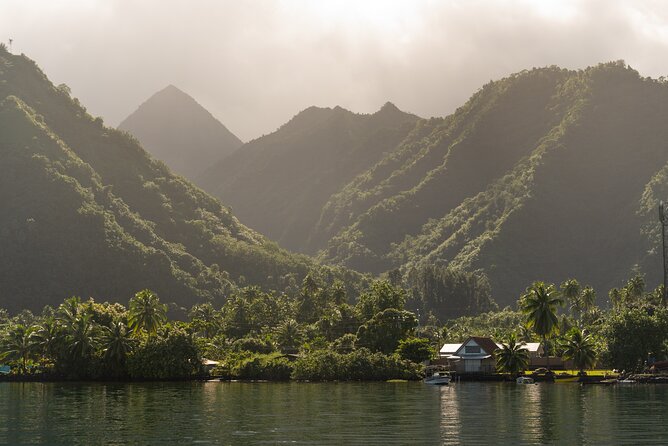
The price is $188.27 per person for about 4 hours (listed approximate duration), and bookings often happen around 88 days in advance on average. At this cost, you’re paying for more than “a boat ride.”
What you’re actually getting for the money:
- A small-group format (max 8)
- A Guide and Captain
- Coffee/tea, snacks, bottled water
- Snorkeling equipment and safety equipment
- A structured, rule-based whale encounter style, including local stationing rules
Now the fair part: whale viewing and the swim launch aren’t guaranteed. That can feel frustrating if you expect a guaranteed in-water moment. But from a value perspective, it can be a trade you’re glad you made. You’re not paying for a forced experience; you’re paying for a safe, professional attempt aligned with conservation-style behavior.
When I evaluate value for a tour like this, I look at what you’d otherwise have to pay for: boat transport, specialized gear, guide time, and the safety infrastructure. Even though you could theoretically find standalone boat trips, you’d be missing the rules-driven whale protocol and the on-water guidance that helps you interpret what you’re seeing.
If you’re traveling with a swimmer who meets the 200-meter unassisted rule, the value can feel even better—because the day can turn into that rare close-up moment. If you’re not a swimmer, you still get the wildlife education and observation time.
Meeting Point and Timing: The Simple Things That Save Your Day
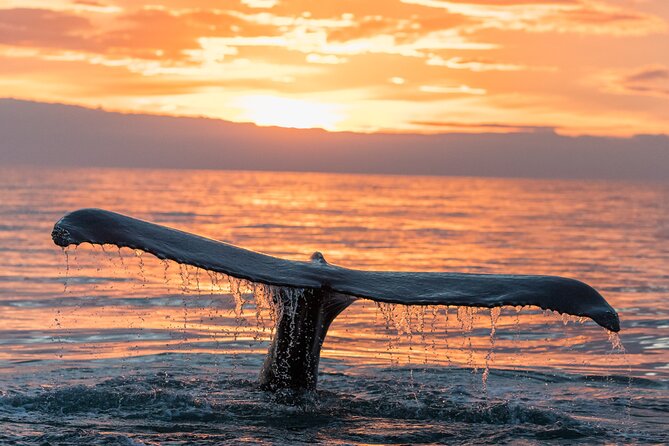
Your start point is Parking debarquadaire pensions, PK 17, Taiarapu-Ouest, and you return to the same meeting point. There’s no pickup listed as included, though pickup may be possible on request (so ask early if you need it).
Weather is also a real factor. This type of activity depends on good conditions, and the experience is clear that weather can affect whether you go out as planned. If you’re on a tight schedule, book this with at least a little flexibility nearby.
What I’d do if you’re planning around it: treat the trip as your “best shot” whale day rather than a guaranteed slot. If whales show up and the conditions line up, you’re there with the right gear and the right rules. If not, you’ve still spent hours out on Tahiti’s water with knowledgeable guidance and thoughtful safety.
Who Should Book This Tour (and Who Should Consider Observing)
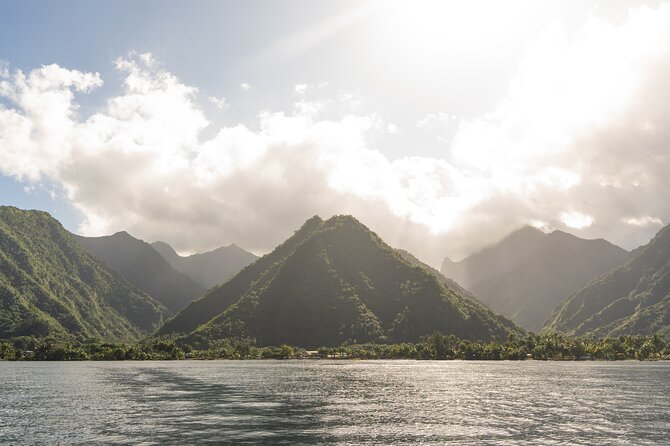
This works best if you want a guided whale experience with control, not a crowded free-for-all.
You’ll likely love it if:
- You’re comfortable on the water and can handle a moving ocean day
- You want the explanations behind what you’re seeing, not just the sighting
- You’re okay with the reality that whale launches depend on conditions and rules
- You value small-group attention (max 8)
You should consider observing (instead of launching) if:
- You can’t swim the required 200 meters unassisted
- You’re unsure you can stay calm around large marine animals
- You’re traveling with kids who don’t meet the launch age rules
For families: keep expectations tuned. Children under 12 won’t launch with whales, though they can potentially observe on board when appropriate. For teens 12 to 18, parental authorization is required for launch.
And if you have a disability or reduced mobility or a temporary injury, the operator asks you to inform them in advance so they can adapt welcome in the best conditions. That’s a sign they plan for real-world needs, not just checklists.
Should You Book Whale Watching DE Tahiti Peninsula?
I’d book this if your priority is a responsible, professionally run humpback encounter with a chance—never a promise—to enter the water. The small group size, the included snorkeling and safety gear, and the emphasis on whale-respect approach rules make it feel like the right kind of “close” without being reckless.
Don’t book with the mindset of guaranteed swimming. If that’s your only goal, you’ll be happier choosing a flexible date and going in ready to observe as well. And if you’re going to launch, double-check you truly meet the swimming and comfort requirements. That’s what keeps the experience safe for you and for the whales.
If you want, tell me your travel dates and whether anyone in your group can swim 200 meters unassisted, and I’ll help you decide if this is a strong fit for your plans.
FAQ
How long is the whale watching excursion?
The tour duration is about 4 hours.
Where do you meet for the tour?
The start point is Parking debarquadaire pensions PK 17, Taiarapu-Ouest, French Polynesia, and it ends back at the meeting point.
Is seeing whales guaranteed?
No. Whale observations are not guaranteed, and launching with whales is also not mandatory and not systematic.
What’s included in the ticket price?
Coffee and/or tea, bottled water, snacks, snorkeling equipment, safety equipment, and a guide are included.
Do I need to know how to swim to participate?
To participate in the launch with whales, you must be able to swim at least 200 meters without assistance. Non-swimmers/observers are not launched with whales.
Is hotel pickup available?
Pick-up is not included, but it may be possible on request.
Are children allowed to launch with whales?
Children under 12 years old are not launched with whales. For ages 12 to 18, launch requires parental authorization. Children may participate as observers on board if needed for safety.