REVIEW · TROMSO
Tromsø: Whale Watching Tour by Hybrid-Electric Boat
Book on GetYourGuide →Operated by Brim Explorer · Bookable on GetYourGuide
Silent whales are the main draw.
This Tromsø whale watching cruise in the Barents Sea lets you chase Fin, Sperm, Humpback, and/or Orca whales while the boat stays quiet and purpose-built for wildlife. I like that the operation is built around minimizing disturbance, not just getting close fast. One thing to factor in is that the day can run 7 to 9 hours depending on where the whales are, so it’s not a tight schedule kind of tour.
I really like the heated ride with big panoramic windows, so you’re not forced to stand outside in Arctic wind for the whole search. I also like the guide-led approach, with in-person storytelling and whale education as you go, plus a real push to find animals even when spotting takes longer.
The main drawback is simple: it gets cold fast outside, and wavy conditions can mean seasickness for some people.
In This Review
- Key things to know before you go
- Why this Tromsø whale watching boat feels different
- The day’s flow: Tromsø docks, fjord stops, then the Skjervøy hunt
- What whales you might see (and why orcas often win the spotlight)
- The quiet engine moment: what to expect once whales are spotted
- Comfort on board: heated saloons, panoramic views, and onboard Wi‑Fi
- Timing, daylight, and those fjord photo stops
- Weather reality: cold decks, wavy water, and seasickness planning
- Price and value: is $195 worth it?
- Who this whale watching tour suits best
- Should you book the Brim Explorer Tromsø whale watching tour?
- FAQ
- How long is the Tromsø whale watching tour?
- What whales can I expect to see?
- Do I get a guarantee that I’ll see whales?
- Is the boat silent during whale viewing?
- What should I bring for the trip?
- Is there food included?
- Will I be able to stay warm on the boat?
- Can the trip cause seasickness?
- Where do I meet the tour?
- Is Wi‑Fi available?
Key things to know before you go
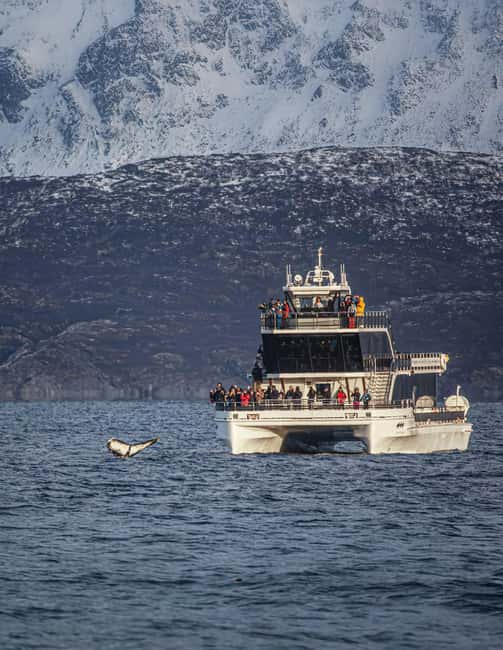
- Hybrid-electric, silent search once whales are spotted to reduce disturbance
- Heated indoor saloons with panoramic windows and multi-level decks
- More than 95% success rate, but no whale-viewing guarantee
- Cold outside even with warm cabins, plus icy/icy-deck conditions
- Food and drinks for purchase onboard, and lunch isn’t included
- English live guides who share local Tromsø-area stories and whale info
Why this Tromsø whale watching boat feels different
Most Arctic whale trips are basically a race between your curiosity and the weather. This one adds a third player: a boat designed for respectful viewing. The tour uses a purpose-built hybrid-electric catamaran, and once whales are located, the operation switches to a quieter electric mode to minimize noise and vibrations. Researchers have cited engine vibration and sound as a disturbance for marine life, so the quiet part is not just marketing.
That matters because whale watching is not only about seeing whales. It’s also about giving them space to keep doing what they came to do. When the crew follows a strict whale watching philosophy, you tend to get a better “real” moment, not a chaotic scramble. And on days when the whales are active in feeding areas, that calm approach can help you watch without feeling like you’re intruding.
You’ll also appreciate the setup on board. The boat has capacity for over 100 people, yet you still get big windows, multiple deck levels, and heated indoor lounges. That balance is the sweet spot here: lots of room, but also views from where you can stay warm.
You can also read our reviews of more tours and experiences in Tromso.

The day’s flow: Tromsø docks, fjord stops, then the Skjervøy hunt
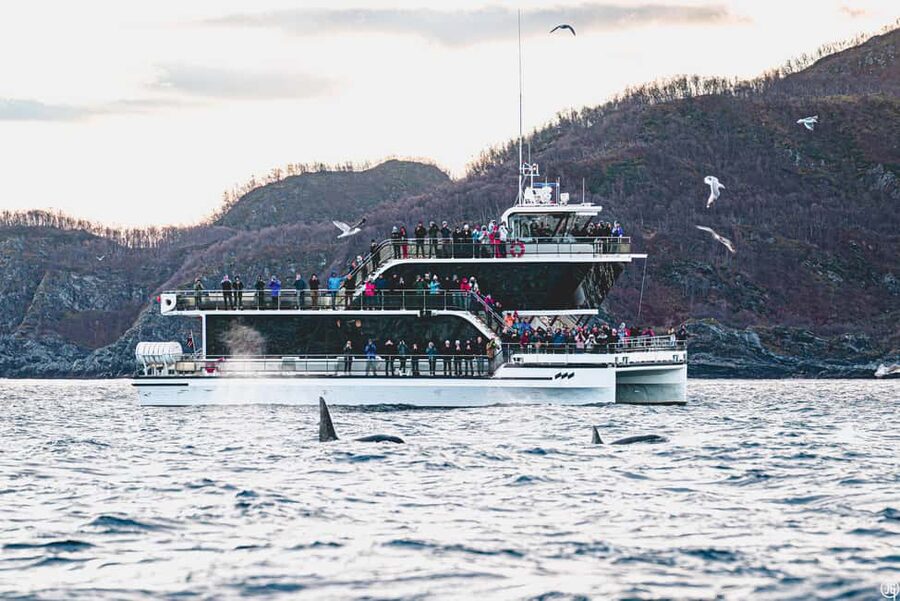
This is a morning-departure kind of experience. The general rhythm is: you start in Tromsø, move through scenic fjord country with photo opportunities, then head to the area around Skjervøy when the timing lines up with the short daylight hours.
Before you head out, there’s a safety briefing that runs about 18 minutes. After that, you’ll travel north. Along the way, you’ll get guided sightseeing and time for photos, including a stop in Grøtnesdalen where you can catch sunrise-style views depending on the season. You’re not stuck staring at a screen either. The route gives you changing scenery and viewpoints you’d miss if you just went straight to the boat.
Then comes the key section: reaching the whale grounds. Expect a boat segment out to where whales are likely in the herring-rich fjords, followed by time spent around the feeding area. On the water, the sailing to the whales usually takes about 3 to 3.5 hours, and the time in the feeding grounds is about 1 to 1.5 hours. If the whales aren’t immediately showing, the captain keeps looking and the guides extend the search when needed.
The best practical takeaway: this tour is built for daylight and for the reality that whale locations change. You’re buying time on a boat system that’s designed for long scanning, not a quick drive-by.
What whales you might see (and why orcas often win the spotlight)
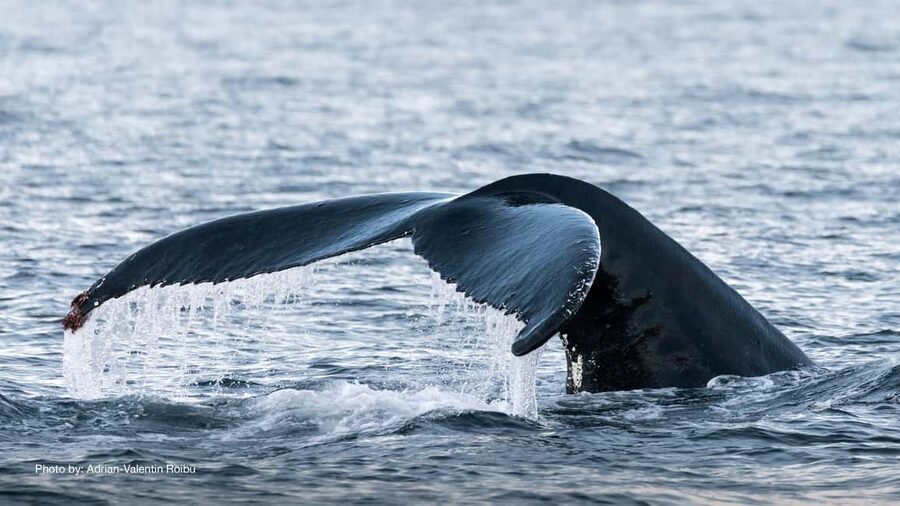
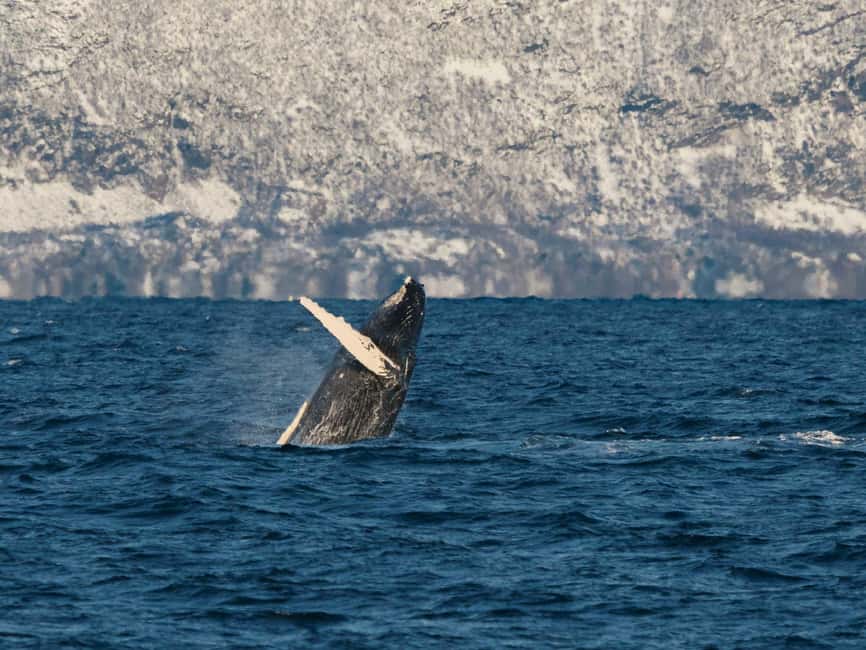
The headline species are Fin whales, Sperm whales, Humpback whales, and/or Orcas. The operator advertises more than a 95% success rate, which is a strong number for wildlife tourism in the Arctic. Still, it’s important to keep your expectations honest: no one can guarantee animal behavior.
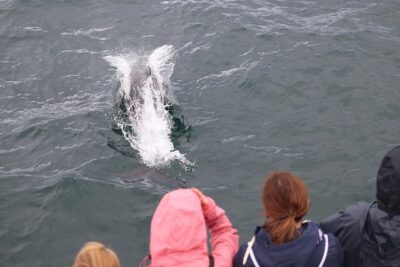
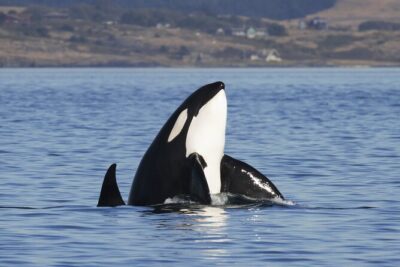
Orcas show up often on these kinds of outings because they hunt and move in ways that make them easier to locate and track from the boat. On several runs, orcas are spotted in pods, and when you’re lucky, you can watch them travel and surface in a way that’s almost choreographed. Humpbacks, Fin whales, and Sperm whales can be a little more elusive depending on where they’re feeding, but the guides use their own on-the-water methods to locate them and keep the group engaged while you search.
Here’s the thing I like about this format: you’re not just handed a vague “look hard” moment. Once whales are spotted, the guides switch into more focused explanations about what you’re seeing and why it matters. They also share whale facts along the way during the search, so even if the first few sightings aren’t what you hoped for, the information makes the waiting feel purposeful instead of random.
If your heart is set on a specific species, manage it like a weather plan. You can strongly hope for what’s most likely, but you should be open to the day’s actual winners.
The quiet engine moment: what to expect once whales are spotted
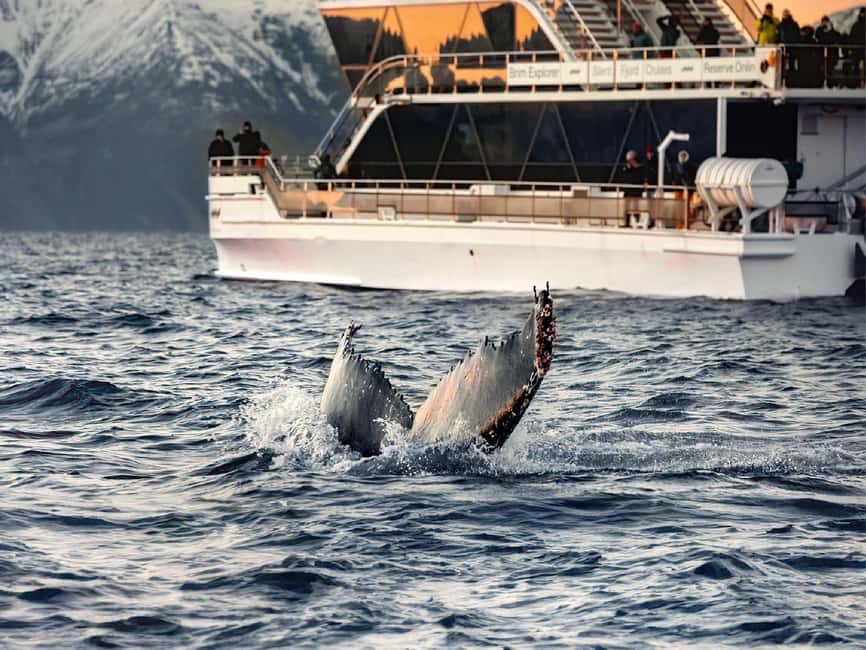
When the crew finds whales, the tour changes gears. The operation switches to an electric and silent engine to reduce disturbance. That means less vibration and less noise cutting through the water, which is the core reason this trip is a smart pick for anyone who cares about responsible whale watching.
On board, you’ll typically settle into viewing mode across multiple levels. The huge windows in the indoor saloons also let you watch without getting dragged into constant cold-air exposure. Outside is still outside, though. If you go to the deck, it helps to dress for Arctic wind and consider traction shoes, since deck conditions can be slippery.
In terms of closeness, I’d avoid guarantees. But the overall reports point to a respectful distance that still feels exciting when whales come up near the route. The crew tends to slow down or stop within set distances so whales can decide whether to approach.
That philosophy is why this experience is not just about check-list wildlife. It’s also about feeling like you’re watching a living system, not a performance staged for humans.
Comfort on board: heated saloons, panoramic views, and onboard Wi‑Fi
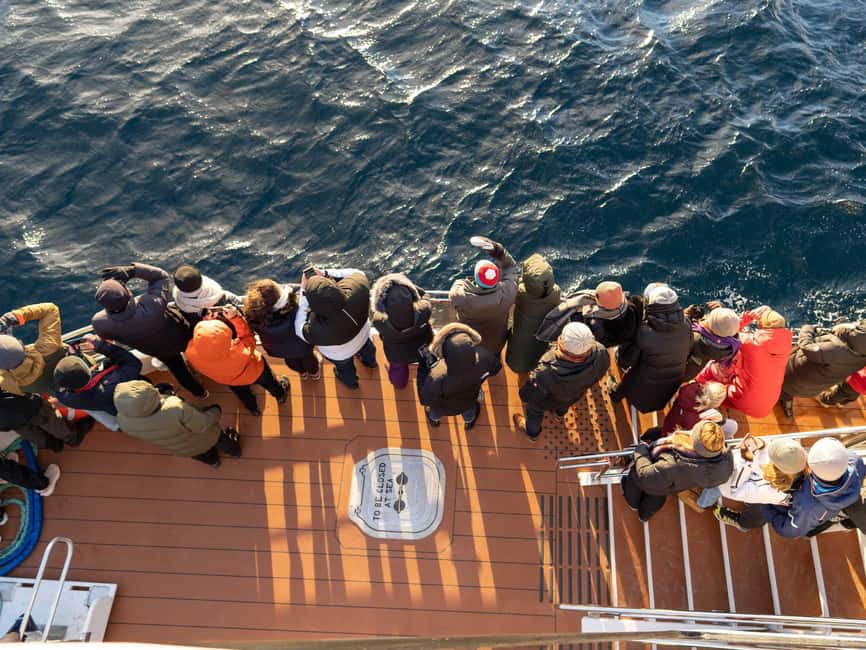
The boat is built for comfort in cold conditions. You get heated indoor saloons with panoramic windows, which means you can rotate between inside warmth and outside scanning without losing the whole show. Multi-level decks also help. Even on a full boat, you’re usually not trapped behind tall winter coats and elbows.
There’s also Wi‑Fi onboard and tap water included. Small details, but they help on long days. When you’re busy scanning for spouts and tail flukes, staying hydrated matters more than you think.
Food and drinks are available to buy onboard, but lunch isn’t included. That’s worth planning for. If you need a full sit-down meal, you’ll have to purchase something instead of assuming you’ll get a included lunch. On several days, people found the snack and drink options practical while they waited for sightings to happen.
One more comfort note: seating and tables can feel social. On some trips, you may share table space during the ride. That’s not a deal-breaker, just something to expect if you’re the type who likes your own space the whole time.



Timing, daylight, and those fjord photo stops
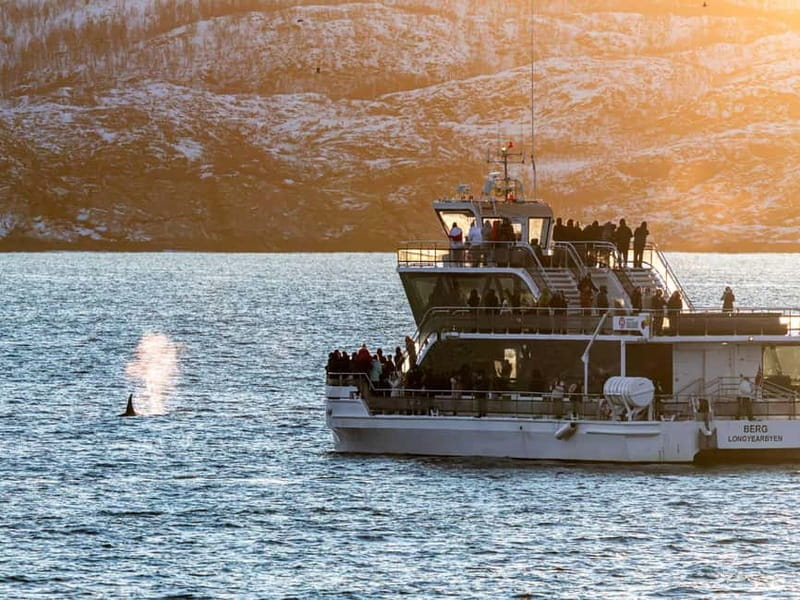
This tour leans hard into the fact that Arctic daylight is limited. The route is designed so you’re out where the whale timing and daylight line up. That’s why a morning departure is common: you want the best chance to see whales while you still have light to spot them.
You’ll also get photo moments along the way. The program includes scenic stops such as Grøtnesdalen, plus a chance to enjoy viewpoints near Haugnes on the timing of the day. Depending on the season, you may catch a sunrise vibe at one stop and a sunset glow later. That doesn’t replace whale watching, but it turns the long search time into a real day in the fjords.
And yes, there can be bonus sky moments. Some people have reported glimpses of the Northern Lights on the return. It’s not something you can plan on, but it’s a nice reminder that the Arctic can do more than one spectacular thing in the same day.
Weather reality: cold decks, wavy water, and seasickness planning

This is the practical section you should actually read twice.
First, bring warm clothes, including wool. The saloons are heated and comfortable, but it’s cold outside, especially when you’re out at sea. Layers beat one bulky coat because you can regulate warmth when you move between inside and outside.
Second, expect wavy conditions. The tour notes that you may experience seasickness. That’s not a scare tactic. It’s a straightforward Arctic reality. If you’re the kind of person who gets motion sickness easily, plan ahead with the tools that work for you.
Third, watch your footing on the decks. Some reports mention icy surfaces and advise good shoes with grip. In other words: treat the deck like winter stairs, not like a smooth cruise deck in summer.
Finally, keep an eye on personal items. One report mentioned a power bank being taken from a seat while on deck, which is a good reminder not to leave valuables unattended. Keep your essentials close, especially small electronics.
Price and value: is $195 worth it?
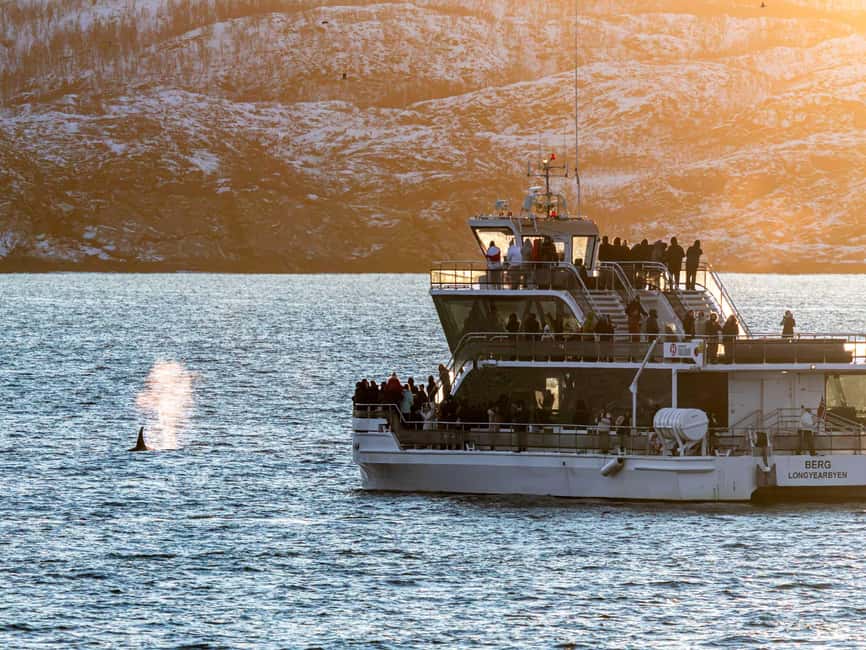
At $195 per person, you’re paying for the whole package: a guide-led whale search, heated indoor comfort, Wi‑Fi and tap water, and a hybrid-electric boat designed for this exact job. You’re also paying for time. The sailing can be long, and the whale-feeding window is not something you control.
Is it expensive? Compared to a simple sightseeing boat ride, yes. Compared to a high-touch wildlife experience in the Arctic, it’s in a more reasonable category—especially with the operator’s claim of more than a 95% success rate.
But there’s one value catch: lunch isn’t included. If you add purchased food and drinks, your total spend can climb. On the flip side, having the option to buy what you want (instead of being locked into one meal) can work well for people with dietary needs.
If you care most about whales and the boat’s quiet approach, this price starts to make sense fast. If you mostly want scenery and daylight, you might feel like it’s more cost than you need—though the fjord views and photo stops still add plenty.
Who this whale watching tour suits best
I think this tour fits best if you want a serious Arctic whale experience and you care about how the boat interacts with wildlife.
You’ll likely love it if you:
- Want Orca and large whale chances with an established search approach
- Prefer warmth inside but still want access to the deck for spotting
- Appreciate guide-led education, not just silent cruising
- Care about a quieter, lower-disturbance setup (hybrid-electric with electric mode once whales are found)
It might be less ideal if you:
- Hate long days and can’t handle 7 to 9 hours on the program
- Need a strict meal plan, since lunch is not included
- Are very sensitive to motion, unless you prepare for seasickness
For most people, it’s a strong match for a Tromsø trip because it blends wildlife, Arctic scenery, and on-board comfort instead of forcing you to choose between them.
Should you book the Brim Explorer Tromsø whale watching tour?
Yes, if you want a whale-focused day that takes the environment seriously and gives you comfort while you wait for sightings. The combination of hybrid-electric quiet sailing, heated panoramic lounges, experienced English-speaking guides, and a strong reported spotting success rate makes it an easy pick for an Arctic wildlife day.
Book it with realistic expectations. There’s no guarantee of specific whales, and the schedule depends on where the animals are. But if you dress for cold, plan for motion, and show up ready to scan the fjords, you’re in a good position to have a memorable Tromsø whale watching experience.
FAQ
How long is the Tromsø whale watching tour?
The duration is listed as 9 hours, but it can range from 7 to 9 hours depending on the whales’ location.
What whales can I expect to see?
The tour specifically mentions the possibility of Fin, Sperm, Humpback, and/or Orca whales.
Do I get a guarantee that I’ll see whales?
There’s no guarantee, but the operator aims for strong success and will always do their best to see the whales.
Is the boat silent during whale viewing?
The tour explains that once whales are spotted, the operation switches to an electric and silent engine to minimize disturbance.
What should I bring for the trip?
Bring warm clothing, including wool and equivalent. Even though the indoor saloons are heated, it’s cold outside, especially out at sea.
Is there food included?
Lunch is not included. Food and drinks can be purchased onboard.
Will I be able to stay warm on the boat?
Yes. The indoor saloons are heated and have panoramic windows, and the boat is designed for sightseeing in Arctic conditions.
Can the trip cause seasickness?
Yes. The trip can experience wavy conditions, and you may experience seasickness.
Where do I meet the tour?
Meet your cruise crew at the pier to the side of Skarven Kro Restaurant in Tromsø (Kaigata 6). Look for the white boat with Brim Explorer written on the side.
Is Wi‑Fi available?
Yes. Wi‑Fi is included, along with tap water.