REVIEW · MOOREA
Humpback whale watching and marine life in Moorea
Book on Viator →Operated by Pacifik Attitude · Bookable on Viator
Singing whales are the main event. Pacifik Attitude in Moorea blends respectful humpback encounters with lagoon snorkeling and lots of other marine life. I like how the crew explains what you’re seeing, especially when whales get curious, and then works hard to put you in the right position; the only real drawback is that whale sightings and swimming depend on weather and animal behavior.
This is a roughly 3-hour outing timed for the humpback season in French Polynesia (20 July to 20 November). I also appreciate that you’ll get a mobile ticket and clear, early-day meeting options, with guides like Chewy, Mata, Doris, and O’Neil mentioned by name in past experiences.
In This Review
- Key highlights you should care about
- Moorea’s humpback season runs July 20–Nov 20
- Where you meet changes by month (plan it once)
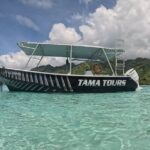
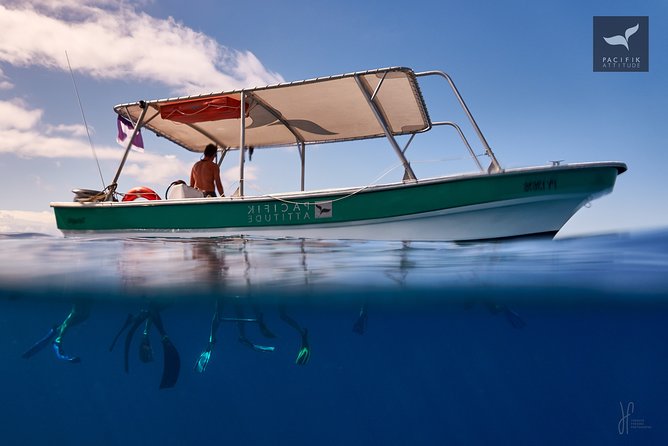
- The boat day: what the crew actually does once you’re on the water
- Finding the whales by sound: whale singing is a real moment
- Swimming with humpbacks: when it works, and why it’s not guaranteed
- Beyond humpbacks: the lagoon menu of marine life
- Price and value: is $327.95 worth it?
- Who should book Pacifik Attitude in Moorea?
- Should you book this humpback whale tour?
- FAQ
- When can I see humpback whales on this Moorea tour?
- How long does the experience last?
- Where do I meet for the tour?
- How old do children need to be?
- What fitness level do I need?
- How do I get my ticket, and when will I know it’s confirmed?
- What if the weather is bad?
- How does cancellation and refund work?
Key highlights you should care about
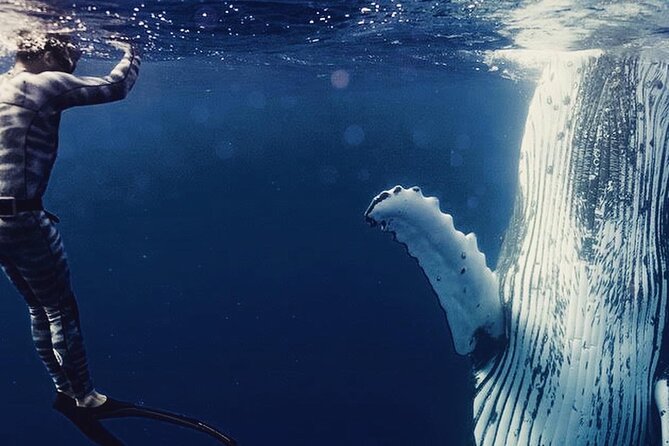
- Respect-first whale watching: guides focus on behavior, boundaries, and calm, controlled interactions with whales.
- Whales found by sound: one key tool is a marine microphone, which helps locate singing whales out at distance.
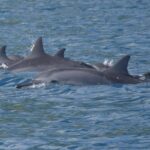
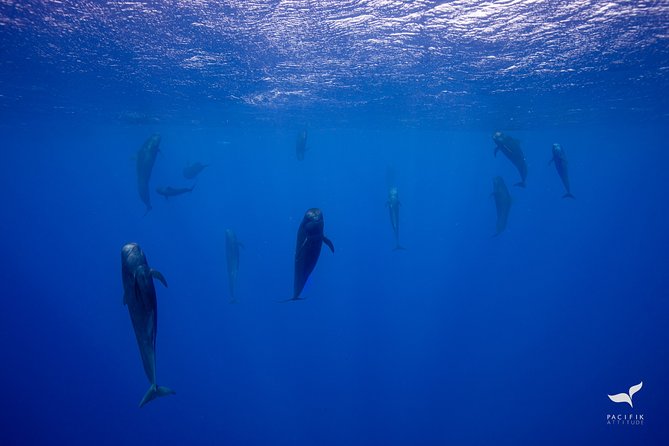
- A lot more than whales: spinner dolphins, melon-headed whales, turtles, stingrays, and shark sightings can all show up in the same outing.
- Swim time is possible, not guaranteed: you may get in the water with humpbacks when conditions and spacing work out.
- Early departure can mean calmer water: some departures run very early (around 5:00–5:30 a.m.), which can help when the lagoon is choppy later.
Moorea’s humpback season runs July 20–Nov 20
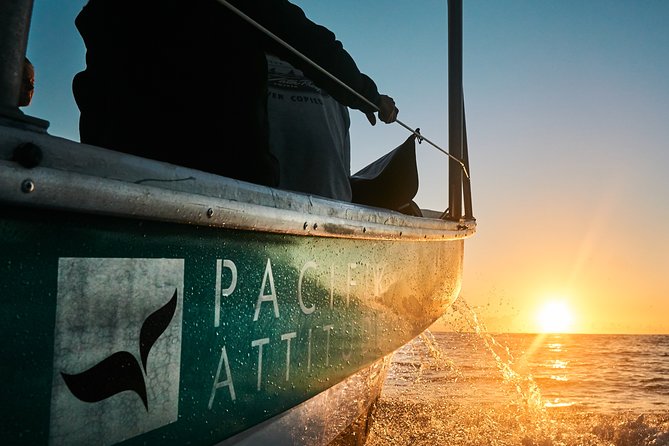
This is the kind of tour that makes sense only during the humpback window in French Polynesia: 20 July to 20 November. Outside those dates, you should not count on humpback encounters as a realistic promise, even if you’re still in a gorgeous ocean setting.
Within the season, what you’re really buying is “time on the water with pros” when humpbacks are most likely to be around, plus a crew that’s practiced at reading what whales are doing. That matters because humpback encounters are rarely a straight line from spot to swim. Sometimes whales surface calmly and let you watch; other times they’re deep, moving, or stay farther out. Either way, you’re learning the “language” of whale behavior as the day unfolds.
The best part: this tour is built around sharing and discovery, not just racing from one location to the next. Even when you don’t get the perfect close-up swim, the experience still centers on what the ocean offers—plus a solid chance to see other animals in Moorea’s lagoon waters.
You can also read our reviews of more tours and experiences in Moorea.
Where you meet changes by month (plan it once)
Meeting points shift depending on the time of year, so you’ll want to check your exact date before you head out:
- From December to July: meet at Hauru Public Park Parking.
- From August to November: meet at Pacifik Attitude.
The tour is offered daily, and operating hours span early mornings through the afternoon (opening hours show starts as early as 5:30 a.m. in one period, and 5:00 a.m. in another). If you’re at all sensitive to motion or want smoother water, I’d treat the earliest departures as your best bet.
Also note that you should receive confirmation within 48 hours of booking (subject to availability). If you book close to your travel dates, I’d still keep an eye on your inbox so you’re not guessing on the morning of.
And yes, it’s a mobile ticket, so you’ll want your phone charged and ready. In French Polynesia, where “simple” can still mean “no signal in the wrong place,” I like having the ticket accessible offline.
The boat day: what the crew actually does once you’re on the water
The biggest value here is the people running the trip. Multiple guides and captains show up in past experiences by name—Captain Chewy, Mata, Doris, O’Neil, Captain Ikeo, and Andrew—and the common thread is consistent: they’re communicative, and they keep interactions with wildlife respectful.
Here’s what that looks like in practice:
- You’ll get explanations that go beyond “there’s a whale.” The focus is on behaviors—feeding, resting, moving, and the little tells that help you understand what you’re seeing.
- The team tries to position you so you’re not just looking at ocean in the hope-and-pray mode.
- Safety is treated seriously. Guides include safety briefings before you swim, and they work with swimmers and non-swimmers depending on conditions.
- The crew uses tools to locate whales, including a marine microphone technique described in past experiences. That’s a smart way to increase your odds because whale activity can be happening underwater long before the whale surfaces in view.
It’s also worth calling out that this is not a “sit quietly for whales to appear” tour. The day has a rhythm: watch, adjust, listen, and then (when conditions allow) get in the water.
Finding the whales by sound: whale singing is a real moment
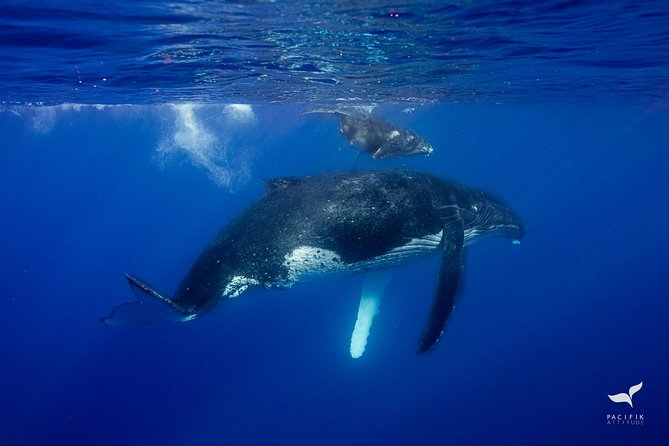
One of the most memorable moments people describe is hearing whale vocalizations—sometimes described as a singing male. The part I’d highlight for you is the “how,” not just the “what.”
With the marine microphone approach, the guides can detect whale presence even when visibility is limited or the whales are deep. Then, when the whale does surface, you’re not starting from zero—you already understand what you’re likely to see based on what the team has detected.
In a couple of experiences, people report feeling the sound in their bodies while hearing it, even when the whale wasn’t easy to spot at the surface. That’s exactly the kind of detail that tells me the crew is using the ocean like a source of information, not just a backdrop.
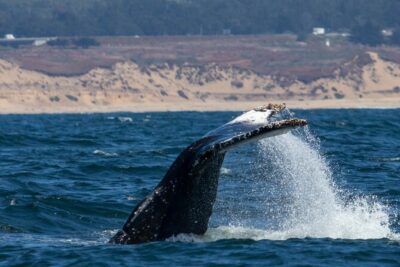
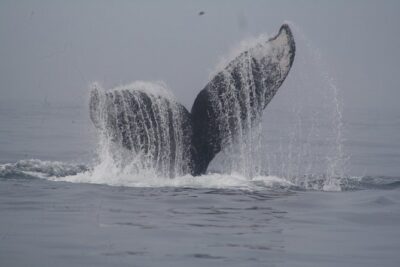
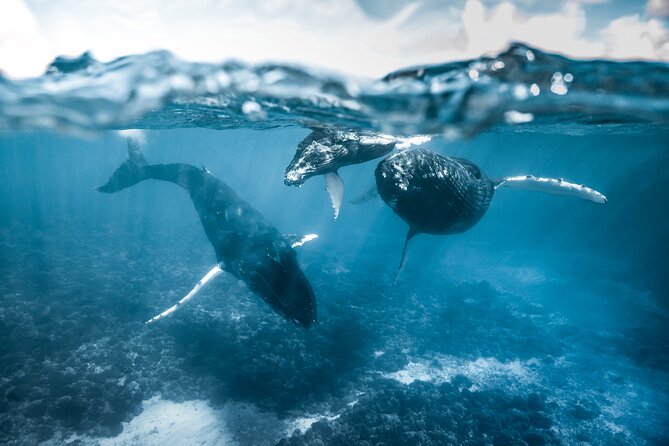
When whales are close enough for clear views, you may also see different kinds of whale behavior in sequence. Past trips describe:
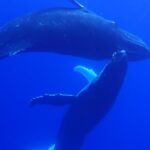
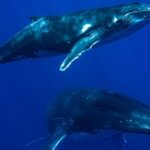
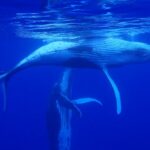
- a mom and baby resting or sleeping,
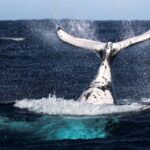
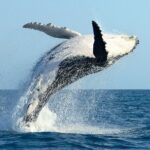
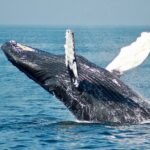
- brief surface activity like jumping,
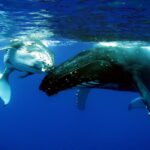
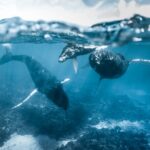
- and curious behavior where whales approach or move around people in the water.
Just remember: whales set the agenda. Your job is to watch closely, stay relaxed, and follow instructions fast.
Swimming with humpbacks: when it works, and why it’s not guaranteed
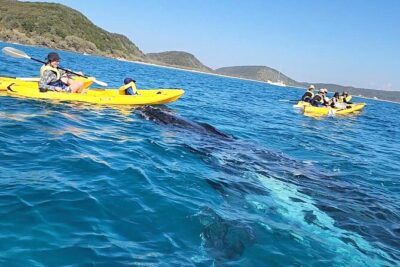
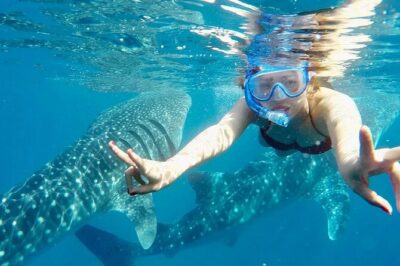
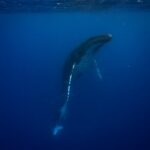
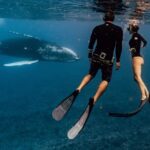
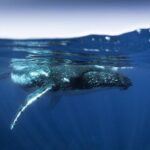
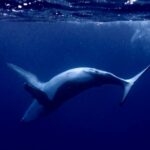
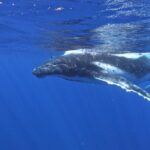
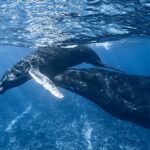
This tour can include time swimming with humpback whales, and some outings have been described as truly special—curious whales coming close, baby whales swimming alongside people, and multiple humpback encounters in one trip.
But I want to be straight with you: swimming is conditional. The day’s outcome depends on a few factors you can’t control:
- Weather and sea conditions (this tour requires good weather).
- Whale location and spacing (sometimes a whale is present but not close enough to swim safely).
- The guide’s judgment about what’s respectful and workable.
So if you’re booking with the expectation that you’ll definitely swim with whales, adjust that slightly. Think of it like this: you’re buying a great chance to swim, plus strong whale watching and snorkeling even if the swim moment doesn’t line up.
One helpful detail from past experiences: non-swimmers weren’t left out to dry. Guides and captains were described as being helpful for people who don’t swim well, which suggests the crew plans for a mixed group reality.
If you’re someone who gets seasick easily, I’d also pack accordingly. Some crews handled rougher water well, but the sea is still the sea. Starting early can help, and dressing for wind and spray can keep you comfortable.
Beyond humpbacks: the lagoon menu of marine life
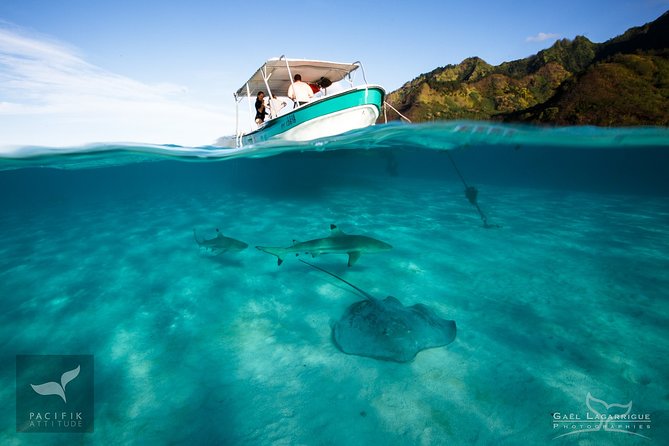
Whales are the headline, but Moorea’s ocean doesn’t usually stop at one species. Past experiences tied to this tour mention sightings that can include:
- spinner dolphins,
- melon-headed whales (yes, a different kind of whale),
- turtles,
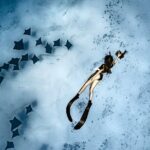
- stingrays,
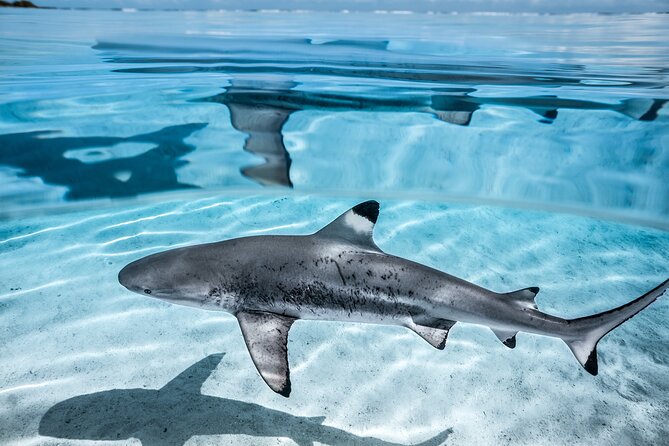
- sharks (including reef-shark sightings in some accounts),
- and lots of reef fish.
What I like about having all these possibilities in one outing is that you don’t walk away with the “whale or nothing” feeling. Even on days where humpbacks don’t cooperate for a swim, you can still come back having spent real time with Moorea’s marine ecosystem.
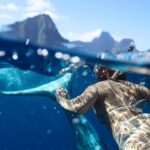
You’ll also get time snorkeling, and while exact underwater routes aren’t guaranteed, the emphasis is usually on reef life and “what’s there right now.” That’s part of why this tour fits well with Moorea trips that also include beach time. You’re pairing a big, rare animal experience with the everyday ocean that keeps the lagoon alive.
And yes, a meal is typically part of the day. Past experiences mention a lunch on board, including quiche options (vegetarian or meat), which is the kind of practical detail I always appreciate on half-day boat tours.
Price and value: is $327.95 worth it?
At $327.95 per person, this isn’t a budget activity. But it’s also not an empty-cost “whale luck” gamble, because the price usually buys you three things:
- A crew that’s trained for whale behavior and respectful viewing
You’re not just paying for a boat. You’re paying for interpretation and decision-making—where to go, when to slow down, and how to handle people in the water.
- More than one chance at marine encounters
The day isn’t only about one whale surface moment. The tour is designed to look for whales, but it also offers broader lagoon life. That increases your odds of leaving satisfied.
- Time in the water plus snorkeling
The half-day format gives you a meaningful chunk of ocean without swallowing your whole day.
If your main goal is seeing humpbacks and you’re traveling during the season (20 July–20 November), I’d call the price fair for what you’re likely to get: expert guidance, respectful practices, and a serious shot at real whale contact.
Where the price matters most: if you’re visiting with limited time, or you want the “do it right” approach rather than chasing sightings on your own. If you have a lot of days in Moorea and you’re flexible, you could shop around. But if you want one focused outing with a crew known for good explanations and animal respect, Pacifik Attitude fits.
One more thing: pricing decisions often come down to your tolerance for conditions. Since this trip depends on good weather, you should be comfortable with the possibility that plans shift. The cancellation option is designed to keep risk reasonable.
Who should book Pacifik Attitude in Moorea?
I think this tour is a strong fit for you if you:
- Want humpback whale watching in Moorea during the official season.
- Prefer guides who explain what you’re seeing, not just point and wave.
- Plan to spend time in the water (snorkel or swim when conditions allow) and can follow instructions quickly.
- Appreciate respectful wildlife practices, where the crew cares about behavior and spacing.
It can also work well as a couple trip. Many whale days feel calmer when the group is handled tightly. One past experience even described a smaller boat group (8 people), which is the kind of setup that usually improves personal attention and makes it easier to hear guide instructions.
Family-wise: children are allowed from age 5, and mixed comfort levels seem supported, including at least one account of a non-swimmer joining along.
It’s not the best choice if you have no flexibility about weather. This is an ocean activity, and the sea can change fast.
Should you book this humpback whale tour?
Yes, you should book this tour if you’re traveling in Moorea during 20 July–20 November and you want the best odds for a meaningful humpback encounter with strong instruction and a respectful crew.
I’d make the call particularly if your priorities match these:
- You care about how the whales are treated, not just the photo.
- You’d enjoy hearing whale sounds and learning behavior.
- You want a single half-day that can include dolphins, turtles, stingrays, and possible shark sightings.
Skip it only if you’re the kind of person who can’t handle uncertainty. Whale swims aren’t guaranteed, and weather matters. But if you’re okay with that trade-off, Pacifik Attitude is exactly the kind of operator that turns a boat day into a story you’ll remember for years.
FAQ
When can I see humpback whales on this Moorea tour?
Humpback whale watching is allowed in French Polynesia from 20 July to 20 November.
How long does the experience last?
The tour lasts about 3 hours.
Where do I meet for the tour?
Meeting points depend on the month. From December to July, meet at Hauru Public Park Parking. From August to November, meet at Pacifik Attitude.
How old do children need to be?
Children are allowed on board from age 5.
What fitness level do I need?
The tour requests moderate physical fitness.
How do I get my ticket, and when will I know it’s confirmed?
You’ll receive a mobile ticket. Confirmation is sent within 48 hours of booking, subject to availability.
What if the weather is bad?
This experience requires good weather. If it’s canceled due to poor weather, you’ll be offered a different date or a full refund.
How does cancellation and refund work?
You can cancel for a full refund if you do it at least 24 hours before the experience’s start time. Canceling less than 24 hours before the start time does not provide a refund.