REVIEW · TROMSO
Silent Whale Watching on Hybrid-Electric Boat with Scenic Bustrip
Book on Viator →Operated by Brim Explorer · Bookable on Viator
Silent rides through Tromsø fjords make whales feel close. On a hybrid-electric boat, you glide quietly past the Lyngen Alps and into Skjervøy-area waters where whales feed. I like that the crew keeps things organized and calm, and I really appreciate how the day balances focused whale-spotting with scenic cruising time.
The big thing to keep in mind: whale sightings are never guaranteed. If the sea is quiet but the whales aren’t in the mood (or it’s a slow season), you may get more fjord-and-education than nonstop action, and the Skjervøy break can feel a bit less wildlife-centered than you’d hope.
In This Review
- Key highlights to know before you go
- Hybrid-Electric Quiet: The real reason this tour feels different
- Price and what you’re really paying for (at $192.69)
- Getting there: Samuel Arnesens gate 5 and how the day flows
- Past the Lyngen Alps: the cruise segment before the whale hour
- Kvænangen whale searching: orcas, humpbacks, and the real odds
- Skjervøy switch and the bus return through fjord views
- Crew energy, onboard touches, and how the experience stays calm
- Wildlife expectations: what to do when the sea is quiet
- Who should book this whale cruise (and who might want a different day)
- Booking timing and weather reality in Tromsø
- Should you book Silent Whale Watching with scenic bus return?
- FAQ
- What’s the meeting point for this tour?
- How long is the silent whale watching tour?
- Is the tour offered in English?
- How does ticketing work?
- What wildlife might I see?
- Is the tour weather-dependent?
- How many people are on the tour?
Key highlights to know before you go
- Hybrid-electric catamaran cruising keeps the experience quieter for wildlife watching
- Kvænangen whale hour is timed for the feeding grounds, with strong chances for orcas and humpbacks
- Lyngen Alps views en route make even a whale-light day visually satisfying
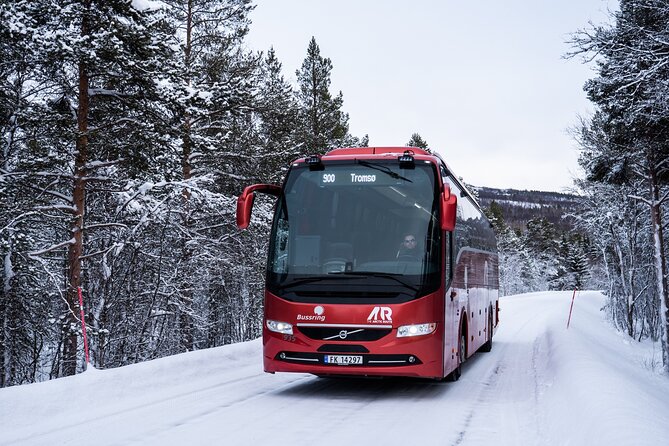
- Skjervøy boat-bus swap turns the trip into a longer, varied fjord circuit
- Crew-led info and extra onboard touches can make the “waiting” part more fun than frustrating
Hybrid-Electric Quiet: The real reason this tour feels different
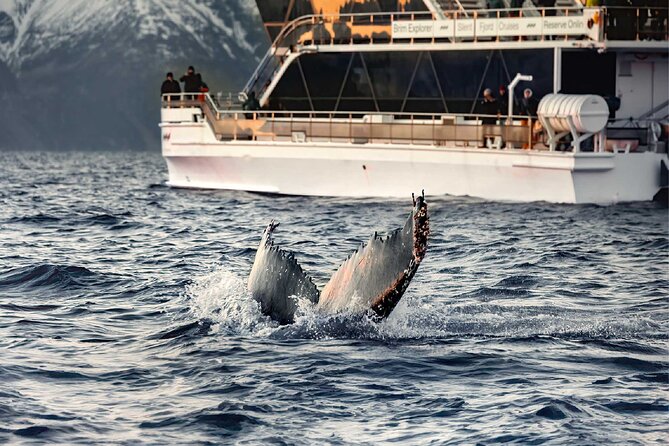
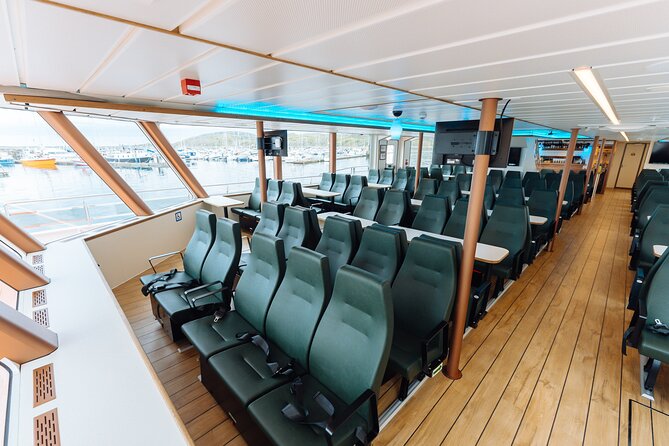
This is not just another boat ride with binoculars tossed in your lap. The heart of the experience is that hybrid-electric setup—meaning the boat runs in a way designed to keep noise down. That matters because whales rely on their senses, and your goal is to watch them, not scare them off. Even when wildlife is distant, you’ll feel the difference in the atmosphere. It’s calmer. Less “engine soundtrack.” More fjord and sky.
On top of the tech, the whole format helps you settle in. You’re out for about 9 hours, and the day is built around a run of fjord scenery plus a dedicated whale-search window in Kvænangen. That structure keeps you from spending the entire day bouncing between locations that don’t really let you scan properly.
There’s also a human layer to it. The cruise has a crew that stays on top of what’s happening—where you are, what you might be looking for, and how to read whale behavior. Guides like Sam have been specifically praised for being informative and flexible with the group. Another crew member, Freda, has shared short chats that add context without turning the day into a lecture. In other words: you’ll get information, but you won’t feel stuck in a classroom.
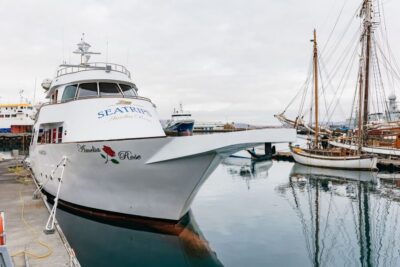
One more perk: the boat experience feels modern and comfortable. Reviews mention a state-of-the-art catamaran feel, good sightlines, and even an underwater drone used during the outing. That’s a neat way to add “wow” when the whales are hard to spot at the surface.
You can also read our reviews of more tours and experiences in Tromso.
Price and what you’re really paying for (at $192.69)
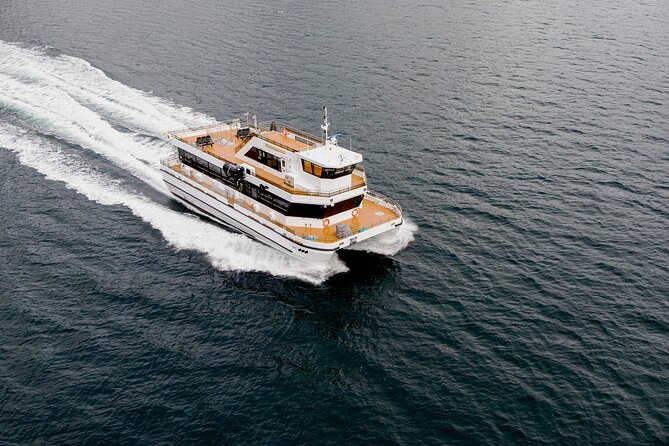
At $192.69 per person, this isn’t a budget snack. But it also isn’t overpriced when you look at what you’re buying: a long, guided, fjord-plus-wildlife day with a quieter hybrid-electric boat and a full itinerary that uses both water and land to extend the experience.
Two things justify the cost for many people. First, you’re paying for the search effort. Whale watching is not only about having a boat—it’s about finding the right water area and spending enough time scanning. This tour does that with a full 1-hour whale-search block in Kvænangen, not a quick drive-by.
Second, you’re paying for the boat-and-scenery combo. Even when whales don’t show well, you still get a scenic cruise past the Lyngen Alps toward the Skjervøy area, then a bus return with additional views and possible wildlife sightings along the way. That “double scenery” format often makes the price feel more reasonable than tours that stay on the water the entire time.
Food can also soften the cost. There are food items and beverages available for purchase, and reviews call out things like a cinnamon pastry plus coffee refills. Water has been described as free. If you like not thinking about snacks until you’re already underway, that helps.
Getting there: Samuel Arnesens gate 5 and how the day flows
The meeting point is Samuel Arnesens gate 5, 9008 Tromsø, and the tour ends back there. That’s convenient because you don’t have to figure out a second drop-off. It’s also described as near public transportation, which matters in Tromsø where winter logistics can make long walks annoying.
You’ll get a confirmation after booking, and you’ll use a mobile ticket. That’s one less thing to manage in cold weather. The tour runs in English, and it’s set for most travelers to participate. Service animals are allowed, too.
Group size is capped at 110 travelers. That number can sound big, but on a catamaran it usually means you’ll still have a decent “everyone can find a view” feeling. Reviews mention small-group comfort and attentive service, which lines up with the idea that the crew focuses on keeping you positioned and informed rather than rushing you.
Timing-wise, plan on a full morning into early evening. At 9 hours (approx.), it’s a commitment. I’d treat it as the anchor event of your Tromsø day, then schedule lighter plans before or after if you can.
Quick practical tip: dress like you’re going to be outside and exposed for a while. Even if it’s not freezing-biting cold, fjord wind can sneak in, and whale watching rewards patience.
Past the Lyngen Alps: the cruise segment before the whale hour
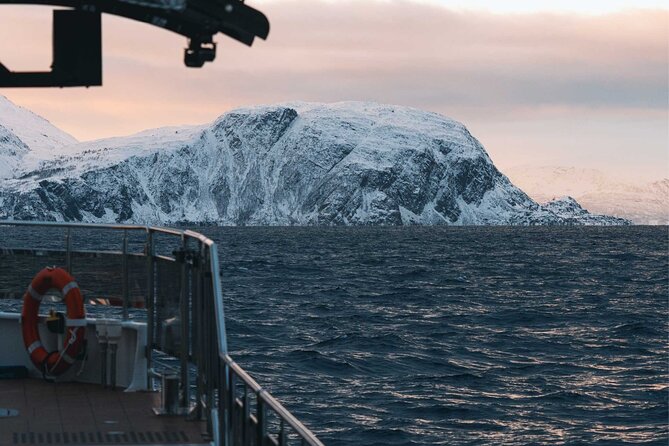
The itinerary starts with sailing from Tromsø past the Lyngen Alps toward Skjervøy, described as the feeding grounds where whales can be active. This initial stretch is important because it sets expectations. You’re not jumping straight into a single stop. You’re building the day: scenery first, then a targeted search.
From a traveler’s point of view, that’s smart. If whales show up early, you get momentum. If they don’t, you’re already seeing something beautiful and you have time to get used to scanning the water. Whale watching is partly technique—watching horizon lines, tracking movement, and learning how spouts and body breaks appear.
You’ll also get a sense of the region’s scale. Tromsø isn’t just a city; it’s a gateway into fjord terrain, and the drive later reinforces that. The day’s arc—water outward, then land return—turns into a full “how the coast works” tour.
And yes, you may spot marine life besides whales. One review mentions porpoise and a seal, which is a reminder that the fjord doesn’t only run on whales.
Kvænangen whale searching: orcas, humpbacks, and the real odds
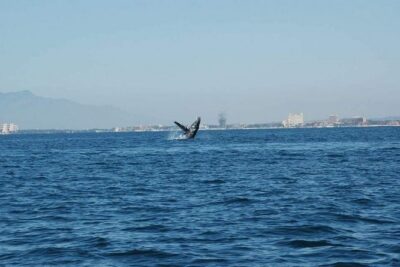
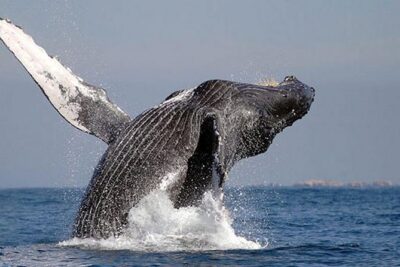
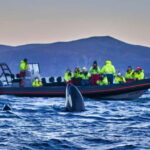
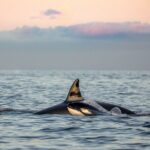
Kvænangen (the Kvænangen Municipality) is the centerpiece. You spend about 1 hour searching and observing whales there. The tour specifically calls out chances to see orcas and humpbacks. It also notes that sometimes you can get fin whales and even sperm whales.
Here’s how to think about this realistically. This is prime “hope and watch” time, not a guarantee. The whales have their own schedule. Your best strategy is to focus on persistence during the full hour, not on the first few minutes. Many successful sightings come from spotting a pattern—then staying with it.
Orcas and humpbacks tend to be the headline species because they’re big enough and active enough to show behavior. But fin and sperm whales can be trickier depending on how they surface and how busy the water is.
What I like about the way this portion is built: it’s time-boxed. You get one sustained search block in the likely-feeding zone, so your odds aren’t diluted by constant switching. It’s not just “look whenever we pass something.” You’re in the right place long enough to actually see what’s out there.
And if you do get whale sightings, the hybrid-electric quiet can make the moment feel more intimate. You’re not blasting around with noise that disrupts attention. The air gets still. You lean forward. You watch longer.



Skjervøy switch and the bus return through fjord views

After the Kvænangen search, you reach Skjervøy, where you switch from boat to bus (or the other way around). This stop is short—about 30 minutes. The value here is that it keeps you in a broader loop instead of doing one long out-and-back.
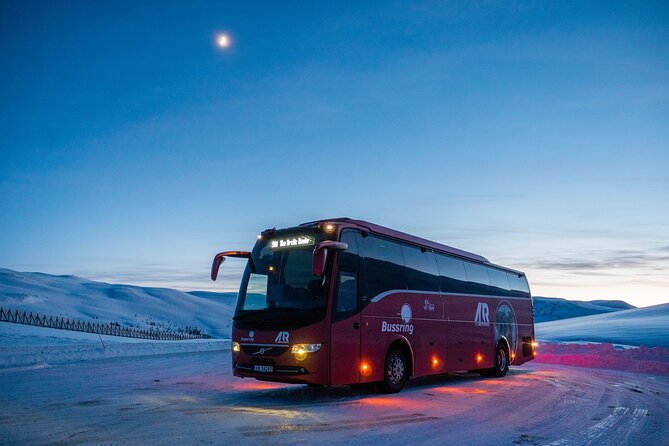
Then you return by bus from Skjervøy to Tromsø. The payoff is the fjord perspective shift. From the water you see angles and horizons differently. By bus, you can watch shorelines and bends in the fjord where wildlife might appear—or at least where you’ll see more of the “how the coast is carved” story.
A word of caution: not every part of the day will feel equally whale-focused. One review notes a stop that felt like it was trying to fill time with a fishing-related activity. That doesn’t mean it’s bad. It just means that if you booked purely for maximum whale scanning, your tolerance for non-wildlife segments should be realistic.
Still, the bus return can be a nice decompression. You step out of the “spot-and-react” mode and enjoy the views. If the weather cooperates, it’s a comfortable way to close the day.
Crew energy, onboard touches, and how the experience stays calm
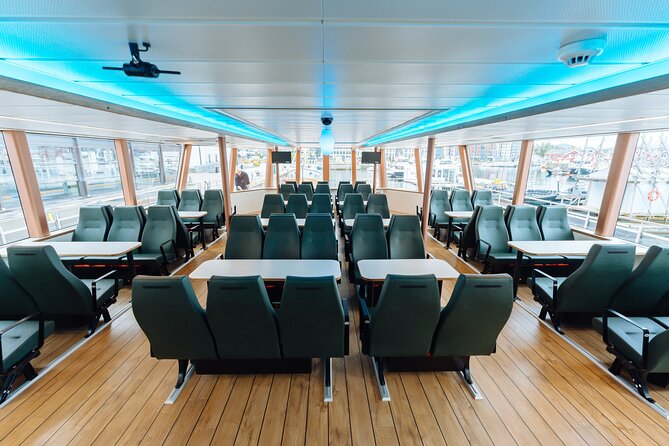
This is where the day can win you over even when whales don’t show like you hoped.
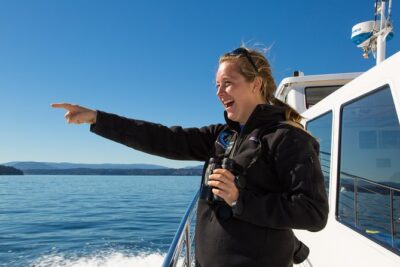
The crew has been repeatedly praised for being attentive and helpful. People like the calm, tranquil feel of the cruise—especially the modern catamaran comfort. One review frames it as quiet and relaxing, and another points out the crew’s service and information about animals, local history, and traditions.
The guide names matter because it signals consistency. Sam has been singled out as wonderfully informative. Freda has also been mentioned for brief chats that made the outing more interesting. That matters to you because short, well-timed explanations can help you spot what the guide wants you to notice—spout patterns, movement cues, and where to look.
Onboard touches can also reduce the “are we there yet?” feeling. Reviews mention an underwater drone used during the trip, which gives you a different angle on what’s happening below the surface. If you’re the type who gets impatient when visibility isn’t perfect, that kind of add-on can keep the experience feeling alive.
Food and drinks are also a part of the onboard comfort. Reviews cite things like cinnamon pastry and beverages for sale. Coffee refills are free, and water is described as free. That’s a small thing, but it helps you stay warm and not waste time hunting for snacks later.
Wildlife expectations: what to do when the sea is quiet
You’re booking for whales. I get it. But Norway’s wildlife days work on a different rule set than theme parks: animals roam. Even in a good season, you might see less than you dreamed about.
The best way to protect your day is to decide what success looks like before you go. For me, success is a mix: whale scanning in a real feeding area, good guidance, and fjord scenery that still feels worth the outing even if sightings are limited.
Some reviews do report days with no whales seen, which is the nature of it. Still, even those days can feel worthwhile if you enjoy patient watching and scenic cruising.
So here’s your practical checklist mindset:
- Be ready for a quiet, calm experience even when whales are distant
- Stay focused for the full Kvænangen hour, not just the early minutes
- Keep an eye out for smaller surprises like seals or porpoises
- Bring warm layers so you can stand your ground on the deck without rushing inside
Who should book this whale cruise (and who might want a different day)
This tour is a great fit if you:
- Want quiet, hybrid-electric whale watching rather than a loud scramble
- Prefer a calm, organized day with guidance and time to watch
- Like a “water out, land back” itinerary that gives you more than one perspective
- Are happy to trade guaranteed sightings for the odds of whales in the right feeding waters
It may be less ideal if you:
- Need constant action minute to minute
- Get frustrated by short non-wildlife segments around Skjervøy
- Are only satisfied by orca/humpback sightings and nothing else
A small plus: English-language narration plus a crew that keeps you informed makes it work well for first-timers. And if you’re traveling with family, the general “most travelers can participate” note suggests it’s not overly demanding physically.
Booking timing and weather reality in Tromsø
Tours like this often fill in advance. This one averages about 86 days booked ahead, so if you’re traveling in a popular window, booking earlier can help you lock in your spot.
Weather is also a real factor. The experience requires good weather. If the tour is canceled due to poor weather, you’re offered a different date or a full refund. That’s the practical truth of Tromsø: fjords are beautiful, but the sea can be unpredictable.
If you like flexibility, know that cancellation is described as free up to 24 hours before the start time, with a full refund if you cancel in that window.
Should you book Silent Whale Watching with scenic bus return?
Yes, if you want a calm, guided whale-watching day that’s designed for quiet scanning and long fjord time. The value sits in the combination: hybrid-electric cruising, a dedicated hour in Kvænangen with real chance for orcas and humpbacks, and a bus return that keeps the day visually rewarding.
But don’t book this expecting a guaranteed whale encounter. Treat it like a well-run outing with strong odds—not a one-time slot machine. If that mindset fits you, this tour style is exactly the kind of Tromsø experience that stays memorable.
FAQ
What’s the meeting point for this tour?
The tour starts at Samuel Arnesens gate 5, 9008 Tromsø, Norway, and it ends back at the same meeting point.
How long is the silent whale watching tour?
It runs for about 9 hours (approx.).
Is the tour offered in English?
Yes, it’s offered in English.
How does ticketing work?
You’ll receive a mobile ticket.
What wildlife might I see?
The Kvænangen whale-search area gives chances for orcas and humpbacks, and sometimes fin whales and sperm whales.
Is the tour weather-dependent?
Yes. The experience requires good weather. If it’s canceled due to poor weather, you’ll be offered a different date or a full refund.
How many people are on the tour?
The maximum group size is 110 travelers.