REVIEW · MAUI
The Best 10 am 1.5 Hour Whale Watching Tour
Book on Viator →Operated by Blue Water Rafting · Bookable on Viator
Whale songs, right on schedule. This 10:00 a.m. Maui whale watch is built for speed and comfort: you leave from Kihei Boat Ramp, get out to the action fast, and spend the time you have focusing on whales instead of long idle hours. I like that it’s run with a safety-and-regulations mindset, including extra care around close encounters.
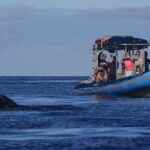
Two things I really like: first, the hydrophone so you can hear humpback whale songs while you watch. Second, the group stays small, capped at a maximum of 22 people (and also listed as up to 24), which makes it easier to see and feel like you’re part of the search instead of stuck behind strangers.
One consideration: if conditions are calm and whales come closer than expected, the crew may slightly adjust the timing of the tour to stay within federal guidelines. It’s usually a good sign, but it can make your exact return time feel less rigid than other tours.
In This Review
- Key Things You’ll Notice on This 10:00 a.m. Whale Watch
- Start at the Kihei Boat Ramp: Parking and Getting on the Water
- Why the 10:00 a.m. Timing Works for Humpbacks
- The Boat, the Small-Group Size, and the Hydrophone Sound System
- How the Crew Finds Whales Fast and Why Tours Sometimes Stretch
- What You’ll See: Pods, Listening Time, and Close-Range Etiquette
- Value for $97.30: What You’re Actually Paying For
- Weather, Minimums, and When to Book
- Who Should Book This Whale Watch (and Who Might Pass)
- Final Call: Should You Book This 1.5-Hour Whale Watch in Maui?
- FAQ
- Where do I meet for the tour?
- What time does the 1.5-hour whale watching tour start?
- What’s included onboard?
- How large is the group?
- Are children allowed?
- What if the tour is canceled due to weather?
Key Things You’ll Notice on This 10:00 a.m. Whale Watch
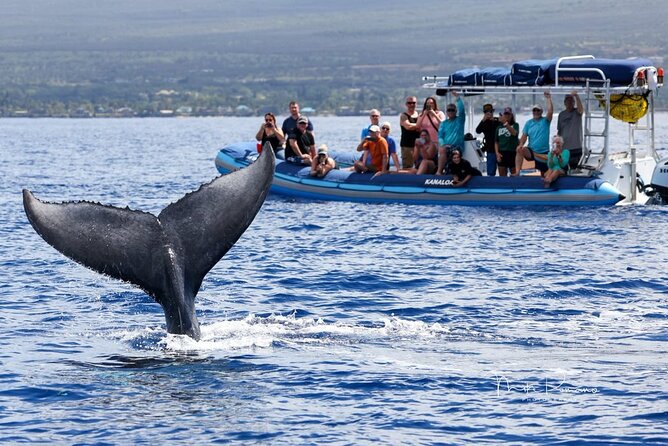
- Hydrophone audio: you get whale-song sound through a water-tuned system while you’re watching.
- Small-group feel: maximum 22 is noted, and the activity is also listed up to 24, so expect a more personal outing.
- Fast Kihei departure: ample free parking at the Kihei Boat Ramp, with most Kihei and Wailea resorts within a short drive.
- Morning timing for humpbacks: south-shore mornings often bring humpbacks, and this is when nursing calves are frequently seen.
- Comfort touches: bottled water onboard, plus a boat set up for getting to wildlife quickly.
Start at the Kihei Boat Ramp: Parking and Getting on the Water
The meeting point is 2800 S Kihei Rd, Kihei, and the tour ends back there. The big practical win is how close this is to where you’re probably staying. You’re told there’s ample free parking at the Kihei Boat Ramp and it’s less than ten minutes from many Kihei and Wailea resorts.
That matters more than it sounds. If you’ve ever done a boat tour that eats half your morning in traffic and stress, you’ll appreciate a straightforward arrival. You show up, park, and get onto the dock area without turning your day into a logistics puzzle.
Also, you’ll use a mobile ticket, and confirmation happens within 48 hours of booking when availability allows. I like this because it reduces the chance of last-minute paper scrambling.
You can also read our reviews of more tours and experiences in Maui.

Why the 10:00 a.m. Timing Works for Humpbacks
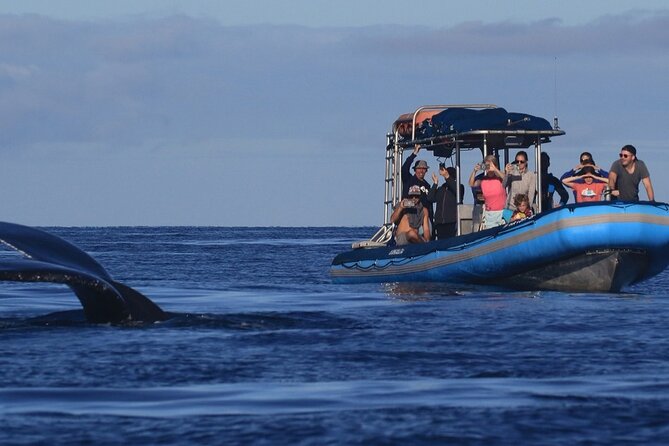
This is a morning departure, and the schedule is built around Maui’s south shore conditions. The tour description points out that mornings often bring calmer water, which makes for a smoother ride and better viewing.
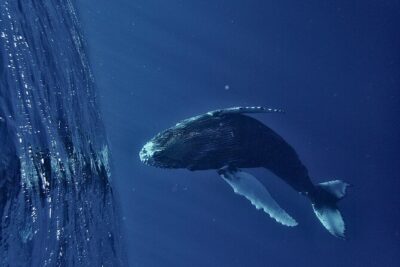
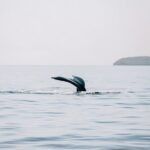
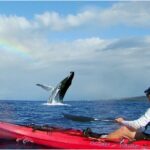
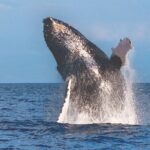
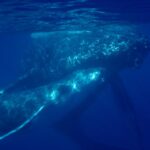
You also get a better chance at the kind of behavior that people come for. Humpback whales are prevalent around Maui’s south shore, and during morning departures, the chances of seeing mothers with calves (including nursing) are often higher. If you’re hoping for more than a quick glance, that timing is part of the value.
One more detail that helps: the tour is designed to find pods quickly. That means you’re not just cruising the ocean hoping. The plan is to spot whales promptly so you have enough time to watch—and listen—once they’re in range.
The Boat, the Small-Group Size, and the Hydrophone Sound System
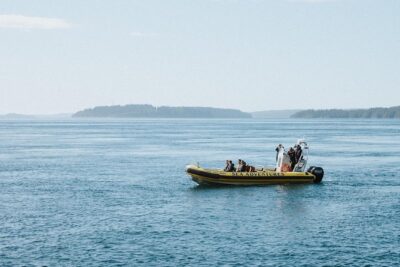
The whale-watching experience here is clearly centered on the hydrophone. The crew puts a hydrophone into the water so you can hear whale songs through a dedicated sound system. That’s one of those features that changes the whole experience, because it stops whale watching from being only visual.
I like having the audio layer for two reasons:
- It helps you stay engaged even when the whales are moving or you’re adjusting your viewing angle.
- It makes the moment feel more real. Whale sounds aren’t just background noise. They’re part of what you’re witnessing.
Group size is kept tight. You’ll see a maximum of 22 people noted, and the broader limit is listed as up to 24. Either way, you’re not dealing with huge crowds, and that usually makes finding good sightlines easier when pods surface.
You’ll also get bottled water onboard. It’s a small thing, but when you’re out for about 1.5 hours, staying comfortable matters.
How the Crew Finds Whales Fast and Why Tours Sometimes Stretch
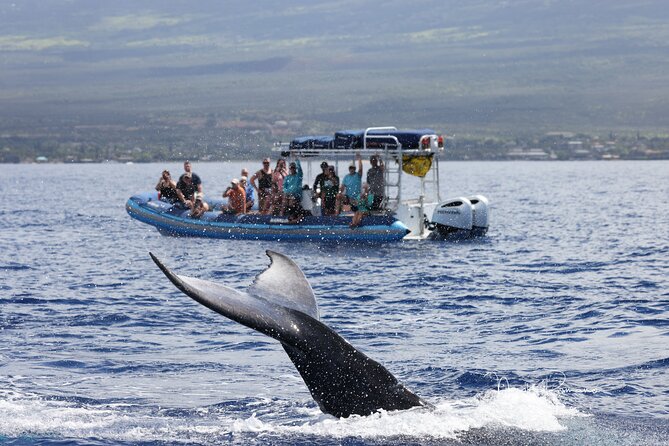
The outing is marketed as guaranteed and scheduled for about 1 hour 30 minutes. The key to that “guaranteed” promise is the operating style: fast departure from Kihei and then active searching. A recent highlight you can count on from the field is that the crew is good at finding whales quickly, and dolphins may also show up.
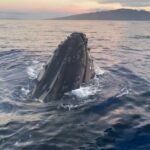
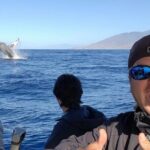
Here’s the nuance: the description explains that close encounters—sometimes 100 yards or less—can happen, and the crew may adjust how the tour is stretched slightly to ensure safety and comply with federal regulations. In other words, you’re not being moved around just to fill time. The extra buffer is there for responsible operation.
If you’re the kind of traveler who hates schedule drift, take that seriously. On the other hand, if you want the most whale time possible while still respecting distance rules, this approach is a plus. You’re effectively buying flexibility built into the hunt.
What You’ll See: Pods, Listening Time, and Close-Range Etiquette
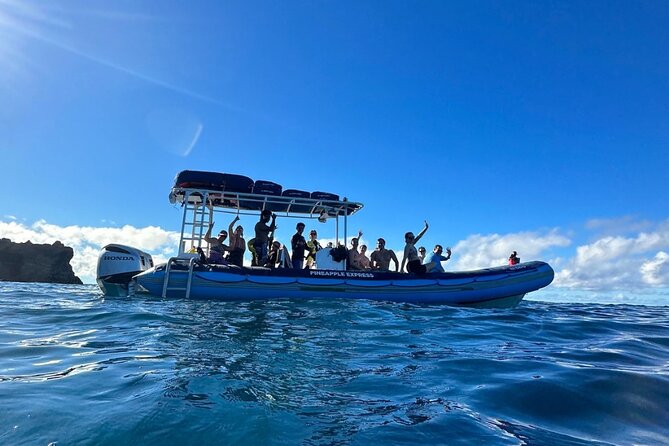
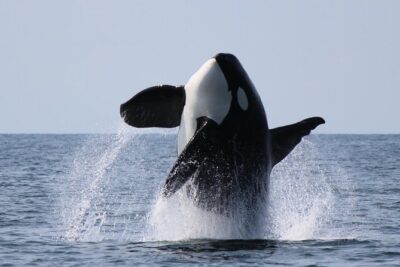
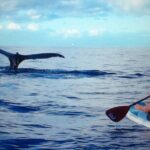
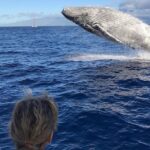
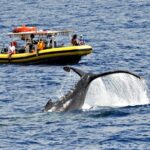
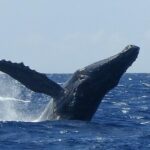
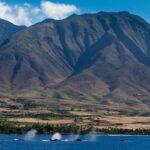
You’ll be watching for humpback whales during a time of day when they’re often around the south shore, with a special emphasis on morning sightings. The plan calls for pods being spotted quickly, then you get time for viewing and listening.
The tour doesn’t just show whales; it also teaches you what you’re looking at. The crew provides facts during the ride and answers whale questions. That turns the trip into more than a sightseeing loop. You leave knowing what you saw and what the behavior likely means.
On the water, you should expect:
- Pod sightings: when whales group up, the viewing is often more interesting than a single distant spout.
- Listening alongside viewing: the hydrophone experience is designed to let you hear whale songs while you track movement.
- Gentle pacing around distance rules: when whales come closer than expected, the tour may adjust rather than rush or crowd the space.
And yes, sometimes you might get that close encounter you dream about. But even when you do, this tour is structured to keep the operation safe and regulation-friendly. That’s exactly how you want a whale watching company to behave.

Value for $97.30: What You’re Actually Paying For
At $97.30 per person for about 1 hour 30 minutes, this isn’t the cheapest thing on Maui. But the pricing makes sense if you care about three specific ingredients that add real value:
1) Time that’s spent where it counts
Fast Kihei departure and quick pod spotting means you’re less likely to waste your paid window on “looking.” The goal is to get out to wildlife quickly and then stay with what you find.
2) Hydrophone audio
Most whale watches are visual. This adds whale-song sound through a hydrophone system, and that can turn a nice sighting into a memorable one. The experience is built around that sound, and it’s a major reason many people enjoy the trip.
3) Small-group control
A maximum of about 22 (or up to 24) keeps the outing from feeling like a cattle call. For whale watching, that matters because good viewing depends on angles, spacing, and not having people packed in front of you.
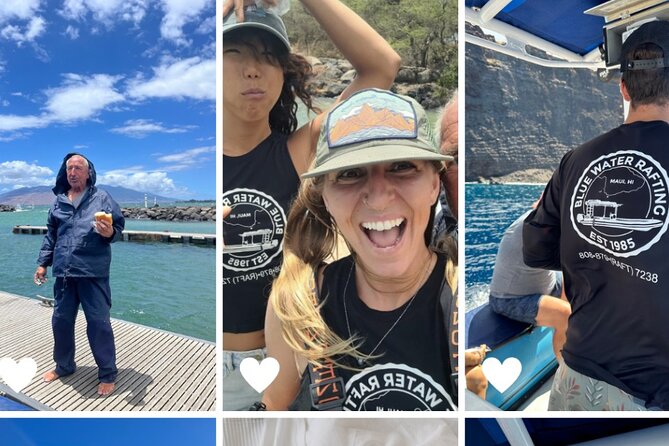
There’s also an operational confidence signal: the provider has been doing this since 1985. That doesn’t guarantee every trip is perfect, but it often correlates with smoother execution and better real-world judgment at sea.
If you want a high-chance, high-comfort, high-sense-of-place outing, this is priced like a serious whale watch rather than a bargain cruise.
Weather, Minimums, and When to Book
This experience requires good weather. If poor weather cancels it, you’ll be offered a different date or a full refund. That’s the practical reality of ocean tours.
There’s also a minimum number of travelers required. If the minimum isn’t met, you’ll be offered another date or experience or get a full refund. So if you’re traveling on a super busy week, you’ll generally be fine. If you’re traveling during a slower period, don’t wait too long.
On booking timing: the tour is often booked about 15 days in advance on average. If you want the 10:00 a.m. slot specifically, earlier planning is a smart move.
Who Should Book This Whale Watch (and Who Might Pass)
This tour is labeled as suitable for most travelers. It’s also explicitly not for everyone, and it’s good you have clear boundaries upfront:
- Children: no children 4 and under unless they’re called in and approved.
- Pregnancy: the operator says they’re unable to take anyone pregnant.
If you’re traveling with kids older than that and everyone is comfortable with a boat ride, this can be a great family-friendly nature outing—short enough to fit into a Maui schedule, but focused enough to feel like a real event.
If you’re traveling solo, this is also a good match. Small groups make it easier to connect with the crew’s explanations, and the hydrophone gives you something to focus on even if the whales are moving around.
Final Call: Should You Book This 1.5-Hour Whale Watch in Maui?
I’d book this if you want a straightforward morning whale watch that doesn’t waste your time. It’s especially worth it if you care about hearing whale songs through a hydrophone and you prefer a smaller group on the water.
I’d think twice if you’re extremely schedule-rigid or dislike the idea that the crew may slightly stretch timing to stay compliant around close encounters. That’s not a flaw—it’s part of doing whale watching the right way.
If you’re staying in Kihei or Wailea, the easy access from the Kihei Boat Ramp is another practical reason to choose this one.
FAQ
Where do I meet for the tour?
You meet at 2800 S Kihei Rd, Kihei, HI 96753, USA. The activity ends back at the same meeting point.
What time does the 1.5-hour whale watching tour start?
The start time is 10:00 am.
What’s included onboard?
The tour provides bottled water onboard, and you’ll use a hydrophone to hear whale songs during the whale watching.
How large is the group?
Group size is capped at 22 people maximum in the tour highlights, and the activity is also listed as having a maximum of 24 travelers.
Are children allowed?
No children 4 and under are allowed unless called in and approved.
What if the tour is canceled due to weather?
If it’s canceled due to poor weather, you’ll be offered a different date or a full refund.