REVIEW · VANCOUVER
Wild Whale Watching Experience – Open Air Vessel
Book on Viator →Operated by Wild Whales Vancouver · Bookable on Viator
Cold ocean air, big whales, close calls.
This is one of Vancouver’s best ways to chase whales with Eagle Eyes, because you get an unrestricted 360° view from an open-air boat while a marine naturalist helps you read what you’re seeing. I also like that the tour data feeds research and conservation initiatives, so your trip isn’t just entertainment. A second thing I really appreciate is the comfort support: you can get a full-length anti-exposure suit, plus motion-sickness help if you need it. The only real drawback to keep in mind is that the ride can run up to about 5 hours, and the best whale moments depend on where the animals are.
You’ll start at historic Granville Island and move out toward English Bay and into the Strait of Georgia, scanning for orcas, humpbacks, minkes, and/or grey whales. Along the way, you’re not locked into one species—there’s a whole cast of local wildlife that can pop up, including sea lions, porpoises, seals, and even bald eagles when conditions line up. The smallish group size (max 35) helps you feel less crowded and more ready for the sudden “there!” moments.
Just know this cruise is a cold-water experience on a fast, open vessel. If you have neck problems, this probably isn’t a great fit because you’ll be looking around a lot. And if you’re prone to motion sickness, plan ahead—ginger candy and ear plugs are available on request, and you should bring snacks since the action can be spread out.
In This Review
- Key highlights to know before you go
- Granville Island to the Strait of Georgia: the hunt starts fast
- Eagle Eyes open-air viewing: why the 360° matters
- What you might see: orcas, humpbacks, minkes, greys, plus the side cast
- A special advantage: legal closer approach
- Your marine naturalist: learning without killing the fun
- Cold, wet, and fast: the anti-exposure suit plan
- Motion-sickness and comfort reality check
- Timing and flow: what a “5-hour whale search” feels like
- Bring snacks, water, and layers that work with the suit
- Price and value: is $169.74 worth it?
- Who should book (and who should reconsider)
- Should you book Wild Whales Vancouver on Eagle Eyes?
- FAQ
- Where does the tour start?
- How long is the whale watching experience?
- What wildlife are you looking for?
- Is the boat open-air?
- What gear is included for Eagle Eyes?
- Can I get help for motion sickness?
- Is there a restroom on board?
Key highlights to know before you go
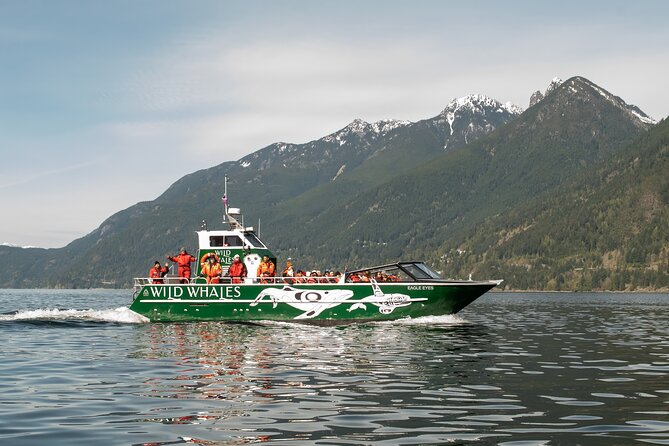
- Eagle Eyes open-air setup for an unrestricted 360° water view while you search
- Close-approach rules mean the boat can legally come nearer to wildlife than many other vessels
- Marine naturalist guidance with whale ID and field guides on board
- Full-length anti-exposure flotation suit included for Eagle Eyes bookings
- Motion-sickness and comfort options like ginger candy and single-use ear plugs
- Wildlife + bird watching mix (porpoises, sea lions, seals, bald eagles, herons, seabirds)
Granville Island to the Strait of Georgia: the hunt starts fast
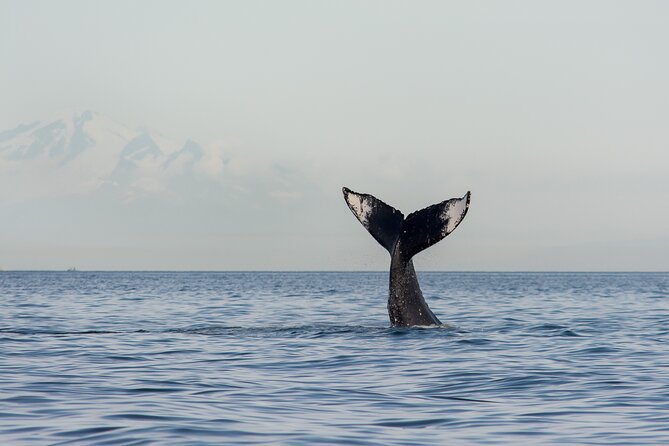
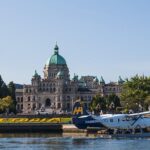
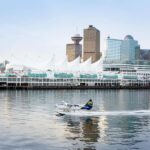
The experience begins at 1806 Mast Tower Ln, Vancouver. This is a convenient launch point if you’re using public transit, and it keeps things simple: you’re set up near Granville Island, then you’re out on the water. The first stretch matters because it helps you get your bearings quickly—Vancouver from the water is a different scene than from land, and you can often spot birds and small marine life early, even before the big whales show up.
From there, the boat heads out through English Bay and into the Strait of Georgia. What’s smart here is that the trip isn’t just a straight shot to one spot. You’re actively searching, which means you’re more likely to see something even on slower whale days. And if you’re lucky, you’ll feel that classic whale-watching rhythm: long scanning periods punctuated by sudden stops when the crew sees something worth checking.
A practical note: you’re on the boat long enough that you’ll feel the “time on water” reality. Even when the whale action is short, the overall trip can stretch to around five hours depending on where the whales are.
You can also read our reviews of more tours and experiences in Vancouver.
Eagle Eyes open-air viewing: why the 360° matters
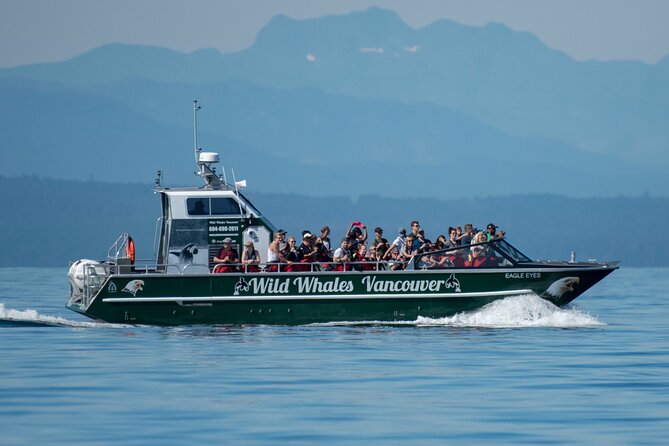
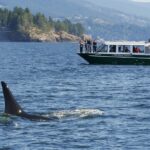
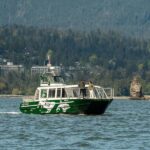
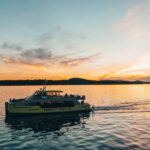
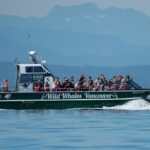
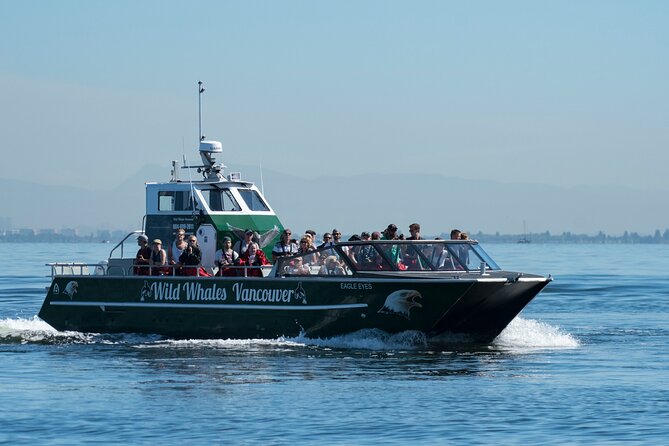
The boat is open-air, and Eagle Eyes is built for water-and-wildlife watching. You get an unrestricted 360° view, which sounds like marketing fluff until you realize what it means for spotting. Whales and other marine mammals don’t appear like a parade float. They rise, move, surface unexpectedly, and then disappear fast. With a wide view, you’re not waiting for the crew to point; your eyes can track movement across the entire horizon.
This open design also changes the feel of the trip. The air is fresh, the light is natural, and you’re not trapped inside a cabin while everyone peers through windows. You can stay alert and responsive—especially important when an orca pod or a humpback comes up near the boat.
One more detail that helps: the tour is capped at 35 people. That small group size isn’t just about comfort. It also affects what you can see. Less crowding means you can shift your angle quickly when something surfaces, and you won’t have ten strangers standing exactly where you need to look.
What you might see: orcas, humpbacks, minkes, greys, plus the side cast
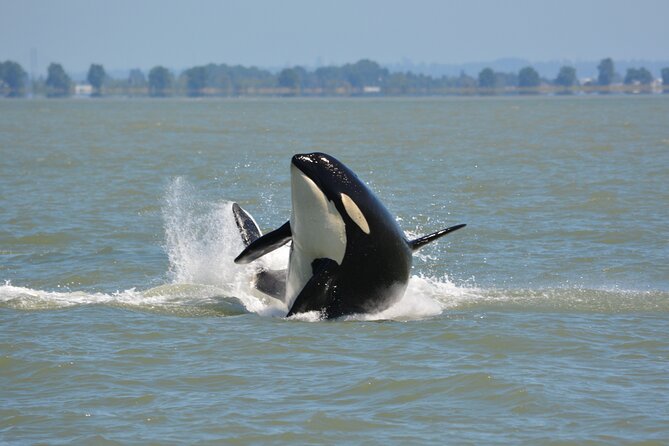
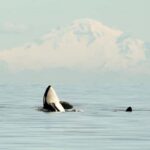
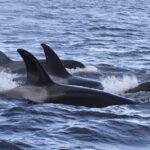
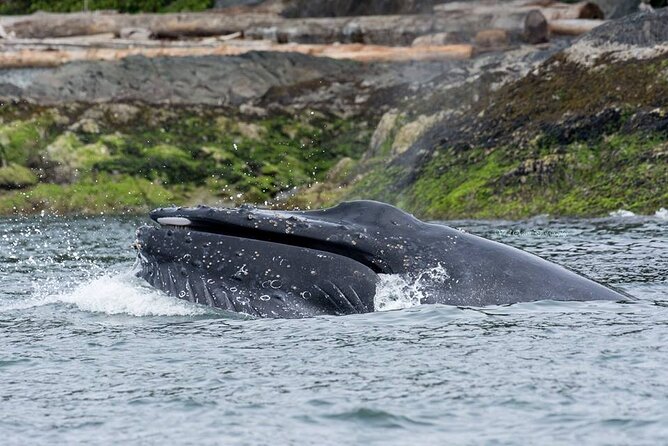
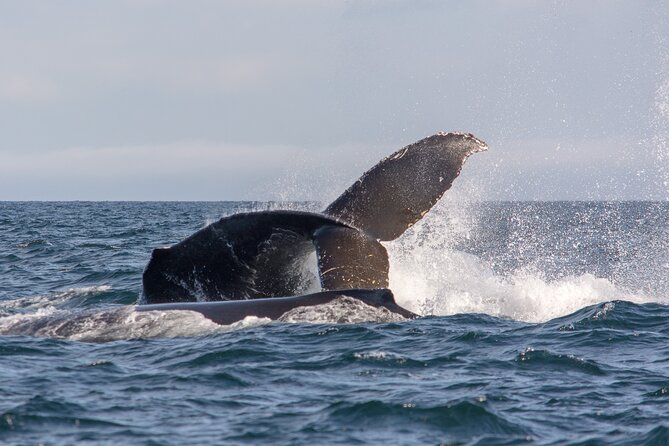
The main targets include orca (killer whales), humpback whales, minke whales, and/or grey whales. That’s the headline list, but what makes this cruise especially fun is the backup plan: you’ll also be scanning for other wildlife as you travel.
Depending on conditions, you may see species like:
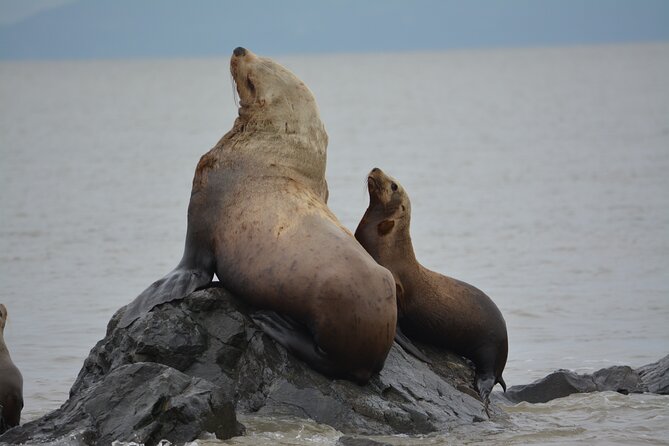
- Steller and California sea lions
- Harbour or Dall’s porpoises
- Harbour seals
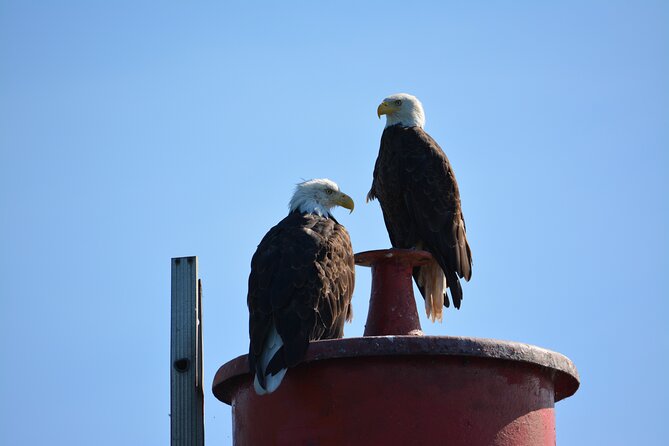
- Bald eagles
- Great blue herons
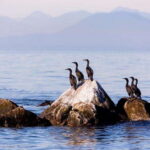
- Other seabirds
This matters because whale trips can be weather-and-location dependent. Even when whales take their time, the waters of Vancouver can still deliver. Birds are often the clue—if you see activity overhead, it can hint at feeding zones below. And when the boat is close enough to wildlife, you get more than a distant silhouette. You get behavior: movement patterns, surfacing rhythm, and attention shifts that tell you what the animals are doing.
A special advantage: legal closer approach
The tour notes that the vessel can legally approach wildlife closer than other boats can. In plain terms: that can improve your odds of seeing details, not just a far-off spout. You might still see animals from a distance, but when you get a closer moment, the whole experience levels up.
Your marine naturalist: learning without killing the fun
This is guided by a marine naturalist, and the guidance is built for learning while you’re watching. The naturalist shares insight on animal behavior, plus context on ecology, history, and geography of local waters—always tied to what’s happening right now on the water.
You’ll also have access to materials like whale identification guides and field guides. In practice, that’s a big help because it turns random sightings into recognizable patterns. If you can identify what you’re looking at—then even brief surfacing moments feel richer, because you know what species traits you’re seeing.
And you’re not just learning whale facts. The guide frames why the waters matter for marine conservation. The tour also shares that data collected from Vancouver tours goes to research and conservation initiatives, which gives the whole trip a purpose beyond the photo.
Cold, wet, and fast: the anti-exposure suit plan
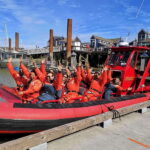
The boat is open-air, so you shouldn’t treat this like a warm summer sunset cruise. For Eagle Eyes bookings, you get a full-length one-piece anti-exposure flotation suit that’s designed to keep you sheltered from elements you might encounter.
Why this is valuable: it protects you while still letting you move and look around. You’re watching for long stretches, often with wind chill on top of salt spray. The suit helps you stay comfortable enough to enjoy the waiting part.
On top of the suit, there are practical comfort add-ons. If you’re worried about motion sickness, ginger candy can be provided upon request. You can also get single-use ear plugs upon request. Those two items may sound small, but they matter on a fast water ride—especially if you’re sensitive to noise or stomach motion.
Motion-sickness and comfort reality check
Even with the suit, this is still an open boat on open water. The best advice is to plan for the full experience: bring a calm mindset, use the provided motion aids if you need them, and dress in a way that works under the suit.
Also, there’s a restroom on board, which makes a big difference when the trip stretches longer than you expect.
Timing and flow: what a “5-hour whale search” feels like
The cruise runs about 3–5 hours, and it can last up to 5 hours depending on where whales are. That range is important. It means the day isn’t built around a short burst of action followed by immediate return. You’re on the water looking, and the timing of whale sightings drives the schedule.
Here’s what you can do with that information:
- Plan your energy for waiting. Whale action can be brief even when it’s amazing.
- Expect the rhythm: scan, look harder, then pause and watch when something shows itself.
- Bring snacks because the tour can run long and snacks aren’t included.
If you go into it thinking you’ll be “on whales” the whole time, you may feel disappointed. If you go into it knowing you’re on a hunt where the pay-off might come in bursts, it feels more satisfying—and you’ll spend less time watching the clock.
Bring snacks, water, and layers that work with the suit
Included basics are good, but they don’t cover everything you’ll want.
What’s included:
- Bottled water (and they prefer you bring a refillable water bottle to reduce single-use plastics)
- Sunscreen
- Field guides/whale ID guides and learning materials can be borrowed on board
- The suit (for Eagle Eyes bookings)
- Ginger candy and ear plugs can be provided upon request
What’s not included:
- Snacks
- Optional gratuity for guide and captain (appreciated)
So pack like this:
- Bring your own snacks for the long stretches. Something you can eat without fuss works best.
- Bring a water bottle if you can; it matches their preference and keeps you from relying only on extra bottled water.
- Wear layers that can go under the suit. The suit is your main weather protection, but clothing still affects comfort.
A small tip that helps: treat this like a marine weather day. Even if it looks mild at departure, it can feel colder once you’re out and moving.
Price and value: is $169.74 worth it?
At $169.74 per person, this sits in the premium zone for whale watching. The key question isn’t just the sticker price—it’s what you’re buying.
You’re paying for:
- An open-air Eagle Eyes experience with a real 360° water view
- A marine naturalist guiding animal behavior and local marine conservation context
- Whale ID and field guides available onboard
- A full-length anti-exposure flotation suit included for Eagle Eyes bookings
- The ability to legally approach wildlife closer than many other vessels
That’s a lot of value packed into one outing. Whale watching success is never guaranteed, but the experience design here improves your odds and upgrades your comfort. You’re less likely to miss the moment because you can’t see, and you’re less likely to cut the trip short because you’re too cold.
If you compare this to “see something, maybe” tours, what makes this feel worth it is the combination of viewing access + interpretation + comfort gear. It’s not only about chasing whales—it’s about understanding what you’re seeing while you’re there.
Who should book (and who should reconsider)
This tour fits best if you:
- Want a guided whale-watching experience, not just a ride
- Care about identifying species and understanding behavior
- Appreciate comfort planning, including the anti-exposure suit
- Like a smaller group (max 35) where you can move and look freely
You might reconsider if:
- You have neck problems (you’ll be scanning and looking around a lot on an open vessel)
- You’re not comfortable with cold, wind, and a long time on water (the tour can reach about five hours)
And if you’re traveling in a group, this is also a good choice because the boat setup and guide materials help everyone get on the same page quickly—what’s happening, what it might be, and why it matters.
Should you book Wild Whales Vancouver on Eagle Eyes?
If your goal is to maximize your chances of both seeing whales and understanding them, I’d book this. The open-air Eagle Eyes setup plus the included suit makes the weather less of a deal-breaker. The marine naturalist and whale ID support turn sightings into something you can actually recognize, not just hope for.
Skip it only if you know you can’t handle the physical reality of a cold, scan-constant boat ride or if neck issues make that uncomfortable. Otherwise, this feels like a strong value for the price—especially because the tour’s conservation and research angle gives your time on the water a purpose beyond photos.
FAQ
Where does the tour start?
The meeting point is 1806 Mast Tower Ln, Vancouver, BC V6H 4B6, Canada, and the experience ends back at the meeting point.
How long is the whale watching experience?
The journey is about 3–5 hours, with the full trip lasting up to 5 hours depending on where the whales are.
What wildlife are you looking for?
The cruise searches for orca (killer whales), humpback, minke, and/or grey whales. You may also spot other wildlife like Steller and California sea lions, harbour or Dall’s porpoises, harbour seals, bald eagles, and great blue herons, plus seabirds.
Is the boat open-air?
Yes. This tour is on an open-air vessel called Eagle Eyes, with an unrestricted 360° viewing setup.
What gear is included for Eagle Eyes?
Guests booked on Eagle Eyes receive a full-length anti-exposure flotation suit (one piece, worn over clothing). The tour also includes bottled water and sunscreen.
Can I get help for motion sickness?
Yes. Ginger candy can be provided upon request. Single-use ear plugs are also available upon request.
Is there a restroom on board?
Yes, there is a restroom on board.