REVIEW · VANCOUVER
Vancouver: Open-air Whale Watching Tour, Granville Island
Book on GetYourGuide →Operated by Wild whales eco tours · Bookable on GetYourGuide
A whale watch in Vancouver can feel like a gamble. This one is built for seeing—open-air decks, 360° views, and expert guidance on the Salish Sea.
I especially like the unrestricted 360° deck on Eagle Eyes, which makes it easier to track surface activity without craning around or dealing with glass. I also like that you get real interpretation from a marine naturalist, with help identifying whales and understanding what you’re seeing out on the water.
One consideration: you’ll be out in the elements. The ride is open-air, the tour length shifts with weather and whale location, and it’s not a fit for everyone (for example, it’s not recommended for pregnant people).
In This Review
- Key Things You’ll Notice on Eagle Eyes
- Why the Eagle Eyes Open-Air Design Improves Your Chances
- Granville Island Makes the Start Easy (And the Timing Realistic)
- What You’ll Do Before You See Anything: Safety and Whale-Spotting Basics
- The Salish Sea Cruise: Orcas, Humpbacks, Dolphins, and Seal Life
- Orcas and how they change the mood
- Humpbacks: why ID tips help
- Dolphins and the bonus wildlife factor
- Sea lions and harbor seals
- Seabirds as a clue
- Eagle Eyes Onboard: Comfort, Photos, and the Limits of Open-Air
- Price and Value: Why $165 Can Make Sense Here
- What to Bring (So You Don’t Regret It Mid-Wave)
- Rules That Keep the Wildlife Wild (and Keep You Safe)
- Who This Whale Watching Tour Is Best For
- Should You Book This Vancouver Whale Watching Tour?
Key Things You’ll Notice on Eagle Eyes
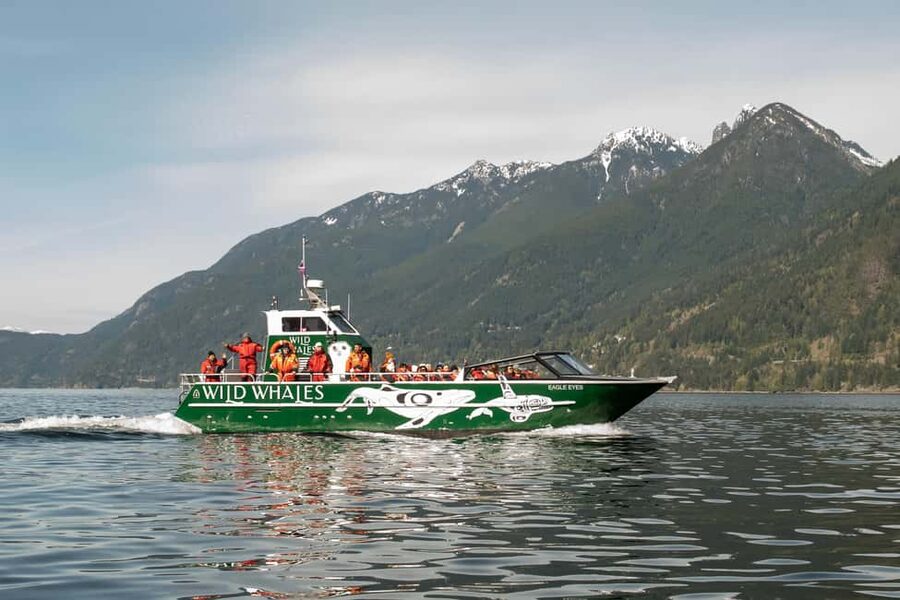
- 360° open-air viewing from a mid-size catamaran where you can move around freely
- Naturalist-led spotting skills so you can tell humpbacks and other species apart more easily
- Salish Sea wildlife variety that goes beyond whales to include seals and sea birds
- A smoother, stable ride thanks to the twin-hull design versus smaller boats
- Whale sightings guarantee for peace of mind when you’re traveling for a specific animal
Why the Eagle Eyes Open-Air Design Improves Your Chances
Whale watching isn’t just about luck. It’s about your view, your ability to follow the action, and how quickly you can react when something surfaces. Eagle Eyes is designed around that reality.
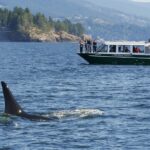
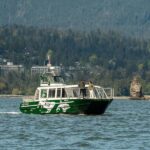
First, the boat is custom-built with an open-air deck and no enclosed cabins that cut your sightlines. You’re not limited to a single front window. Instead, you can keep your eyes on the water in a full circle. That matters because whales don’t show up neatly in one direction. They can surface off the bow, off the stern, or to the side, often with little warning.
Second, the catamaran layout gives you room to shift positions. I like that you can walk around the deck for photos and for better angles, not just sit and watch forward. If you’re chasing a sharp shot, this freedom helps. If you’re simply trying to stay calm while you scan, it also helps—your body isn’t trapped in one spot.
And because Eagle Eyes is a twin-hull catamaran, it tends to feel more stable than smaller vessels. That doesn’t mean “zero motion,” especially on windy days, but it does make the experience more comfortable for people who dislike the pitching that can come with smaller craft.
You can also read our reviews of more tours and experiences in Vancouver.
Granville Island Makes the Start Easy (And the Timing Realistic)
Your tour departs from Wild Whales Vancouver on Granville Island. That’s a big deal for two reasons.
One: Granville Island is right by downtown Vancouver, so you don’t have to plan a complicated commute across the whole city. The office address is 1806 Mast Tower Ln, Vancouver, BC V6H 4B6, and you can reach it by car, public transport, and the small local ferry service.
Two: you’re likely to feel the island’s summer energy immediately. There’s paid public parking around Granville Island, but you’ll want to arrive early because it gets busy in peak months.
Plan to show up 45 minutes before departure. That’s not “extra time for fun.” It’s what lets you get through the safety briefing without rushing, and it helps you settle before the boat heads out.
What You’ll Do Before You See Anything: Safety and Whale-Spotting Basics
The tour starts with a safety briefing at Granville Island, roughly 45 minutes. That time is worth treating as part of the experience, not a delay.
On an open deck, the rules matter. This is the moment you learn how to stay safe while walking around and while the vessel is cruising. You’ll also get guidance on how to behave around marine life. The tour doesn’t allow touching marine animals, and you shouldn’t bring any instinct to “help” or “pet” anything you spot.
Then comes the real value: you’re on the water with a professional captain and a marine naturalist. The naturalist’s job isn’t only to tell you what’s out there. It’s to help you read the water—how to identify whales and understand behavior patterns so you’re not just watching random spouts.
In one recent trip, marine naturalist Julia stood out for her clear explanations of humpback behavior and how to identify them while tracking the whales during the outing. That kind of coaching turns a lucky sighting into something you can actually understand while it’s happening.
The Salish Sea Cruise: Orcas, Humpbacks, Dolphins, and Seal Life
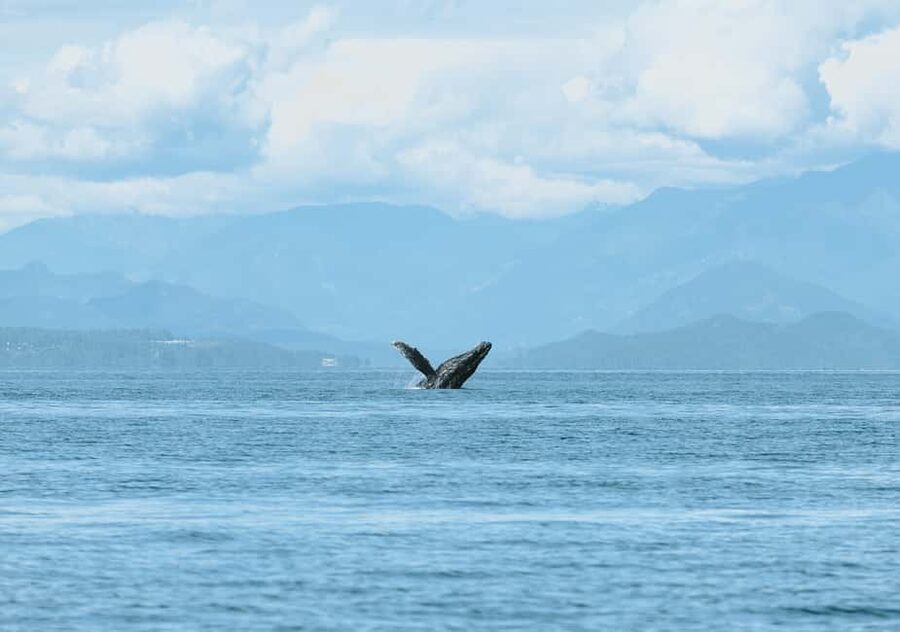
Once you’re underway, your time is spent in the Salish Sea, with guided wildlife viewing that lasts about 5 hours on the typical outing. The exact timing can shift, because the tour runs 3–5 hours depending on weather and where the animals are located.
Here’s what to look for, based on what this region and this tour commonly track:
Orcas and how they change the mood
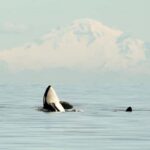
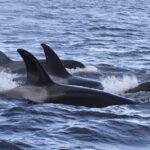
Orcas (killer whales) are the headline for many people. When they show up, everything on deck changes—scanning becomes faster, people point without needing to talk, and your attention locks onto movement on the water surface. You may hear about identification and behavior from the naturalist, which is the difference between seeing a whale and learning what it’s doing.
Humpbacks: why ID tips help
Humpbacks can be exciting, but they can also be tricky to distinguish if you’re going in with only generic whale knowledge. That’s where the naturalist’s guidance matters. In one example from a real trip, the naturalist helped guests identify three humpbacks during the excursion by explaining behaviors and what to look for as you track them.
Dolphins and the bonus wildlife factor
Dolphins can appear in quick bursts—sometimes feeding, sometimes traveling. The tour description also highlights Pacific white-sided dolphins, along with other marine life you might see depending on the day.
Sea lions and harbor seals
This is not only a whale show. You can also see Steller sea lions and harbor seals. Even when whales aren’t perfectly timed, seals and seabirds can keep the trip interesting because they’re often easier to spot near shorelines and along feeding zones.
Seabirds as a clue
Seabirds aren’t just scenery. They can signal activity in the water below, and they help you keep scanning intelligently instead of guessing.
Bottom line: you’re getting guided attention across multiple species, not just a single “must-see.” That increases your odds of feeling like you got your money’s worth, even if whale sightings take time.
Eagle Eyes Onboard: Comfort, Photos, and the Limits of Open-Air
Eagle Eyes is a mid-size boat, which is a practical advantage if you hate feeling packed onto larger vessels. You’ll have onboard washrooms and individual seating, but the deck viewing experience is built around standing and moving around for the best sightlines.
That setup is ideal if you’re:
- a photographer who needs to change angles quickly
- someone who gets bored watching from a single bench seat
- a nature lover who wants the ocean feel, not a closed cabin
It’s less ideal if you want an entirely seated, minimal-walking experience. The open deck is meant for eagle-eye scanning, and you’ll be encouraged to reposition.
On colder days, comfort comes from preparation. The tour includes an optional windbreaker or suit for warmth, which helps a lot. Still, you should expect real coastal chill. Bring layers you can adjust, and bring gear you can hold securely while moving around.
Price and Value: Why $165 Can Make Sense Here
At $165 per person, whale watching in Vancouver isn’t “cheap.” But this isn’t a bare-bones cruise either.
You’re paying for:
- a custom open-air catamaran designed for visibility
- a captain plus a professional marine naturalist
- guided wildlife viewing in the Salish Sea for around 3–5 hours
- washrooms onboard
- an included whale sightings guarantee
- optional warm gear (windbreaker/suit)
The value also shows up in what you’re not paying for. Food and snacks are not included, and gratuity is optional, so you’ll want to budget for what you’ll eat and drink yourself. If you’re prepared with a reusable water bottle and snacks, you can keep the trip simple.
Compared with tours that feel like you’re trapped behind barriers, the open deck design is part of the value. More view time isn’t just a nice perk—it can change whether you actually catch those short surf moments.
What to Bring (So You Don’t Regret It Mid-Wave)
You should pack like you’re going out for a cool, windy coastal outing—because you are. Here’s what the tour asks you to bring, and it’s solid advice:
- Warm clothing (layers work best)
- Hat
- Camera
- Food and drinks
- Reusable water bottle
A quick practical tip: bring something to keep your hands comfortable and dry. A camera is easier to handle with gloves that still let you use buttons.
Also, bring snacks you’ll actually eat. Food isn’t included, so a bland plan leads to hanger and a less enjoyable scan of the water.
Rules That Keep the Wildlife Wild (and Keep You Safe)
The tour has clear boundaries that protect both you and the animals. These are the key ones to remember:
- No touching marine life or animals
- No pets
- No drones
- No alcohol or drugs
- No fireworks
There are also restrictions around gear and movement. Non-folding strollers aren’t allowed. If you’re traveling with kids, the boat isn’t recommended for children under 3 years.
These rules keep the experience respectful and safer. They also mean the crew can focus on spotting and guiding, instead of dealing with people trying to get closer.
Who This Whale Watching Tour Is Best For
This tour fits best if you want a hands-on, view-forward experience.
You’ll likely love it if:
- you care about marine conservation learning as much as the animal sightings
- you want coaching on identifying species
- you’re comfortable spending time outdoors and repositioning on deck
- you like the idea of a mid-size vessel that avoids the feeling of larger crowds
It may not be the best match if:
- you’re pregnant (it’s not recommended)
- you need wheelchair access (it’s not suitable for wheelchair users)
- you’re traveling with very young kids (under 3 years isn’t recommended)
- you prefer a fully seated, controlled environment rather than an open deck
Should You Book This Vancouver Whale Watching Tour?
I’d book this tour if your top priority is real visibility and you want guidance that helps you understand what you’re seeing. The combination of the open-air 360° deck, the marine naturalist-led commentary, and the chance to see orcas, humpbacks, dolphins, seals, and sea lions makes it a strong use of a half-day in Vancouver.
Skip it (or look for an alternative) if the idea of open wind and cold spray will ruin your comfort, or if the tour limits don’t fit your needs, like wheelchair access or pregnancy.
If you do book, you’ll get the best experience by dressing for actual coastal weather, arriving early, and bringing snacks so you can stay focused on scanning instead of managing hunger.