REVIEW · VANCOUVER
Intimate West Coast Whale Watching – Partly-Sheltered
Book on Viator →Operated by Wild Whales Vancouver · Bookable on Viator
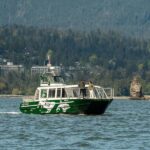
Whales in Vancouver feel close, not distant. This intimate partly-sheltered outing keeps you in the action with a maximum of 32 people, plus a tight team on board that calls out what you’re seeing. I like that you get interpretation from wildlife experts such as Julia, Britt, and Nicole, so the trip isn’t just spotting, it’s understanding.
Two things I especially like: the captain’s active search and communication with other local boats, and the comfort touches that make a 3 to 5 hour ride easier. The small-group feel helps too, because you’re not packed in like a sardine can. One possible drawback: wildlife sightings depend on the day and conditions, and sometimes it can take a bit to find them.
In This Review
- Key highlights you’ll care about
- Why this partly-sheltered whale trip feels calmer than big-boat outings
- Granville Island Public Market: the smartest 30-minute pre-boat move
- Meeting point at Mast Tower Lane: quick, clear, and easy to navigate
- On the water with Wild Whales Vancouver: how the crew finds whales
- Whale spotting highlights: humpbacks, flipper slaps, and possible orcas
- Comfort that actually matters on a 3–5 hour ride
- Price and value: what $169.34 is really buying
- Who should book this outing (and who should think twice)
- Should you book this intimate West Coast whale watching trip?
- FAQ
- How long is the whale watching tour?
- Where do I meet for the tour?
- What is the maximum group size?
- Is there a restroom on board?
- What should I bring?
- What happens if weather is poor?
- What language is the tour offered in?
Key highlights you’ll care about
- Partly-sheltered routing: expect a calmer ride than full open-water days, even though conditions still matter.
- A captain who coordinates: the crew uses communication with other whale-watch boats to improve your odds.
- Wildlife experts on board: named staff like Julia, Britt, and Nicole explain behavior and what to look for.
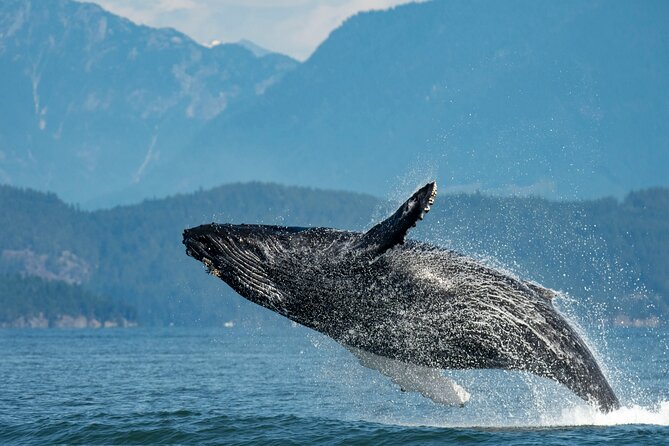
- Real action sightings: humpbacks with fin slaps, fluking, and even breaching are part of the usual excitement.
- Comfort built in: restroom on board, plus extra sunscreen and water if you need it.
- Time for a Granville Island snack: a short stop near the Public Market makes the start of your trip easy.
Why this partly-sheltered whale trip feels calmer than big-boat outings
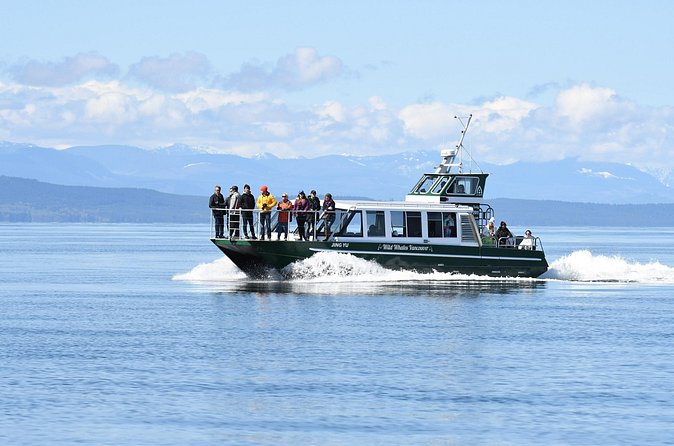
This is whale watching that doesn’t feel like a production line. With a maximum group size of 32, you get a more human-scale experience—less jostling, more chance to see what matters, and easier movement on board when you’re trying to follow the crew’s pointing and calls.
The tour is labeled partly-sheltered, which matters because the Pacific can be moody. Even if you still want some “seasickness contingency thinking,” this style of route is built to reduce how rough things feel when compared with fully exposed setups.
You’re also not stuck guessing what will happen next. A recurring theme on these trips is that the captain stays engaged in the hunt, adjusting the route based on where whales are showing.
You can also read our reviews of more tours and experiences in Vancouver.
Granville Island Public Market: the smartest 30-minute pre-boat move
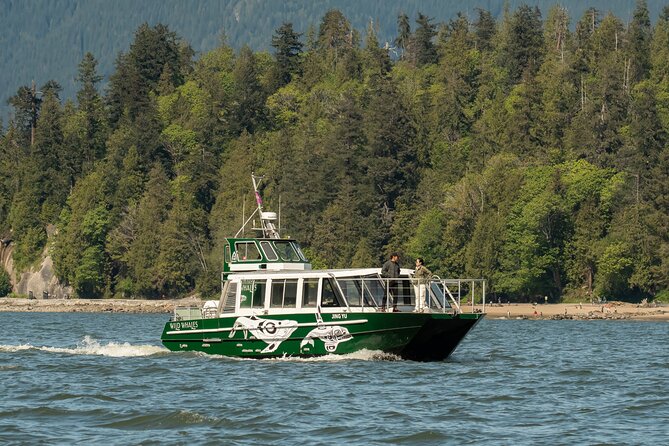
You start near the historic Granville Island Public Market, and you get about 30 minutes to make it count. This isn’t a long detour; it’s just enough time to pick up a snack and coffee so you’re not rationing calories while you’re waiting for the first big blow.
What I like about using Granville Island as a pre-game is that it’s practical. It gives you a food option that’s close to your meeting area, and you can top off your supplies without stressing about timing once you’re on the dock.
If you’re the kind of person who hates thinking about food again once you’re traveling, this simple warm-up helps. Grab something quick, then focus your attention on the water for the rest of the outing.
Meeting point at Mast Tower Lane: quick, clear, and easy to navigate
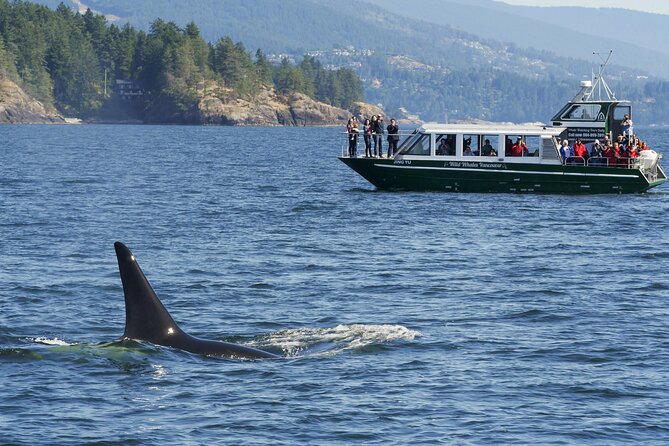
Your tour meets at 1806 Mast Tower Ln, Vancouver, BC V6H 4B6 and returns back to the same place. That round-trip setup is underrated—no mystery drop-off, no guessing where your ride is waiting, no end-of-tour scramble.
The location is also described as near public transportation. So if you’re doing this as part of a broader Vancouver day, you can keep things simple with transit and not worry as much about parking logistics.
You’ll also use a mobile ticket, which is convenient if you don’t want to manage paper. Just make sure your phone is charged, and you’re set.
On the water with Wild Whales Vancouver: how the crew finds whales
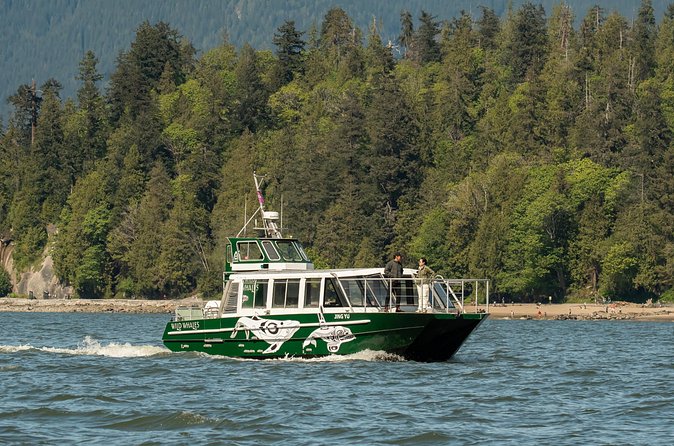
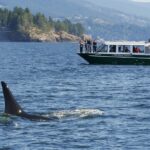
Once you’re underway, the key difference here is how active the captain and crew are at locating whales. On past outings, the captain has kept in touch with other local whale-watching boats for sightings, then adjusted direction to reach the action.
That communication piece is a big deal for you. Whales move, and sightings can be momentary. When a captain uses local intel instead of only scanning in one direction, your chances of seeing more than one moment of wildlife go way up.
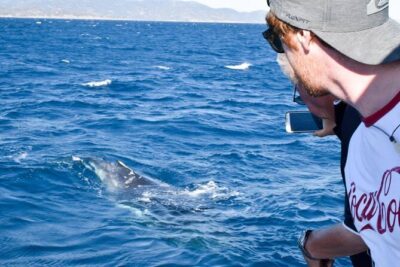
Then there’s the human layer. The on-board wildlife experts—people named in the program like Julia, Britt, and Nicole—help you connect the behaviors to what you’re actually seeing. That turns a random sighting into a clearer story: what whales are doing, why they’re doing it, and what signals you can look for.
The trip also has a restroom on board. It’s not glamorous, but it’s the kind of practical detail that keeps your attention on the water instead of the clock.
Whale spotting highlights: humpbacks, flipper slaps, and possible orcas
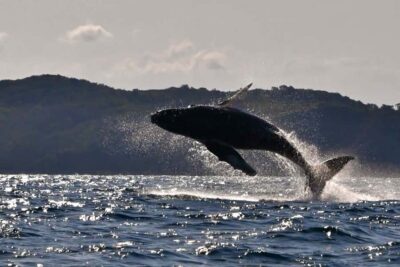
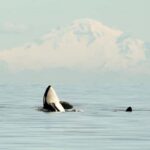
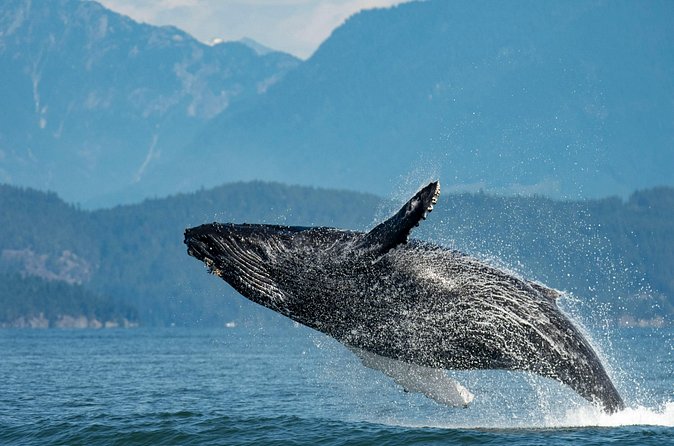
Humpback whales are the headline in this region, and that lines up with the typical excitement from these outings. Expect the kind of behavior that people remember for years: fluking, fin slapping, and sometimes breaching. Even when you’re just standing there for a few minutes, the crew’s calls help you watch the right spot at the right time.
One of the best ways to get value from whale watching is to understand that it’s rarely one single event. On these trips, you can get multiple pods rather than one lonely whale far off in the distance. That’s where the captain’s routing and ongoing scanning really pay off—you’re more likely to see repeated action.
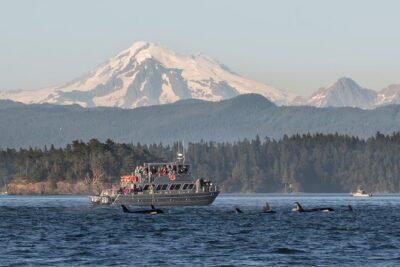
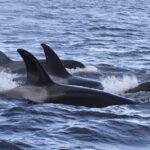
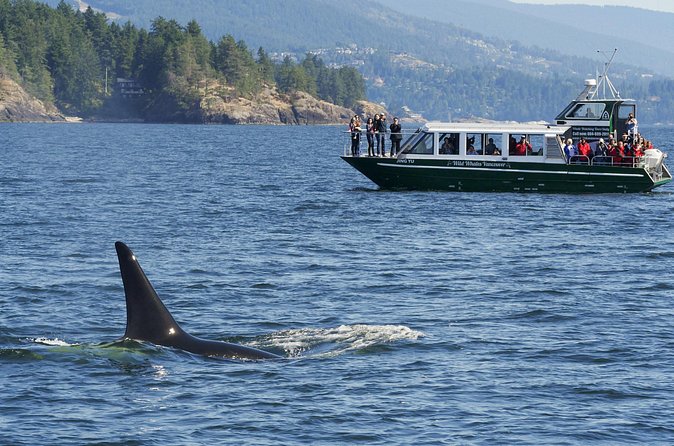
Now for the high-interest bonus: orcas. There’s a chance to see them, and it’s tied to the captain using communication with other local boats to reach a pod. When that happens, it can feel like the trip levels up, because orcas add a different kind of energy to the scene.
Also, don’t be shocked if you see other marine life on the way—one past outing included a young sea lion nursing with its mom. It’s not the main target, but it’s the kind of moment that makes whale watching feel like a real ecosystem trip instead of a one-species checklist.
Comfort that actually matters on a 3–5 hour ride
This tour is listed at about 3 to 5 hours, so it’s long enough that small comfort issues become real. The good news is the experience includes a restroom on board and also offers extra sunscreen and water if necessary.
Still, I recommend you bring your own reusable water bottle and your own sunscreen. The extra supplies help if you forget, but you’ll feel better if you control your own basics. If you’re sensitive to sun, pack accordingly—coastal weather can swing between bright and overcast without warning.
Because the route is partly-sheltered, you’re likely to feel less pounding than in fully exposed conditions. But seas still happen. Wear layers you can adjust quickly, and keep your basics simple: something you can stay comfortable in for the length of time you’re out there.
Also, if you’re tempted to overpack, don’t. You’re on a boat. Think small, practical, and easy to access.
Price and value: what $169.34 is really buying
At $169.34 per person, this isn’t a budget activity. But whale watching often isn’t cheap because you’re paying for the boat time, the crew, and the work it takes to locate wildlife in changing conditions.
Here’s what you get that supports the price tag:
- A smaller maximum group size (32), which can help your experience stay comfortable and observation-friendly.
- A captain who actively coordinates with other local whale-watch boats to improve your odds.
- Named wildlife experts who explain what you’re seeing, from behavior to patterns.
- A restroom on board and support items like sunscreen and water if you need them.
The trade-off is the nature of wildlife viewing: no one can guarantee specific whales on a specific timeline. If you’re going for a strict “must see orcas” outcome, you should keep expectations flexible. If you’re open to humpbacks showing you plenty of action and you like learning while you watch, the value tends to feel stronger.
Booking timing matters too. This kind of outing is often booked ahead, and this one averages about 27 days in advance. If you’re traveling in peak season or on a tight itinerary, getting your spot earlier makes sense.
Who should book this outing (and who should think twice)
This tour is a strong fit if you want:
- A smaller-group whale watching experience instead of a huge crowd.
- A crew that communicates and adjusts strategy while you’re out there.
- A chance to see humpbacks and, sometimes, orcas—plus other marine life moments.
- On-board explanations from wildlife experts like Julia, Britt, and Nicole.
It may be less ideal if:
- You need an experience with guaranteed orca sightings. The program data points to the possibility, but it’s not a certainty.
- You’re going during a period where weather is frequently poor. The experience requires good weather, and poor conditions can lead to a different date or a full refund.
If you’re the kind of person who enjoys patience and real-time nature watching, you’ll probably love it. If you’re hoping for a predictable, scripted show, whale watching can feel unpredictable by design.
Should you book this intimate West Coast whale watching trip?
I think you should book this if you want a calmer, smaller-scale outing with real effort behind the scenes. The captain’s communication style and the presence of wildlife experts—names like Julia, Britt, and Nicole—turn your time on the water into more than a quick wildlife drive-by.
Your best bet is to go with flexible expectations, especially about the exact species lineup. If you’re ready for humpback whales with fin slaps and fluking, and you’d love the bonus chance of orcas if the captain can line it up, this is a very sensible choice for Vancouver.
FAQ
How long is the whale watching tour?
The tour lasts about 3 to 5 hours.
Where do I meet for the tour?
The meeting point is 1806 Mast Tower Ln, Vancouver, BC V6H 4B6, Canada, and the activity ends back at the meeting point.
What is the maximum group size?
This experience has a maximum of 32 travelers.
Is there a restroom on board?
Yes, there is a restroom on board.
What should I bring?
Bring your own reusable water bottle and consider bringing your own sunscreen. Extra sunscreen and water are available if necessary, but it’s encouraged that you bring your own.
What happens if weather is poor?
The experience requires good weather. If it’s canceled due to poor weather, you’ll be offered a different date or a full refund.
What language is the tour offered in?
The tour is offered in English.