REVIEW · MOOREA
Half Day Small Group Whale Watching
Book on Viator →Operated by Moorea Sea Experience · Bookable on Viator
Small-group whale watching in Moorea feels calmer and more personal. You’re on a 6-person boat with a captain and guide focused on getting you close to humpbacks while keeping things respectful and controlled. Two things I like a lot: the tiny capacity (less crowding in the water) and the practical comfort perks onboard, like fruit and drinks, plus snorkeling gear if you want it. One consideration: if you’re prone to sea sickness or you’re not comfortable in open water, plan for that before you go.
This half-day trip is designed around the best humpback season in Moorea, typically August through November, when whales migrate past French Polynesia. It’s not just boat spotting either; it’s built for real viewing time and, when conditions allow, time in the water with guidance. The result is a whale watch that feels less like a cattle call and more like a carefully managed encounter.
In This Review
- Key points to know before you go
- Moorea’s humpback season: August to November is the window
- A max-6 boat changes everything when whales surface
- The 4-hour half day: how the timing typically plays out
- Coco Beach meeting point: simple start, no mystery detour
- What snorkeling really means on this tour
- On-board fruit and drinks: small touches that help your half-day
- Motion sickness advice: take it seriously, not casually
- Guide-and-captain teamwork: close watching without crowding
- The value question: is $267.22 worth it?
- Who should book this whale watch (and who should think twice)
- Should you book Moorea Sea Experience’s half-day whale watching?
- FAQ
- What time of year can I see humpback whales on this tour?
- How long is the half-day whale watching experience?
- How many people are on the boat?
- Where do I meet for the tour?
- What’s included onboard?
- Is snorkeling equipment provided?
- Is there a physical fitness requirement?
- When will I receive confirmation after booking?
- What should I do about sea sickness?
- What happens if the tour is canceled due to weather?
Key points to know before you go
- Maximum of 6 people means less chaos when it’s time to look, listen, and get in the water
- Humpbacks from Antarctica are the focus, mainly during August to November
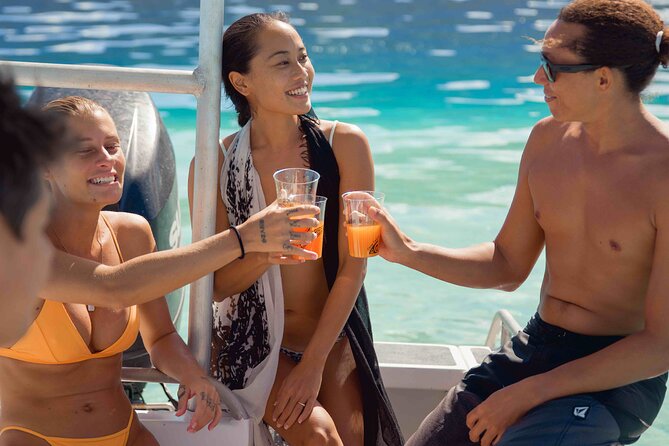
- Fruit and drinks onboard (water, fruit juice, punch) keep the half-day comfortable
- Snorkeling equipment included if you want fins, mask, and snorkel
- Motion-sickness planning matters since the tour is open water and not everyone handles it well
Moorea’s humpback season: August to November is the window
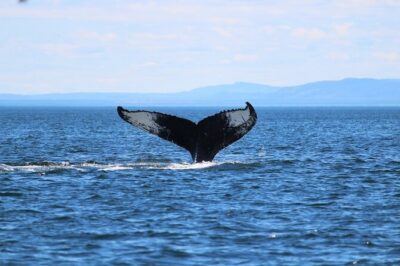
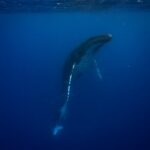
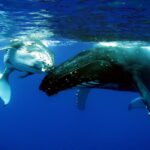
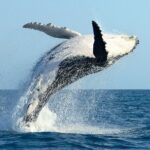
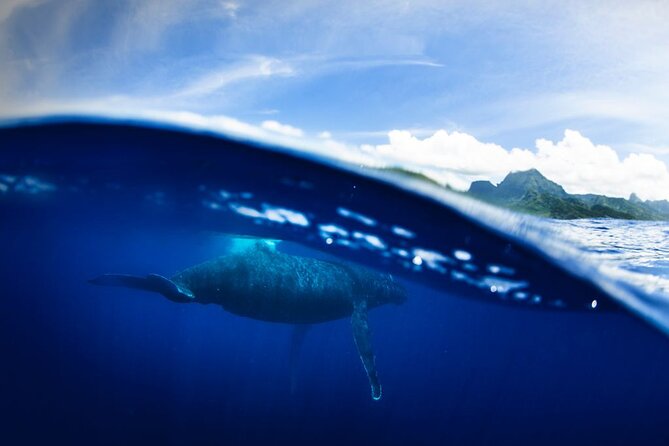
This is a whale-focused trip, and the timing matters. From August to November, humpback whales are a real possibility in Moorea’s waters, including the kind of migrating animals that come from the Antarctic region. That season window is what makes this half-day worth booking instead of rolling the dice year-round.
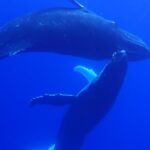
On the water, what you’re really hoping for isn’t just a distant sighting. The experience is set up so the guide and captain can find whales and then help you observe with good timing and spacing. With a small boat, you’re more likely to spend meaningful moments watching the behavior that makes humpbacks special.
You can also read our reviews of more tours and experiences in Moorea.
A max-6 boat changes everything when whales surface
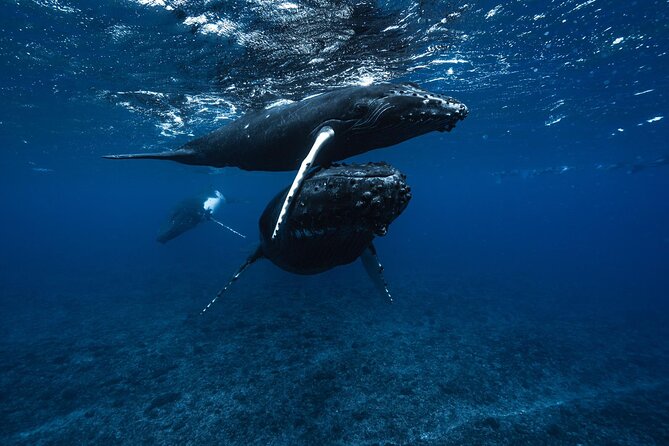
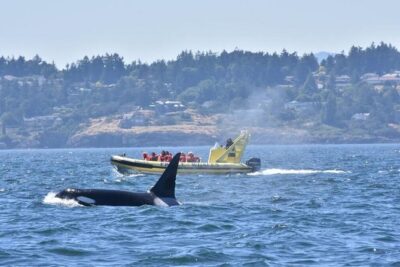
Most whale tours feel similar until you hit the water. This one caps the group at six on board—double the space you’d get on many standard tours. That small number isn’t just a comfort claim. It directly affects how the crew can position the boat, manage the time people enter the water, and limit disruption around the animals.
The crew’s whole approach is built around animal well-being and “minimum impact.” In plain terms: fewer people in the water at once means less noise, less kicking, and less random chasing. It also helps you get better views because the guide can actually keep track of where everyone is at the same time.
The 4-hour half day: how the timing typically plays out
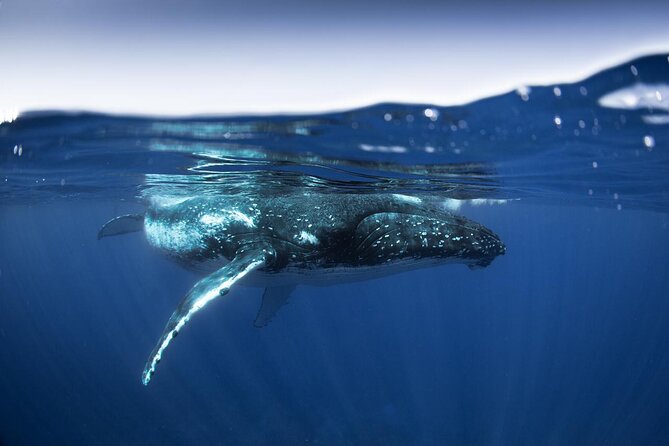
The tour runs about 4 hours and ends back at the meeting point. That short duration is a big deal in Moorea. You avoid burning a full day and still get enough time for both scanning from the boat and (when conditions allow) snorkeling.
Here’s how the rhythm usually feels:
- Get oriented and board with the small group
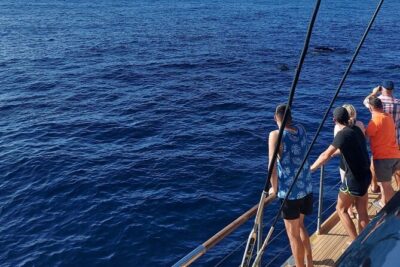
- Cruise and look for whales with the captain steering and the guide planning approach timing
- Watch behavior from the water, not just passing glances
- Snorkel or swim when invited, with clear instructions
- Return to shore while you still have your energy and photos in your head
A half-day is also easier for your body. You get a memorable encounter without turning it into an all-day physical challenge, even though open water can still be bouncy.
Coco Beach meeting point: simple start, no mystery detour
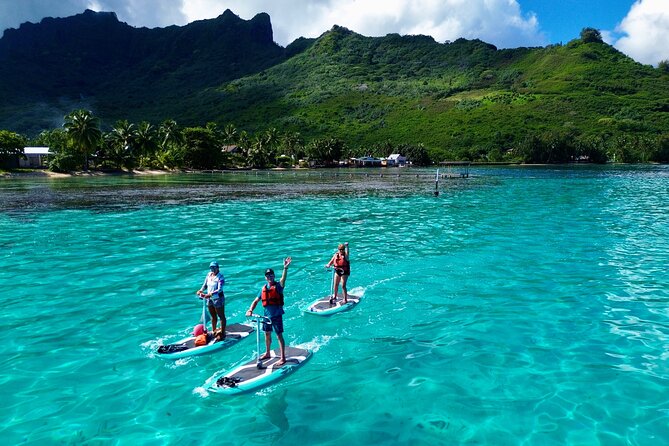
You meet at Coco Beach Restaurant Parking, PK 24, Moorea-Maiao. The good part: it’s a straightforward local pickup point and the tour ends back where you started. That makes it easier to plan the rest of your day—lunch, a beach stroll, or another quick activity without complicated transport.
If you tend to run late, still give yourself a buffer. With only six people on board, the operation wants everyone ready when it’s time to go. You’ll also want a few minutes to get set up, apply sunscreen, and decide what you’ll bring into the water.
What snorkeling really means on this tour
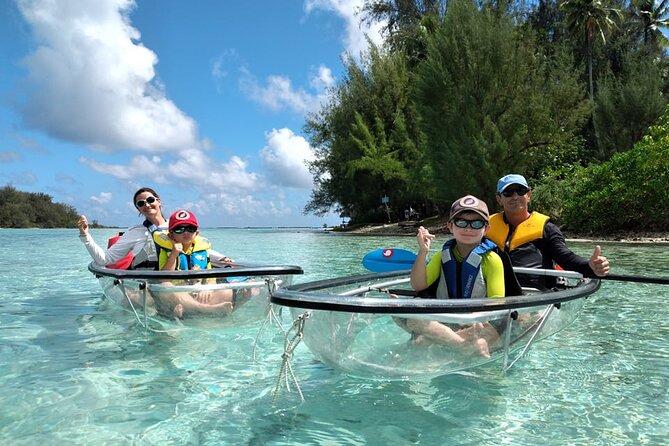
Snorkeling equipment is available onboard: fins, mask, and snorkel. That’s helpful if you don’t want to haul gear or you’re traveling light. It also means you can focus on the experience instead of outfitting yourself.
The bigger snorkeling question is not gear. It’s comfort in open water. The tour lists a moderate physical fitness requirement, and many people recommend being a strong swimmer or at least comfortable enough that you don’t panic if the boat drifts with the waves. If you’re new to snorkeling, you’ll likely do better if you start calm and follow instructions closely.
When snorkeling is offered, the crew’s goal is proximity and respect at the same time. With a small group, they can spend more time guiding your position and spacing so you’re watching the whales, not flailing around trying to catch up.
On-board fruit and drinks: small touches that help your half-day
Part of what makes this tour feel well-run is how it handles the “in-between” moments. Fresh fruit is served, and you get drinks including water, fruit juice, and punch. On a half-day, those small comfort perks make it easier to stay relaxed from start to finish.
You’ll also want to treat this like a real sun-and-salt outing. Bring what you usually need for a day on the water: sunscreen, and ideally something to keep hair from getting wrecked by sea mist. If you’re the kind of person who gets dehydrated easily, take advantage of the water right away.
Motion sickness advice: take it seriously, not casually
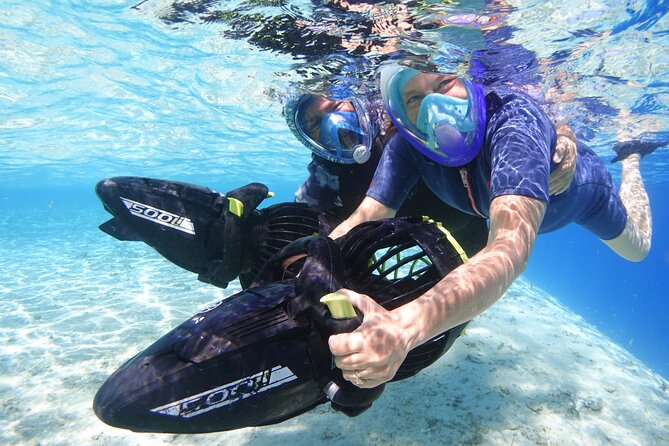
One very practical theme from the experience is that sea sickness can hit people hard. The boat is small and the water can move, so even people who think they’re fine may get knocked out of the experience.
My suggestion is simple: if you’re even slightly unsure, take motion-sickness medicine before you’re on the water. Don’t wait until you feel bad. Also, choose your seat wisely at the start and keep your gaze toward the horizon when the boat is moving.
This is the main drawback I’d plan around. Everything else—the boat size, the crew approach, the whale focus—is built to make the day smooth.
Guide-and-captain teamwork: close watching without crowding
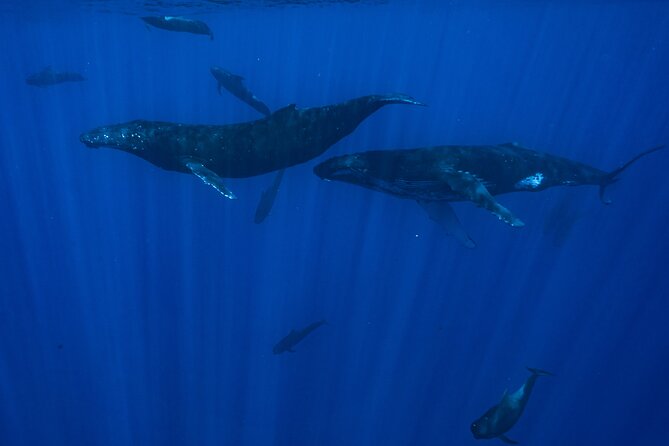
The operation is run with both a captain and an experienced guide. The guide’s job is partly safety and partly observation—helping you understand what you’re seeing and when it’s worth getting into the water. The captain’s job is boat positioning and timing, especially around whale behavior.
In the names that come up, Mana is often mentioned for his care and patience, and Johnny also appears as a standout guide. What matters more than the name is the method: clear instructions, attention to individual comfort, and a strong respect for the animals so the encounter stays controlled.
With a small boat, that teamwork shows up fast. You’re not just waiting for someone to point at a whale. You’re actively guided toward the best chances, while the crew manages the pace so you’re not overstimulated.
The value question: is $267.22 worth it?
At $267.22 per person, this isn’t the cheapest way to see whales in Moorea. But it also isn’t priced like a big-group “drive-by” experience. The value comes from two places you can feel during the day:
- You pay for space and control. A max of six people changes how the crew can manage whale proximity and time in the water. That directly affects your quality of viewing.
- You pay for real guidance. The guide and captain aren’t just searching; they’re also managing respectful approach and helping you snorkel confidently.
If you compare it to cheaper tours with bigger boats, the difference usually shows up where it counts: less crowded water, better instruction, and more time focused on the whales rather than logistics. For many people, the price feels fair because the experience is built around the encounter, not around moving passengers along.
Who should book this whale watch (and who should think twice)
This tour is a strong match if you want:
- A small-group experience where the crew can actually watch everyone
- A humpback-focused outing during the August to November season
- Optional snorkeling with provided gear and a guide handling the how-to
It’s a tougher match if:
- You’re likely to get sick on open water and you haven’t planned for it
- You’re not comfortable swimming or you don’t feel stable in choppy conditions
- You want a long, slow “hang out all day” kind of outing (this is about a short, focused encounter)
Should you book Moorea Sea Experience’s half-day whale watching?
If you’re going to Moorea in August–November, and you care about whales being treated well while still getting real viewing time, I’d book this. The small-group setup is the key reason. You’re not buying a ticket just to see a whale once; you’re buying a structure that supports closer, calmer, better-paced encounters.
If you’re on the fence because of motion sickness or comfort in the water, don’t automatically skip—prepare. Plan to take motion-sickness medicine beforehand, keep your expectations realistic about sea conditions, and be honest about your swimming comfort.
Bottom line: this is a half-day that feels designed for quality time with humpbacks, not just a box to check.
FAQ
What time of year can I see humpback whales on this tour?
The chance to observe humpback whales is listed for August through November.
How long is the half-day whale watching experience?
The duration is about 4 hours.
How many people are on the boat?
The tour has a maximum capacity of 6 travelers.
Where do I meet for the tour?
You meet at Coco Beach Restaurant Parking, PK 24, Moorea-Maiao, French Polynesia.
What’s included onboard?
You’ll have fresh fruit and drinks (water, fruit juice, and punch).
Is snorkeling equipment provided?
Yes. Fins, mask, and snorkel are available if needed.
Is there a physical fitness requirement?
Yes. Travelers should have a moderate physical fitness level.
When will I receive confirmation after booking?
Confirmation is sent within 48 hours of booking, subject to availability.
What should I do about sea sickness?
The experience requires good weather and involves open water. Based on guidance from the experience, it’s smart to take motion-sickness medicine before going if you’re prone to it.
What happens if the tour is canceled due to weather?
The tour requires good weather. If it’s canceled due to poor weather, you’ll be offered a different date or a full refund. There’s also free cancellation up to 24 hours in advance for a full refund.