REVIEW · MOOREA
Swim with humpback whales
Book on Viator →Operated by Corallina Tours · Bookable on Viator
Whales, in your snorkel mask zone. In Moorea, this tour is built around the months when humpback whales come close enough for real underwater encounters, not just distant viewing. I like that the day is guided and structured, so you’re set up to swim confidently in supervised waist-height water—even if you’re not the world’s best swimmer.
What I also like is the follow-up: after the open-ocean whale time, you switch gears to the lagoon and get hands-on snorkeling with stingrays and black-tip sharks. One consideration: conditions and whale behavior control how long you’ll be in sync together—these animals move fast, and on some days the “best possible moment” can be shorter than you’d hoped.
In This Review
- Key things to know before you go
- Moorea’s humpback season: when this is most worth it
- Pickup and the 8:30 AM start: logistics that actually matter
- The boat portion: cruising first, then working for the encounter
- Swimming with humpbacks: safety, water depth, and whale etiquette
- Why the guide’s timing is everything
- Group size and the 2025 regulation: what you should expect
- Lagoon bonus: stingrays and black-tip sharks
- Included vs not included: gear and comfort checklist
- Price and value: what $264.13 really buys you
- Who this tour fits best (and who should think twice)
- Tips to improve your odds on whale day
- Should you book Corallina Tours’ humpback whale swim in Moorea?
- FAQ
- Where does this tour start?
- What time does the tour begin?
- How long is the experience?
- Is pickup available?
- What snorkeling gear do I get?
- Do I need to bring my own snorkeling equipment?
- How many people are in the group?
- What languages do the guides speak?
- What if the tour is canceled due to weather, or I cancel myself?
Key things to know before you go
- Moorea whale season matters: July to early November is when this is at its best.
- Small group, controlled time in the water: up to 12 on board, with a limit on how many swimmers are in at a time.
- Real snorkeling gear is included: no need to rent or track down equipment.
- More than whales: rays and black-tip sharks are part of the lagoon portion.
- Guides work in English and French: safety info and whale guidance aren’t left to guesswork.
- You’ll need fitness: open-water swimming can be tiring, especially with fins.
Moorea’s humpback season: when this is most worth it
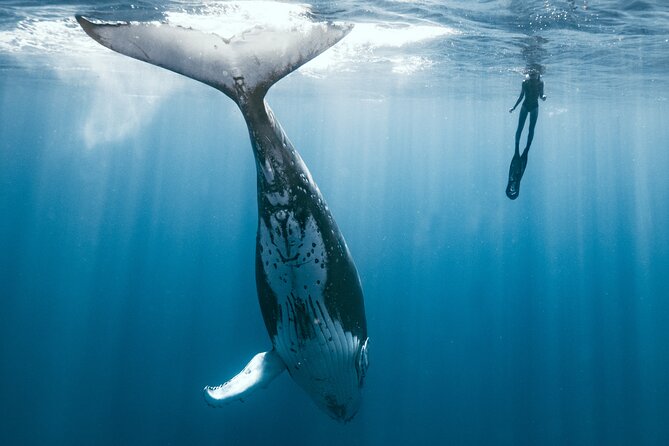
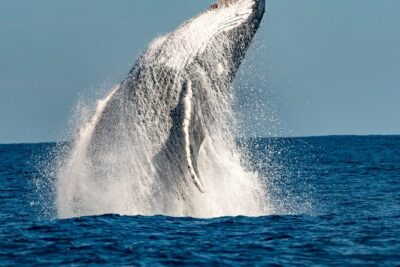
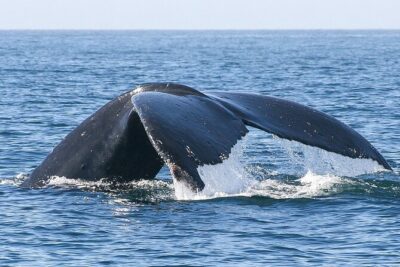
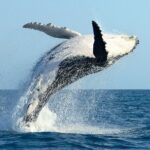
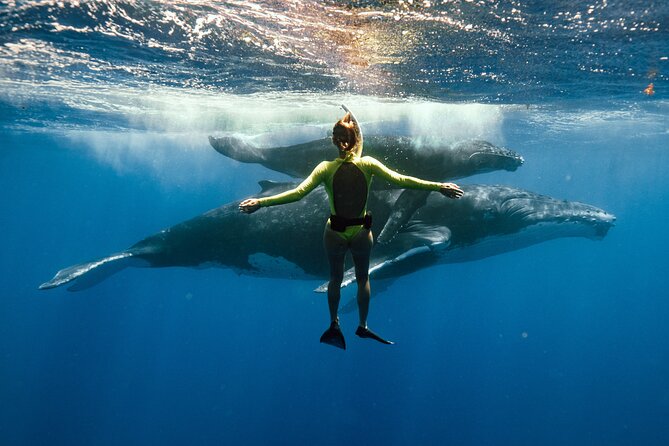
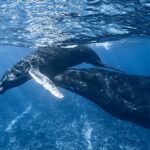
Moorea is famous for humpback whales during their seasonal visit, which is exactly why this tour works so well for animal lovers. If you’re traveling between July and early November, you’re in the right window—this is the time when your chances of getting whale time in the water are strongest.
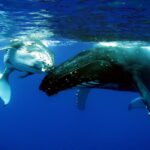
Timing can also make a difference inside the season. People who visit around August and September often have an easier time finding a mama and calf, which tends to be the most emotional (and memorable) kind of encounter.
Just keep one expectation grounded: whales aren’t farm animals. Even in prime season, they change speed, direction, and distance. The crew’s job is to locate activity and position you for the best moment they’re allowed to provide.
You can also read our reviews of more tours and experiences in Moorea.
Pickup and the 8:30 AM start: logistics that actually matter
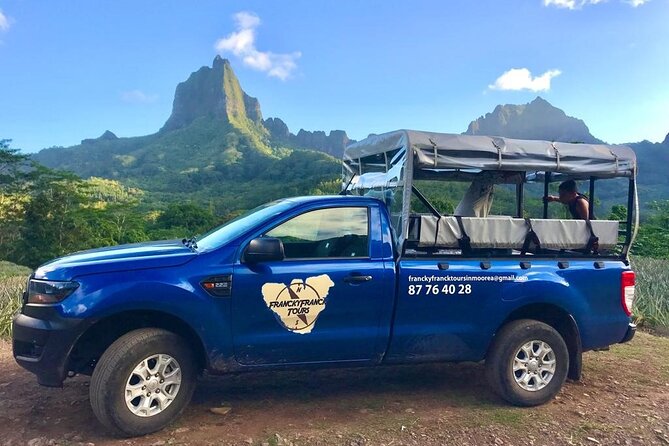
The tour starts at 8:30 am, with the main meeting point at Corallina Tours (their excursion baleine snorkeling location in Maharepa). If pickup is offered, it can save you stress in the morning. You’ll still end back at the meeting point when the day wraps.
Why the early start matters: whales and good water conditions don’t wait for late vacation schedules. An on-time departure gives the boat time to search and reposition before things get rough or visibility drops.
Also plan around the fact that there’s no restroom on board. If you need one, use facilities before you head out.
The boat portion: cruising first, then working for the encounter
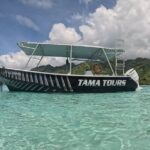
The plan follows a straightforward flow: cruise in the lagoon, then go out to look for whale activity and (when the moment is right) swim in open water. It’s not a long lecture day. It’s more like a moving search-and-station routine guided by someone who knows where to look and how to approach calmly.
A typical day runs about 3 hours (some schedules run to 4 hours depending on what the ocean decides). Your day feels like it has two personalities: first the “finding” part, then the “in-water” part.
Here’s the important practical thing: open-water swimming isn’t always relaxed. When the crew says it’s go-time, you’re expected to swim quietly and efficiently, often with fins, and keep your body under control around other swimmers.
Swimming with humpbacks: safety, water depth, and whale etiquette
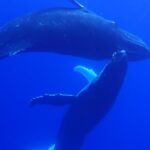
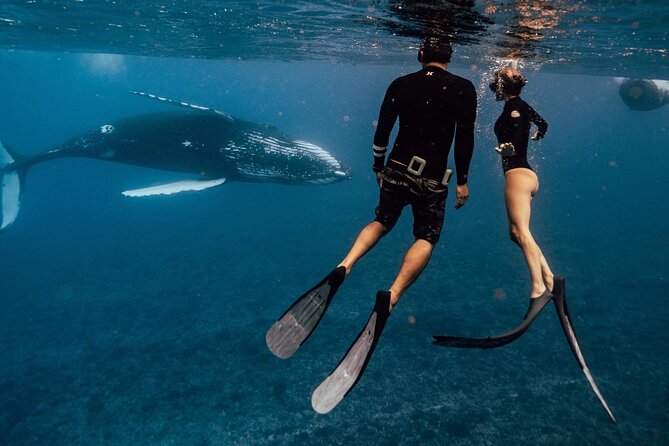
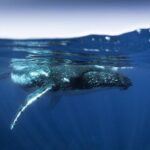
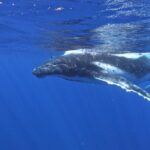
The headline is swimming alongside humpbacks, and the tour is designed to make it approachable. The description emphasizes waist-height water under your guide’s supervision, which is a big deal for confidence. Instead of feeling like you’re thrown into deep ocean, you’re guided into the zone and taught how to behave while you’re there.
Guides are also a major part of why people feel safe. Names you may encounter in other groups include Francesca and Tamahere, and you might also hear stories from guides like Maui who are praised for how they communicate and read whale behavior. In practice, that means clear instructions in English and French, plus steady pacing so the group isn’t panicking or flailing when it counts.
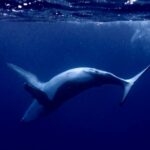
Still, keep one reality in mind: humpbacks are always moving. Even when you see them up close, you might not get a long, slow “stay together” swim. Sometimes the best moments come in short bursts, and you’ll have to wait for the next opportunity.
If the sea is choppy or visibility isn’t ideal, your experience can skew more toward effort than comfort. Expect that on at least some days you’ll be swimming actively for 30 minutes to an hour if you’re in the water.
Why the guide’s timing is everything
This is one of those tours where the guide’s whale-reading skills can turn a “maybe” into a “yes.” The crew looks for where whales surface, how they’re turning, and whether your group can enter without causing stress.
The tour’s approach also aims to keep space and behavior respectful. People often call out that the crew tries hard not to crowd the animals, which is what you want—close enough to be unforgettable, far enough to stay within safe, ethical boundaries.
Quiet matters, too. In open water, your movements and noise affect what the whales do next. A calm group gets better encounters. When people splash, kick hard, or get excited underwater, it can disrupt the moment.
Group size and the 2025 regulation: what you should expect
This is where you’ll want to calibrate expectations before booking. The tour is capped at 12 travelers, and due to 2025 regulations, only a smaller number may be allowed as swimmers in the water at a time.
That means you could find your group gets split into two swim groups. If you expect everyone to be in at once, you’ll be disappointed. If you’re okay with staggered time slots, it’s still a very solid way to manage fairness and safety in the water.
It also explains why some days feel like a “wait and then swim” experience. You’re not being ignored—you’re being staged so the crew can follow rules and still give everyone a chance at a real encounter.
Lagoon bonus: stingrays and black-tip sharks
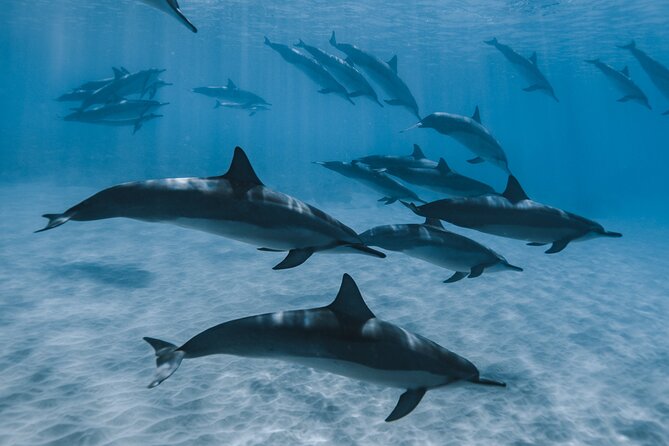
After the whales, the tour shifts to the lagoon portion where you can snorkel with stingrays and black-tip sharks. This part tends to feel more relaxed than open-ocean swimming, since you’re not matching whale timing.
The animals are a little different in how you experience them. Some people report that stingrays and sharks may be near the surface, so you don’t always need the full “deep snorkel focus” mindset—though you should still wear your gear and follow the guide’s instructions.
This lagoon segment is a great value add because it gives you a second chance at underwater excitement even if whale time gets shorter due to animal movement or ocean conditions.
Included vs not included: gear and comfort checklist
Here’s what you get for the price:
- Snorkeling equipment (so you don’t need to rent separately)
- Bottled water
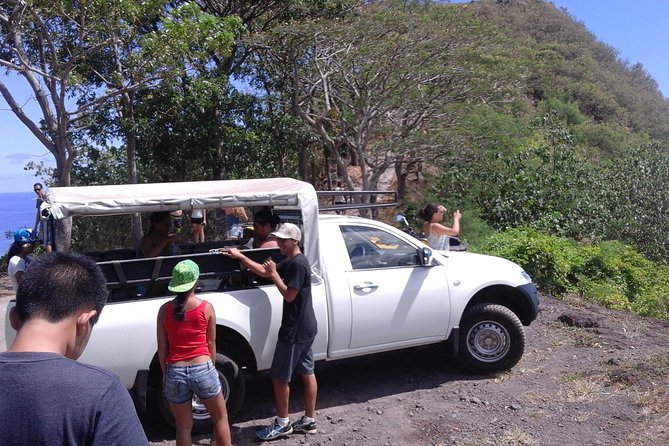
- Round-trip transportation (when pickup is offered, it’s handled as part of the tour flow)
What you might need to plan for yourself:
- No restroom on board, so use shore facilities before you go
- You’ll want proper swimwear for open water and the physical work of swimming with fins
- Bring what you need to handle sun exposure, because you’ll be out during daylight while actively swimming
One small comfort tip that keeps showing up: people forget sunscreen and pay for it. Reapply even if you think you’re already covered.
Also, water temperature is often not a big issue, but that doesn’t remove the need to swim efficiently. Open water can tire you fast even in comfortable temperatures.
Price and value: what $264.13 really buys you
At $264.13 per person, this isn’t a cheap “see whales from shore” excursion. But it also isn’t paying for just one thing. You’re getting a full morning structure: transport, search time, guided snorkeling equipment, and two separate underwater experiences—humpbacks in open water and rays/black-tip sharks in the lagoon.
Value is mostly about probability and time in the right environment. Whale swims only work if the crew can locate activity and if conditions allow it. When it comes together, you’re getting a once-in-a-lifetime kind of encounter that would be hard to replicate independently.
Where cost can feel rough is when the ocean is choppy or visibility is poor, or when whale behavior doesn’t line up for long in-water time. In those cases, you still get the lagoon animals, but the “swimming with whales” part can feel shorter than your imagination.
Who this tour fits best (and who should think twice)
This experience is built for people with a strong physical fitness level. Swimming in open water while staying quiet and controlled is not the same as floating in a calm reef. You may be required to swim efficiently—often with fins—so your arms and breathing need to work under mild stress.
This tour tends to suit:
- Adults and confident swimmers who can stay calm in the water
- Travelers who like guided structure and clear instructions
- People who care about animal behavior and respect, not just selfies
If you’re easily overwhelmed in moving open water, or you know you struggle with snorkeling for extended periods, consider whether you can handle active swimming time if conditions are rough.
Tips to improve your odds on whale day
These are the practical “do this and your chances go up” tips I’d follow:
- Show up early and ready. A late start usually means less time to find activity.
- Be prepared to swim in short bursts of effort, then pause, then go again.
- In the water, move quietly and smoothly. The calmer your group, the better the whales usually respond.
- Reapply sunscreen. You’re out there long enough to forget.
- If you’re worried about your comfort, focus on following your guide’s instructions rather than trying to freestyle the encounter.
Also, keep an eye on what the day offers. Sometimes you’ll see plenty of whales even if the in-water swim is limited. Other times, you’ll get fewer sightings but a closer, better moment. The crew’s job is to maximize what’s possible, and that varies day to day.
Should you book Corallina Tours’ humpback whale swim in Moorea?
If your dream is to be in the water with humpback whales—not just watching from above—then booking is a strong move, especially if you’re traveling July through early November. The small-group structure, guided safety focus, and the extra lagoon snorkeling with stingrays and black-tip sharks make this feel like more than a one-note whale tour.
I’d book if you:
- Can handle active swimming and open-water conditions
- Want a guided experience with clear communication in English and French
- Value getting real underwater time, even if it’s staged in groups
I’d pause if you:
- Want a long, slow, everyone-in-at-once swim with no effort
- Know rough seas or active swimming will stress you out
- Are counting on perfect water clarity every time
If you go in knowing whales move and the ocean sets the schedule, you’re far more likely to leave happy—because when it clicks, it’s unforgettable.
FAQ
Where does this tour start?
The tour starts at Corallina Tours’ excursion baleine snorkeling Moorea Polynésie, BP19 Maharepa, Moorea (98728), French Polynesia.
What time does the tour begin?
The start time is 8:30 am.
How long is the experience?
Plan on 3 to 4 hours total.
Is pickup available?
Pickup is offered, and round-trip transportation is included as part of the tour.
What snorkeling gear do I get?
You get snorkeling equipment included with the tour, plus bottled water.
Do I need to bring my own snorkeling equipment?
No. Snorkeling equipment is provided, so you do not need to hire or pack it separately.
How many people are in the group?
The experience has a maximum of 12 travelers. Also, due to 2025 regulations, it limits how many swimmers can be in the water at one time.
What languages do the guides speak?
Guides speak English and French.
What if the tour is canceled due to weather, or I cancel myself?
The experience requires good weather. If it’s canceled due to poor weather, you’ll be offered a different date or a full refund. If you cancel or request changes, the experience is non-refundable and cannot be changed for any reason.