REVIEW · MOOREA
Whale watching and snorkelling in Moorea
Book on Viator →Operated by Lagoon Vibes · Bookable on Viator
Seeing humpbacks in Moorea is the real deal. What makes this outing special is the combo of boat-based whale watching and guided snorkeling with an Aquatic Guide when the sea and whales cooperate, led by Ivy and Captain Christoph. It’s also built for a small group (max 6), which keeps the experience calm and lets the team spend real time tracking activity.
I love the focus on safety plus animal welfare—you get clear instructions, and you can choose to stay onboard if the ocean feels like too much. My other big plus is how much you can actually experience in one stretch: the trip runs about 4 hours, and the guide works to put you in the right place for breaching, fin-flapping, and mother-calf moments.
One drawback to know up front: snorkeling means you need to be comfortable with fins and a mask and, for ocean launches, you’ll need strong fitness (including being able to swim about 300 meters) and physically climb back onto the boat ladder. If conditions are rough, you might end up watching from the boat more than getting in the water.
In This Review
- Key highlights to know before you go
- Whale watching in Moorea: what this tour is really like
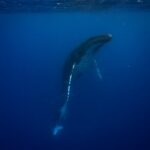
- Humpbacks on the move: what you can hope to see
- The 4-hour rhythm: boat time, repositioning, and why it matters
- Meeting at Quai des croisières and getting your sea legs
- Onboard with Captain Christoph: how the search gets done
- The Aquatic Guide (Ivy) and the safety briefing that sets expectations
- Snorkeling rules: when you’ll enter the water, and when you won’t
- Gear and comfort: what you’ll use and what you should bring
- Wildlife bonuses beyond humpbacks
- Price and value: is $230.78 a fair deal?
- Weather strategy: how to improve your odds on Moorea
- Who this tour fits best (and who should skip it)
- Should you book Lagoon Vibes for whale watching and snorkeling?
- FAQ
- Where do we meet for the tour?
- How long is the whale watching and snorkeling experience?
- Is snorkeling required?
- Who can join ocean snorkeling launches?
- What fitness level is needed for launching into the ocean?
- How big is the group?
- What happens if weather is bad?
- (Optional) quick decision checklist
Key highlights to know before you go
- Max 6 travelers keeps things personal and less chaotic when whales show up fast.
- Ivy + Captain Christoph run the show with a clear whale-finding strategy and safety-first mindset.
- 3–4 hours on the water gives the team more time to reposition and chase the right behavior.
- Snorkeling only when it makes sense: whales and sea conditions decide if you’ll launch.
- Multiple wildlife chances: dolphins, turtles, and sharks can join the day alongside humpbacks.
Whale watching in Moorea: what this tour is really like
This is a Moorea whale trip built around a simple idea: whales move, conditions change, and you can’t force nature. So you’ll spend the time looking—then react quickly when the ocean delivers.
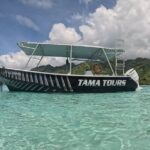
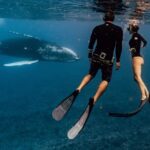
From the moment you meet at the cruise pier area (Quai des croisières, marked with G56J+9VV), the day runs on boat time. You’ll head out with an aquatic guide onboard who’s there to manage safety and help you respect the animals’ space. The goal is not just to spot whales, but to watch their behavior clearly—then, if allowed, get into the water with proper supervision.
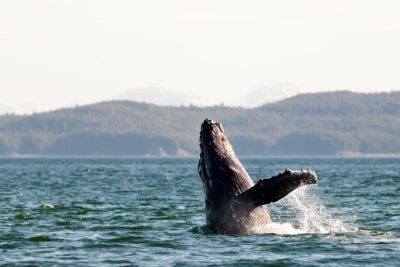
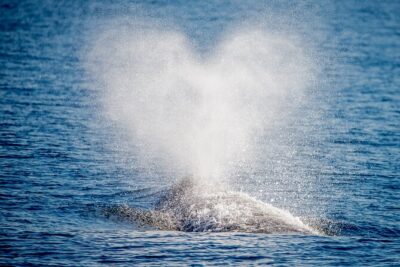
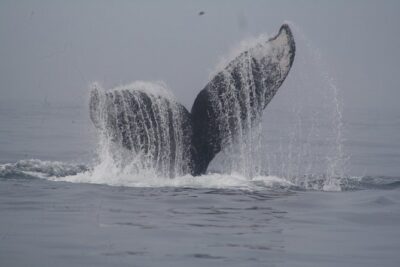
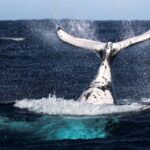
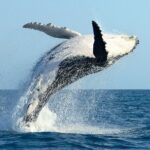
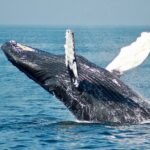
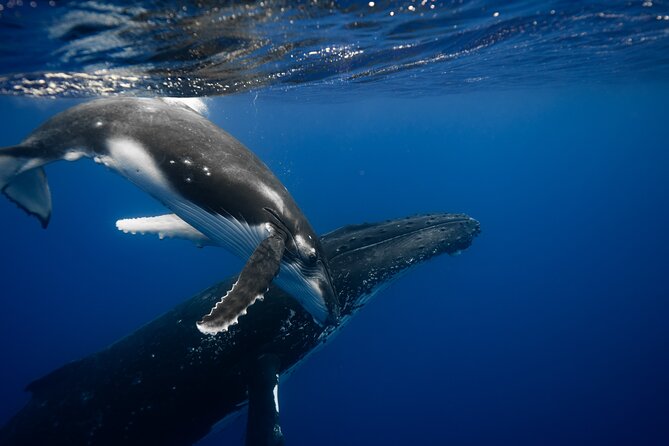
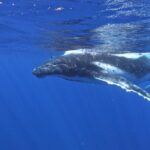
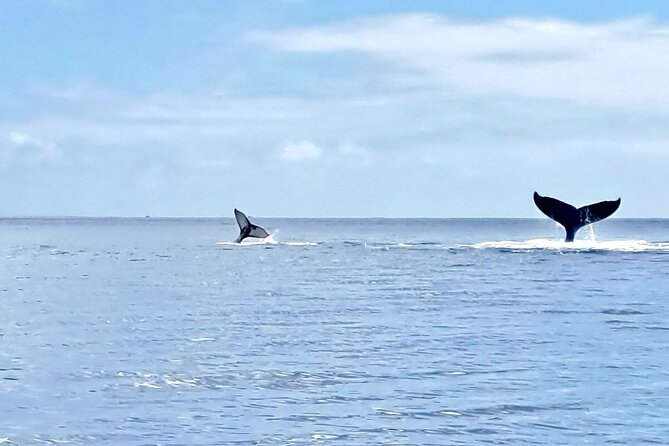
And yes, whale behavior is unpredictable. That’s part of what makes it exciting. You might see calves, hear famous humpback singing, or catch dramatic surface moments like jumps and tail flukes coming out of the water.
You can also read our reviews of more tours and experiences in Moorea.
Humpbacks on the move: what you can hope to see
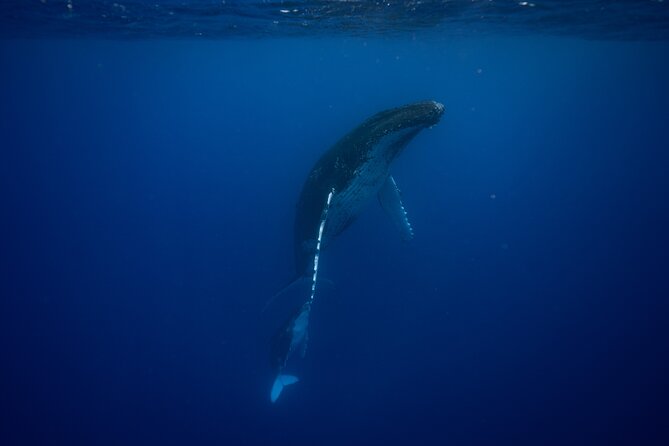
Moorea humpbacks are known for seasonal migration, and that’s the big reason this trip works. The more active the pod is that day, the better your odds of memorable moments.
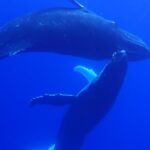
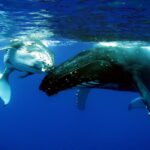
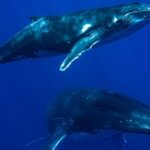
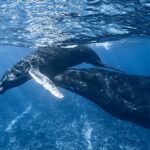
When whales are near enough, you could witness the full show: mothers and calves, breaching, pectoral fin strikes, and caudal movements (tail flukes) out of the water. Some days focus more on quiet observation—napping behavior, slow surfacing, or gentle passes that let you study their timing. Other days deliver action fast.
One important mindset shift: you are not buying a guaranteed checklist. You’re getting an organized search with a team that knows how to interpret whale behavior. If the animals aren’t active at the surface, or the sea state makes it unsafe to launch, you’ll still learn a lot from how the guide reads what’s happening.
The 4-hour rhythm: boat time, repositioning, and why it matters
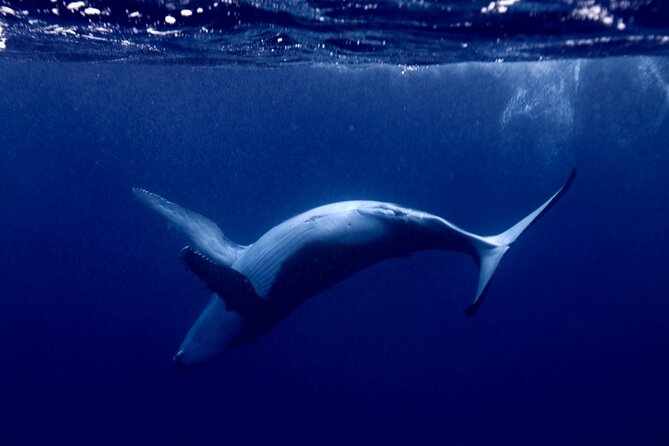
The trip runs about 4 hours, which is a big deal for whale watching. Shorter trips often feel like they spend more time traveling than actually watching. Here, the extra time gives the captain room to reposition when whales surface elsewhere.
You’ll also feel the benefit of the small group. With a maximum of 6 travelers, the team can brief everyone clearly and handle the logistics of whale sightings without turning it into a production line. A few reviews mention the experience felt intimate and efficient—less waiting, fewer crowding moments, and more time at the right locations.
If the sea is calm, you’ll move with purpose. If it’s rough, you’ll slow down and prioritize safety. Either way, the day’s structure is built around patience and timing.
Meeting at Quai des croisières and getting your sea legs
Your meeting point is at Quai des croisières (G56J+9VV). The activity ends back at the same location, so you’re not guessing where you’ll be dropped off later.
Because this includes ocean and lagoon launching when conditions allow, you should plan to be physically ready for boat movement. One of the most honest considerations from past guests is that you’ll want to manage motion sickness if you’re prone. If you know you get queasy on boats, bring your usual remedy and use it early.
There’s also a practical reality: when the boat stops to watch whales, you may need to stay alert and follow the guide’s instructions. This tour runs on quick coordination, so it helps to be mentally ready when the guide calls for attention.
Onboard with Captain Christoph: how the search gets done
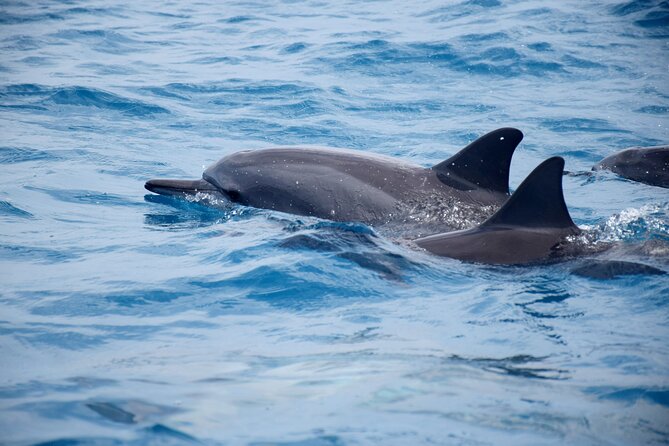
Captain Christoph is a key part of the experience. You can feel the difference when a boat crew understands whale behavior and the timing of surfacing. The captain isn’t just driving toward water; he’s positioning the boat so you can observe clearly and, when possible, prepare for a safe launch.
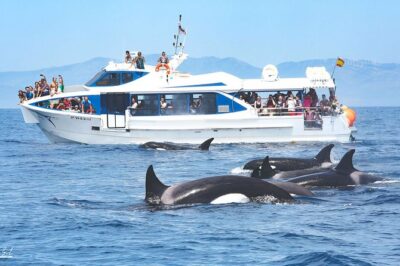
A theme in feedback is that the team pays attention to other boats and distance rules—basically, whale watching done with respect rather than chaos. That matters because humpbacks don’t show up on a schedule for crowds. If the crew acts calmly and professionally, you’re more likely to get a clean view and a more natural encounter.
Even when conditions are rough and underwater visibility drops, you’re still getting the value of a skilled captain putting you where whales can be seen from the surface.
The Aquatic Guide (Ivy) and the safety briefing that sets expectations
Ivy stands out as the guide type you want on a whale snorkeling day: energetic, focused, and good at spotting what’s happening under the surface. The role of the aquatic guide is not optional here—they supervise launches, keep things organized, and help you stay safe while respecting the animals.
Before anyone gets in, you’ll get instructions on what to do in the water and how to handle the practical parts of snorkeling. You’re not just handed gear and sent off. The guide’s job is to match your movement with the whale’s surfacing patterns.
This matters because you can be in the water and still miss the magic if you’re not positioned correctly. With Ivy’s approach, the goal is to help you understand what to look for and how to act when a whale appears.
Snorkeling rules: when you’ll enter the water, and when you won’t
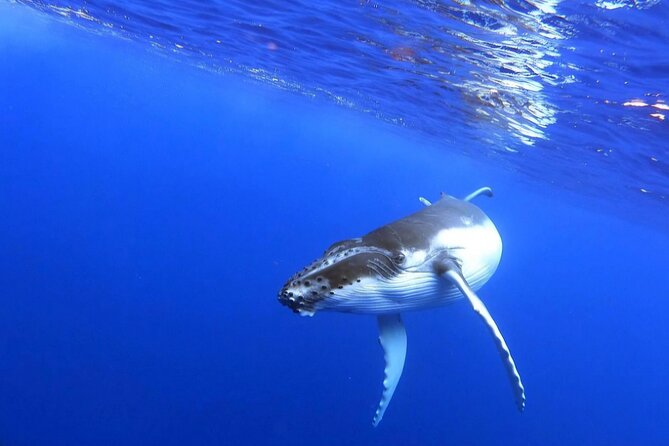
This tour is flexible in a smart way: you can watch whales from the boat, and you can also snorkel if conditions permit.
Here’s the key part for planning: launching into the ocean requires real comfort and ability. You’ll need to be comfortable with fins and a snorkeling mask, and you must be able to climb back up the boat ladder after you swim. If the guide decides sea conditions aren’t safe for launches, you’ll likely stay onboard and enjoy the whale viewing instead.
There’s also an age note: ocean launches are for people more than 15 years old. That doesn’t mean kids can’t enjoy the trip overall, but it does mean the ocean snorkeling part may not be available for younger guests.
Finally, for ocean launches you should be able to swim about 300 meters autonomously. In plain terms: this isn’t a gentle shoreline snorkel. You’re swimming in open water with fins, guided and supervised, but you still need your own stamina.
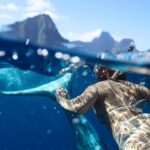
The payoff is real, though. When the sea cooperates and whales are close, guided snorkeling can turn a boat sighting into a hands-on, sensory encounter—hearing whale activity and watching behavior up close.
Gear and comfort: what you’ll use and what you should bring
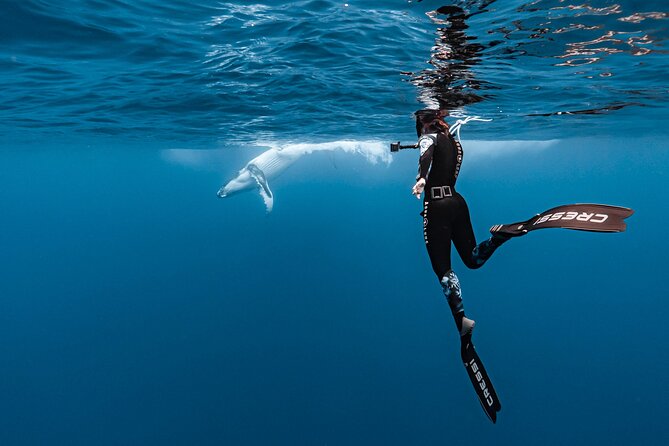
The tour provides snorkeling gear, including wet suits and snorkel equipment. That’s a big value point because it saves you from renting and guessing. You’ll still want to bring the basics that make you comfortable for a 4-hour day: swimwear under your clothes, sun protection, and water for before/after (drinks are part of the experience flow).
What you should focus on most is comfort with the gear. If you’re not used to fins and a mask, practice at home if you can. Past guests strongly stress that being able to swim well with fins is part of what makes the day work.
If the ocean is choppy, wet suits help with comfort, but they won’t stop waves. If you’re sensitive to motion, plan accordingly.
Wildlife bonuses beyond humpbacks
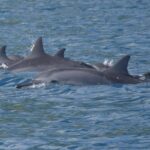
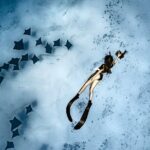
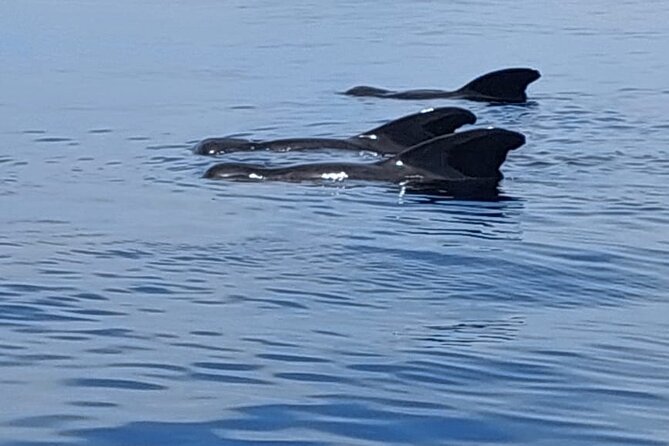
Humpbacks are the headline, but the ocean often adds supporting characters. Depending on the day, you may encounter dolphins, turtles, skates, and even sharks.
The best part is that these sightings are not treated like a separate activity. They’re worked into the same search and watch plan. So when you’re scanning for whale behavior, you’re also keeping your eyes open for other marine life surfacing nearby.
That’s one reason small-group tours can feel richer. When someone spots something, the guide can react and reposition quickly without turning it into a crowded scramble.
Price and value: is $230.78 a fair deal?
At $230.78 per person, this isn’t the cheapest thing on Moorea. The good news is that the price lines up with what you’re actually paying for: a professional crew, a small group cap (max 6), and guided snorkeling supervision when conditions allow.
In whale watching, the real costs are time and risk management. A captain can’t just aim for a place and guarantee whales. He has to search, reposition, and prioritize safety. Add in the fact that snorkeling launches require planning around sea state and your ability to swim and climb back aboard, and you’re looking at a tour that needs real staffing and gear readiness.
If you want a quiet, focused whale day with a high attention-to-detail team, the value makes sense. If you’re hoping for a guaranteed swim no matter what, it’s worth knowing that the sea and whale behavior decide the plan.
Weather strategy: how to improve your odds on Moorea
Moorea weather can change fast, and whales don’t always do their best performance on schedule. One of the smartest tips is to book more than one outing if your schedule allows—so you have a better chance of hitting a day when conditions support both great viewing and safer water time.
Even with great guides, you can’t control wind or swell. Some days bring rougher water and reduced visibility underwater, which can limit how close you can swim or whether the guide chooses to launch.
So I recommend treating this like a “go with the ocean” experience. Plan for patience. Bring a flexible mindset. And if you can, give yourself a second chance on another day.
Who this tour fits best (and who should skip it)
This is an excellent fit if you:
- Can swim confidently with fins and a snorkel mask
- Are comfortable in open water and handling boat ladder climbs
- Want guided whale watching with real supervision, not a casual outing
- Prefer a small group vibe (max 6) and a calmer pace
It may not be the best fit if you:
- Don’t feel confident swimming the required distance for ocean launches
- Are very uncomfortable in choppy conditions
- Want a guaranteed in-water experience regardless of sea state
If you’re the “I’ll swim only if it feels right” type, that approach can work here. The day’s whale viewing from the boat is still the core value, and you can make a call based on what the sea is doing that morning.
Should you book Lagoon Vibes for whale watching and snorkeling?
If you want the best shot at a respectful, high-quality humpback experience in Moorea, I’d book this—especially because the team is small-group focused and led by Ivy with Captain Christoph running the boat. The combo of guided safety plus an actual whale-finding approach makes it feel professional without losing the personal touch.
I’d hesitate only if your health or comfort limits you from ocean-launch snorkeling, or if you’re after a guaranteed snorkel no matter what. This is weather-dependent and fitness-dependent by design.
If you can handle fins, swim distance expectations, and the ladder climb, you’ll likely come away with the kind of memory that makes Moorea worth the trip even if the day isn’t perfectly calm.
FAQ
Where do we meet for the tour?
You meet at Quai des croisières, Moorea, French Polynesia (G56J+9VV). The tour ends back at the same meeting point.
How long is the whale watching and snorkeling experience?
It lasts about 4 hours.
Is snorkeling required?
No. You can observe whales from the boat, and snorkeling is offered only if sea conditions and whale behavior allow, with supervision by an aquatic guide.
Who can join ocean snorkeling launches?
Ocean launches require being more than 15 years old, and you must be comfortable with fins and a snorkeling mask.
What fitness level is needed for launching into the ocean?
You should have a strong physical fitness level and be able to swim about 300 meters autonomously for ocean launches. You also need to be able to climb back up the boat ladder.
How big is the group?
The maximum group size is 6 travelers.
What happens if weather is bad?
This experience requires good weather. If it’s canceled due to poor weather, you’ll be offered a different date or a full refund.
(Optional) quick decision checklist
If you can swim well with fins, handle open-water conditions, and follow instructions confidently, this is a high-value way to chase humpbacks in Moorea with a team that takes whale welfare seriously. If either the swim/ladder part feels questionable, prioritize the boat viewing option and save your energy for another Moorea day.