REVIEW · MOOREA
Private Whale Watching Adventure in Mo’orea
Book on Viator →Operated by Aimeho Private Escapes · Bookable on Viator
One of your best chances to swim with humpbacks. This private whale-watching trip in Moorea is built around respect and safety, with guides who explain what you’re seeing and why the rules matter. I love how Teoni (guide) and captain Julien stay focused on finding whales without turning it into a crowded zoo.
You also get real value in the “private” format: you can usually spend more time with the animals and less time reacting to a big group. The one thing to consider is that swimming with humpback whales takes moderate physical fitness, and there are moments when you may have to stay on the boat for safety or because whales move.
In This Review
- Key highlights before you go
- A Private Whale Day in Moorea: How the 8:00 Start Works
- Finding Humpback Whales Without Rushing Them
- Snorkeling With Teoni and Captain Julien
- Swim or Stay on the Boat: Fitness and Comfort Tips
- Respect and Safety Rules That Actually Change the Day
- Price and Value: What $1,821.96 per Group Really Means
- Should You Book This Private Whale Watching Adventure?
- FAQ
- What is the meeting point for the whale watching adventure?
- What time does the tour start?
- How long is the tour?
- Is this a private tour?
- How many people can be in the group?
- What’s included in the price?
- What should I bring since towels and sunscreen aren’t included?
- Do I have to swim, or can I watch from the boat?
- Is there a physical fitness requirement?
- What happens if weather is poor or I need to cancel?
Key highlights before you go
- Private time with fewer distractions so you can focus on the moment, not the crowd.
- Teoni + captain Julien guide the search and the on-water moments with clear communication.
- Snorkeling gear is included, plus soda/pop and bottled water for the outing.
- Safety-first regulations can mean extended searching or staying on the boat.
- Weather reality: overcast, rain, and wind can affect visibility, and rain gear may help.
A Private Whale Day in Moorea: How the 8:00 Start Works
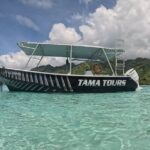
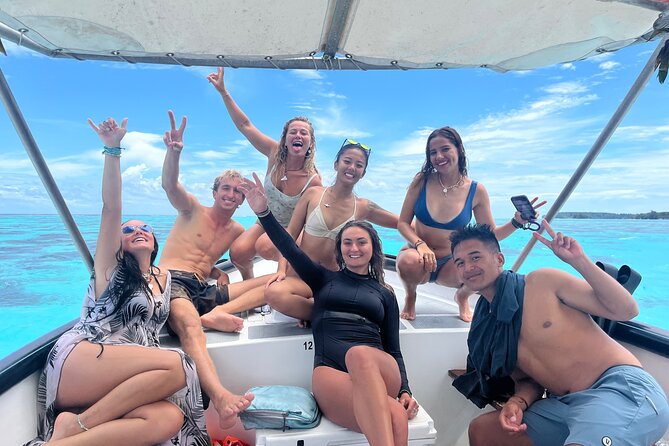
Your day begins at Plage de Tiahura in Moorea, with pickup and drop-off at the same meeting point. The start time is 8:00am, and the activity runs about 6 hours total. This is set up as a true private outing, so only your group goes out with the captain and guide—no mixing with strangers.
You’ll receive a mobile ticket, which is handy because you’re already dealing with sun, salt water, and a bag situation. It also helps that the meeting area is near public transportation, in case you’re not using private transport. Just note that private transportation isn’t included, so you’ll want a plan to get yourself to Plage de Tiahura on time.
Because the start is early, you’re not spending your best whale hours stuck in traffic or waiting for late arrivals. And starting in the morning tends to make the day feel smoother, especially if weather shifts later. You’ll likely spend the first stretch listening to the safety briefing and learning what to look for before you ever get near the water action.
If you’re traveling with a small group—up to 6 people—this setup can be a sweet spot. The outing is priced per group, not per person, so the “private” part can still feel reasonable if you’re splitting costs with family or friends.
You can also read our reviews of more tours and experiences in Moorea.

Finding Humpback Whales Without Rushing Them
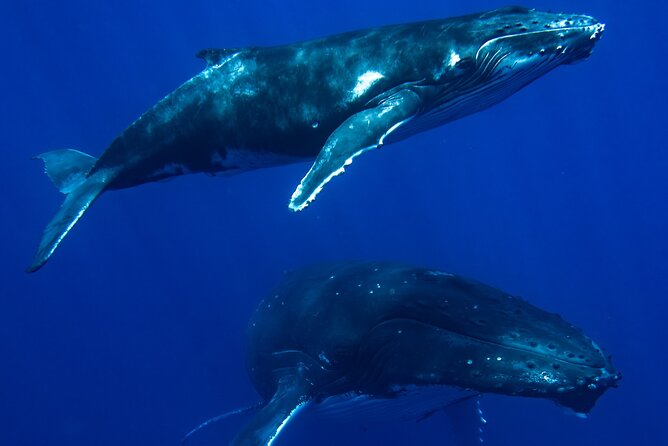
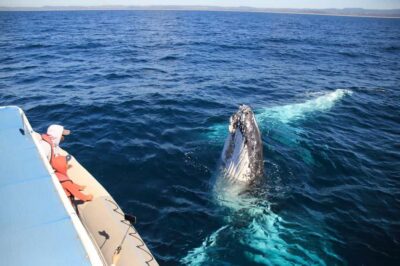
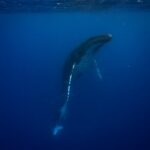
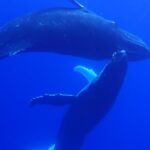
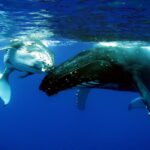
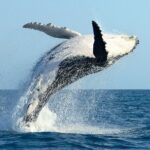
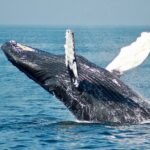
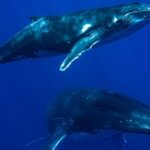
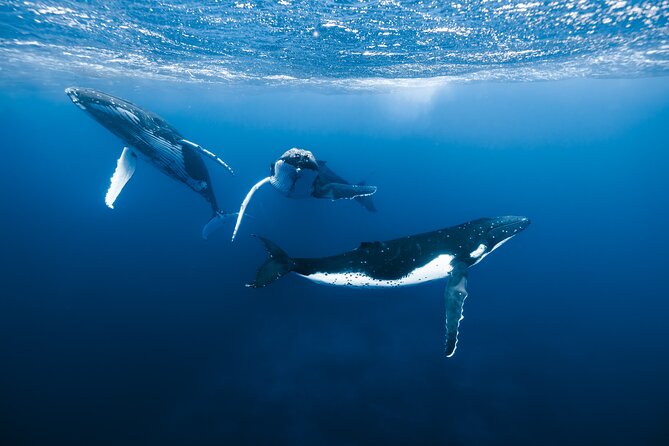
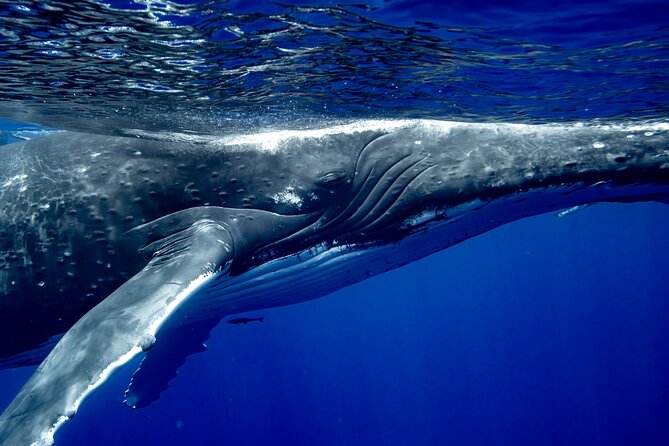
This whale watching trip is built around the reality of wild animals. Your captain and guide search for humpback whales in their breeding grounds, and you’re not on a fixed script where a time slot magically equals a whale sighting. That means you may have extended search times if conditions aren’t right or whales keep moving.
Here’s what I like about this approach: the day isn’t treated like a checklist. The captain and guide can adjust the plan based on whale behavior and safety. Sometimes that adjustment means staying on the boat instead of getting in the water right away—or at all on a given day. That’s not a “surprise” you want, but it is part of the operation and it’s the reason the whales keep showing up in the first place.
The guide’s job is more than spotting. They explain what’s happening as you go—what you’re seeing, why the whale presence matters, and how the local rules are designed to reduce impact. I find that makes the experience feel bigger than just swimming. You’re not only chasing a thrill; you’re learning how to share the space.
Visibility can also change your day. One outing described overcast skies, rain at times, and wind that created larger swells, which made it harder to see over the waves. Even then, the crew did their best to get the group up close when possible. If the ocean is choppy, the trip still runs. You just might need a little more patience—and a more flexible mindset.
Snorkeling With Teoni and Captain Julien
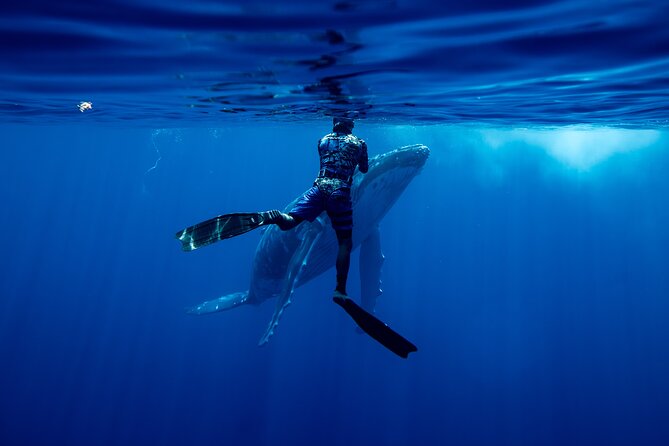
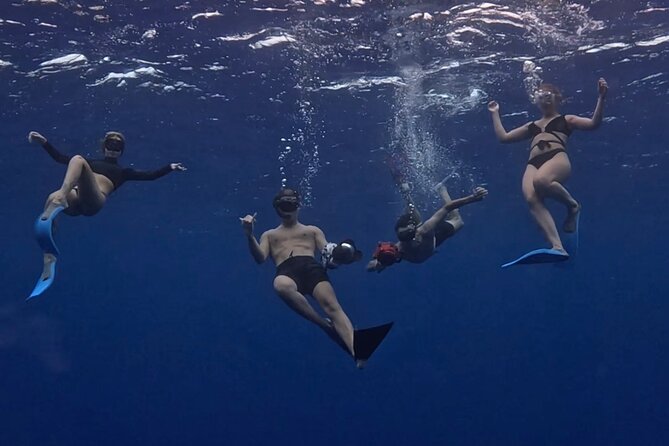
The core of this experience is the on-water interaction. You’re provided snorkeling equipment, so you don’t need to bring a full setup. You’ll also get soda/pop and bottled water during the outing. Those small extras matter because they keep you from turning a whale day into a shopping run.
What really makes the difference is how the captain and guide run the moments around the whales. In particular, Teoni is singled out for being attentive, calm, and good at reading the situation, with a real eye for spotting whales. Captain Julien also comes up in feedback as the kind of skipper who can find whales and keep things organized.
You’ll be briefed on what to do once whales are nearby. The briefing is not just “rules for rules.” It’s about timing and safety. When humpbacks are in the area, your guide is looking at distances, whale behavior, and whether the group can safely enter the water. In practice, that means you might not always get a full swim session, even if whales are around. The operation prioritizes minimizing disruption.
The nice part of going private is that you don’t have to push your body to keep up with a crowded group schedule. You can move at a pace that matches your comfort level. You also get better odds of understanding what your guide is doing and why, because the guide isn’t splitting attention across multiple boats and dozens of swimmers.
If you’re nervous about getting in, you’re not forced into it. The trip is designed so you can observe from the boat instead, which is a real plus for people who want the experience but aren’t ready for the swim component on that day.
Swim or Stay on the Boat: Fitness and Comfort Tips
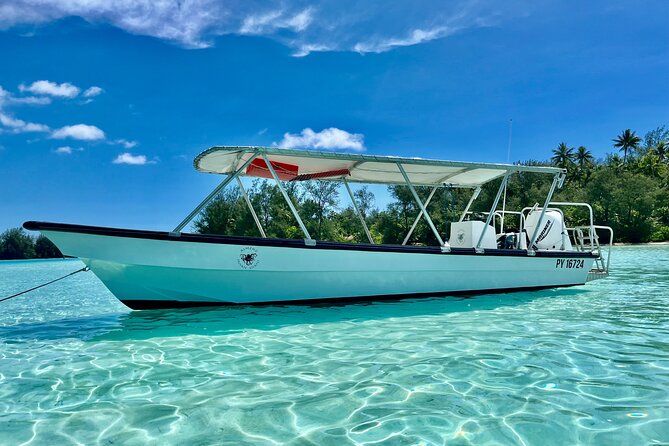
Swimming with whales is not a casual add-on. The activity requires some physical aptitude, and the operator specifically notes that you should have a moderate physical fitness level. That doesn’t mean you need to be an elite athlete, but you should be comfortable with ocean conditions and being in the water long enough for the experience to work.
The other side of that coin is freedom. You can choose to swim or watch from the boat, depending on your comfort and the situation. This flexibility is important because conditions can change fast—wind, rain, and swells can make water time more tiring than you expect.
Comfort planning is part of your success here. The trip includes snorkeling equipment, water, and soda/pop, but you’ll need to handle the basics that aren’t listed as included:
- Towels
- Sunscreen
And since weather can shift, I’d also plan clothing that dries fast and doesn’t fight you after the water time. One memorable outing included rain gear to help people stay warm when the day was overcast, rainy, and windy. Even if you don’t need the rain layer, you’ll be happier with a plan for getting dry afterward.
What about sea-sickness? The data doesn’t spell anything out beyond the fact that wind can create larger swells. So I’d treat that as a reason to be prepared: bring what you normally use, and keep your eyes on stable points when the boat is moving.
Finally, build a little mental wiggle room. Sometimes you’ll swim. Sometimes you’ll watch. The goal is safety and respect for wild animals. If you go in expecting a perfect script, you’ll feel disappointed. If you go in expecting an adaptive day, you’ll likely enjoy it more.
Respect and Safety Rules That Actually Change the Day
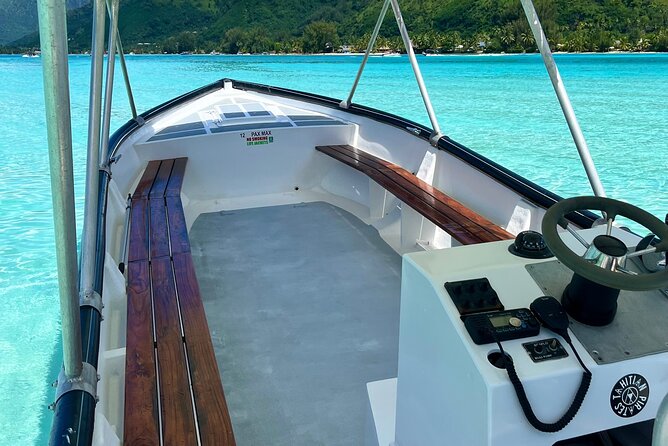
This experience takes “respect” seriously, and you can feel that in how the trip operates. The tour notes that regulations exist to minimize impact on the mammals and that humpback whales are wild animals in their natural habitat. That’s why extended searching can happen and why the guide may require your group to stay on the boat in certain situations.
This is one of those times where the safety side is not a buzzword. It affects outcomes. If whales are behaving in a way that makes it unsafe to enter the water, you don’t force it. If weather creates swells that make it hard to see and manage distances, the crew may adjust what you do.
I also like that the guides brief you on what you need to know about the whales, including their history as part of the explanation. Even though you’re there for the swim, you’re also learning how humpback whales are treated in a way that reduces stress on the animals.
One practical benefit of this safety-first approach is reduced crowd impact. Private groups mean fewer bodies in the same space, and less risk of scaring whales off. In plain terms: fewer people can be better for whales and for your own odds of getting a meaningful moment.
So yes, the rules might limit what you do on the day. But those rules are the reason this kind of experience is even possible at all.
Price and Value: What $1,821.96 per Group Really Means
The price is $1,821.96 per group for up to 6 people. That’s not cheap if you’re going solo, obviously. But for a small group, private can become far more reasonable. If you split six ways, you’re effectively paying a lot less per person than the headline number suggests.
I also think it’s worth factoring in what’s included and what’s not. Included are snorkeling equipment, soda/pop, and bottled water. Not included are towels and sunscreen, plus private transportation to the meeting point. You’ll still need to cover those items yourself, which is normal for a water tour.
There’s another value angle that doesn’t show up on a receipt: private time. You’re not competing with a crowd for attention from the captain and guide. You can spend more time with the whales because the operation isn’t trying to rotate multiple groups through the same narrow window.
Timing matters too. The tour is booked about 119 days in advance on average, so if you want a specific date, don’t wait until the last minute. Moorea is popular, and whale conditions are weather and animal-dependent. Booking early helps you line up your ideal day without scrambling.
Cancellation is also flexible. The experience has a weather dependency, and if it’s canceled due to poor weather, you’ll be offered another date or a full refund. For your own planning, that reduces risk when you’re building an itinerary around a handful of activities.
Should You Book This Private Whale Watching Adventure?
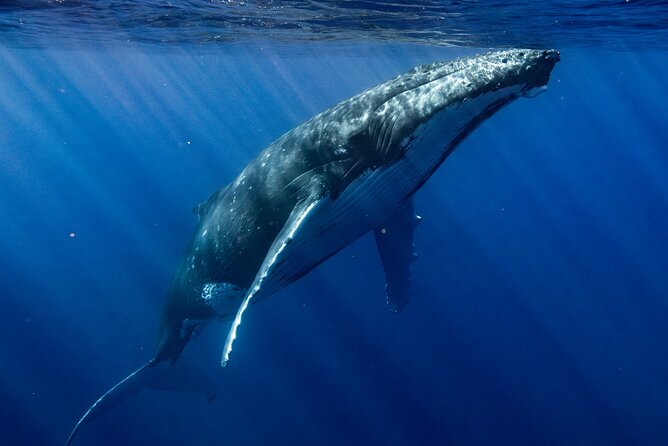
Book it if you want a whale experience that feels controlled and respectful, with room to breathe. The private format matters. If your priority is maximizing time with humpbacks and keeping the vibe calm, this matches that goal well.
It’s especially a good fit if:
- You can split the group cost with up to 6 people.
- You’re comfortable with a moderate fitness requirement for swimming options.
- You like guided learning, not just sightseeing.
- You’d rather have a focused captain and guide than share attention with many people.
I’d hesitate if:
- You’re expecting a guaranteed swim no matter what. The operation may require staying on the boat for safety or if whales aren’t in a workable position.
- You want a totally casual, low-physical-effort activity. This one includes water time, rules, and ocean conditions.
If you do book, pack smart, show up early, and keep expectations flexible. The best part of this day is not forcing a moment. It’s sharing the whales’ space with guidance from Teoni and captain Julien, and letting the day unfold when the whales decide to show themselves.
FAQ
What is the meeting point for the whale watching adventure?
The tour starts at Plage de Tiahura in Mo’orea, French Polynesia (near G32P+X34).
What time does the tour start?
The start time is 8:00am.
How long is the tour?
The duration is about 6 hours.
Is this a private tour?
Yes. It’s a private activity, and only your group will participate.
How many people can be in the group?
The price is for up to 6 people per group.
What’s included in the price?
Included are snorkeling equipment, soda/pop, and bottled water.
What should I bring since towels and sunscreen aren’t included?
Plan to bring towels and sunscreen yourself. Private transportation is also not included.
Do I have to swim, or can I watch from the boat?
You can observe from the boat if you prefer not to swim.
Is there a physical fitness requirement?
Yes. The activity requires moderate physical fitness for those who want to swim, and there are regulations in place to support safety.
What happens if weather is poor or I need to cancel?
The experience requires good weather. If it’s canceled due to poor weather, you’ll be offered a different date or a full refund. You can cancel for a full refund up to 24 hours in advance. Confirmation is received within 48 hours of booking, subject to availability.