REVIEW · MOOREA
Swim in Moorea with Humpback Whales and More
Book on Viator →Operated by MOOREA MOANA TOURS · Bookable on Viator
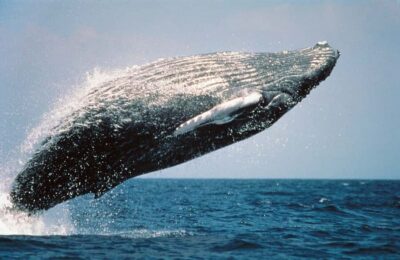
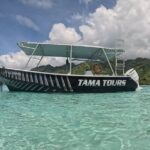
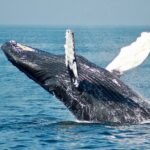
Whales, close enough to feel real. This Moorea outing is built around humpback whales during their migration, with the rare option to get in the water when conditions are judged safe and respectful. I especially like how it’s run with small-group focus and a clear wildlife-first mindset.
I also like that water entry isn’t guesswork. A biologist watches the whales’ surface activity first, then decides when it’s safe and non-invasive for both the whales and you. One thing to consider: this activity is only offered during a strict window, July 20 to Nov 20, and it’s weather dependent—so plan around that.
In This Review
- Key highlights you’ll care about
- Why Moorea lets you swim with humpbacks (and why the dates matter)
- Your 4-hour rhythm: pickup, briefing, whale watching, then snorkel time
- Biologist rules: how safety and respect actually work
- What you might see: calves, singing, heat runs, and whale play
- Dolphins and sharks: the bonus wildlife factor you shouldn’t ignore
- Snorkel comfort: wetsuits, gear, and what to pack for a 4-hour sea day
- Price and value: what $412.98 gets you (and why it’s not a bargain hunt)
- Who should book this, and who might want to pass
- Should you book Swim in Moorea with Humpback Whales and More?
- FAQ
- When is swimming with humpback whales allowed on this tour?
- How long is the tour?
- What’s included with the price?
- Where does the tour start and end?
- How many people are in the group?
- What should I bring?
- What happens if weather is bad?
Key highlights you’ll care about
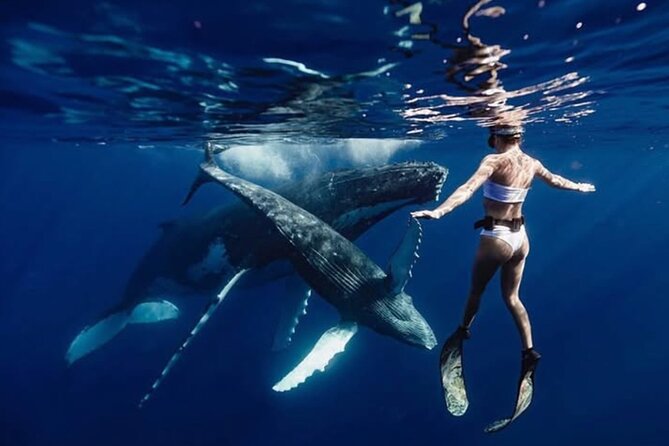
- Biologist-led water rules: you enter only after the on-board specialist checks whale behavior and safety.
- Small-group feel: capped around 8 people (and listed up to 6), so it’s not a floating crowd.
- Seasonal access: swimming with humpbacks is only allowed during July 20–Nov 20.
- What you might spot: mom and calf, heat runs, singing whales, sleeping whales, and whale play.
- More wildlife than just whales: spinner dolphins, rough-toothed dolphins, pilot whales, beaked whales, plus silky sharks or oceanic whitetip sharks.
- Comfort setup included: snorkeling gear, wetsuits (XS to 4XL), fruits, snacks, and beverages.
Why Moorea lets you swim with humpbacks (and why the dates matter)
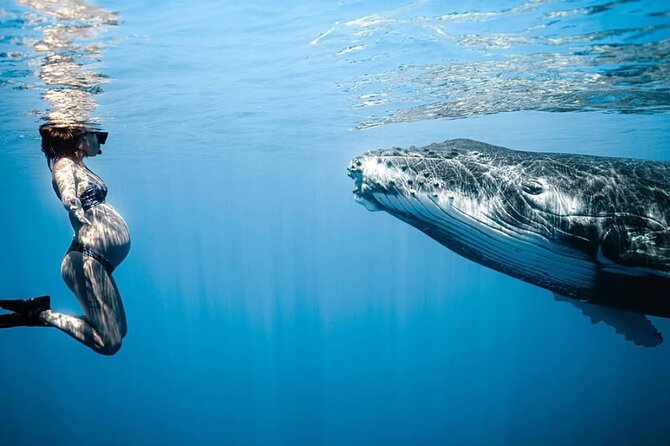
If you want humpback whales up close, French Polynesia is one of the few places where you can do it in a way that’s guided by strict rules. The big catch is timing. The season for this specific water-swimming experience runs July 20 through Nov 20, which lines up with when humpbacks migrate and some come to the islands.
That date window isn’t trivia. It’s the difference between a regulated, wildlife-respect approach and a situation that’s against local rules. The whole experience is structured around giving the whales space for normal behavior—mating, birthing, and migration—while still letting you observe what’s happening.
I like that the operation is upfront about this. It means you’re not buying a vague promise of whales. You’re booking a seasonal program with a purpose: safety first, then connection.
You can also read our reviews of more tours and experiences in Moorea.
Your 4-hour rhythm: pickup, briefing, whale watching, then snorkel time
The tour is about 4 hours total, and it typically starts with hotel pickup and drop-off. From there, you’ll head out with a guide and enjoy live commentary on board so you’re not just staring at water and hoping for magic.
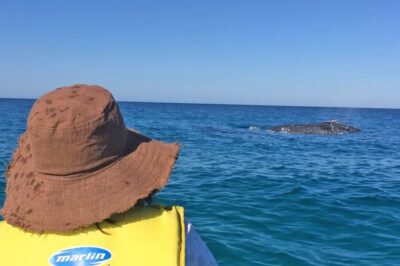
The day’s pacing is built around whale behavior. The moment you go out, you’re looking—watching how whales are surfacing, moving, and interacting. When conditions line up, the biologist gives the go-ahead, and you snorkel in the area where whales are active.
This format matters because humpbacks don’t run on human schedules. You’re not being rushed from one stop to another just to check boxes. You’re staying with the wildlife as it does what it does naturally, and that’s why this kind of trip can feel so different from a standard sightseeing cruise.
Biologist rules: how safety and respect actually work
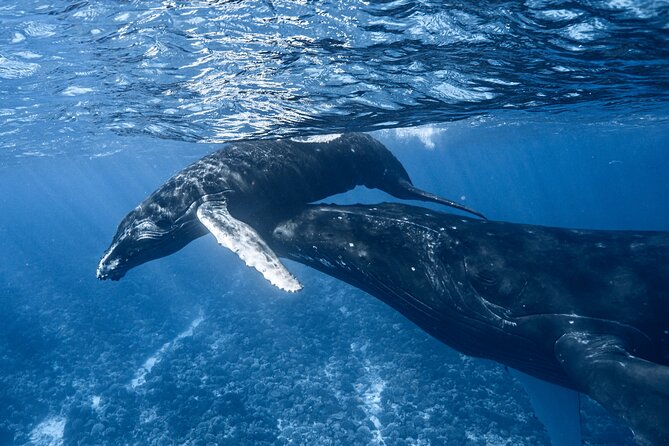
Here’s the key operational piece: you don’t just jump in when whales appear. The team’s process is deliberate. A biologist on board observes whale surface activity first and only then decides it’s safe and non-invasive for you and for the whales.
That matters for a practical reason. Snorkeling with whales is exciting, but it also has risk. The biologist’s job is to interpret behavior cues you might miss—like whether the whales seem to be comfortable with nearby movement, or whether they’re doing something that suggests you should stay out.
It also matters ethically. Humpback whales are there for life processes—birthing and mating behaviors happen during this season. A good operation doesn’t treat whales like props. It treats them like living animals with their own routines.
If you’re the type who appreciates rules that protect animals, you’ll feel comfortable with the structure here. If you’re hoping to get in no matter what, this program isn’t that kind of experience.
What you might see: calves, singing, heat runs, and whale play
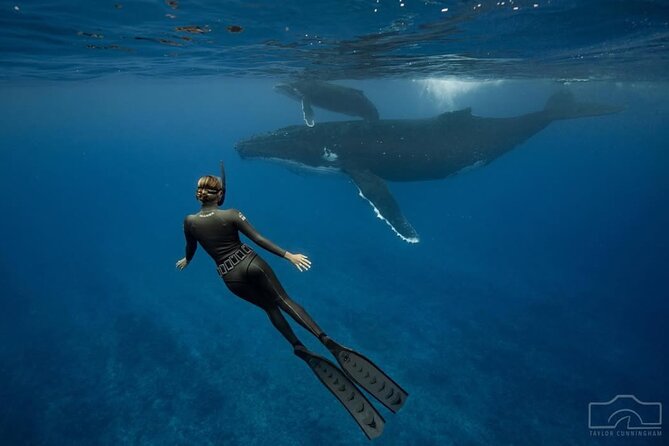
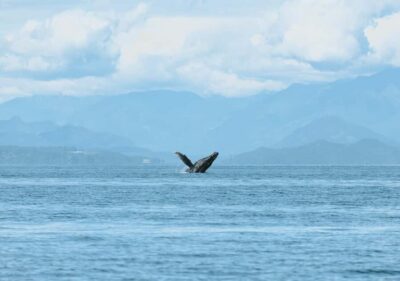
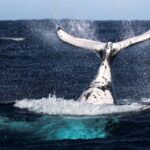
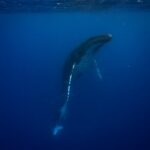
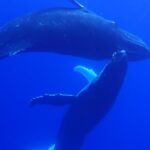
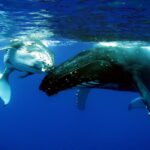
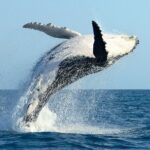
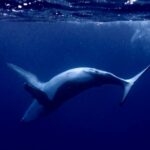
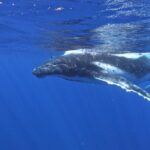
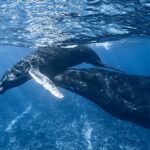
During the migration season, humpbacks can show different behaviors—and this tour is designed to take advantage of that variety. You may encounter mom and calf, watch heat runs, hear/see singing whales, spot sleeping whales, and even observe playing whales.
In plain terms, this is why the experience can be memorable even if you’ve seen whales before. You’re not only looking for a single “wow moment.” You’re looking for the kind of behavior that tells you what’s going on in their lives right now.
The tour also highlights interspecies interactions, meaning there’s a chance you’ll see whales sharing space and timing with other ocean life. That’s where your attention gets rewarded: when you stop focusing on just one animal and start watching the whole system, the ocean starts to feel like a living place rather than a view.
Dolphins and sharks: the bonus wildlife factor you shouldn’t ignore
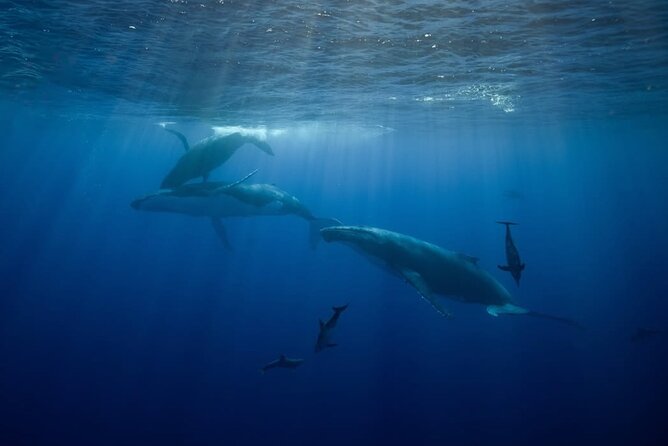
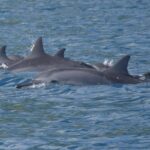
The humpbacks are the star, but the itinerary is built for more. Depending on what’s around that day, you could see cetaceans like spinner dolphins, rough-toothed dolphins, beaked whales, and pilot whales.
You also might spot pelagic sharks such as silky sharks or oceanic whitetip sharks. Now, “might” is doing real work here. Ocean wildlife is never fully controllable. But the point is that this tour is actively looking for a range of species, not just a single animal encounter.
For you, that translates into better odds of leaving with more than one highlight. Even on days when humpback behavior is limited, your time isn’t wasted. The guide’s live commentary can help you understand what you’re seeing—what kind of movement or fin shape you’re looking for, and why certain animals show up together.

Snorkel comfort: wetsuits, gear, and what to pack for a 4-hour sea day
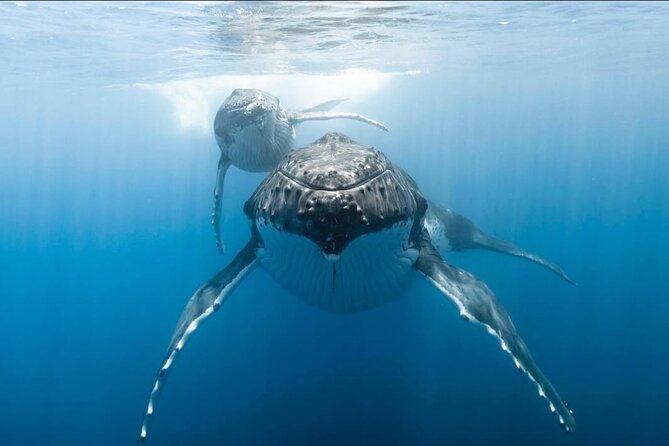
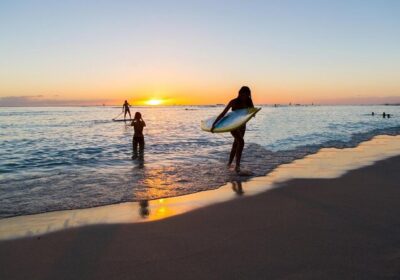
This trip includes snorkeling equipment and a wetsuit in sizes XS to 4XL, which is a huge value point. Wetsuits can be expensive to rent elsewhere, and the sizing range helps you avoid the common problem of being stuck in gear that doesn’t fit well.
You’ll also get fresh fruits, snacks, bottled water, and beverages, including alcoholic beverages. That’s not just convenience. Sea time can make you feel colder or more tired than you expect, and having food and drinks onboard helps you stay comfortable during whale waiting time.
Bring what’s recommended: swimsuit, towel, windjacket, cap/hat, and sunscreen. If it’s windy, a windjacket can save your mood fast. Sun protection matters even when you’re focused on whales, because you’re still exposed while scanning the surface.
One more practical note: the tour lists a moderate physical fitness level. That doesn’t mean it’s hard-climb terrain, but it does mean you should be comfortable with getting in the water, maintaining your gear, and staying engaged for the full session.
Price and value: what $412.98 gets you (and why it’s not a bargain hunt)
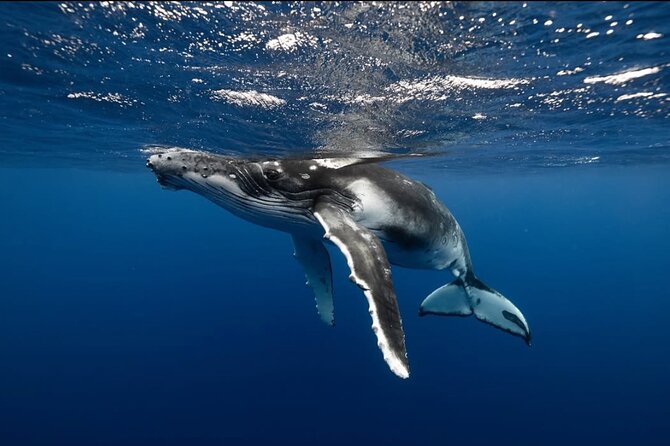
At $412.98 per person, this isn’t the kind of activity you buy on impulse. You pay for three things that most bargain tours don’t include in the same package:
1) The seasonal, regulated humpback water-swimming window (July 20–Nov 20).
2) A small-group setup focused on whale behavior, not crowds.
3) Safety and respect infrastructure, including a biologist-led decision process.
You’re also getting a lot folded into the price: hotel pickup/drop-off, snorkeling equipment, wetsuit, live commentary, food and drinks (including alcohol), plus fresh fruits and snacks.
So the value question isn’t only how much. It’s how much of the experience is handled for you. With this kind of wildlife day, your “cost” isn’t just money; it’s time, logistics, and uncertainty. The operation reduces uncertainty by staying focused on what whales are doing and by using professionals to decide when the water entry is appropriate.
If you treat whales as a once-in-a-lifetime trip (or a bucket-list upgrade), this pricing often feels more reasonable. If you’re hoping for a low-cost snorkel day with a chance of whales, you might feel sticker shock.
Who should book this, and who might want to pass
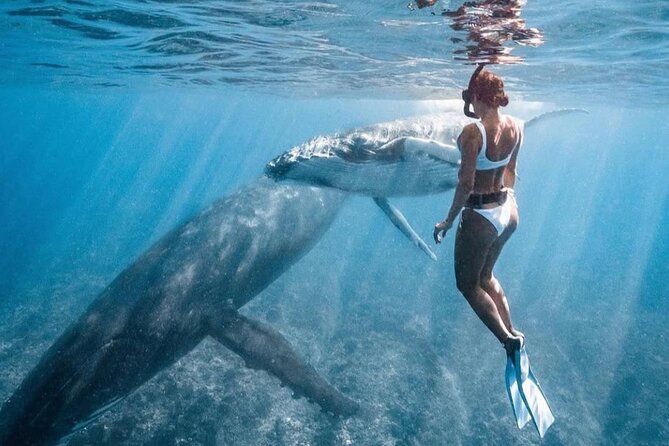
I think this is a great match if you:
- Want the real deal: humpback whales during migration, with a chance to swim when it’s approved.
- Care about wildlife-first rules and clear safety procedures.
- Prefer small groups and guided interpretation over a big tourist boat.
You might want to reconsider if:
- You’re traveling only outside July 20–Nov 20, since the experience is restricted by regulation.
- You don’t handle water-based activities well. This is set for a moderate fitness level.
- You’re expecting constant action every minute. Whale behavior drives the schedule, and sometimes you’ll wait and watch.
The age guidance also helps you plan. The minimum recommended age is 5, and children must be accompanied by an adult.
Also, pay attention to who’s running the show. One standout review praised guides Robert and Mareva for an exceptional experience, so it’s worth feeling good about the human side of the operation.
Should you book Swim in Moorea with Humpback Whales and More?
Book it if your heart says humpbacks, and you’re okay with a regulated, wildlife-respect approach. The biologist-led entry rule is a big deal, and the small-group setup is the kind of detail that can change how the whole experience feels.
Skip it if you’re booking too late in the calendar, you hate uncertainty, or you’re looking for a generic snorkel tour. This outing is specific by design: humpback whales during a set season, with dolphins and sharks as possible extras.
If your dates line up and you want a high-touch whale day in Moorea, this is one of the most logical ways to spend your time.
FAQ
When is swimming with humpback whales allowed on this tour?
This activity is only offered July 20 to Nov 20. Swimming with the whales outside of that period is against regulation.
How long is the tour?
The duration is about 4 hours.
What’s included with the price?
The tour includes hotel pickup and drop-off, a guide with live commentary, snorkeling equipment, a wetsuit (XS to 4XL), fresh fruits, snacks, bottled water, and beverages including alcoholic beverages.
Where does the tour start and end?
It starts at MOOREA MOANA TOURS, Moorea-Maiao, French Polynesia, and ends back at the meeting point.
How many people are in the group?
The tour is described as a small group with a maximum of 8 guests, and it’s also listed with a maximum of 6 travelers.
What should I bring?
Bring a swimsuit, towel, windjacket, cap/hat, and sunscreen. The tour provides wetsuits and snorkel gear.
What happens if weather is bad?
This experience requires good weather. If it’s canceled due to poor weather, you’ll be offered a different date or a full refund.