REVIEW · MAUI
The Best 8 am 1.5 Hour Whale Watching Tour
Book on Viator →Operated by Blue Water Rafting · Bookable on Viator
Whale songs can start your Maui day fast. This 8:00 am, 1.5-hour ride out of Kihei is built for quick sightings, calm south-shore conditions, and those close enough moments when humpbacks surface near your raft. I especially liked the hydrophone setup for hearing whale communication and the straightforward Kihei departure with free parking near the boat ramp. One catch to plan for: there’s no restroom on the rafts, so you’ll want to use the facilities before you board.
You also get a small-group feel (max 24 people) with friendly, safety-first crew. Guides you may run into include Angela and Rachelle, with captains like Mikey and Brandon, and they tend to mix whale facts with clear instructions so you know what to look for. The possible drawback is weather-dependent timing: the tour needs decent conditions, and while poor-weather cancellations come with a refund or alternate date, you still need to be ready for the day’s plans to shift.
In This Review
- Key Things You Should Know Before You Go
- Kihei’s 8:00 am Start: Why Morning on Maui Works
- Leaving Maalaea Bay: What Your Cruise Feels Like
- What You’ll See: Humpback Behavior and the “Safe Close” Moments
- Hydrophone Listening: When Whale Song Becomes Real
- Crew and Captains: Friendly Guidance With Real Safety Focus
- Boarding, Parking, and What to Bring for a Raft Ride
- Timing, Weather, and the “Guaranteed” Part You Can Rely On
- Price and Value: Is $97.30 a Good Deal?
- Who This 1.5-Hour Whale Watch Is Best For
- Should You Book This 8 am Whale Watch?
- FAQ
- FAQ
- What time does the tour start?
- How long is the whale watching tour?
- Where does the tour meet and depart?
- How much does it cost?
- What’s included on the tour?
- Do we get to hear whales, or is it only visual spotting?
- Is there a restroom on board?
- Are children allowed?
- How many people are in the group?
- If weather cancels the tour, do I get refunded?
Key Things You Should Know Before You Go
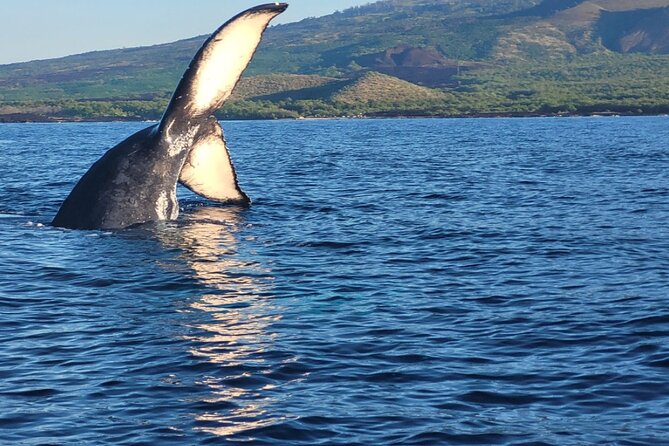
- 8:00 am departure from Kihei (Maalaea Bay): early morning often brings calm water on Maui’s south shore.
- Hydrophone in the water: you can listen to whale sounds instead of only seeing surfaces.
- Short, efficient 1.5-hour experience: designed for quick pod spotting with time for listening.
- Close encounters within about 100 yards sometimes: you may get a slightly “stretched” outing to stay safe and follow federal rules.
- Drinks included: bottled water plus juices help you stay comfortable while you cruise.
- No onboard restroom: plan your bathroom stop before boarding.
Kihei’s 8:00 am Start: Why Morning on Maui Works
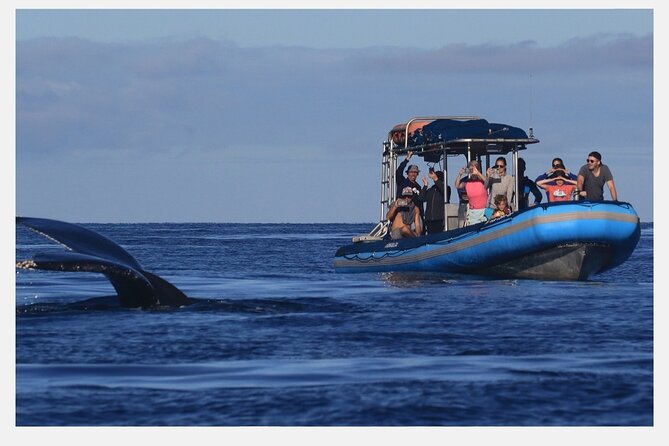
If you want whales without spending half your day on the water, this is the kind of tour that fits. The early departure (8:00 am) matters because humpbacks are commonly seen in Maui’s south-shore waters during the morning, and those first hours can feel extra smooth. The tour runs about 1 hour 30 minutes, so you get a real activity block without turning your whole day into an ocean schedule.
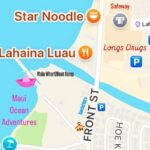
The other morning win is logistics. The tour leaves from Kihei at 2800 S Kihei Rd (the Maalaea Bay area), and the meeting point is close to parking. Free parking at the Kihei Boat Ramp is less than ten minutes from many Kihei and Wailea resorts, which helps you avoid the stress of rushing through traffic or hunting for a spot.
Another practical detail: this is an adult-focused outing. There’s a rule of no children under 4, and the max group size is 24 travelers. That small cap usually translates into less crowding at the front of the action when whales pop up.
You can also read our reviews of more tours and experiences in Maui.

Leaving Maalaea Bay: What Your Cruise Feels Like
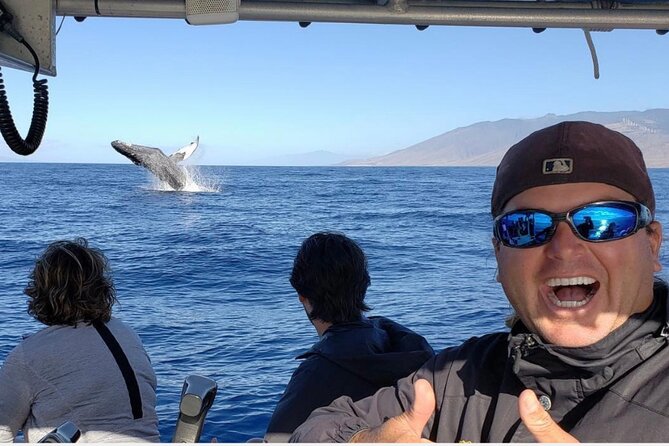
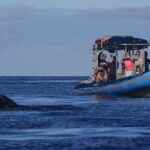
This is a fast, convenient whale watch rather than a slow sightseeing cruise. You depart from Kihei and head out on the water to locate pods quickly. The goal is simple: spot whales early, then give you time to watch behavior and enjoy the moment.
Because the tour is short, the rhythm is “find, focus, listen.” You’ll likely get your first sightings not long after heading out, and then the crew keeps scanning for additional activity. The tour is also set up for explanation while you’re cruising, so it’s not just sit and point. The captain and guide share what you’re looking at and why it matters.
One thing I like about the way this tour is structured: it’s built around a known pattern. Humpbacks are prevalent in the south-shore area during certain times, and the morning timing gives you a solid chance to catch that window. Even if you’re traveling on a schedule that can’t absorb a late start, you’re still targeting the hours when whales are often around.
What You’ll See: Humpback Behavior and the “Safe Close” Moments
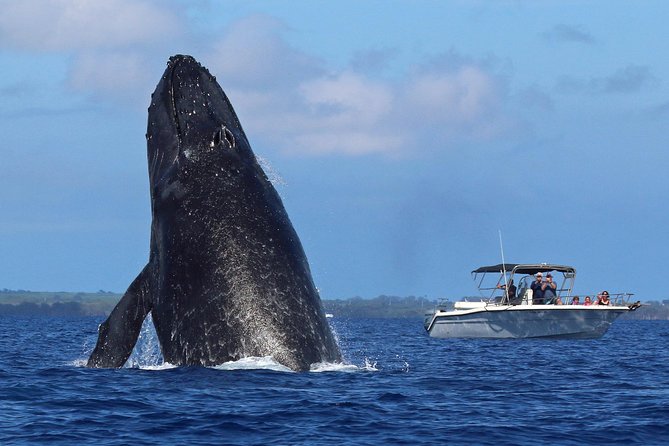
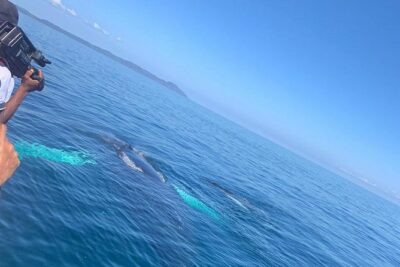
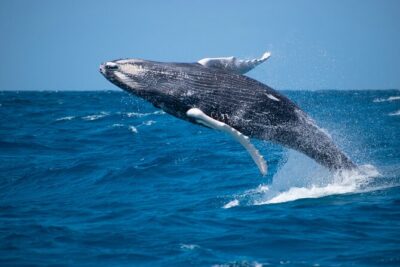
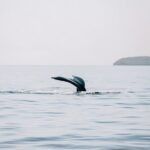
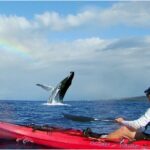
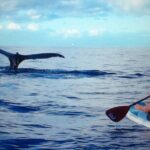
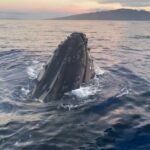
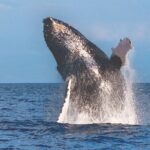
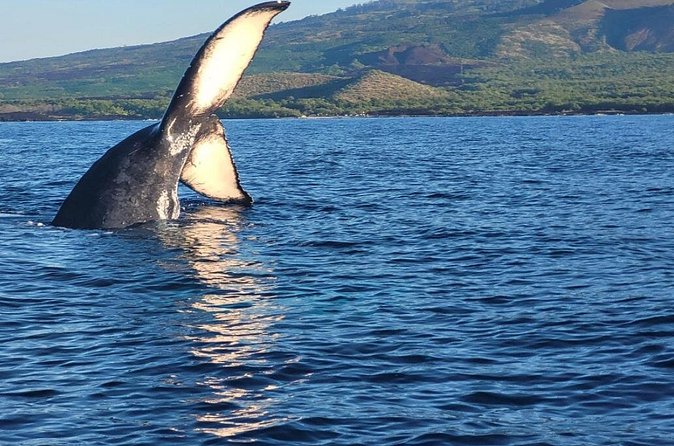
Humpbacks are big, and the best sightings feel personal without feeling reckless. Your viewing distance can vary depending on how close whales choose to surface and how conditions are running. The tour notes that close encounters of 100 yards or less can happen.
When that happens, you might notice something subtle: the crew may “stretch” the tour a bit. This isn’t just for fun or extra cruising time. It’s there to help keep the experience safe and to operate within federal regulations around whale interactions. In practice, that means the crew manages your position, waits for the right moment, and avoids crowding whales while still maximizing your time to watch.
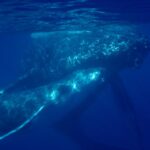
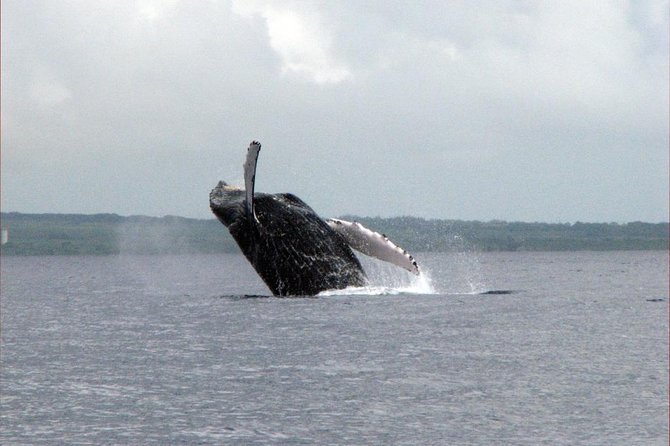
You should also expect a range of whale activity. The experience is geared toward seeing more than one type of moment: calves, adult whales, and pods moving in groups. If you’re the kind of traveler who likes seeing behavior rather than only the splash of a breach, you’ll probably enjoy how the crew points out what’s going on above and below the surface.
And yes, you might get wet. On Maui, “rare rains” can still soak you fast, and when you’re on a raft, spray is part of the deal.
Hydrophone Listening: When Whale Song Becomes Real
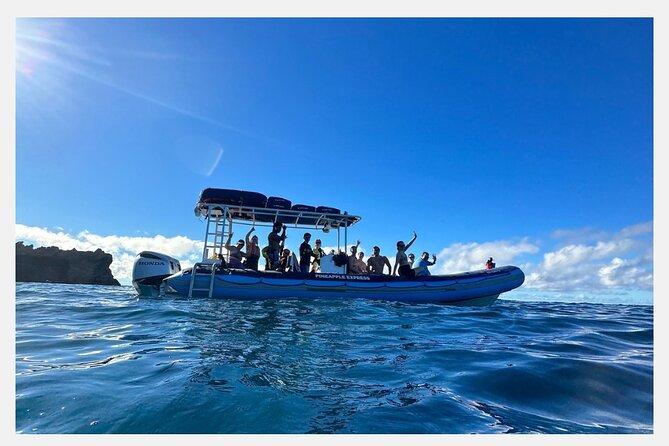
Seeing whales is exciting. Hearing them can change how you experience them.
This tour includes a hydrophone sound system and the option to hear whale communication while you’re on the water. The hydrophone is lowered into the water so you can listen to singing and calls while you watch. That matters because whales don’t only signal with visuals; sound carries information too, and the crew uses the hydrophone setup to help you connect what you’re hearing to what you’re seeing.
In real-world terms, here’s how it helps you as a visitor:
- When you spot a whale, you’re not just waiting for the next spout. You know there’s likely more going on beneath the surface.
- When whales stay around for a while, the hydrophone can add a second layer of excitement.
- When the ocean is calm, sound tends to feel clearer, making it easier to focus.
One of the best parts of this experience is the chance to sit in silence for listening. If you’re traveling with someone who loves nature, science, or just a quieter moment, this is the angle that usually makes the tour feel more memorable than a standard sighting-only outing.
Crew and Captains: Friendly Guidance With Real Safety Focus
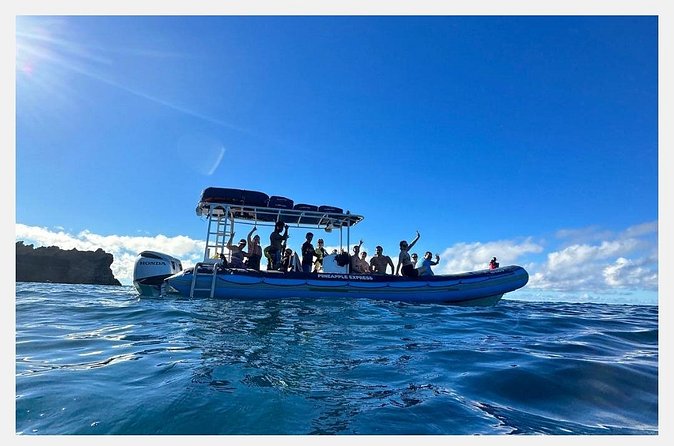
Whale watching goes way better when the crew is both friendly and confident. This tour is run by Blue Water Rafting, and it’s been operating since 1985, so they’re not new at finding humpbacks or managing conditions.
What you’ll feel during the ride is how the crew blends enthusiasm with a steady safety approach. The captain leads the nautical part, while the guide handles interpretation. You’re likely to get whale facts throughout the trip, not just a quick briefing at the start.
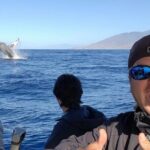
From the names that have shown up in past outings, you may hear commentary from guides like Angela or Rachelle, and you might be with a captain such as Mikey or Brandon. The common thread is that the crew keeps things upbeat, answers questions, and stays focused on whale behavior and safety rules.
Because the group is capped at 24, it’s easier for guides to manage where you are and how you’re viewing. That matters when whales are close enough to matter. You get the feeling that the crew is paying attention to both the ocean and the people on board.

Boarding, Parking, and What to Bring for a Raft Ride
This tour departs from the dock area in Kihei, and it’s designed to be easy to access. Parking is available at the Kihei Boat Ramp, generally within about ten minutes of Kihei and Wailea resorts.
Once you’re there, plan for a quick-moving process and bring the basics that keep you comfortable:
- Towels (strongly recommended)
- An extra set of clothes (spray and unexpected rain happen)
- A light layer if the morning breeze feels cool on the water
- If you wear glasses or contacts, consider what happens if you get wet
One practical note that affects planning: there’s no restroom on the rafts. That means you should use facilities before you board and avoid counting on a mid-tour stop.
Also, the tour includes bottled water and Aloha Maid juices, which is a nice comfort feature. You’re on the water for 1.5 hours, and staying hydrated makes the experience more enjoyable, especially if it’s warm or you’ve been out in the sun earlier.
Timing, Weather, and the “Guaranteed” Part You Can Rely On
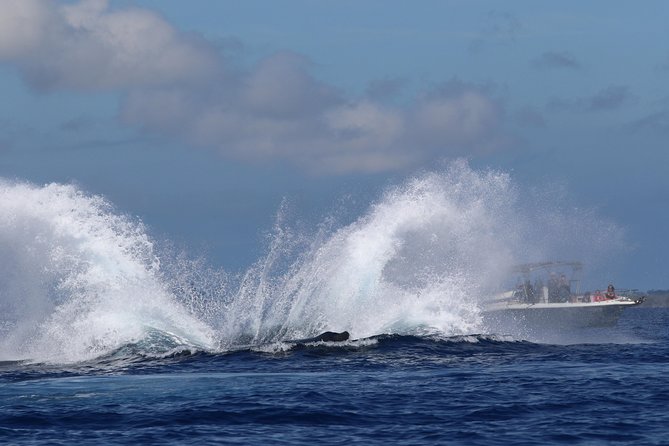
This whale watch is sold as a guaranteed 1 1/2 hours. It’s also built for south-shore conditions where humpbacks are often seen during the morning.
Weather does matter. The tour requires good conditions, but the safety approach is tied to your expectations. If poor weather cancels the trip, you’ll be offered a different date or a full refund. That’s the important part: you’re not stuck eating the cost just because the ocean turned rough.
At the same time, it’s worth planning with flexibility. The schedule can shift due to weather needs, and you’ll want to keep your day open enough to handle a reschedule option.
Finally, the tour time may adjust slightly in the event of close whale activity. That’s because the crew may extend the outing a little to operate safely and stay in line with regulations. In other words, if the whales give you a moment you won’t forget, the crew has a way to keep the interaction safe while still giving you time to watch.
Price and Value: Is $97.30 a Good Deal?
At $97.30 per person, this tour sits in the midrange of whale-watching options on Maui. The value comes from what’s included and how the time is used.
Here’s what you’re paying for beyond the basic boat ride:
- A 1.5-hour experience focused on whale spotting and viewing time
- A hydrophone system so you’re not only watching surfaces
- Bottled water and juices to keep you comfortable
- A relatively small maximum group size (24 travelers)
- An operator with decades of experience (since 1985)
Compared with cheaper tours that skip interpretation or skip sound, the hydrophone element can make the experience feel more “complete,” especially if you enjoy learning what whales are doing. Compared with pricier options that add time or higher-end extras, this tour’s main strength is that it doesn’t drag. You get a strong whale-focused outing that’s easy to slot into your Maui schedule.
The only value concern is the no-restroom reality. That’s not about quality; it’s just a planning factor. If you need restroom access frequently, you might find the outing less comfortable.
Who This 1.5-Hour Whale Watch Is Best For
This is a great match if you want:
- A morning whale experience without spending all day on the water
- A tour that emphasizes both sightings and explanation
- The chance to hear whale communication with the hydrophone
- A small-group setting (max 24) where the crew can manage viewing
It’s also a good fit for couples, first-timers, and families old enough to follow the rules (this one doesn’t allow children under 4). If you’re traveling solo, you’ll still get plenty of attention from the guide and captain—especially when you’re trying to understand what you’re seeing.
If you’re the kind of traveler who hates getting wet, plan to manage that. Spray is common on rafts, and even a light rain can mean you’ll want towels and dry clothes.
Should You Book This 8 am Whale Watch?
I think this is an easy yes for most Maui visitors—especially if you care about more than just spotting a whale. The combination of hydrophone listening, a fast Kihei departure, and a small group makes it feel efficient and personal.
Book it if:
- You’re hoping for humpback viewing in calm south-shore morning conditions
- You like learning while you watch
- You want included drinks and a short, focused time on the water
- You can bring a towel and spare clothes
Skip it or choose another option if:
- You strongly need restroom access during the trip
- You don’t have flexibility if weather forces a date change
FAQ
FAQ
What time does the tour start?
The tour starts at 8:00 am.
How long is the whale watching tour?
It runs for approximately 1 hour 30 minutes.
Where does the tour meet and depart?
The meeting point is 2800 S Kihei Rd, Kihei, HI 96753, USA, and the tour ends back at the meeting point.
How much does it cost?
The price is $97.30 per person.
What’s included on the tour?
You get bottled water and ALOHA MAID JUICES.
Do we get to hear whales, or is it only visual spotting?
The tour uses a hydrophone sound system, and the experience is set up so you can hear whale sounds while you watch.
Is there a restroom on board?
There is no restroom on the rafts.
Are children allowed?
No children under 4 years of age are allowed.
How many people are in the group?
The tour has a maximum of 24 travelers.
If weather cancels the tour, do I get refunded?
If canceled due to poor weather, you’ll be offered a different date or a full refund.