REVIEW · MAUI
2.5 Hour Whale Escape Tour
Book on Viator →Operated by Ultimate Whale Watch & Snorkel · Bookable on Viator
Whales can show up fast—or not. This 2.5-hour small-group whale watch keeps you close to the action with expert help. I like the max 6-guest size (so you’re not stuck way back), and I also like that the trip runs with a marine naturalist onboard. One drawback to watch for: some third-party listings can mix in other add-ons (like snorkeling) that may not be part of a whale-specific day, so I’d book direct and read the exact inclusions.
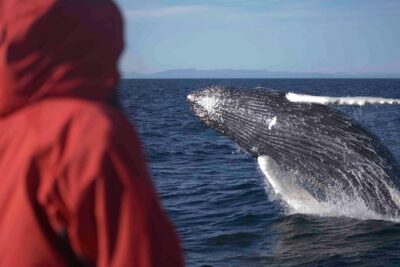
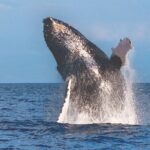
In the peak season, the payoff is clear: you’re promised whale sightings from December to April, or you can return for free. The goal is to find humpbacks in the protected Maui Nui sanctuary off Lahaina—where the water is usually warm and calm enough to make a long day at sea feel reasonable.
You’ll cruise out from Lahaina and can travel roughly 2 to 10 miles in search of whales, often with dolphins on the way. I also appreciate the practical touch: eco-minded purified water in an igloo with paper cups. If you’re pregnant, plan around it—this tour doesn’t take pregnant guests.
In This Review
- Key things that make this whale watch worth your time
- Lahaina’s whale season: why this timing actually matters
- The 2.5-hour plan: what you do once you’re on the water
- Small-group size: how max 6 changes the experience
- Who you learn from: marine naturalist talks that make spotting easier
- The humpback story: 3,000 miles for birth and mating
- Dolphins, too: how extra sightings usually play out
- The boat ride comfort details that people actually feel
- Weather realities: cancellations and how to protect your schedule
- Price and value: is $177 reasonable for what you get?
- Who should book this whale escape tour (and who might choose something else)
- Quick tips to get the most out of your outing
- Should you book the 2.5-hour Whale Escape Tour?
- FAQ
- How long is the Whale Escape tour?
- Where does the tour start and end?
- Is the tour offered in English?
- What is the group size?
- Is whale sightings guaranteed?
- Are dolphins ever seen on this tour?
- Are pregnant guests allowed?
Key things that make this whale watch worth your time
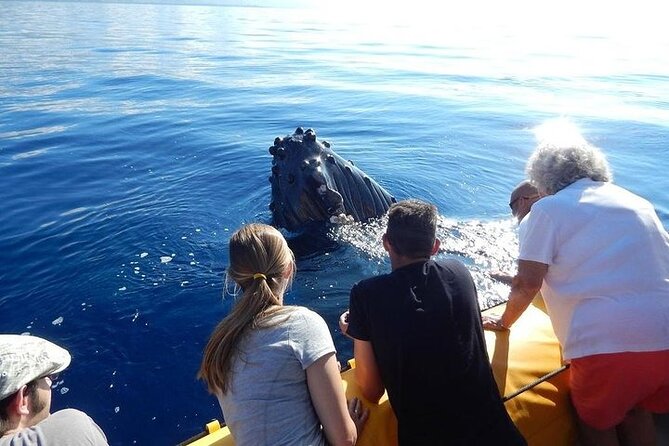
- Max 6 guests = front-row views for spotting whales without craning your neck.
- Guaranteed sightings Dec–Apr or you go again for free.
- Marine naturalist talks onboard to help you actually understand what you’re seeing.
- Local Lahaina operations since 1982, with tickets supporting marine research.
- Eco-friendly purified water served in an igloo with paper cups.
Lahaina’s whale season: why this timing actually matters

Maui’s whale watching is not just a fun boat ride. In winter, humpbacks pass through the waters near Lahaina as they head to breed and raise calves. The tour is built around that predictable window: December through April. That’s the period when they offer a whale-sighting guarantee.
So for you, the big question becomes: can you align your Maui schedule with whale season? If yes, this tour gets easier to justify. You’re paying for the chance at a real encounter, plus the assurance that the company will make it right if whales don’t show on your trip date. If you’re traveling outside that range, you might still see whales, but you should treat sightings as less certain.
The route also hints at why Lahaina works so well. The waters around Maui Nui sanctuary are described as warm and calm, which matters when you’re on a small boat and trying to stay focused on spotting spouts and tail flukes.
You can also read our reviews of more tours and experiences in Maui.

The 2.5-hour plan: what you do once you’re on the water
This experience runs about 2 hours 30 minutes and ends right back at the meeting spot in Lahaina. The structure isn’t about a long “sightseeing circuit.” It’s about finding whales and keeping you informed while you search.
Here’s the practical rhythm you can expect:
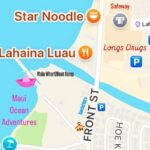
- You meet at 1229 Front St, Lahaina and get set before departure.
- You head out quickly (the tour is designed to travel fast to locate whales).
- You cruise within roughly 2 to 10 miles from Lahaina, scanning for humpbacks and looking out for dolphins.
- You stay engaged with onboard education, led by a marine naturalist.
- You return to the same meeting point once the time on the water is complete.
There’s a reason the company keeps the time tight. Whale watching is half patience, half attention. Too long and you start losing focus. Too short and you might miss the brief window when whales surface a few times and then disappear. Two and a half hours is a workable middle.
Also, the boat is described as a safe, quick vessel and designed for a smooth ride. That’s not marketing fluff—it affects whether you can actually enjoy scanning the horizon instead of spending the trip with your eyes on your own shoes.
Small-group size: how max 6 changes the experience
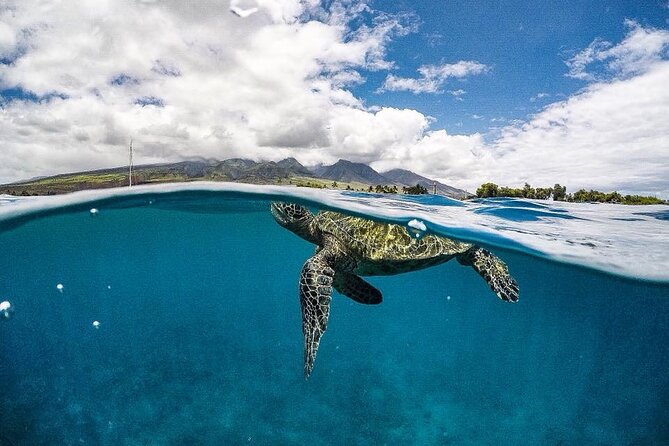
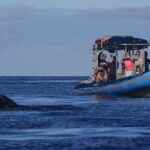
Most people imagine whale watching as a crowd scene—bundled shoulders, elbows in your ribs, and people trying to film through a forest of heads. This tour is intentionally the opposite: a maximum of 6 travelers.
That small number changes how the boat feels. You get better lines of sight, and the crew can keep watch more effectively. It’s also why they emphasize front-row seating: you’re not playing hide-and-seek behind taller passengers.
For families, that can be a major quality-of-life factor. For couples, it’s simply more comfortable. For solo travelers, it reduces the awkwardness of being surrounded by strangers who are all doing their own thing.
One note that matters for your planning: there’s no children under age 4, and there’s no pregnancy allowed. If you’re traveling with kids, or if you’re traveling with someone who’s expecting, you’ll need a different activity.
Who you learn from: marine naturalist talks that make spotting easier
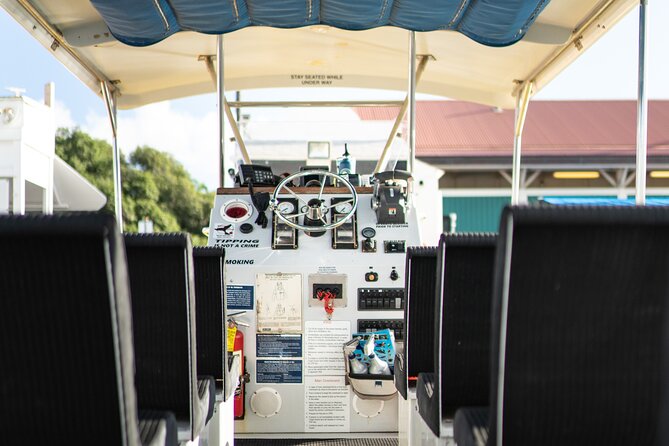
The tour includes education onboard from a marine naturalist. You won’t just be staring at water hoping for the best.
The practical value of a naturalist is simple: it helps you recognize what you’re seeing. Humpback whale behavior comes in patterns—what spouts look like from a distance, how often you might see a surface event, and what to watch for when a whale seems to pause. Even if you’re not an expert, the right explanation can turn random sightings into actual understanding.
And you’re likely to see more than whales. The tour notes that you could encounter dolphins in addition to humpback whales. With a knowledgeable guide, that becomes part of the story rather than extra noise on the ocean.
The reviews also back up that “informed and safe” vibe. One praised experience credited a captain named Amy with keeping things clear and making people feel safe, which lines up with what you want on the water: calm guidance, not guesswork.
The humpback story: 3,000 miles for birth and mating

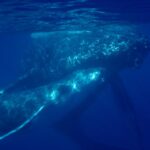
The tour description frames humpbacks as travelers—specifically, whales that have traveled around 3,000 miles from Alaska to mate and give birth in the sheltered Maui Nui area.
Why does that matter for your trip? Because it changes how you watch. Instead of thinking you’re only looking at animals, you’re watching a seasonal life cycle. That’s when sightings feel more meaningful, even if you’re just there for a great morning.
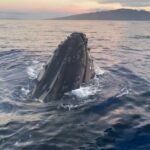
The tour is also built around what humpbacks do in a coastal sanctuary. They’re not in deep open ocean constantly. They come close enough to give you a chance at real viewing—especially when the crew finds the right area and keeps scanning.
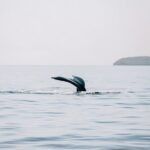
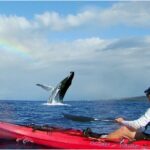
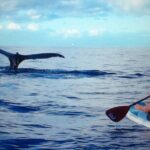
The best moments often depend on timing: a whale can surface, show a tail fluke, and then be gone again. That’s why the company’s approach—quick travel plus the ability to go a short distance offshore—is so important. You’re not trapped in one spot waiting for miracles.

Dolphins, too: how extra sightings usually play out
Sometimes the day is about humpbacks. Other times, dolphins show up first, or they appear alongside whales.
The tour openly says you could travel far enough to encounter dolphins in addition to humpback whales, and that you might be anywhere from 2 to 10 miles offshore during the search. So even if the whales take their time, you’re not only watching empty water.
For you, that means less boredom risk. If you’re the kind of person who can’t stand long stretches of “maybe,” this is a nice buffer. Dolphins also tend to give you more frequent surface moments than whales do, so your eyes stay active.
The boat ride comfort details that people actually feel
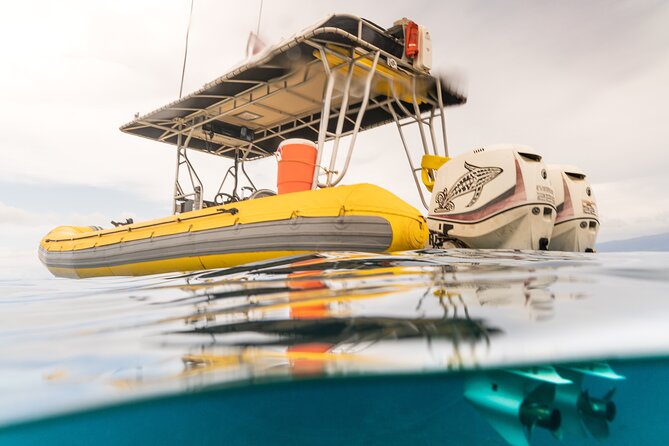
It’s easy for whale tours to ignore comfort because the viewing is the headline. This one includes a small comfort/eco touch: purified water served in an igloo with paper cups.
That matters because it’s one less thing to think about. Salt air makes you thirsty, and hot sun can sneak up on you even in cooler months. Having water on hand is basic, but it’s also practical value.
The tour also mentions a fun ride for families and emphasizes safe travel. In other words, it’s not trying to be a “tough it out” experience.
That said, one caution: since this relies on being out on the water, you should be ready for changes if conditions aren’t right.
Weather realities: cancellations and how to protect your schedule
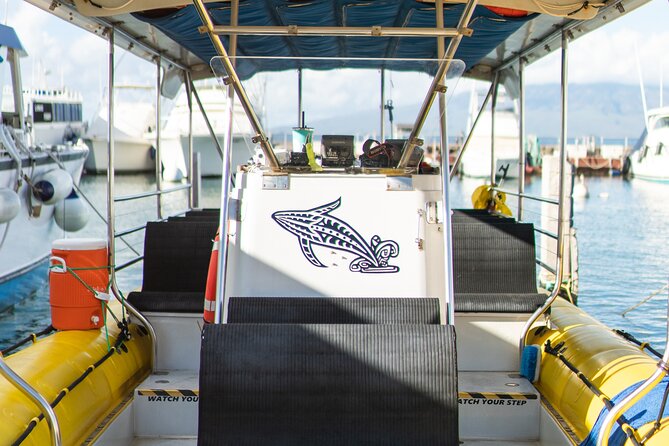
This experience requires good weather. If poor conditions hit, the tour can be canceled and you’ll be offered a different date or a full refund.
So plan like a pro: don’t schedule this as your only whale option on your last day in Maui. Add a buffer day if you can. If you can’t, understand you might need to adjust on short notice.
There’s also a lesson from a not-great experience: getting a refund can be easier when you book through the operator instead of a middle site. I can’t promise how it will go in your case, but I’d treat this as a reason to book direct for peace of mind.
Price and value: is $177 reasonable for what you get?
At $177 per person for about 2.5 hours, you’re not paying for a long list of activities. You’re paying for three things that are hard to fake:
- Small-group time (max 6) so spotting is realistic.
- A marine naturalist, so the trip is more than random waiting.
- A whale-sighting guarantee in Dec–Apr, with a free return if whales don’t show.
Then there’s the local factor. The tour is locally owned and operated since 1982, and it says ticket income supports marine research and a role as certified first responders to whale entanglements. That last part doesn’t change whether you see a whale on your boat—but it does connect your ticket to real conservation work, which you might appreciate if you’re the type who likes your tourism to leave a positive footprint.
Also, the tour is usually booked about 34 days in advance on average. That’s a hint that you shouldn’t wait until the last minute in whale season if you want the best chance at your date.
Who should book this whale escape tour (and who might choose something else)
I think this fits best if you:
- Want a focused whale hunt, not a jam-packed day with five different stops.
- Like the idea of a small boat where you can see and learn.
- Are traveling during December to April and want a stronger chance of a real whale encounter.
- Value a crew that prioritizes safety and communication (based on strong praise in reviews).
You might choose a different option if:
- You need a tour that welcomes pregnant guests (this one doesn’t).
- You’re traveling with a child under 4 (this one doesn’t).
- You don’t like schedule uncertainty and can’t add buffer time for weather.
Quick tips to get the most out of your outing
These are the little things that make a whale watch go better:
- Dress for sea air and sun. Even calm water can feel cool, and you’re out long enough to feel the heat.
- If you get motion sensitivity, plan ahead. The tour is designed to be safe and comfortable, but you’re still on open water.
- Bring your patience. Whale watching is pattern recognition. When the crew finds the right area, you’ll be glad you didn’t tune out.
- Read your exact inclusions if you booked through any third party. There was at least one case where the description didn’t match what happened, and the fix was simply booking directly and confirming details.
Should you book the 2.5-hour Whale Escape Tour?
If you’re in Maui during Dec–Apr, and you want a small-group whale watch with a marine naturalist and a whale-sighting guarantee, I’d say it’s a solid choice. The short time on the water, the focus on fast searching, and the max 6 setup all point toward a better viewing experience than the bigger, messier boats.
Book it if you want your time on Maui to feel purposeful: whales first, education onboard, and a realistic chance of dolphins too. Skip it (or double-check alternatives) if your dates are outside the guarantee season, if you need to travel with someone who’s pregnant, or if you’re bringing a child under 4.
If you’re deciding today, aim for dates that give you a weather buffer—and consider booking direct for the cleanest, most accurate trip details.
FAQ
How long is the Whale Escape tour?
It runs about 2 hours 30 minutes.
Where does the tour start and end?
The meeting point is 1229 Front St, Lahaina, HI 96761, USA. The activity ends back at the meeting point.
Is the tour offered in English?
Yes, the tour is offered in English.
What is the group size?
The maximum group size is 6 travelers.
Is whale sightings guaranteed?
Yes, there is a whale-sighting guarantee from December to April. If whales are not seen, you can go again for free.
Are dolphins ever seen on this tour?
There’s a chance of encountering dolphins in addition to humpback whales.
Are pregnant guests allowed?
No, the tour states it is unable to take guests who are pregnant.