REVIEW · MAUI
From Maalaea: Whale Watching Tour Aboard the Quicksilver
Book on Viator →Operated by Quicksilver · Bookable on Viator
Humpback season hits hard in Maui. This 2-hour Quicksilver cruise from Ma’alaea Harbor is built for fast access to whales during the December–April migration, with onboard underwater hydrophones so you can hear whale songs, not just see surface blows. I especially like the safety-first captain and crew and the way they keep the experience focused on whale behavior, not fluff. One thing to consider: whale sightings are never guaranteed, and how close you end up can depend on where the humpbacks are that day.
In This Review
- Quick hits before you board Quicksilver
- Leaving Ma’alaea: why this route makes sense for humpback whales
- The catamaran setup: shade, restrooms, and why comfort changes your photos
- Underwater hydrophones: the best reason to stop watching only the surface
- What the captain and crew commentary is really doing for you
- Two hours on the water: enough time, but plan your timing
- Seeing breaches, flukes, and fin slaps: how to get better views
- Value check: does $49.95 make sense for Maui whale watching?
- Who this tour fits best (and who should temper expectations)
- Practical tips that improve your odds fast
- The simple logistics you should know before you go
- Should you book the Quicksilver whale watch from Ma’alaea?
- FAQ
- When can you see humpback whales on this tour?
- How long is the Quicksilver whale watching cruise?
- What’s included on board?
- Are alcoholic drinks included?
- Where do I meet the tour?
- What’s the cancellation rule if weather affects the trip?
Quick hits before you board Quicksilver
- Ma’alaea Harbor start: quicker run time when whales are moving through Maui waters.
- Hydrophones on board: helps you catch the sound of whale singing below the surface.
- Drinks included: juice and sodas are part of the ticket, with alcohol sold separately.
- Shaded seating and restrooms: practical comfort on a ride that can get choppy.
- Guided whale commentary: you’ll learn what behaviors mean, so you can watch with a clearer eye.
Leaving Ma’alaea: why this route makes sense for humpback whales
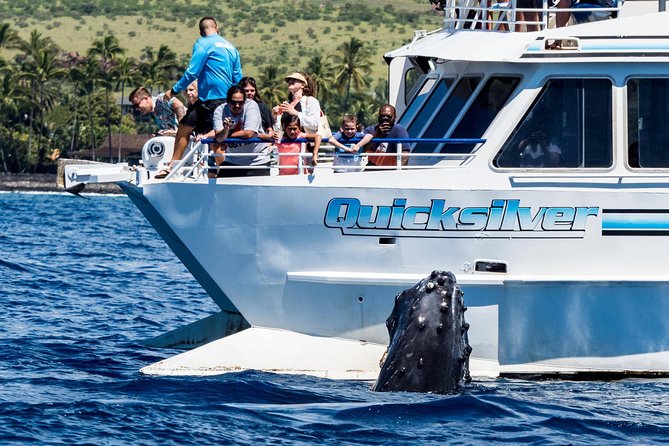
The Quicksilver tour is timed around humpbacks returning to Hawaii waters for a few months each year to mate and give birth. On Maui, that December–April window is when the “who’s here?” question becomes much easier, and you’re not relying on luck alone.
What I like about the Ma’alaea departure is the geography. Ma’alaea Harbor puts you in a good starting position for reaching whale activity without a long slog. A high-speed catamaran also helps because it can move to where the action is. You’re not just cruising in circles and hoping for the best.
This matters because humpbacks are not stationary. They travel, they surface in bursts, and then they can disappear for a bit. The captain’s job is to interpret the ocean like a map: where the whales are likely to reappear, where other boats have been spotting activity, and how to position the catamaran so more people get views.
A fair expectation-setting note: even with a strong crew, you won’t control wind, swell, or the whales’ exact path. The best “close-up” days can still vary.
You can also read our reviews of more tours and experiences in Maui.
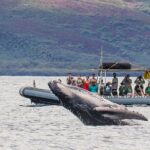
The catamaran setup: shade, restrooms, and why comfort changes your photos
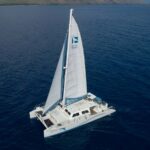
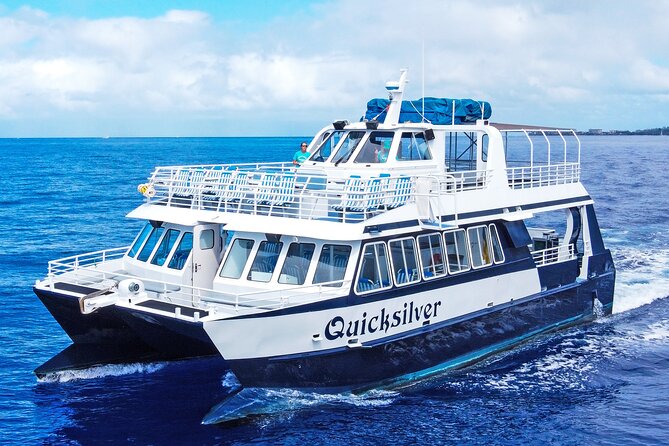
You’ll be on a double-deck power catamaran. That sounds simple, but it has real effects on your comfort and viewing. If you’re heat-sensitive or you want a calmer vibe, you can choose shaded seating inside the cabin area. If you want maximum sightlines, you’ll likely gravitate toward the open deck areas when the whales are up.
There are restrooms on board, which is huge on a ride that lasts about two hours. You don’t want to miss whale time because you’re timing a restroom trip like it’s a flight connection.
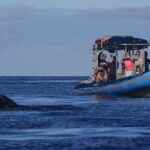
The boat also has a setup that many people seem to like for viewing. One pattern from passenger feedback is that the crew works to rotate the boat so more sides of the vessel can catch whale activity. That’s why seat choice matters here: if you’re stuck in one spot with a screen-like view blocked by rails or angle, you may see fewer moments—even if whales are nearby.
If you’re prone to motion sickness, plan ahead. A number of riders mentioned the ride can feel bumpy and that the boat’s frequent repositioning can trigger nausea for some people. I’d treat this as an “if you’re even a little sensitive, prepare” situation rather than a “maybe it’ll be fine” situation.
Underwater hydrophones: the best reason to stop watching only the surface
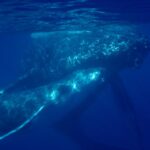
Seeing whales is the headline. Hearing them is the upgrade. The Quicksilver tour includes underwater hydrophones, so you can listen to whale songs while you watch for blows, fin slaps, flukes, and breaches.
This changes how you experience the cruise. Instead of only reacting to what breaks the water, you can connect the sound to whale behavior. You may notice that whale activity comes in rhythms—silence, then surfacing, then more movement or a quick burst—while the hydrophones add context to what’s happening out there.
It’s also a great tool for first-timers. Even if you don’t know the difference between behaviors yet, the narration plus the hydrophone audio give you a framework. You’ll spend less time guessing and more time recognizing what you’re looking at.
What the captain and crew commentary is really doing for you
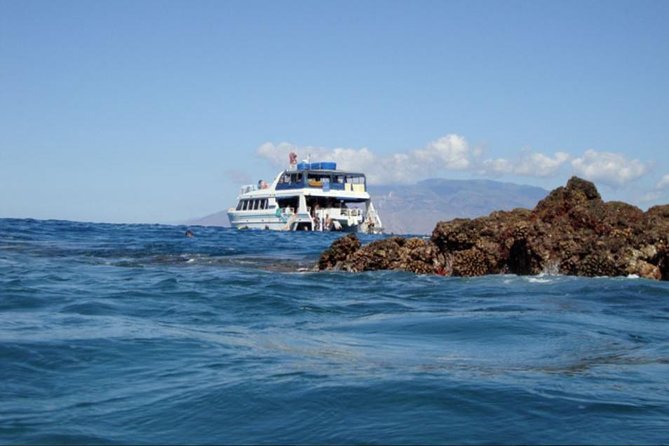
On this kind of tour, the commentary is either useful—or it’s background noise. Quicksilver leans toward useful. You’ll get narrative from the captain and crew focused on whale behavior and safety.
The value here is simple: when you understand why the captain slows, turns, or watches a particular patch of water, you stop thinking the trip is random. You also learn what to look for when whales are about to surface.
That said, experiences can vary by day and by how the guide presents themselves during the ride. Some riders felt the scanning for whales could have been more active, while others praised the captain for working hard to locate whales and explain what was happening. So if you’re the type who wants constant “spotter mode,” know that your day’s whale density and positioning will play a role in how active the crew seems in the moment.
Two hours on the water: enough time, but plan your timing
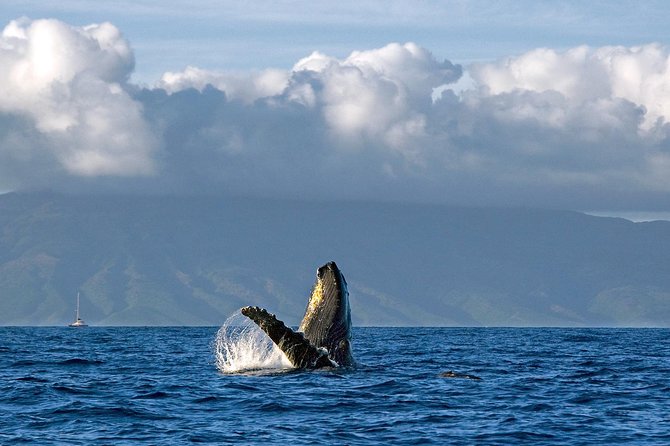
The cruise runs about two hours. That’s a sweet spot for many people on Maui. It’s long enough to potentially see multiple surfacing events and still short enough that families and first-timers don’t feel trapped in the middle of choppy water.
You’re also dealing with migration timing. Humpbacks can be abundant in a season, but the spacing between sightings can still change. A two-hour format means you should expect a handful of key moments, not a guarantee of constant action the whole time.
If you’re trying to maximize your odds of a busy outing, a few riders noted that the timing of the day can matter—morning and evening sometimes feel better than later in the day. I can’t promise that outcome. But if your schedule has flexibility, I’d lean toward earlier or later slots when the experience feels more likely to deliver frequent whale sightings.
Seeing breaches, flukes, and fin slaps: how to get better views
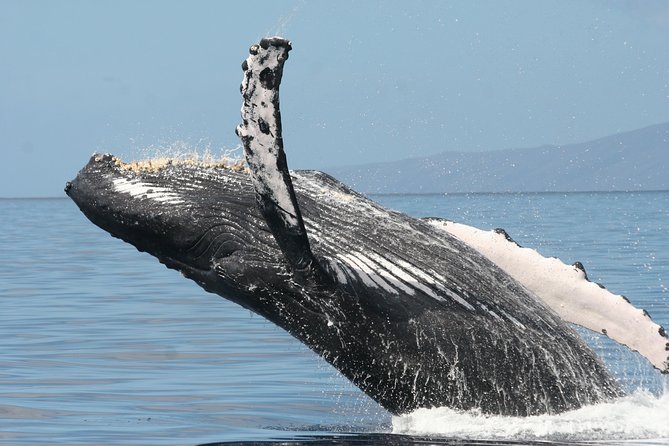
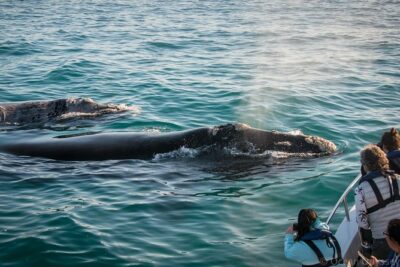
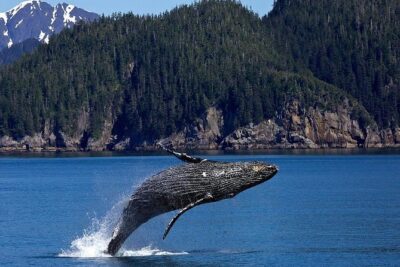
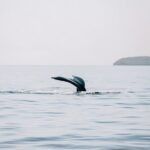
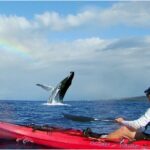
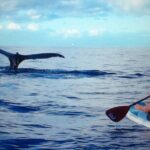
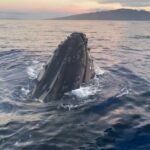
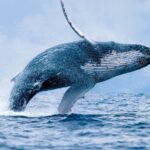
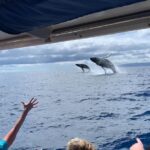
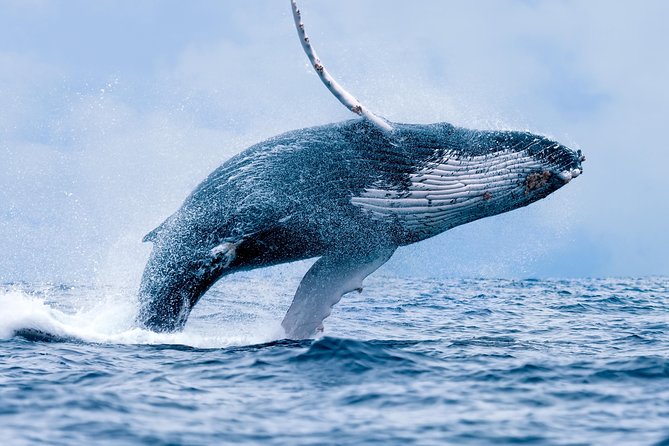
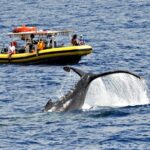
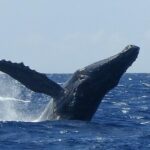
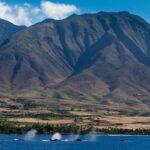
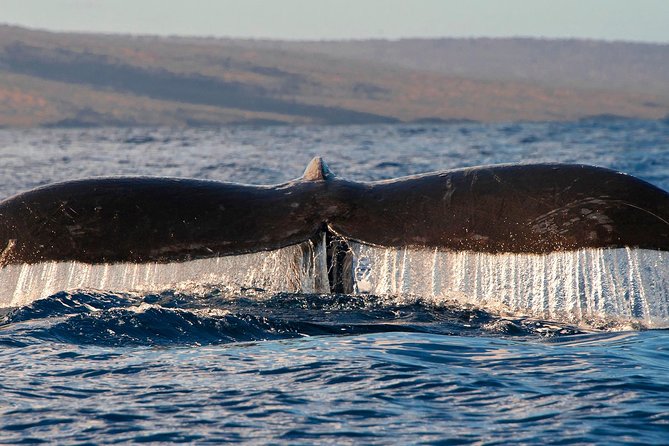
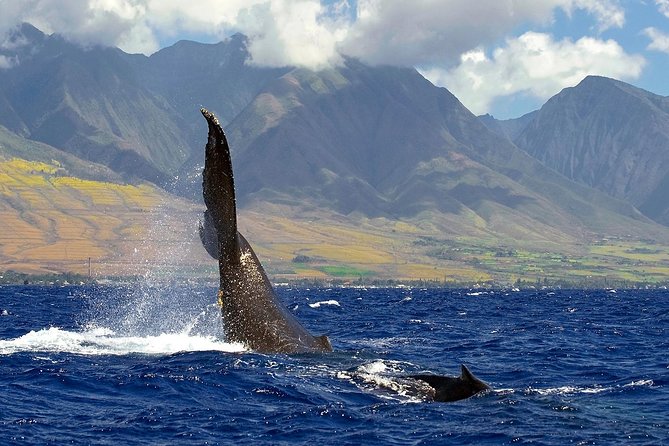
The tour promises front-row chances at behaviors like breaches, flukes, and fin slaps. Here’s the practical truth: “nearby” depends on where the whales surface relative to the boat, and the catamaran can’t teleport.
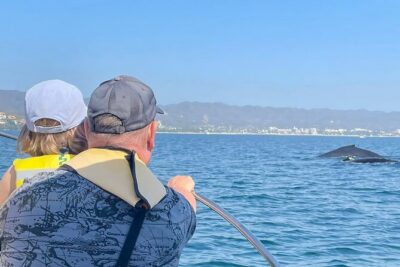
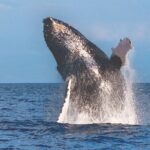
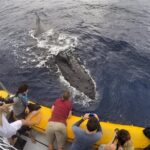
So your best move is to treat seat selection and positioning like part of the tour. If you can, aim for the open deck/bow areas when you’re hoping for the most dramatic moments. Riders who chased the best vantage points often reported seeing more active whale behavior and more satisfying photos.
Also, remember that whales don’t surface on command. If you don’t see much for a few minutes, don’t assume it’s over. The whole point of the captain’s work is to wait for re-surfacing and then reposition as needed.
Value check: does $49.95 make sense for Maui whale watching?
At $49.95 per person, this is priced like a strong “first whale watch” option. You’re getting: a two-hour ride out from Ma’alaea, included juice and sodas, hydrophones, restrooms, and a safety-oriented crew focused on whale behavior. That’s a lot of built-in value for a short excursion.
It’s also a more attractive price point if you’re traveling with kids or a group and you want a cost-controlled activity. Some passengers mentioned affordable onboard snacks and alcohol sold separately. If you stick to the included non-alcohol drinks, you can keep the budget very predictable.
One drawback to factor in: if your day’s whale density is low or the boat has to stay farther out for any reason, your experience might feel less dramatic than what you hoped for. That’s not unique to Quicksilver—it’s how whale watching works. But the $49.95 price means you’re paying for a chance at big moments, not a guarantee of “standing next to a whale.”
Who this tour fits best (and who should temper expectations)
This is a good fit if you want:
- A classic Maui humpback experience during December–April
- An onboard setup with hydrophones and included non-alcohol drinks
- A two-hour activity that doesn’t drag
It may be a weaker fit if:
- You get motion sick easily and you don’t want to plan for it
- You expect to be right next to whales in a way that feels like a private charter
- You’re mainly after long stretches of uninterrupted action rather than a ride that has quiet moments between sightings
For families, it often works because two hours is manageable and the boat has restrooms. For couples and solo travelers, it can feel like a high-payoff “big nature moment” without burning the whole day.
Practical tips that improve your odds fast
Here’s how I’d show up for this kind of cruise so you get the best shot at a great time:
- Arrive early and get oriented. There’s check-in that needs to happen before departure, and once you’re checked in, you’ll want to find your best deck spot quickly.
- Bring sun protection even if you choose shade. Shade helps, but the deck can still be bright when whales pop up.
- Use motion-sickness prevention if you’re sensitive. Some riders suggested medication like Dramamine because the ride can get bumpy.
- Dress for ocean weather, not just Maui weather. The tour operates in most weather conditions, but you’ll be on open water—wind and spray can change how it feels.
- Have a plan for “where should I sit?” If you want photos and dramatic behavior, prioritize sightlines. If you want comfort, pick shade and accept that your view angle may limit some shots.
The simple logistics you should know before you go
Meet at Boss Frog’s (300 Ma’alaea Road, Building 2, Shop #2N, Wailuku). There’s guidance on-site to help you check in, and you’ll need to arrive early enough for the mandatory check-in (30 minutes before departure).
Parking is its own small puzzle here: you’re required to park at the Maui Harbor Shops area at 300 Ma’alaea Road. If you’re unfamiliar with the area, give yourself extra time so you’re not rushing while the line starts moving.
The ticket setup is mobile-friendly, but the operator also asks you to print or download your ticket after checkout. For a smooth day, do that before you leave your hotel.
Should you book the Quicksilver whale watch from Ma’alaea?
If your trip falls in December through April, you want a solid chance at humpback sightings, and you like your nature time with practical comfort, I’d book this. The mix of hydrophones, included juice and soda, restrooms, and a safety-oriented crew is exactly what makes a short whale cruise feel worth the money.
My only hesitation comes from how variable whale closeness can be. If you’re the type who needs constant action or a guaranteed “close encounter,” temper expectations and go in ready to enjoy the patterns: listen for songs, watch for surfacing rhythms, and stay flexible if the captain has to reposition.
If you can handle a bit of motion and you choose your viewing spot with intention, this is the kind of Maui day that turns into a lasting memory fast.
FAQ
When can you see humpback whales on this tour?
The tour focuses on humpback whales during their return migration to Maui’s waters from December to April.
How long is the Quicksilver whale watching cruise?
The trip is about 2 hours.
What’s included on board?
Underwater hydrophones, juice and soda, shade, restrooms, and whale-related commentary from the captain and crew are included.
Are alcoholic drinks included?
Alcoholic drinks are not included; they are available to purchase on board.
Where do I meet the tour?
You meet at Boss Frog’s Snorkel, Bike & Beach Rentals, 300 Ma’alaea Rd, Building 2, Shop #2N, Wailuku, HI 96793. The tour ends back at the meeting point.
What’s the cancellation rule if weather affects the trip?
If you cancel up to 24 hours in advance, you can get a full refund. If the tour is canceled due to poor weather, you’ll be offered a different date or a full refund.