REVIEW · MAUI
VIP (12 Guests ONLY) Ultimate Whale Watch
Book on Viator →Operated by Ultimate Whale Watch & Snorkel · Bookable on Viator
Small raft, big whale energy. This VIP ride out of Lahaina Harbor is built for close sightings, with low-to-water rafting that keeps views open and every seat feeling close. I also love the marine naturalist talks plus the hydrophone, so you’re not just watching—you’re learning what the whales are doing.
The main thing to plan around is that this is a raft experience: it can be a bit bumpy, and you may get splashed in wind or chop. If you’re very prone to motion sickness, it’s worth thinking twice and asking yourself how you handle small water craft.
In This Review
- Key things to love about this VIP whale watch
- The VIP difference: why 12 guests changes everything
- Lahaina harbor meeting point: getting started smoothly at 1229 Front St
- The raft ride itself: fast, safe, and yes, a little rough
- Onboard naturalist talks: whale biology you can actually use
- Seeing whales up close: what the crew goes looking for
- The Dec–Apr whale-sighting guarantee (and how go-again-for-free helps)
- Photos, whale song, and the timing of your camera moments
- Weather, wind, and seasickness: what you should consider before you book
- Who this VIP whale watch is best for
- Price and value: is $125 worth it for 2 hours?
- Quick logistics and rules to know
- Should you book the Ultimate Whale Watch VIP (12 guests)?
- FAQ
- How long is the VIP whale watch?
- How many people are on the VIP tour?
- Where do we meet in Lahaina?
- Is it guaranteed that we’ll see whales?
- What language is the tour offered in?
- Can I bring a service animal?
- Are there any age or pregnancy restrictions?
- What happens if weather is bad?
Key things to love about this VIP whale watch
- 12-guest VIP cap means you’re not packed in like cattle.
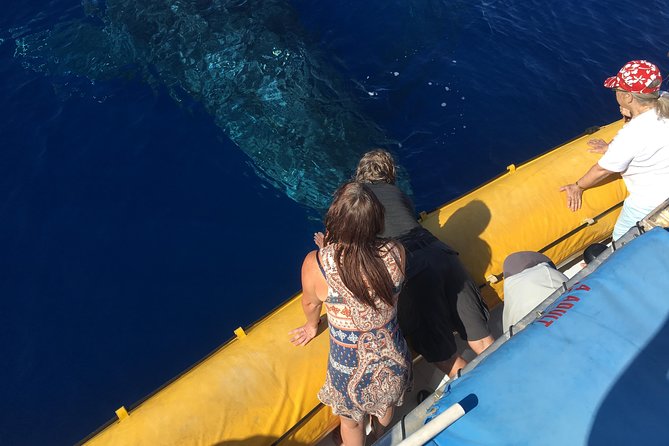
- Low-to-the-water raft design helps you stay close for behavior, not just distant spouts.
- Hydrophone whale songs adds a whole extra layer to the viewing.
- Marine naturalists on board keep the trip from being just spotting.
- Dec–Apr sightings guarantee with a go-again-for-free option if you don’t see whales.
- Front-row style seating makes it easier to frame photos and track whale movement.
The VIP difference: why 12 guests changes everything
The biggest selling point here isn’t the whale hype. It’s the math. With a maximum of 12 travelers, the boat stays calmer and the crew can position you more intentionally. On a crowded tour, one person blocks another person, and “close” turns into “close-ish.” With a small group, you actually get the feeling of being part of the action.
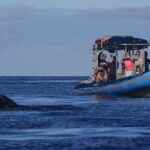
And the boat choice matters. This tour uses coast guard style rafts that sit low in the water. That low profile helps reduce the stuff that normally steals your view—like tall rails or bulky boat structure. It’s also the kind of craft that’s built to move efficiently when whale activity pops up.
Price-wise, $125 for about two hours sounds “tourist-priced” until you think about what you’re paying for: small group access, a specialized craft designed for close-up whale viewing, and onboard interpretation. If you’ve ever watched whales through gaps and fences from a larger vessel, you’ll understand why this setup can feel like better value, even if the sticker price is higher than bargain options.
You can also read our reviews of more tours and experiences in Maui.

Lahaina harbor meeting point: getting started smoothly at 1229 Front St
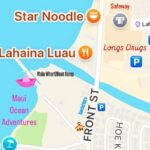
You’ll meet at 1229 Front St, Lahaina, HI 96761, right in the Lahaina harbor area. The good news is that this is a straightforward start point, and the tour is near public transportation. That matters when you’re mixing your whale watch with the rest of your Maui plans.
The operator sends confirmation at booking time, and the tour uses a mobile ticket. Bring your phone with enough battery, and don’t rely on spotty reception if you’re arriving late.
One practical tip: Lahaina traffic and parking can turn into a time-waster. If you want a stress-free start, build in extra buffer so you’re not sprinting to the dock while the crew is loading gear.
The raft ride itself: fast, safe, and yes, a little rough
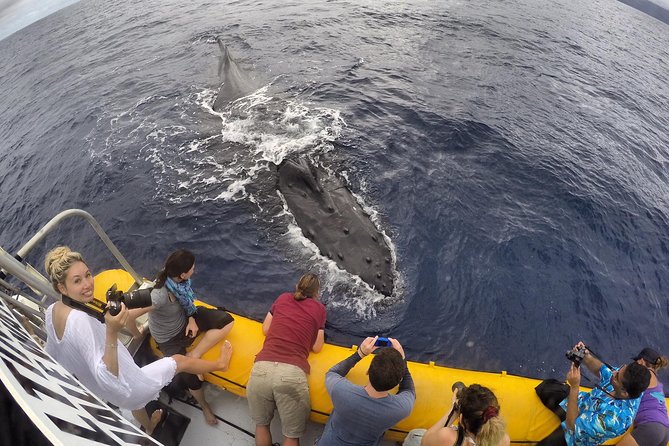
This is a raft, not a cruise ship. That’s the tradeoff. Many people love the open visibility and the closeness, but the water conditions still matter. Reviews mention a bumpy ride, and there are notes about getting a bit wet—especially when it’s windy.
So here’s how to think about it:
- If you hate motion or seasick easily, you should take that seriously. A raft rides differently than a larger boat.
- If you’re okay with a spirited ride, you’ll probably appreciate the more direct “on the water” feel.
- Expect sea spray to be possible. A light jacket can help if the wind kicks up.
The tour is designed for safety and close encounters, and the crew operates the rafting style for a reason. Still, it’s smart to show up prepared like you’re going to be out on the ocean for behavior watching—not like you’re going to a dry, cushy attraction.
Onboard naturalist talks: whale biology you can actually use
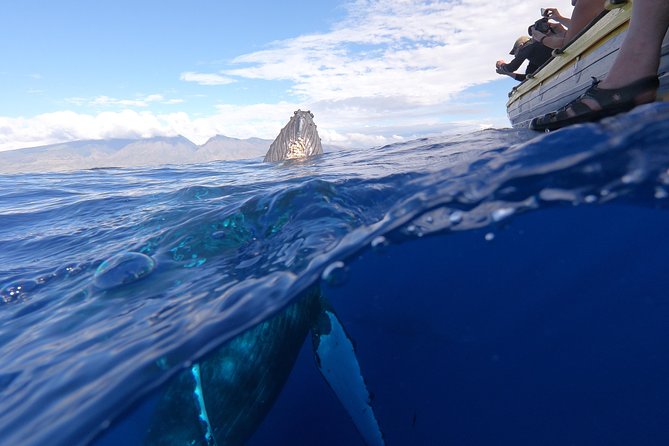
This experience includes educational talks from an onboard marine naturalist. That means you’re not just waiting for whales like it’s a slot machine. You’re learning what to look for and what you’re seeing.
You’ll also get to listen through a hydrophone, which is set up to catch and play whale sounds (often called whale songs in popular language). The real value isn’t the tech trick. It’s what it does to your attention span. When you can hear the whales, you stop scanning like a tourist and start watching like someone who understands why the whales are where they are.
In the reviews, the crew’s guidance shows up repeatedly—names like John and Casie, Emma, Pat, Jeremiah, and Sarah pop up as standout guides. The pattern is consistent: they find active whales, explain what you’re seeing, and keep the group engaged with Q&A.
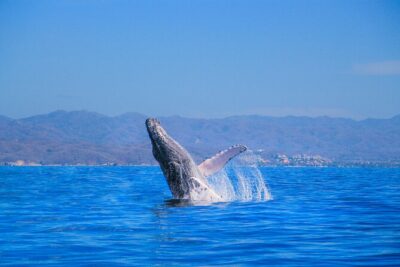
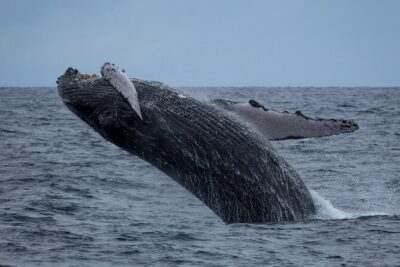
You can use that knowledge right away. Even if you’re not a whale expert, you’ll leave with a clearer sense of common behaviors—breaching, nursing time with calves, and male interactions during mating season.
Seeing whales up close: what the crew goes looking for
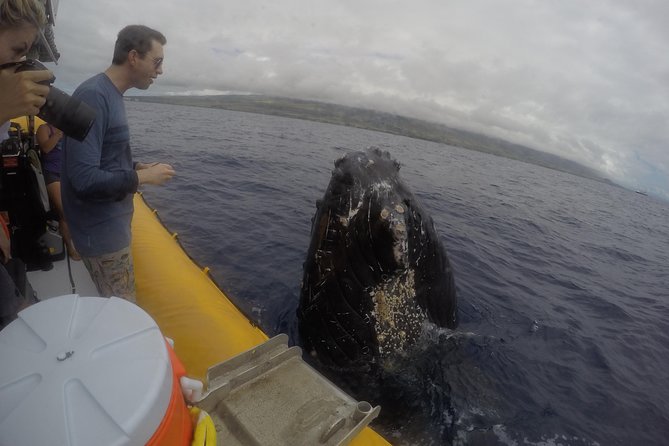
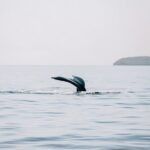
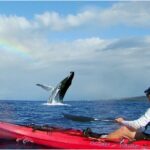
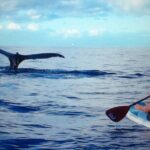
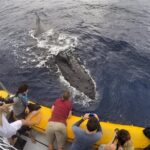
The tour is built for close encounters. That phrase gets tossed around a lot, but here it connects to the raft design: low to the water, smaller group, and positioning that lets you watch movement rather than just spotting a blow.
Based on the way sightings are described, you’re likely to encounter a mix of whale behaviors during the ride. People report:
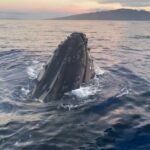
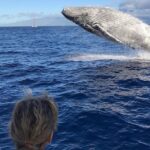
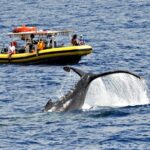
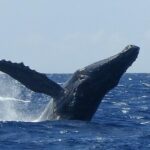
- whales surfacing and staying active near the boat
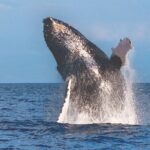
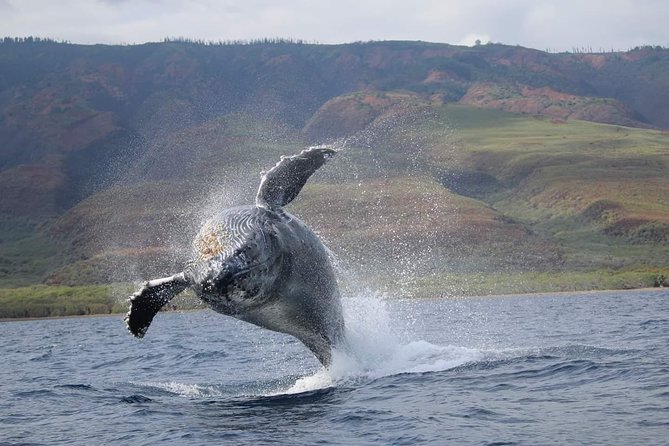
- breaches and fin slaps
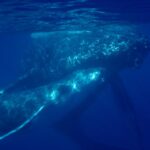
- mother and calf moments
- male interactions, sometimes intense, that keep you watching for a long stretch
One of the most memorable elements mentioned in reviews is how long the action can last when the crew finds the right spot. Rather than a quick look and a slow drift away, people describe extended viewing—sometimes with multiple whales together. That’s what you want when you’re paying for “front row” access.
There’s also a fun, practical moment to know about: when whales are close and all around you, the captain may slow movement so the whales aren’t disturbed. One guide even uses the phrase whale jail for that situation. If you hear something like that onboard, it’s not a joke. It’s a positioning strategy that keeps the viewing productive.


The Dec–Apr whale-sighting guarantee (and how go-again-for-free helps)
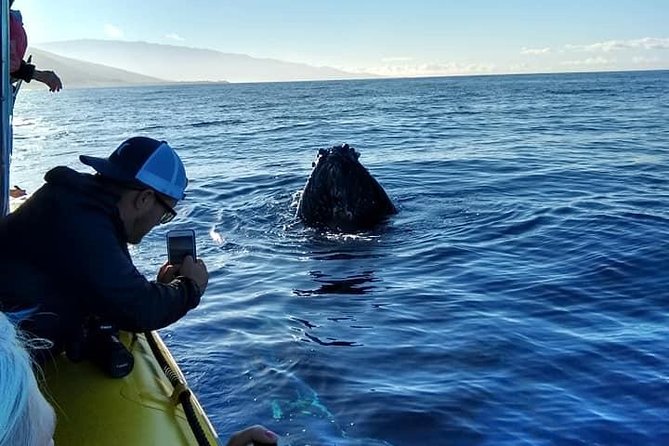
Here’s a major confidence builder: whale sightings are guaranteed December–April. If you don’t see whales, you can go again for free.
This matters because Maui whale watching isn’t identical every day. Ocean conditions, whale movement patterns, and timing all play a role. A guarantee doesn’t make the ocean predictable, but it does reduce the risk that you’ll pay and get nothing.
So when should you care about this guarantee?
- If you’re visiting during peak winter whale season (Dec–Apr), it’s the most reassurance you can buy.
- If your schedule is tight and this is your one whale watch, the go-again option is a real safety net.
Also, even people who went near the end of the season describe searching time and then strong viewing. That supports the idea that the crew is actively scanning, not just following a fixed route like a sightseeing bus.
Photos, whale song, and the timing of your camera moments
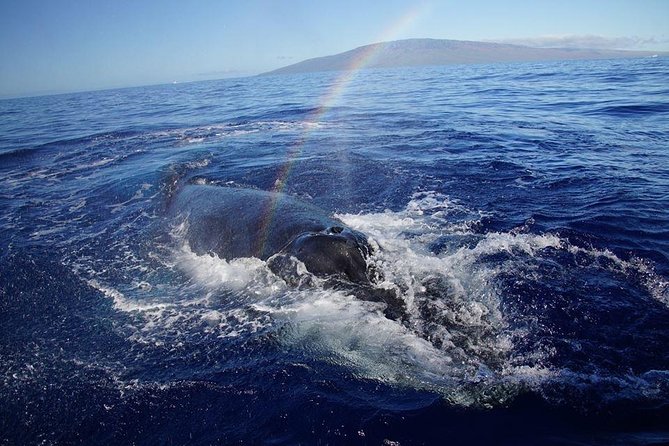
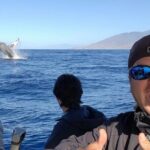
Bring your camera because the tour is made for close viewing. With a low raft and fewer people blocking your view, you can track movement better, which is where photos improve. Instead of randomly shooting when you hear someone yell whale, you’re watching a path and predicting where the whale will surface.
And don’t forget: the hydrophone adds an audio layer. That makes your trip feel different from a basic spot-and-shoot tour. If you like documenting experiences in more than one way, it’s a nice combo.
One practical note from experiences shared: conditions can be windy, and you may get splashed. That means you should think about protecting your gear. A small dry bag or waterproof pouch is a simple upgrade that can save your day.
Weather, wind, and seasickness: what you should consider before you book
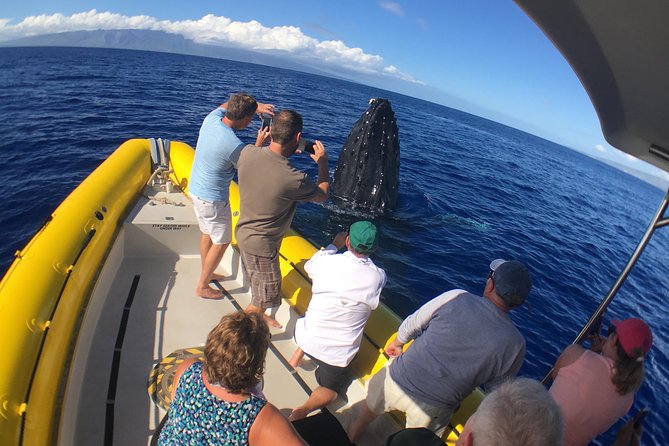
This experience requires good weather. If the tour is canceled due to poor conditions, you’ll be offered another date or a full refund.
Even when it runs, wind and chop can shape the ride. Reviews mention wind and how people still felt safe, but also mention that you can get wet. That’s normal. The ocean is the ocean.
If you’re deciding whether to take this tour, be honest with yourself about motion sensitivity:
- If you get carsick or hate small boats, consider it a factor.
- If you’re fine on catamarans or similar water rides, you’ll probably enjoy the raft style.
One more note: there’s no mention here of motion-sickness pills or special seating options. So if you need them, plan to bring what works for you.
Who this VIP whale watch is best for
This tour is built for people who want whales, not just a boat ride.
It fits especially well if:
- you want a small-group experience with easier viewing
- you care about learning through onboard interpretation and whale song audio
- you’re the type who loves behavior watching—breaches, interactions, and mother/calf moments
- you’re traveling with friends or family who can handle a raft ride
It may not be the best match if:
- you strongly dislike bumpy rides
- you’re traveling with a child under 3 years old
- you’re pregnant (this tour states they are unable to take pregnant guests)
- you need guaranteed calm water; the ocean decides that part
Service animals are allowed, and the tour is offered in English, which helps for comfort and understanding when the naturalist is explaining what you’re seeing.
Price and value: is $125 worth it for 2 hours?
At $125 per person, this whale watch sits in the “serious value” zone rather than the budget aisle. The question is what you’re buying.
You’re paying for:
- VIP small-group capacity (12 guests)
- a specialized low-to-water raft setup designed for close encounters
- an onboard marine naturalist and whale song audio
- a seasonal guarantee (Dec–Apr) that gives you a go-again-for-free backup if whales don’t show up
If you compare that to large-boat tours, where you may spend more time watching other boats than whales, the value calculation changes. Here, your sightlines and your attention time are more likely to be rewarded.
Also, the fact that this is booked about 44 days in advance on average suggests it’s in demand. If you’re traveling in whale season and this is a top priority, I’d treat it like a “buy early” item, not a last-minute whim.
Quick logistics and rules to know
A few things to keep in mind so your day goes smoothly:
- This tour ends back at the meeting point at 1229 Front St
- Confirmation happens at booking time
- It’s offered in English
- Most travelers can participate, but there are limits: no children under 3, and no pregnant guests
- Service animals are allowed
- If weather cancels it, you get offered a different date or full refund
Should you book the Ultimate Whale Watch VIP (12 guests)?
I’d book this if you want the most efficient mix of close-up whale watching + small-group comfort + onboard learning. The VIP cap is the reason. The raft design is the reason. The hydrophone adds extra meaning to the experience, not just extra noise.
Skip it or think carefully if you’re sensitive to motion or you’re expecting a calm, dry ride with zero spray. Also, if you’re in a season outside Dec–Apr, you won’t have the same whale-sighting guarantee, so you’ll want to treat the experience as an ocean adventure with outcomes that depend on the whales.
If you can handle a raft and you want better-than-average odds of actually seeing behavior, this is one of the most straightforward “yes” decisions in Maui whale watching.
FAQ
How long is the VIP whale watch?
The tour runs for about 2 hours, approximately.
How many people are on the VIP tour?
The VIP version has a maximum of 12 travelers.
Where do we meet in Lahaina?
You meet at 1229 Front St, Lahaina, HI 96761, USA. The tour ends back at the same meeting point.
Is it guaranteed that we’ll see whales?
Whale sightings are guaranteed from December to April. If you don’t see whales during that season, you can go again for free.
What language is the tour offered in?
The tour is offered in English.
Can I bring a service animal?
Yes. Service animals are allowed.
Are there any age or pregnancy restrictions?
Children under age 3 can’t participate, and the tour states they are unable to take guests who are pregnant.
What happens if weather is bad?
The experience requires good weather. If it’s canceled due to poor weather, you’ll be offered a different date or a full refund.