REVIEW · MAUI
Private Paddleboard (SUP) Whale Watch: All Skill Levels Welcome
Book on Viator →Operated by Paddle On! Maui Private Tours · Bookable on Viator
Whales and paddleboards, in one calm glide. I like that this is a private experience with an on-water lesson for all skill levels, so you’re not stuck feeling lost out there. I also love the access to the Wailea–Makena Coastline area near the Hawaiian Islands Humpback Whale National Marine Sanctuary, where the whole point is watching Hawaiian humpback whales from the water. One watch-out: you need moderate fitness and good weather, since this runs for about 2 hours on the ocean.
You meet at Makena Landing Park in Kihei (5083 Makena Rd), and you stay with your guide the entire time, with the pace set by your group. In the best case, you get a relaxed, personal vibe, plus local context like Hawaiian history shared by guides such as Brittany. If you’re prone to motion sickness or you’re looking for zero-effort sightseeing, this probably won’t feel as easy as a seated boat tour.
In This Review
- Key things that make this SUP whale watch worth your time
- The calm advantage of a private SUP whale watch on Maui
- Makena Landing Park: your launchpad and meeting point
- Stop 1 at the park: the lesson that makes whale watching possible
- The whale watch zone: paddling near the Humpback Whale sanctuary
- What “private pace” really means on the water
- How long is 2 hours, and what to expect during that time
- Price at $189 per person: where the value is coming from
- Weather and ocean reality: plan for the conditions you can control
- Who this SUP whale watch is perfect for (and who should rethink it)
- Tips to get the most out of your Maui whale watch from a SUP
- Should you book this private SUP whale watch from Makena Landing?
- FAQ
- How long is the private Paddleboard (SUP) whale watch?
- What does it cost per person?
- Where is the meeting point?
- Is this tour private or shared with other groups?
- Do I need paddleboarding experience?
- What language is the tour offered in, and do I get a ticket on my phone?
- What if the weather is bad?
Key things that make this SUP whale watch worth your time
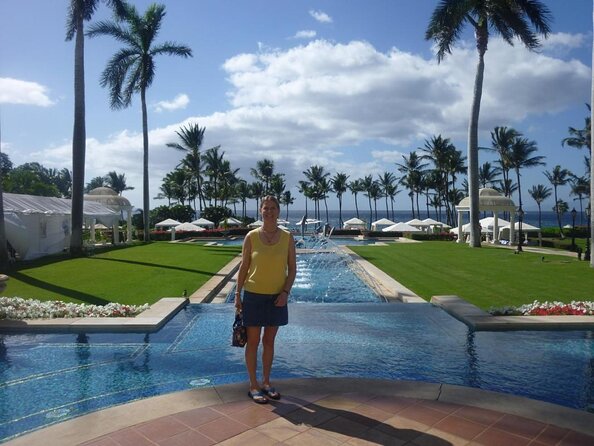
- Private, all-skill instruction: beginners get a lesson built into the outing, not a throw-you-in-and-hope approach.
- Guide stays with you the whole paddle: you’re not wandering around on your own while everyone else goes searching.
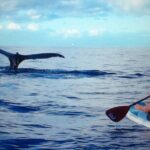
- Whale watch from the water: you’re on a SUP, so there’s no engine roar—just your strokes and the ocean around you.
- Makena Landing Park start: the activity is based right at Makena Landing Park, with your day ending back there.
- Hawaiian stories during the paddle: guides like Brittany share Hawaiian history as you learn and watch.
The calm advantage of a private SUP whale watch on Maui
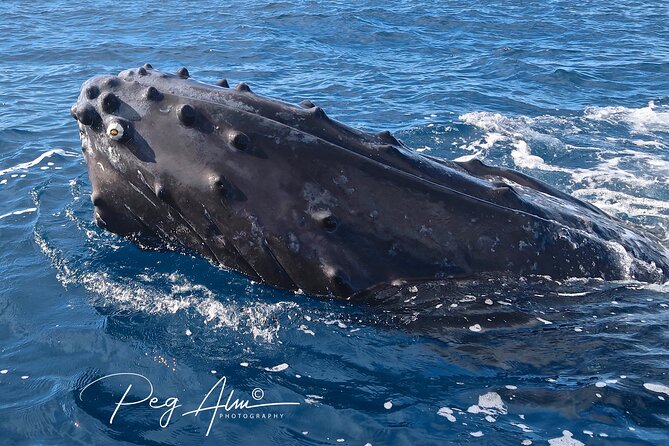
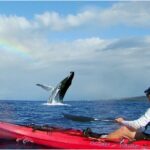
There’s something special about watching humpback whales when you’re not behind a windshield or above a deck. With a paddleboard, your day is shaped by simple things: balance, slow paddling, and paying attention to what the water is doing. This tour leans into that. It’s built as a private outing, so you’re not forced to keep up with strangers or accept a rushed timeline.
The private format matters more than you might think. When you’re learning to paddle and you’re also scanning the ocean for whales, stress is the enemy. A private guide can adjust how often you practice, how long you rest, and what level of instruction you need. If you have mixed skill levels in your group, that’s even better, because the guide can set a rhythm that keeps everyone participating instead of splitting the group into “confident” and “struggling.”
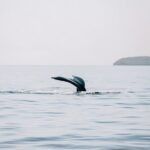
The other big reason I’m fond of this style of whale watch is the setting. You’re focused on the Wailea–Makena Coastline area tied to the Hawaiian Islands Humpback Whale National Marine Sanctuary. The tour isn’t presented as a generic wildlife cruise. It’s positioned as a whale search along a specific sanctuary coastline, which gives the whole outing a clear purpose.
You can also read our reviews of more tours and experiences in Maui.

Makena Landing Park: your launchpad and meeting point
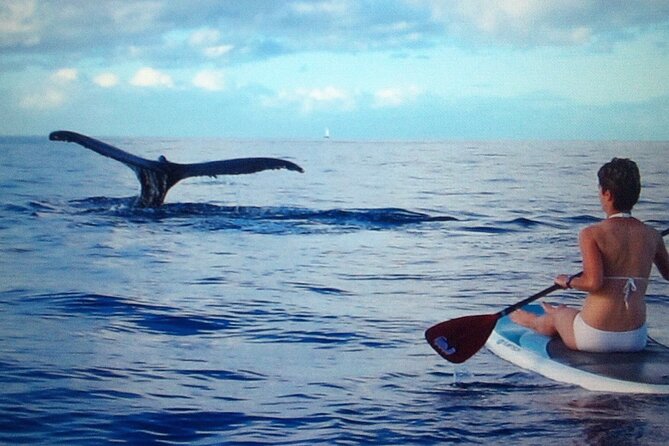
Your day starts at Makena Landing Park (5083 Makena Rd, Kihei, HI 96753). That’s not just a detail to note on your phone. The meeting place sets the tone. Makena Landing is convenient, and the tour is listed as near public transportation, so you’re not locked into a complex logistics puzzle.
Since the activity ends back at the meeting point, you’re not dealing with a pick-up and drop-off shuffle after you’ve been on the water for a couple of hours. That matters if you want to keep the rest of your Maui day flexible—grab food, head back to your hotel, or plan a second activity without feeling time-pressured.
In practice, arriving a bit early helps. Even a short SUP session benefits from getting your bearings on land first: where you’ll store your gear, how the check-in works, and how your guide wants you to prepare. If you’ve got a nervous group member, early arrival gives them room to settle in.
Stop 1 at the park: the lesson that makes whale watching possible
The first part of your time is at Makena Landing Park. This is where you get the foundation for the rest of the outing. The tour is designed for all skill levels, including beginners, and the instruction is part of what you’re paying for.
A good lesson does two things at once. It gives you basic paddleboard skills—how to get comfortable on the board and how to move without overthinking. And it also helps you conserve energy. When your balance and paddle rhythm are working, your attention can go where it should: scanning the water and watching for whale activity.
From the reviews, the instruction seems to be a real highlight. People specifically call out how a guide taught beginners the basics and made it feel personal and relaxed. Brittany is one example named in the feedback, with praise for both instruction and sharing Hawaiian history. That combination is a strong signal that the guide isn’t just checking boxes; they’re coaching you and adding context while you learn.
The whale watch zone: paddling near the Humpback Whale sanctuary
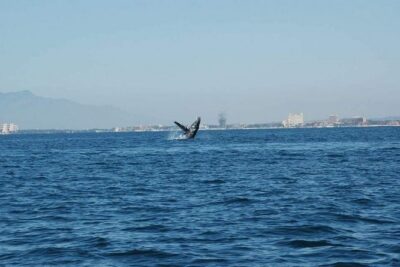
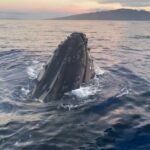
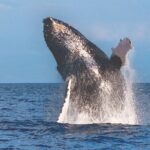
After the park time, your route shifts toward the Hawaiian Islands Humpback Whale National Marine Sanctuary area. The tour’s description frames the search around the Hawaiian humpback whale, positioned as part of the heart of the sanctuary.
Here’s what that means for your experience: you’re not just paddling for movement. The water you’re in becomes part of the watch. You’ll likely spend time adjusting your pace, keeping a steady posture, and taking cues from your guide when whales are spotted or when it’s time to paddle to a better viewing position.
SUP whale watching also has a practical feel that many people love. Since your movement is powered by your own paddling, you get control. If the group needs a slower pace to stay comfortable, it can be done. If the ocean conditions shift, you’re not trapped in a fixed course like you might be on a larger boat.
One consideration: wildlife viewing on water is never guaranteed. The tour is weather-dependent, and whale sightings depend on real ocean behavior. Still, the tour is structured for searching, and you’re with your guide the whole way, which increases your odds of seeing something compared with a do-it-yourself paddle where you might not know where to focus.
What “private pace” really means on the water
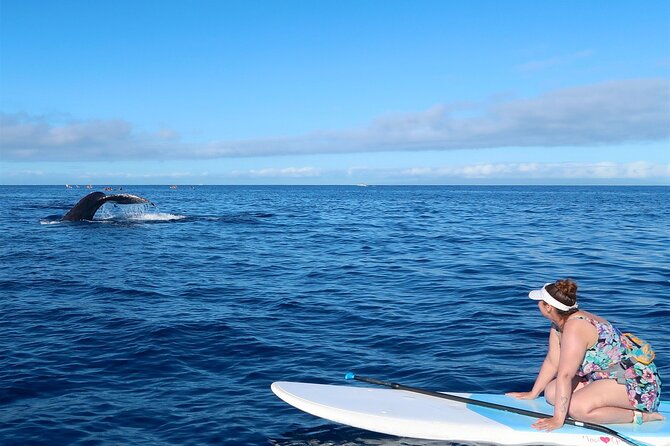
The tour description is clear that it’s private and that you go at your pace. That sounds nice in theory, but it’s a big deal for how the 2-hour outing feels.
On a shared group outing, beginners often lose time. They spend extra effort getting upright, adjusting their stance, and learning basic strokes, while the rest of the group moves on. With a private format, your guide can slow down without feeling like they’re holding others back. And if someone in the group is more comfortable, you still don’t have to feel like you’re dragging the pace for everyone.
The tour also supports mixed skill levels being okay and even encouraged. That’s a smart approach on SUP days, where groups often include one person who paddles regularly and one person who is trying it for the first time. Instead of treating those people as separate cases, the guide can balance instruction and movement so both types of paddlers feel included.
Another thing I like about this style is the sense of attention. When the guide stays with you every paddle of the way, it changes how safe you feel. It also means you can ask questions without waiting for a group briefing moment.
How long is 2 hours, and what to expect during that time
The tour runs about 2 hours. That’s a good length for two reasons. First, it’s long enough to cover instruction and then spend real time in the whale watch area. Second, it’s short enough that you don’t need to treat it like a full-day commitment.
A typical flow you can expect is:
- initial time to get onto the board and learn the basics
- guided paddling out to the watch area
- a search and viewing period where you keep your focus on what’s happening in the water
- return to Makena Landing Park where the activity ends
If your group includes first-timers, the lesson portion will probably take a noticeable chunk of the 2 hours. That’s not a drawback—it’s part of the value. A whale watch is only relaxing when you’re not fighting your board the whole time.
Also note the physical fitness note: travelers should have a moderate physical fitness level. That’s reasonable. SUP isn’t hard in the gym sense, but it is active. Expect time standing, shifting your weight, and paddling for periods that add up. If you’re thinking about booking and you’re unsure about your fitness, consider whether you can comfortably spend time doing light activity in moving water conditions.
Price at $189 per person: where the value is coming from
At $189.00 per person for a private SUP whale watch, it’s not a budget activity. But it doesn’t feel overpriced when you look at what’s included in the structure.
You’re paying for:
- a private tour where only your group participates
- an on-water lesson for all skill levels
- guided whale searching focused on a specific sanctuary coastline area
- a guide who stays with you the whole time
- Hawaiian history context shared during the outing (with examples like Brittany)
In other words, you’re not just buying access to a view. You’re buying instruction, attention, and a dedicated whale search effort. Those are exactly the things that make a private experience worth it when you’re combining learning and wildlife watching.
One practical note: this is booked on average 71 days in advance, and space is limited. If you’re traveling during popular Maui weeks, booking earlier is smart. Waiting until the last minute can shrink your options for days that match good weather.
Weather and ocean reality: plan for the conditions you can control
This tour requires good weather. If it’s canceled due to poor weather, you’ll be offered a different date or a full refund. That’s how you want these activities to work. It protects your time and your money instead of pushing you into unsafe or unpleasant conditions.
What you can do to set yourself up for a smooth day:
- check forecasts the day before and on the morning of
- dress for Maui sun and ocean wind (you’ll likely want layers even on a warm day)
- keep your expectations flexible if the ocean is unsettled
Even when weather is fine, the “moderate fitness” part matters. Balance fatigue and paddle fatigue can sneak up. If you’re coming straight from a long hike or a late night, you might feel it more. If you’re rested, you’ll enjoy the watch more.
Who this SUP whale watch is perfect for (and who should rethink it)
This is a strong match if you want an intimate, guided whale watch experience and you don’t want to feel out of place learning SUP. The tour is designed for all skill levels and even encourages mixed groups, so it fits couples, small families, and friend groups with different experience.
It’s also a good fit if you value context, not just animals-on-command. The feedback highlights guides teaching basics and adding Hawaiian history during the outing. That makes the experience feel grounded instead of purely checklist-based.
Consider thinking twice if:
- you’re looking for a totally low-activity, sit-and-watch experience
- you have balance challenges that make standing uncomfortable
- you get seasick easily and don’t think a SUP experience will be tolerable
- you’re traveling with a tight schedule and can’t handle weather-based rescheduling
Tips to get the most out of your Maui whale watch from a SUP
You’ll get the best day when you go in mentally prepared for a learning moment. Here are practical ways to make it smoother:
- Listen closely at the start. Your comfort level early on affects everything that comes later.
- Paddle gently and steadily during whale watch time. Overworking your strokes can tire you out before you find a good viewing moment.
- Focus on guide cues. The tour is private and you’re with the guide, so use their direction instead of second-guessing the board or the water.
- Keep the mood relaxed. The private pacing is part of the design, and it works best when the group treats it like a calm outing.
From the feedback, the most satisfying experiences come from people who show up ready to learn, then settle into the moment when whales are being watched.
Should you book this private SUP whale watch from Makena Landing?
I’d book it if you want a whale watch that feels personal, calm, and guided—especially if you’re a beginner or you have a mixed-skill group. The value comes from the combination of private attention and real instruction, plus a targeted whale sanctuary setting along the Wailea–Makena Coastline area.
I wouldn’t book it if you need a zero-effort activity or if your fitness and balance aren’t a good match for standing and paddling for around 2 hours. And because weather matters, plan for flexibility.
If you can do those two things—be ready to learn and stay flexible with conditions—this is the kind of Maui experience that turns whale watching into something you can feel as much as you can see.
FAQ
How long is the private Paddleboard (SUP) whale watch?
The experience lasts about 2 hours.
What does it cost per person?
The price is $189.00 per person.
Where is the meeting point?
You meet at Makena Landing Park, 5083 Makena Rd, Kihei, HI 96753, USA.
Is this tour private or shared with other groups?
It’s a private tour/activity, so only your group will participate.
Do I need paddleboarding experience?
No. It includes a lesson and welcomes all skill levels, including beginners.
What language is the tour offered in, and do I get a ticket on my phone?
The tour is offered in English, and you receive a mobile ticket.
What if the weather is bad?
The experience requires good weather. If it’s canceled due to poor weather, you’ll be offered a different date or a full refund.