REVIEW · MAUI
The Best 12 pm 1.5 Hour Whale Watching Tour
Book on Viator →Operated by Blue Water Rafting · Bookable on Viator
A fast boat ride and whale songs in water? That’s the hook here. This Kihei departure puts you out on Maui’s south shore to look for humpback whales and hear their calls through a hydrophone, all in about 90 minutes.
What I like most is the focused setup: a small cap (around the low-20s) and time spent actually watching, not just “cruising around.” I also really appreciate the hydrophone component—this isn’t just eyes-on action, it’s sound-on action.
One consideration: the experience can feel more intense depending on water conditions and how the captain handles speed when the ocean gets choppy, so if you’re sensitive to rough rides, plan accordingly.
In This Review
- Key points to know before you go
- The Kihei departure at 12:00 pm: why this timing feels practical
- Hydrophone whale songs: the part you’ll remember after the photo fades
- Small-group boat time with Blue Water Rafting (and why size matters)
- Finding whales off Kihei: what “fast search” really means at sea
- Why they may shift the schedule when whales are close
- The crew experience: facts, humor, and the difference a captain makes
- What’s actually included (and what that means for your budget)
- Itinerary in plain steps: what your 90 minutes will feel like
- Who should book this 12 pm whale watch (and who should think twice)
- Quick tips for booking smart for a better chance at whales
- Should you book the 12 pm whale watch with Blue Water Rafting?
- FAQ
- Where is the meeting point for the 12:00 pm whale watching tour?
- What time does the tour start?
- How long is the whale watching experience?
- Is the tour offered in English?
- How big is the group?
- What’s included during the tour?
- Are there restrictions for kids or pregnant passengers?
- When will I receive confirmation after booking?
- What if I need to cancel, or the weather is poor?
Key points to know before you go
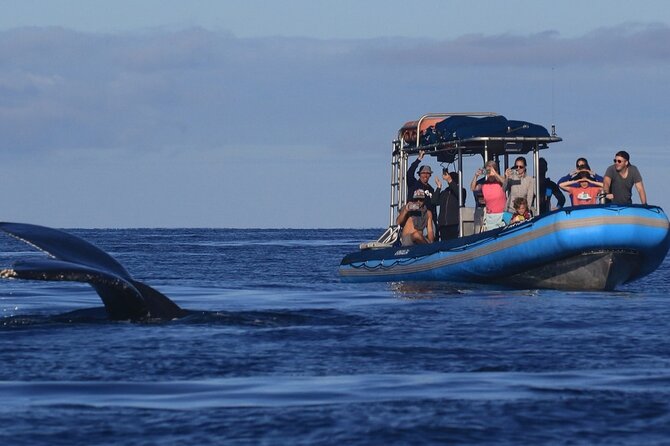
- Small-group boat time (about 22 max, listed up to 24) makes the whole outing feel more personal.
- Hydrophone whale songs can be the highlight, especially when whales are vocal.
- Kihei Boat Ramp convenience: free parking, and it’s less than ten minutes from many Kihei/Wailea stays.
- Safety-first spacing may add flexibility when whales are very close (100 yards or less).
- Crew guidance matters: some captains go heavy on whale biology and upbeat humor, while others may not steer as actively if conditions are tough.
- What you’re paying for: a targeted, 1.5-hour watch plus bottled water, not a half-day “maybe we find them” plan.
The Kihei departure at 12:00 pm: why this timing feels practical
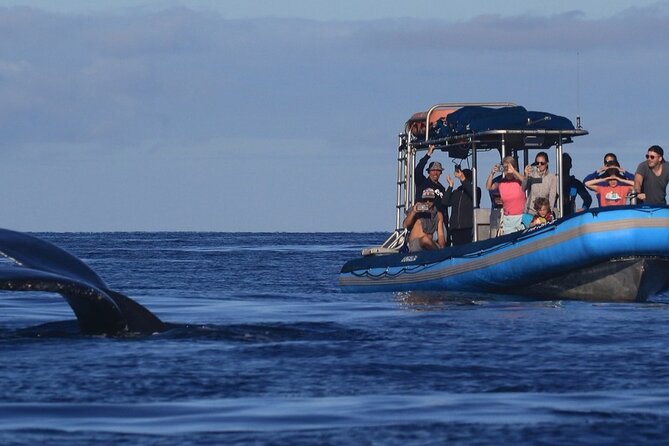
This is a 12:00 pm whale watching tour that runs for about 1 hour 30 minutes. You’re not stuck on a long schedule. Instead, you get a clean mid-day block that fits well if your mornings are already packed with beach time, snorkeling, or just driving the Road to Hana on another day.
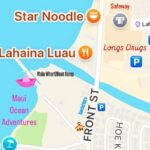
The meeting point is easy to locate: 2800 S Kihei Rd, Kihei, HI 96753, and the trip ends back at the same spot. The tour’s whole pitch is “fast and convenient” from Kihei, and that matters on Maui, where travel time can eat up a day.
They also call out free parking at the Kihei Boat Ramp, and it’s less than ten minutes from many resorts in Kihei and Wailea. If you’re driving yourself, that reduces friction. You spend less time stressing about where to park and more time showing up on time.
You can also read our reviews of more tours and experiences in Maui.

Hydrophone whale songs: the part you’ll remember after the photo fades
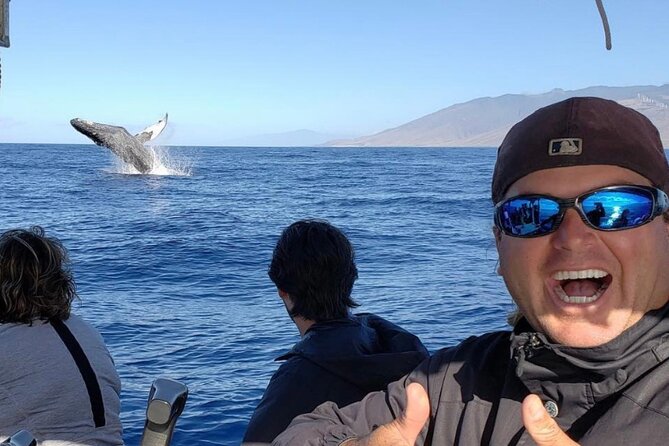
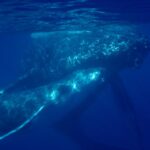
Seeing whales is the obvious draw. But the real differentiator here is the hydrophone—a device used to listen to whale calls through the water.
On this tour, you’ll search off the coast of Kihei and then listen to whale songs using that hydrophone sound system. In plain terms: whales can be spread out, and sometimes you’re not staring at a perfect close-up. The hydrophone helps you connect even when visibility isn’t ideal, because sound can carry what you can’t fully see.
A couple of review details line up with why this works well in real life. People often call out the hydrophone as the moment they appreciated most—especially when whales are actively vocal. You’ll also get facts during the ride, plus time for questions, so the hydrophone isn’t just a gimmick. It’s part of an explanation of what you’re hearing and why it matters for humpbacks.
One practical note: whale behavior isn’t a switch you can flip. If whales aren’t calling much, you may hear less. If they are, this can turn a good sighting into a story you carry home.
Small-group boat time with Blue Water Rafting (and why size matters)
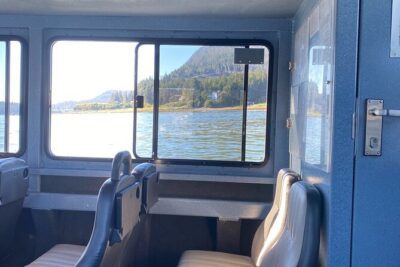
This outing is built for a smaller group feel. The features say group sizes are capped at 22 people maximum, and other info lists a maximum of 24 travelers. Either way, you’re looking at a boat that’s not a floating stadium.
That matters for how the tour feels:
- You can hear the crew better when everyone isn’t packed shoulder-to-shoulder.
- You can move your focus quickly between sightings.
- When the captain makes calls—like where to look or when to stay still—your group can follow in a more organized way.
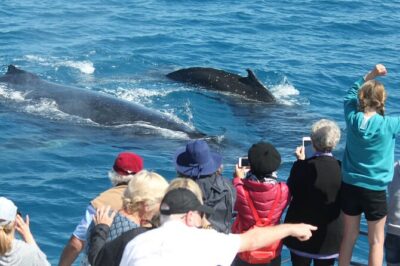
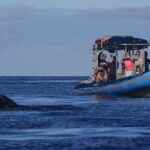
Several reviews also praise the “smaller craft” compared to the big vessels. People liked feeling close to the action without being on an oversized boat. And when a boat is small, the crew often can manage the moment-to-moment details faster.
There’s a tradeoff: smaller boats can feel more noticeable when the water gets rough. That doesn’t mean the ride is unsafe—this tour clearly emphasizes whale safety and federal-regulation spacing—but it does mean your comfort level depends on conditions and how the captain drives.
Finding whales off Kihei: what “fast search” really means at sea
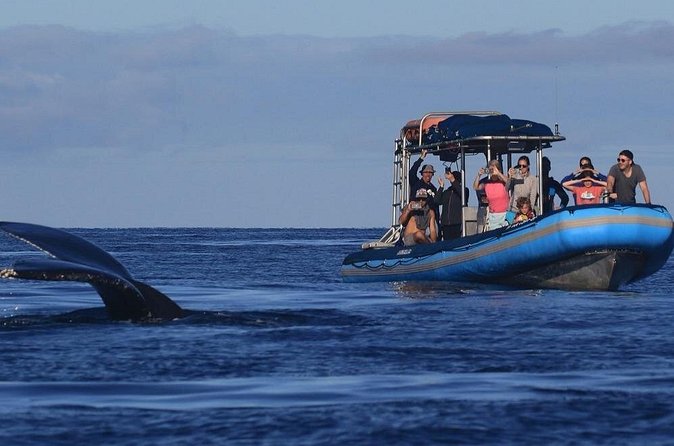
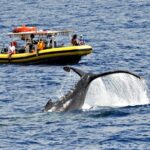
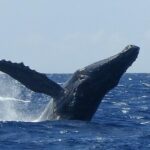
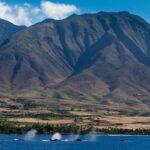
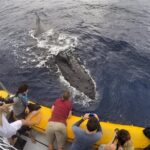
The tour’s plan is straightforward: search for whales off the coast of Kihei and then spend enough time with the pod to view and listen.
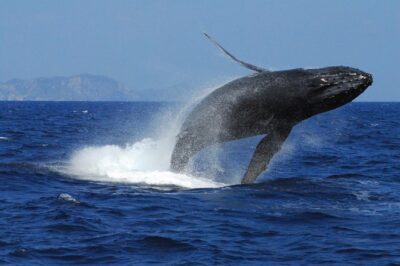
You’re guaranteed a total experience length of about 1.5 hours, and the guide format is designed around quick spotting. When humpbacks are around (the tour specifically mentions humpback whales), pods can often be found quickly enough that you get both viewing time and time to use the hydrophone.
The tour description also adds some nuance about timing on Maui’s south shore. It notes that morning departures tend to offer calmer conditions and that humpbacks are often seen during those times with calves nursing. Since this is a 12 pm departure, you may or may not get the same “calm mornings” advantage, but it explains why the company is focused on being on the water at the right times of day.
In practice, what you’ll care about most is whether whales are near the search area when you’re out there. If whales are present and actively moving, you often get the best mix of “look” and “listen.”
Why they may shift the schedule when whales are close
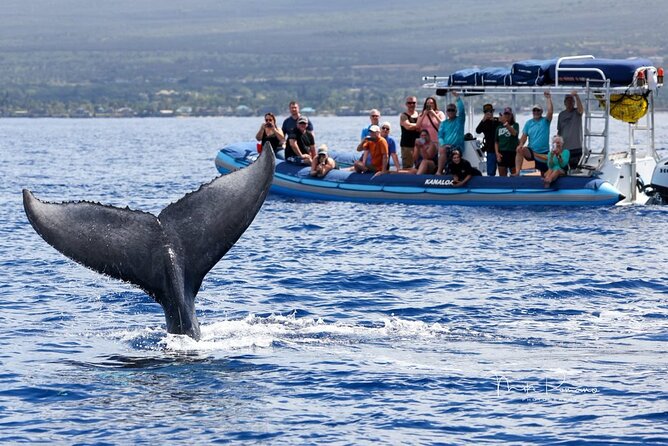
This is one of the most important parts of the whale-watch promise, because it connects excitement with responsibility.
The tour notes that close encounters of 100 yards or less sometimes require them to “stretch” the tour a bit to ensure safety and operate within federal regulations. Translation: you may not get a perfectly rigid stopwatch that always matches the clock like a theme-park ride.
In the real world, this is a good sign. It means the crew is managing whale proximity thoughtfully rather than treating closeness like a trophy. If a pod is that near, it’s not just about how excited you feel—it’s about how the boat interacts with the animals’ behavior.
So if your day is tight with reservations right after the tour, build in some cushion. It’s still around 1.5 hours, but the company is explicitly allowing extra time between departures when whales are very close.

The crew experience: facts, humor, and the difference a captain makes

This tour is operated by Blue Water Rafting, and the crew style can shape your whole trip.
Several reviews highlight captains and first mates by name. People praised Captain Charlie and Co-Captain Kanoe for expert guidance, humor, and a strong focus on humpback whale behavior and biology. Other reviews praised Captain Brandon and first mate Maya for being safety conscious while still keeping the ride fun and for bringing whale knowledge to the forefront.
One standout review detail: the crew used an iPhone underwater video approach and even airdropped a video. That’s not guaranteed based on the tour data, but it fits the general pattern of crews trying to make the moment shareable and educational.
Balanced reality check: not every outing matches the high bar. One review described an experience where the boat stayed in one spot for a long time and sightings were far enough away that the trip felt like watching from shore. Another complaint described rougher driving—fast over choppy water and some conflict when passengers asked for slower speed.
Here’s the practical takeaway for you: if you like guided energy and frequent relocation when whales are spotted, you’ll likely appreciate this tour style. If you’re very prone to motion sickness or you strongly prefer gentle pacing, you may want to ask how they handle sea conditions on your departure or choose a day with calmer weather.
What’s actually included (and what that means for your budget)
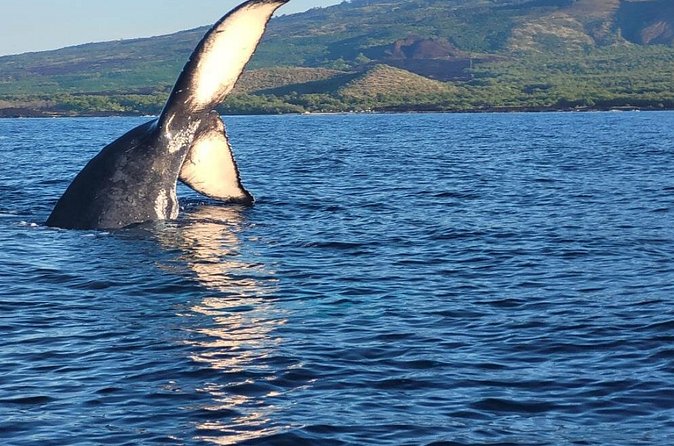
At $97.30 per person, you’re paying for a tightly timed Maui whale watch with a few concrete inclusions:
- Hydrophone whale-song listening
- Bottled water provided
- On-the-water commentary and space for questions
- Mobile ticket for convenience
- English tour language
That’s not a “cheap” activity, but it’s also not priced like a private charter. The value comes from the combination: you’re not only searching for whales—you’re getting a way to hear them, plus the short, focused time window.
So the math for value is simple:
- You pay to be out there when whale encounters are most likely.
- You get added sensory content (sound) and a crew that explains what you’re seeing.
- You’re not locked into a half-day plan.
If you’re debating between a short whale watch and a longer one, think about your day on Maui. A 1.5-hour slot is often easier to pair with snorkeling or a dinner reservation than a longer excursion.
Itinerary in plain steps: what your 90 minutes will feel like
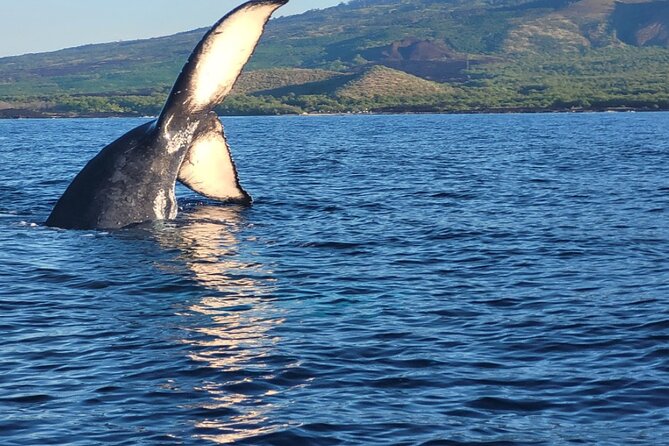
Even without a formal “Stop 1, Stop 2” printed schedule, the flow is predictable. Here’s how the tour experience typically plays out based on the described format:
1) Arrive and check in for the 12 pm departure
You’ll head to 2800 S Kihei Rd. Parking at the Kihei Boat Ramp is a key perk, since the tour points you to it as a nearby option.
2) Cruise out while searching off Kihei
The goal is to locate pods quickly. This is where quick spotting can make the trip feel efficient—less time wandering, more time watching.
3) Watch for humpbacks, then switch to listening with the hydrophone
Once whales are spotted, you’ll get viewing time and listen to whale songs through the hydrophone system. This is usually the emotional payoff moment.
4) Adjust spacing if whales are very close
If humpbacks come within 100 yards or less, the crew may stretch the tour slightly to stay safe and comply with regulations. That can also mean extra time with the whales, which is often what you want.
5) Return to the dock and finish where you started
The tour ends back at the meeting point. That keeps logistics simple if you’re heading back into Kihei or Wailea right after.
Who should book this 12 pm whale watch (and who should think twice)
This tour makes the most sense if:
- You want a short Maui activity that still feels like a real whale encounter.
- You care about hearing humpback songs, not only seeing a spout in the distance.
- You like the idea of a small-group cap rather than a huge crowd.
It may be a less ideal fit if:
- You have trouble with motion or rough-water riding and you prefer a super-smooth experience.
- You are traveling with someone who falls under the limits below.
A few participant constraints are clearly stated:
- No children 4 and under unless approved through reservations.
- No pregnant passengers unless approved through reservations.
If you’re in either category, contact the number listed (808 879 7238) before you book so you don’t get surprised.
Quick tips for booking smart for a better chance at whales
Even with a “guaranteed” style whale watch format, whale sightings depend on nature. So here’s how I’d optimize your odds with what you know from the tour description:
- Consider weather and sea conditions. The experience requires good weather. If it’s canceled due to poor weather, they offer either a different date or a full refund.
- Don’t schedule a hair-trigger plan right after. Because they may stretch the outing for safety when whales are close, add buffer time.
- Set expectations for distance. If whales are hard to approach, you may see more of the behavior than a close view. The hydrophone can still make it rewarding even when visibility isn’t perfect.
And if you’re the type who really wants a guided, energetic ride, it may be worth checking recent details right before you go so you know what captain-and-crew energy looks like for your departure.
Should you book the 12 pm whale watch with Blue Water Rafting?
If your goal is a tight, efficient Maui whale watch from Kihei that includes both visual spotting and hydrophone listening, this one fits the bill. At $97.30 for about 90 minutes, the pricing feels reasonable when you factor in the short format, the hydrophone, the small-group size, and bottled water.
I’d book it if you:
- want humpbacks off Kihei with a crew that gives facts and Q&A
- care about whale calls, not just sightings
- prefer a smaller operation over big-boat crowds
I’d think twice if:
- you’re very sensitive to choppy-water motion or dislike fast-paced driving
- you want an outcome guarantee for close, long circling encounters (that part can vary with whale behavior and conditions)
Bottom line: this is a well-structured, mid-day whale watch that can be especially memorable when the hydrophone moment lines up with active whales. If you’re flexible with timing and you show up expecting nature, it’s a strong Maui value.
FAQ
Where is the meeting point for the 12:00 pm whale watching tour?
The meeting point is 2800 S Kihei Rd, Kihei, HI 96753, USA. The tour also ends back at the same location.
What time does the tour start?
It starts at 12:00 pm.
How long is the whale watching experience?
The tour is about 1 hour 30 minutes.
Is the tour offered in English?
Yes. The tour is offered in English.
How big is the group?
The group is capped at about 22 people maximum based on the tour features, and the maximum listed is 24 travelers.
What’s included during the tour?
You’ll have bottled water and you’ll look for whales off Kihei. You’ll also be able to listen to whale songs through a hydrophone, and the crew provides facts and answers questions.
Are there restrictions for kids or pregnant passengers?
Yes. No children 4 and under unless approved through reservations, and no pregnant passengers unless approved through reservations.
When will I receive confirmation after booking?
You’ll receive confirmation within 48 hours of booking, subject to availability.
What if I need to cancel, or the weather is poor?
This experience is non-refundable and can’t be changed for any reason. If it’s canceled due to poor weather, you’ll be offered a different date or a full refund. If a minimum traveler number isn’t met, you’ll also be offered a different date/experience or a full refund.