REVIEW · MAUI
Kayak and Whale Watching Tour
Book on Viator →Operated by Tropical Guides & Outfitters · Bookable on Viator
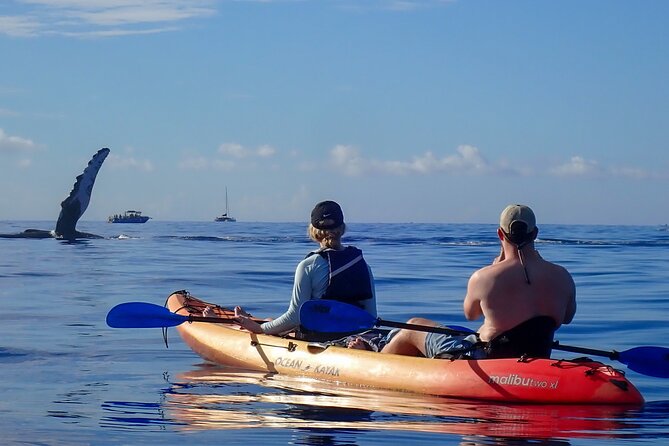
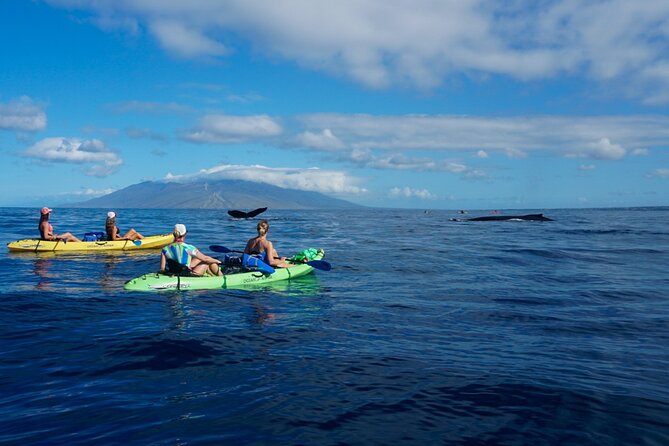
Whale songs sound different from a kayak. Off Maui, this 3-hour outing takes you paddling where humpback whales surface during their winter migration, with a guide focused on respectful, non-invasive viewing. You’ll start early from Makena Landing Park and spend your morning on water-level “close-up” encounters, not a distant scan from a boat.
What I like most is the combination of water-level encounters and real, calm confidence from the guide. Names like Chris and Kris show up in feedback for a reason: they’re described as professional, skilled, and very kind, with a strong emphasis on keeping everyone safe while still getting you near the action.
One thing to weigh is that this is highly weather- and season-dependent. It runs during humpback whale season (mid-December to end of March), starts at 7:00 am, and you need moderate physical fitness for kayaking.
In This Review
- Key things to know before you go
- Why Maui Kayak Whales Feel Different Than a Boat
- Makena Landing Park: Your 7:00 am Start and Morning Rhythm
- Paddling for Humpback Whales During Mid-Dec to March
- Guide Power: Chris and Kris Spot Whales and Keep You Safe
- What’s Included, Photos for Purchase, and the Tipping Reality
- Physical Fitness and Small-Group Limits (Max 8)
- Price and Value: Is $130 Worth It for 3 Hours of Whales?
- Weather, Date Changes, and Booking About 68 Days Ahead
- Should You Book This Kayak-and-Whale Tour?
- FAQ
- When does the humpback whale season run for this Maui tour?
- What time does the tour start, and how long is it?
- Where is the meeting point for the kayak and whale watching tour?
- How many people are in the group?
- What is included in the tour price, and are photos available?
- What happens if the tour is canceled due to weather?
Key things to know before you go
- Small groups (max 8 travelers) make it easier to manage spacing in the water
- Humpback whale season runs mid-Dec through end of March, when Maui is prime for sightings
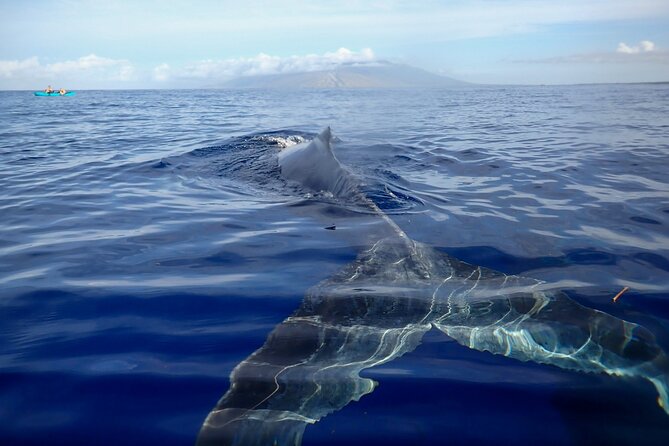
- Hear whale activity up close, including underwater singing reported by many
- Guides like Chris and Kris get praise for spotting whales and prioritizing safety
- Bottled water is included, while digital photos are available to buy
- Good weather matters, since the experience requires it
Why Maui Kayak Whales Feel Different Than a Boat
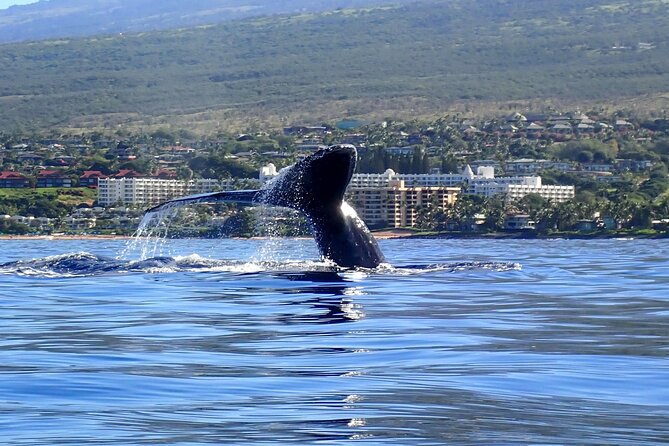
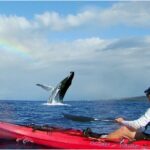
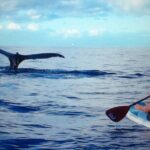
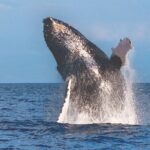
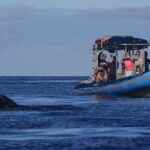
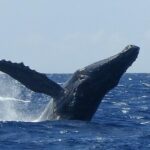
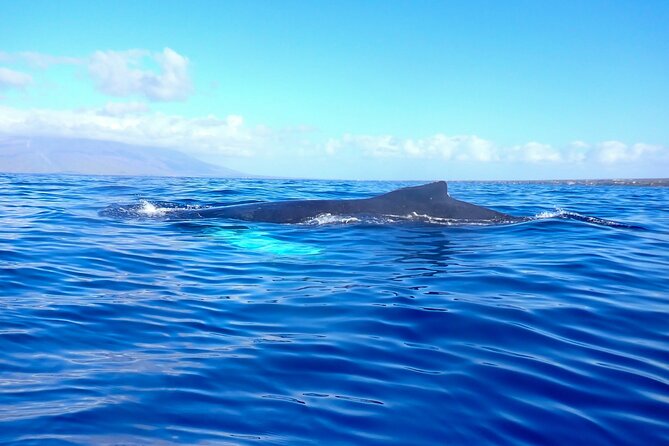
Kayaking with humpback whales changes the whole vibe. On a boat, you’re usually looking over railings and guessing at distance. From a kayak, you’re lower in the water, moving with the rhythm of the sea, and that makes sightings feel more immediate and personal.
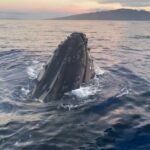
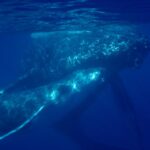
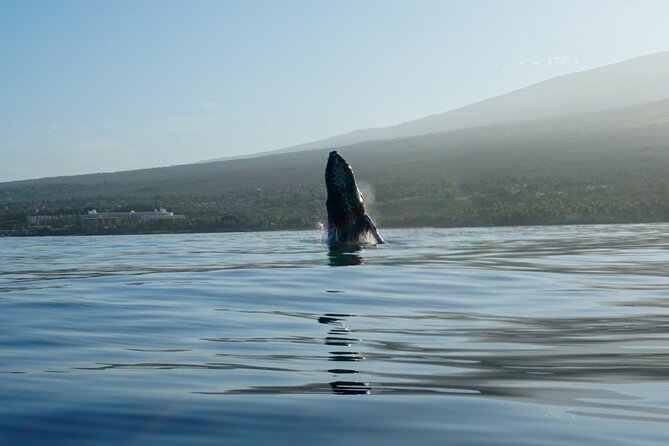
In feedback, people keep coming back to two specific moments: whales popping up very close by, and the strange, beautiful experience of hearing singing underwater while you paddle. The singing detail matters because it’s not just visual. If you’re a nature fan who loves the soundscape as much as the sight, this is one of the best ways to experience it.
The tour’s whole approach also leans on being respectful. You’re there during migration, but you’re not doing anything “invasive.” Instead, the goal is to be in the right place at the right time and let the whales do their thing—right near you.
You can also read our reviews of more tours and experiences in Maui.

Makena Landing Park: Your 7:00 am Start and Morning Rhythm
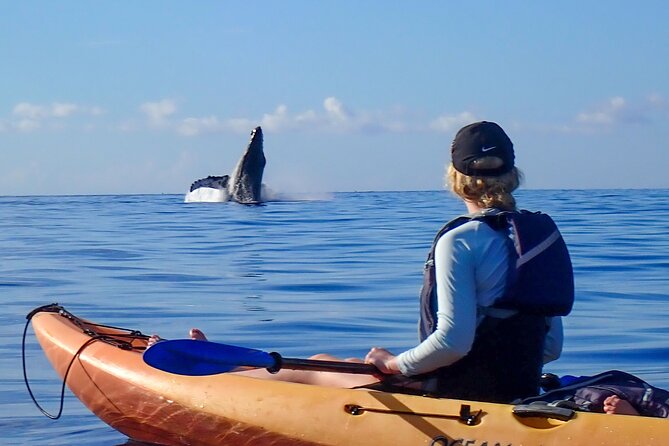
Your meeting point is Makena Landing Park, 5083 Makena Rd, Kihei, HI 96753. The start time is 7:00 am, and the activity ends back at the same meeting point.
That early start is practical. Mornings are when conditions can feel calmer, and you also get more time in the day before heat and crowds pile up elsewhere. If you’re the type who hates rushing, plan your morning like a mission: arrive a few minutes early so you can settle before the water time begins.
The tour is about 3 hours total. In real life, that usually means you’ll spend most of that time on the water rather than on long transfers. Also, since the group cap is 8 travelers, it doesn’t feel like you’re waiting behind a giant pack for the next step.
Paddling for Humpback Whales During Mid-Dec to March
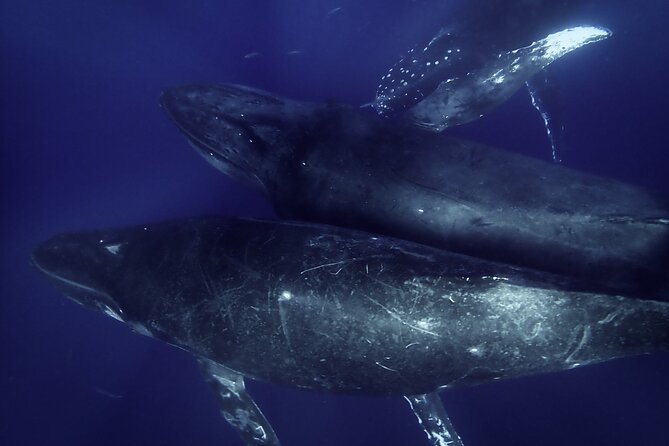
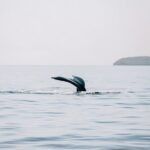
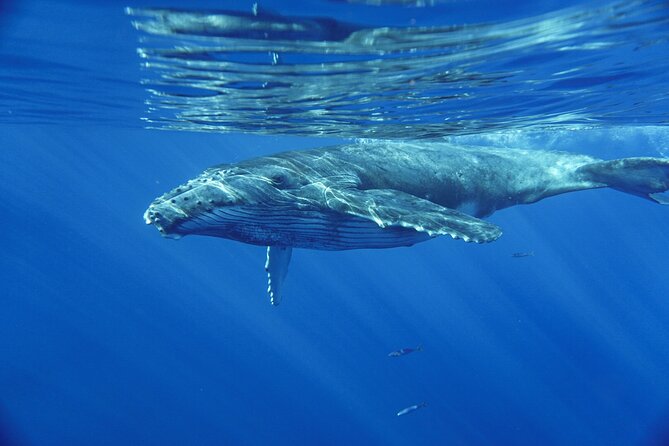
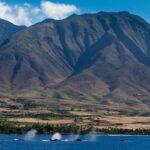
This is a seasonal whale experience. From mid-December to end of March, humpback whales migrate to Hawaiian waters, and Maui is one of the best places to see them.
What you’re really signing up for is the chance to be in a productive viewing area during that migration window. The tour description emphasizes that you’ll head to waters where humpbacks are often seen, and that you’ll have close, non-invasive encounters when the whales are active.
Now, here’s the honest bit: whale sightings aren’t a vending machine. Even with great planning, you can’t control where animals surface. What you can control is choosing a tour that treats the search seriously. That’s where the guide quality comes in—people describe the guides as skilled at finding whales and positioning the group so you get real moments, not just distant “there’s something over there.”
Guide Power: Chris and Kris Spot Whales and Keep You Safe
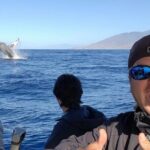
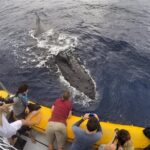
The best part of this tour, at least from the way people talk about it, is the guide. Multiple reviewers mention guides named Chris and Kris, and the common themes are consistent: they’re professional, they know where to go, and they make safety feel calm instead of stressful.
Why that matters: in a whale kayak scenario, safety isn’t only about physical gear. It’s also about timing, spacing, and reading how whales move. If your guide is experienced, they can help you feel confident while still respecting the animals’ space.
You can see that in the feedback that highlights how close encounters felt “up close” but not scary. People specifically call out that they were safe even when whales were near. That’s a big deal. It means you can focus on the experience—paddling, watching, listening—rather than worrying about what to do next.
One extra bonus people mentioned: the guides are good at getting great photo moments. If you’re the person who always forgets the camera until it’s too late, this kind of help can save you.
What’s Included, Photos for Purchase, and the Tipping Reality
Here’s the money clarity upfront. The price is $130.00 per person. What’s included: bottled water and digital photos available to purchase. What’s not included: gratuity for the guide.
So you’re not paying extra for water, and you have the option to buy photos afterward if you want professional shots of the whales and your kayak moment. The photos part is worth considering because it can be hard to capture good images while paddling and staying positioned.
And yes, tipping is on you. If “not included” surprises you, just plan for it now so you’re not scrambling later.
Physical Fitness and Small-Group Limits (Max 8)
The tour notes a moderate physical fitness level. That’s a fair flag. You’ll be kayaking, which means you should be comfortable paddling and holding your own in open water conditions. You don’t need to be an athlete, but you shouldn’t expect this to feel like an easy float.
The group size limit is 8 travelers, which helps in a few ways. First, it makes it easier for the guide to manage spacing. Second, it reduces the “someone’s always late” effect. And third, it tends to create a quieter, more focused wildlife experience instead of a floating crowd.
If you’re traveling with family, couples, or a small group, this is also the kind of activity that feels personal. People in feedback describe it as a highlight of their trip, including families and first-timers, which suggests it doesn’t require extreme experience—just a willingness to paddle and listen to your guide.
Price and Value: Is $130 Worth It for 3 Hours of Whales?
Let’s talk value without pretending whales are guaranteed. At $130, this isn’t a bargain, but it is also not priced like a luxury yacht experience. You’re paying for three things that are hard to fake:
1) Time on the water during peak whale season
2) A guide who can spot and position the group
3) A small group size that helps keep the experience controlled and respectful
When people share their best moments from this trip, they usually mention close encounters and whale singing. Those aren’t “view from far away” memories. They’re moments that feel like you really became part of the environment for a short time.
Also, bottled water being included is a small detail, but it’s practical on a morning tour. And because digital photos are available for purchase, you have an option to turn that once-in-a-lifetime memory into something tangible.
If you’re on Maui and you care about doing something genuinely nature-focused, this is one of those “spend it here” choices. If you hate mornings, struggle with moderate physical activity, or travel during the wrong season, then the value drops. This trip works best when it matches your energy level and your dates.
Weather, Date Changes, and Booking About 68 Days Ahead
This experience requires good weather. If it’s canceled due to poor weather, you’ll be offered a different date or receive a full refund.
That “weather-dependent” note is not just fine print—it affects how you plan. If you’re the type who schedules every hour of the trip, you’ll want a little flexibility. Build in a buffer day or at least avoid stacking your whale kayak tour right between two timed must-dos.
One more scheduling clue: on average, this is booked about 68 days in advance. That doesn’t mean it will sell out immediately, but it does suggest it’s popular. If humpback whales are a top priority for you, waiting too long can make your choices narrower.
Should You Book This Kayak-and-Whale Tour?
Book it if you want a whale experience that feels close, sound-rich, and guided with real attention to safety. This is especially a great fit if you’re traveling in the mid-Dec to March window and you’re comfortable with moderate physical activity.
Skip or reconsider if early mornings are a dealbreaker for you, if you’re not comfortable paddling for the duration, or if your schedule is so tight that losing a weather-dependent slot would ruin your trip.
For most nature lovers on Maui, this is the kind of activity that earns its place on the list—because it’s not just “seeing whales.” It’s being near them, listening to what they’re doing, and doing it with a guide who knows how to keep things safe while you enjoy the moment.
FAQ
When does the humpback whale season run for this Maui tour?
The tour operates during humpback whale season, from mid-December to the end of March each year.
What time does the tour start, and how long is it?
It starts at 7:00 am and runs for about 3 hours.
Where is the meeting point for the kayak and whale watching tour?
The meeting point is Makena Landing Park, 5083 Makena Rd, Kihei, HI 96753, USA.
How many people are in the group?
The tour/activity has a maximum of 8 travelers.
What is included in the tour price, and are photos available?
Bottled water is included, and digital photos are available to purchase.
What happens if the tour is canceled due to weather?
If it’s canceled due to poor weather, you’ll be offered a different date or a full refund.